- Fervo-Turboden deal unlocks 150 GW EGS capacity (oilprice.com, USGS estimates).
- DOE invests $171.5M in five EGS pilots (February 2024).
- Cape Station reaches 400 MW geothermal + 1.6 GWh storage by late 2024.
America's geothermal breakthrough emerged as Fervo Energy signed a three-year deal with Turboden America for enhanced geothermal systems (EGS), targeting 150 GW firm grid capacity (oilprice.com). The US Department of Energy (DOE) awarded Fervo $171.5 million for EGS pilots in February 2024. Fervo advances Cape Station for late-2024 commissioning.
Turboden America President Paolo Bertuzzi stated, “Geothermal energy will stabilize strained power grids with clean, firm power. Fervo demonstrates strong leadership in this space.”
Tim Latimer, Fervo CEO, added, “Our EGS technology unlocks vast hot dry rock resources nationwide, integrating seamlessly with storage for dispatchable renewables” (Fervo press release, April 2024).
The US runs 99 geothermal plants totaling 3.7 GW, or 0.4% of capacity (EIA Electric Power Monthly, January 2024). California hosts 53 plants, Nevada 32.
Fervo confidentially filed its IPO registration with the SEC in April 2024 (SEC EDGAR). Turboden ramps organic Rankine cycle (ORC) turbine production.
Fervo EGS Technology Integrates with Battery Storage
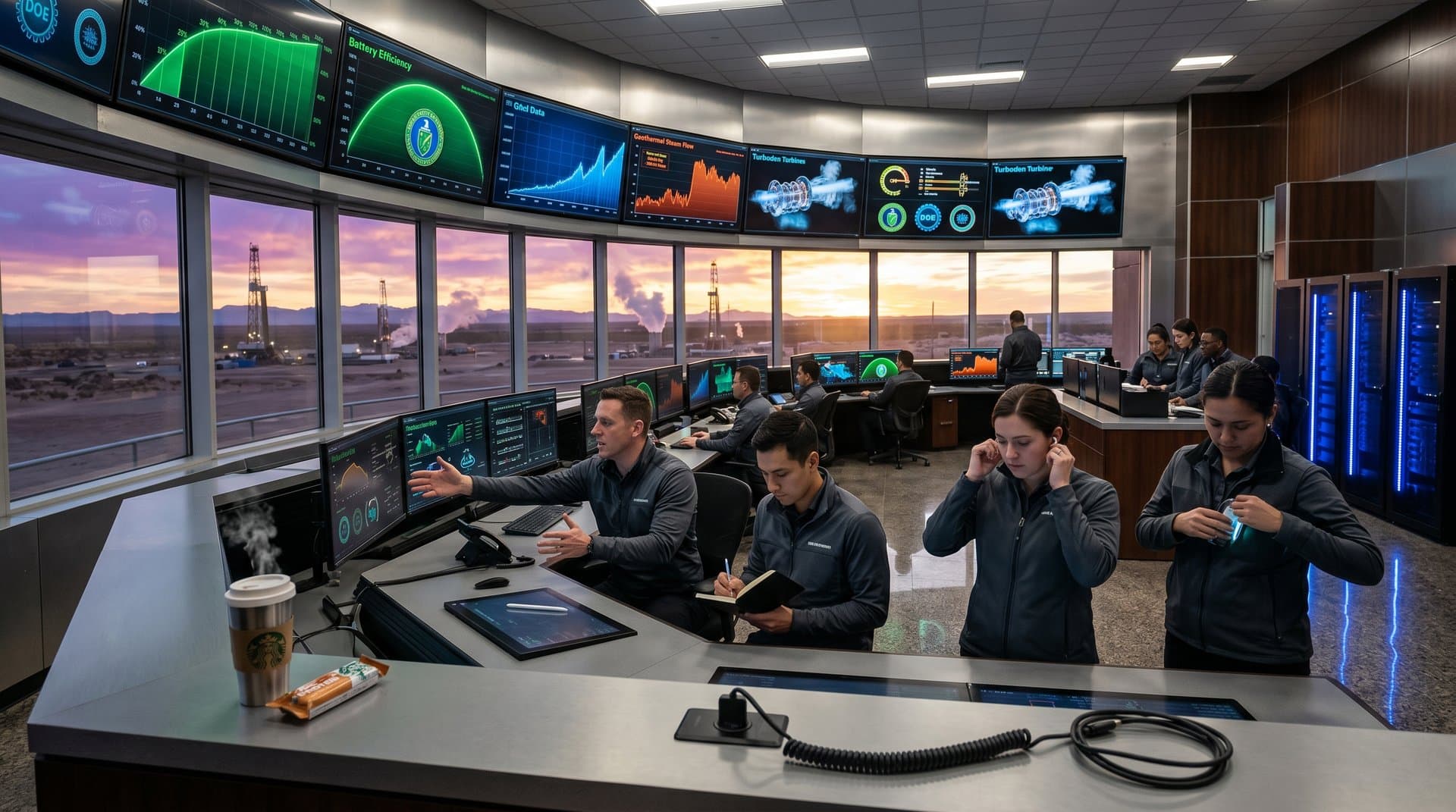
Fervo drills into hot dry rock reservoirs and injects water that reaches 370°C (Fervo specs). Steam powers turbines for baseload output, surpassing hydrothermal limits (DOE EGS page).
Turboden delivers ORC turbines for 100-200°C fluids. Bertuzzi noted, “We scale delivery across the US and deploy megawatts on demand.” The first commercial EGS plant launches in 2026.
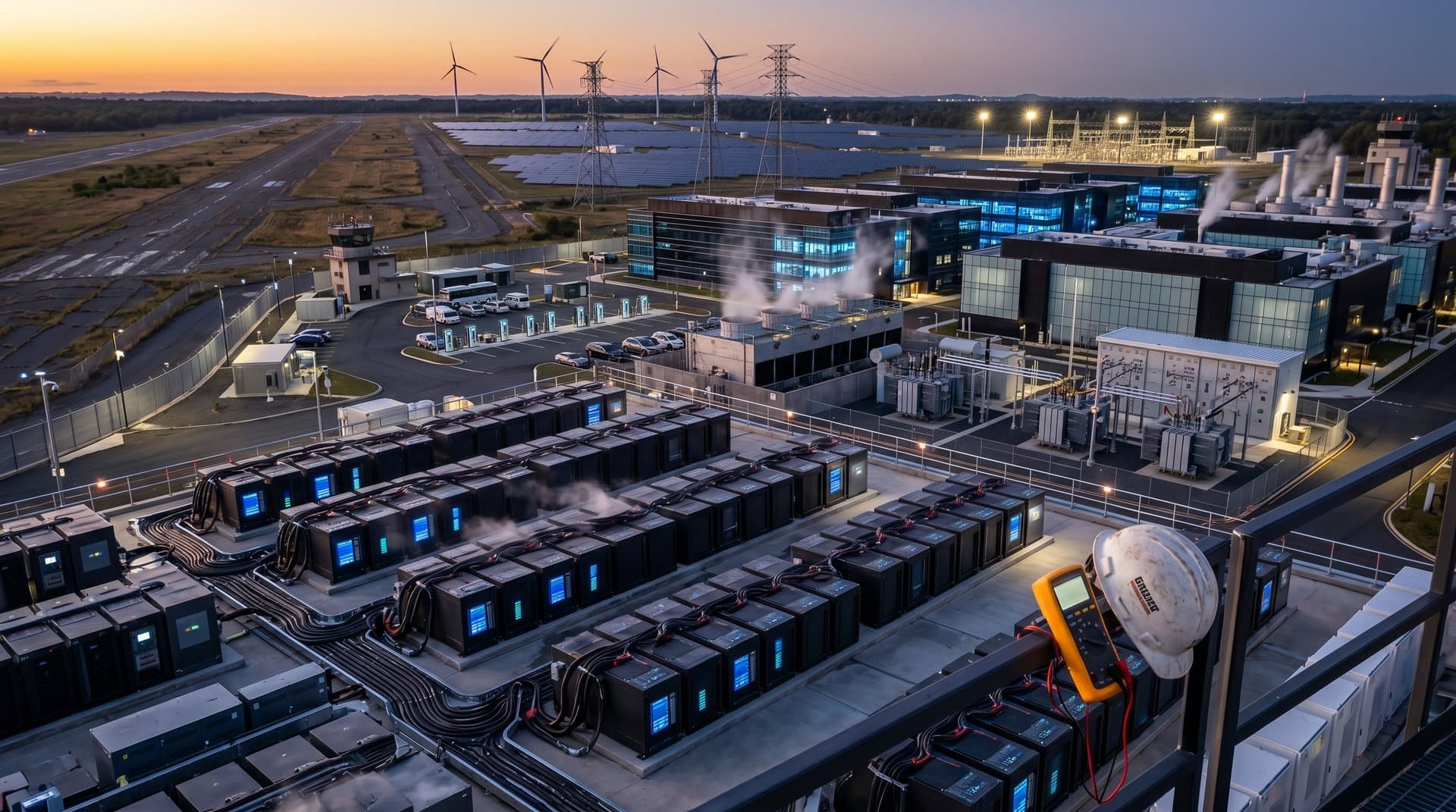
EGS hybrids with lithium-ion batteries (250 Wh/kg energy density, 80% round-trip efficiency at 1C discharge, NREL ATB 2023) and vanadium flow batteries (6-12 hour duration, 75 Wh/kg). Geothermal baseload charges storage during solar/wind peaks. Hybrids achieve 85% system efficiency (NREL hybrid models, 2023).
Geothermal Hybrids Bridge Long-Duration Storage Gaps
Renewables reach 40% of US generation by 2030 (DOE Annual Energy Outlook 2024). EGS dispatches at $30-50/MWh LCOS (Lazard's Levelized Cost of Storage v9.0, 2023), beating gas peakers ($50-100/MWh).
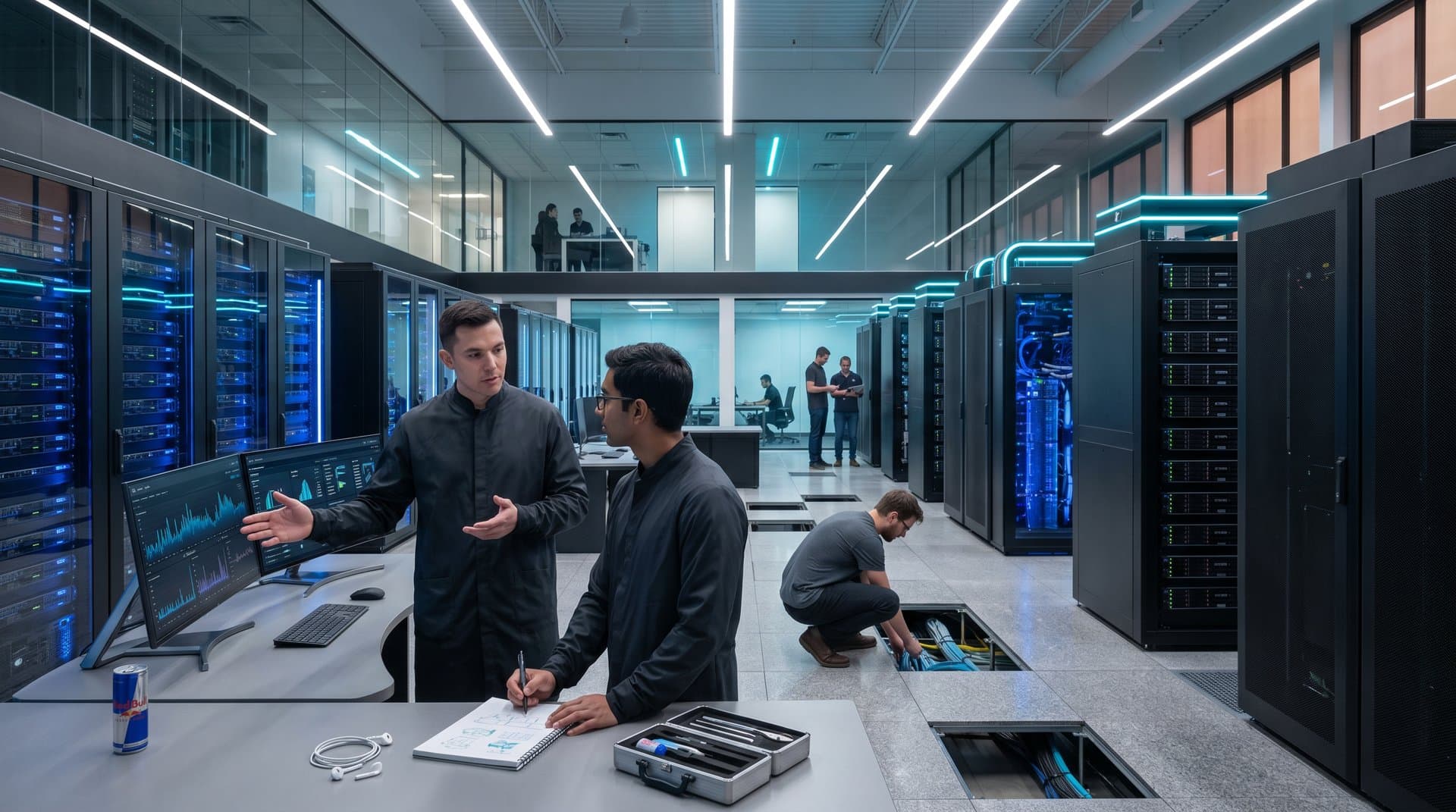
AI data centers require 100+ MW continuous power. Fervo's Cape Station pairs 400 MW geothermal with 1.6 GWh lithium-ion storage (4-hour duration) for peak dispatch.
CAISO hybrids reduce solar curtailment by 30% (NREL Western Interconnect study, 2023). Cape Station connects to adjacent wind farms, storing excess for evening peaks.
DOE $171.5M Funding Accelerates Fervo Roadmap
DOE funds five Western EGS pilots with $171.5 million. Fervo competes against Sage Geosystems and Eavor Technologies. Cape Station scales to 400 MW geothermal plus 1.6 GWh storage by 2025.
Fervo targets 150 GW from 10% of USGS-assessed resources. Turboden's ORC modules fit 50-500 MW projects and deliver 98% uptime (Turboden parent Mitsubishi Heavy Industries data, Europe).
IPO funds expand Cape Station 2.0. The Inflation Reduction Act offers $25/MWh production tax credits for geothermal.
Laura Merrifield, DOE Geothermal Technologies Office Director, said, “These pilots de-risk EGS for commercial scale, enhancing grid reliability with storage hybrids” (DOE announcement, Feb 2024).
150 GW Potential Transforms US Grid Storage Market
US geothermal stands at 3.7 GW today (EIA 2024). Scaling to 150 GW matches nuclear baseload and stabilizes ERCOT/PJM during 20% demand spikes from 2024 heatwaves (EIA Hourly Electric Grid Monitor).
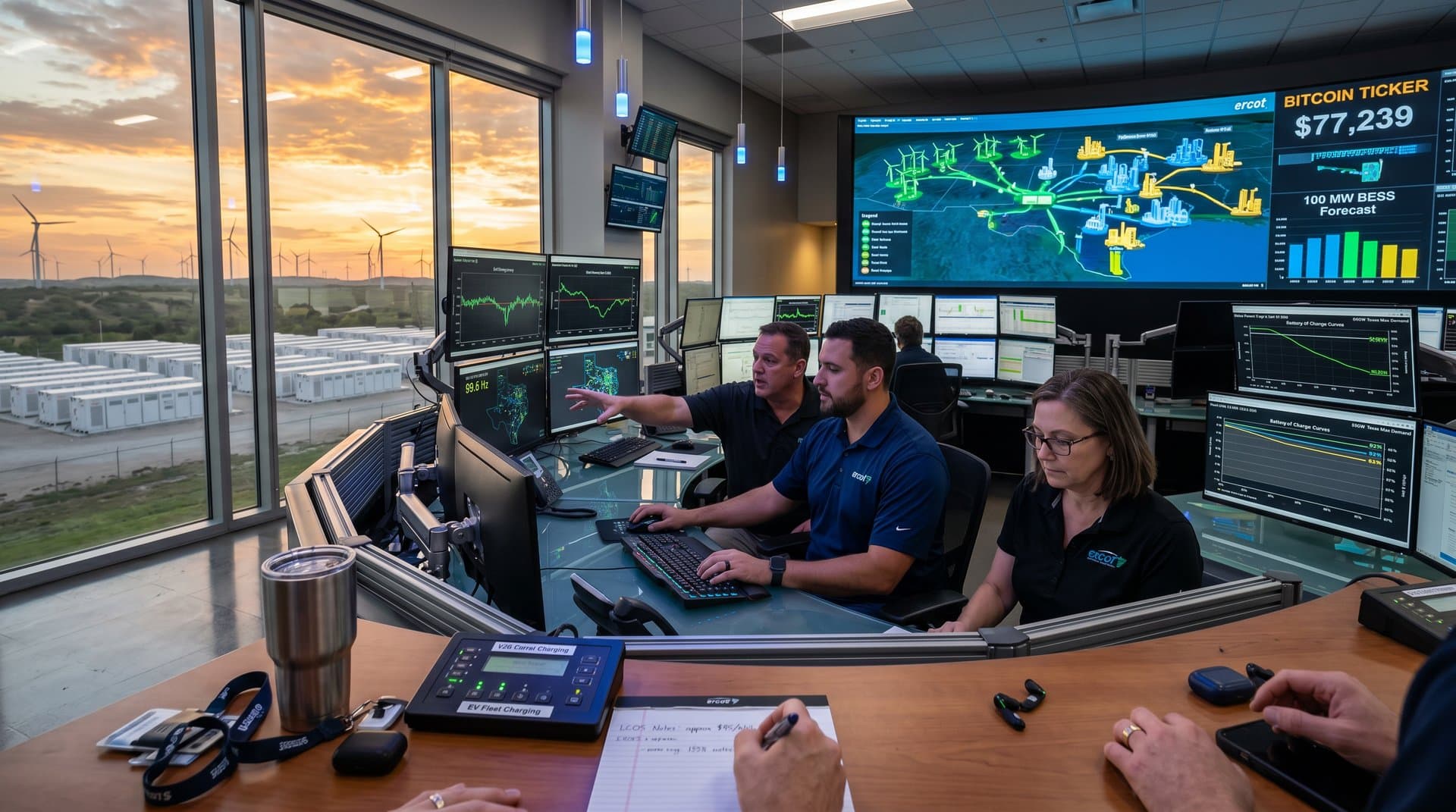
Texas wind-geothermal hybrids support vehicle-to-grid (V2G). EVs consume 50 kWh nightly; EGS enables gas-free refueling at 90% system efficiency (PNNL V2G study, 2023).
FERC Order 2023 fast-tracks hybrid interconnections, cutting queues below 2 years.
Geothermal Complements Battery Storage Roles
Lithium-ion handles 4-hour cycling (10,000 cycles at 80% depth-of-discharge, CATL data) but costs $150/kWh installed (BNEF Q1 2024). EGS provides unlimited duration at lower LCOS.
Hybrids boost capacity factors by 20% (NREL). Virginia and Oregon AI campuses combine 1 GWh lithium packs with EGS pilots.
Microsoft secures 10.5 GW firm-renewable contracts (2024 SEC filings). Google aims for carbon-free power by 2030.
Fervo cuts mineral needs versus 10 TWh batteries for full grid storage (IEA Critical Minerals 2024). Iron-air long-duration batteries (100-hour, Form Energy) lag commercially; EGS hybrids deploy now.
Commercial Path and Grid-Scale Impacts
Cape Station generates first EGS MWh late 2024. DOE pilots prove scalability; gigawatt projects arrive by 2026.
America's geothermal breakthrough secures renewables dominance and fuels AI expansion without fossils. The Fervo-Turboden alliance hastens 150 GW deployment, revolutionizing grid storage.
Frequently Asked Questions
What is America's geothermal breakthrough with Fervo Energy?
Fervo's EGS taps hot rock reservoirs for 150 GW potential (USGS). Three-year Turboden ORC deal enables first 2026 commercial plant.
How does geothermal integrate with grid storage for renewables?
Baseload charges Li-ion/flow batteries during peaks, hitting 85% RTE (NREL ATB 2023). Hybrids reduce CAISO curtailment 30%.
Why does geothermal suit AI data center power demands?
Delivers 24/7 dispatch at $30-50/MWh LCOS (Lazard 2023), undercutting gas. Cape Station adds 1.6 GWh storage.
Where are US geothermal plants concentrated?
California (53 plants), Nevada (32), others in Oregon/Utah/Hawaii/Alaska/Idaho; total 99 plants, 3.7 GW (EIA 2024).