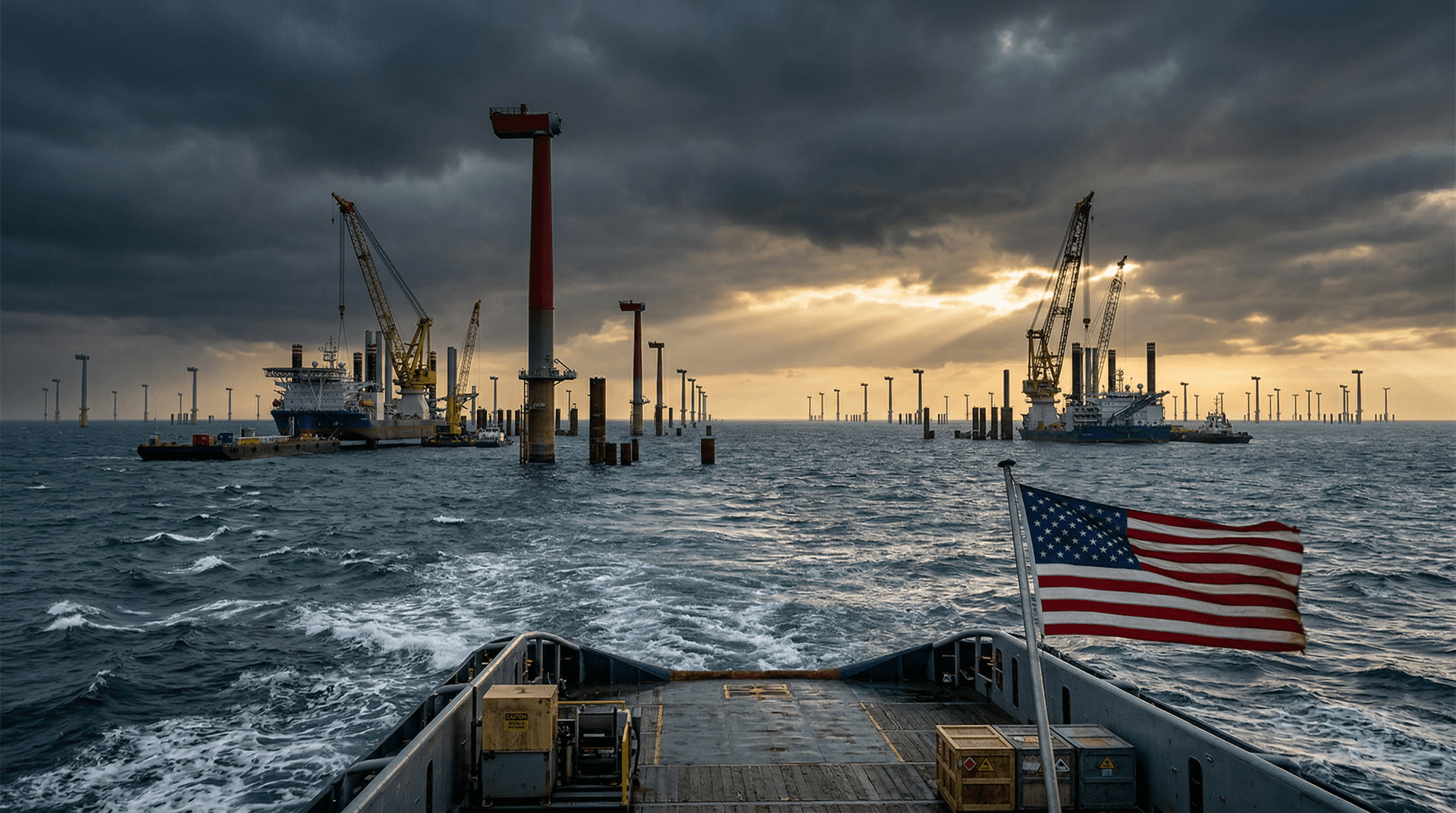
In a significant setback for the burgeoning US offshore wind sector, Danish energy giant Ørsted announced on November 1, 2023, that it will stop development on two key projects: Ocean Wind One (1,100 MW) off New Jersey and Skipjack (1,100 MW) off Maryland. The combined capacity of 2.2 GW represented nearly a quarter of the US's planned offshore wind pipeline, underscoring the mounting economic pressures facing the industry.
Project Background
Ocean Wind One secured a landmark power purchase agreement (PPA) with Atlantic City Electric and Maryland Electric in December 2021, marking New Jersey's first offshore wind contract. Priced at $98/MWh, it was poised to deliver clean power to over 500,000 homes. Skipjack, meanwhile, won approval under Maryland's offshore wind bidding process in 2021, with plans to connect to the grid via undersea cables.
Both projects were part of Ørsted's aggressive push into the US market, leveraging its global expertise from Europe's mature North Sea wind farms. The company had already invested hundreds of millions in surveys, permitting, and early construction. Ocean Wind One was targeting a 2024 start, but delays mounted.
Reasons for Cancellation
Ørsted cited a "perfect storm" of headwinds: persistent inflation in steel, cabling, and vessels; sharply higher interest rates; prolonged supply chain disruptions; and difficulties meeting stringent US content requirements under the Inflation Reduction Act (IRA). CEO Mads Nipper stated, "We have concluded that Ocean Wind One and Skipjack cannot be delivered in a viable manner based on current circumstances."
US projects demand a high percentage of domestic content for tax credits, but the offshore wind supply chain remains underdeveloped stateside. Few Jones Act-compliant vessels exist for turbine installation, driving up costs. Inflation has eroded project economics, with levelized cost of energy (LCOE) estimates rising 30-50% since bidding.
Ørsted booked an $8.9 billion impairment, including $2.2 billion in provisions for these projects, reflecting write-downs on deposits and commitments. This follows earlier pauses, like Ørsted's termination of Ocean Wind Two in October 2023.
Broader Industry Impact
The news reverberates across the US East Coast, where 23 GW of offshore wind capacity has been leased. Developers like Equinor (Empire Wind), Avangrid (Vineyard Wind), and Dominion (Coastal Virginia) face similar pressures. Empire Wind 1 recently reapplied for permits after cost overruns, while Vineyard Wind poured first concrete in September 2023.
Analysts warn of a "reality check." Wood Mackenzie's Emma Dixon noted, "Escalating costs threaten the viability of low-bid PPAs unless renegotiated." States like New York and Massachusetts are exploring support, but federal aid via IRA tax credits may not suffice without supply chain reforms.
This hampers President Biden's goal of 30 GW offshore wind by 2030, vital for decarbonizing the grid and creating 100,000 jobs. Offshore wind promises grid stability for solar and wind integration, pairing well with battery storage to manage intermittency.
Ties to Energy Storage and Grid Tech
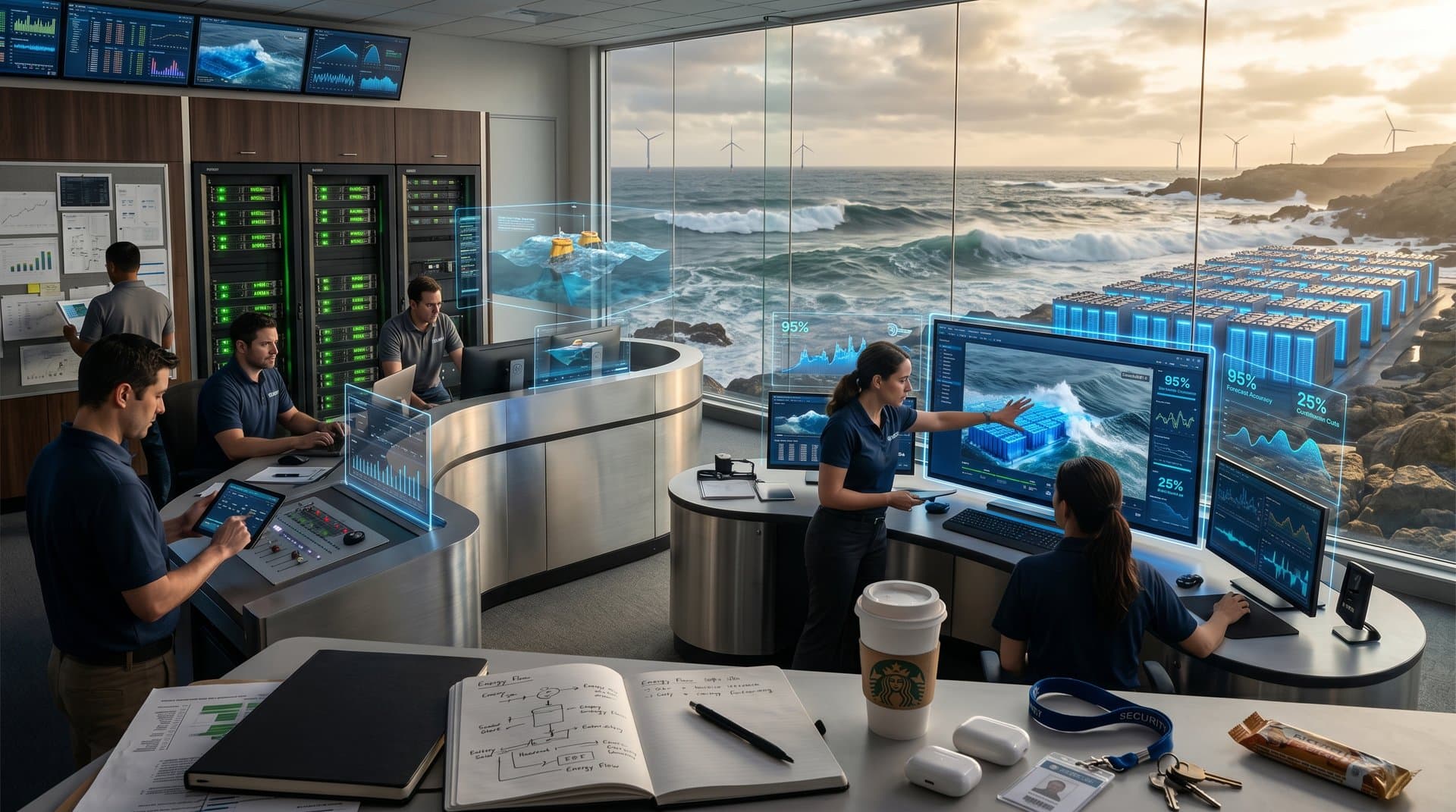
Although primarily wind-focused, these projects were designed for grid-scale integration. Ocean Wind One planned high-voltage direct current (HVDC) transmission, essential for long-distance power delivery. In a hybrid future, offshore wind could anchor solar-wind-storage portfolios, with batteries smoothing output.
Ørsted's global portfolio includes battery projects, like the 900 MW Greater Changhua hub in Taiwan with storage potential. US cancellations highlight the need for grid upgrades—estimated at $20 billion—and storage to absorb variable renewables. The IRA's investment tax credit for stand-alone storage (up to 30%) could incentivize co-location.
Ørsted's US Strategy Pivot
Despite the blows, Ørsted remains committed to the US, with 3 GW in advanced development: Revolution Wind (704 MW, Rhode Island), South Fork (130 MW, New York), and Sunrise Wind (924 MW, New York). It expects first power from South Fork in 2023.
The company is writing off $300 million in sunk costs but aims to redeploy capital. Nipper emphasized, "Ørsted will continue to pursue a responsible path to profitable growth in the US offshore wind market by progressing with our three contracted projects."
Global Context and Lessons
Europe faces similar woes; Vattenfall canceled a UK project in August 2023 over costs. Yet, mature markets like the UK and Germany advance with government backstops. The US lags due to its late start—no commercial farms yet—amplifying supply risks.
Solutions include:
- Port infrastructure investment: $3 billion needed for staging sites.
- Vessel exemptions: Temporary Jones Act relief.
- PPA adjustments: Inflation-linked contracts.
- Supply chain localization: IRA incentives for US manufacturing.
Battery storage emerges as a mitigator. Projects like Intersect Power's 1.5 GW solar + 1 GWh storage in California show hybrids' resilience. Offshore wind could follow, with floating storage concepts in R&D.
Outlook for Solar & Wind
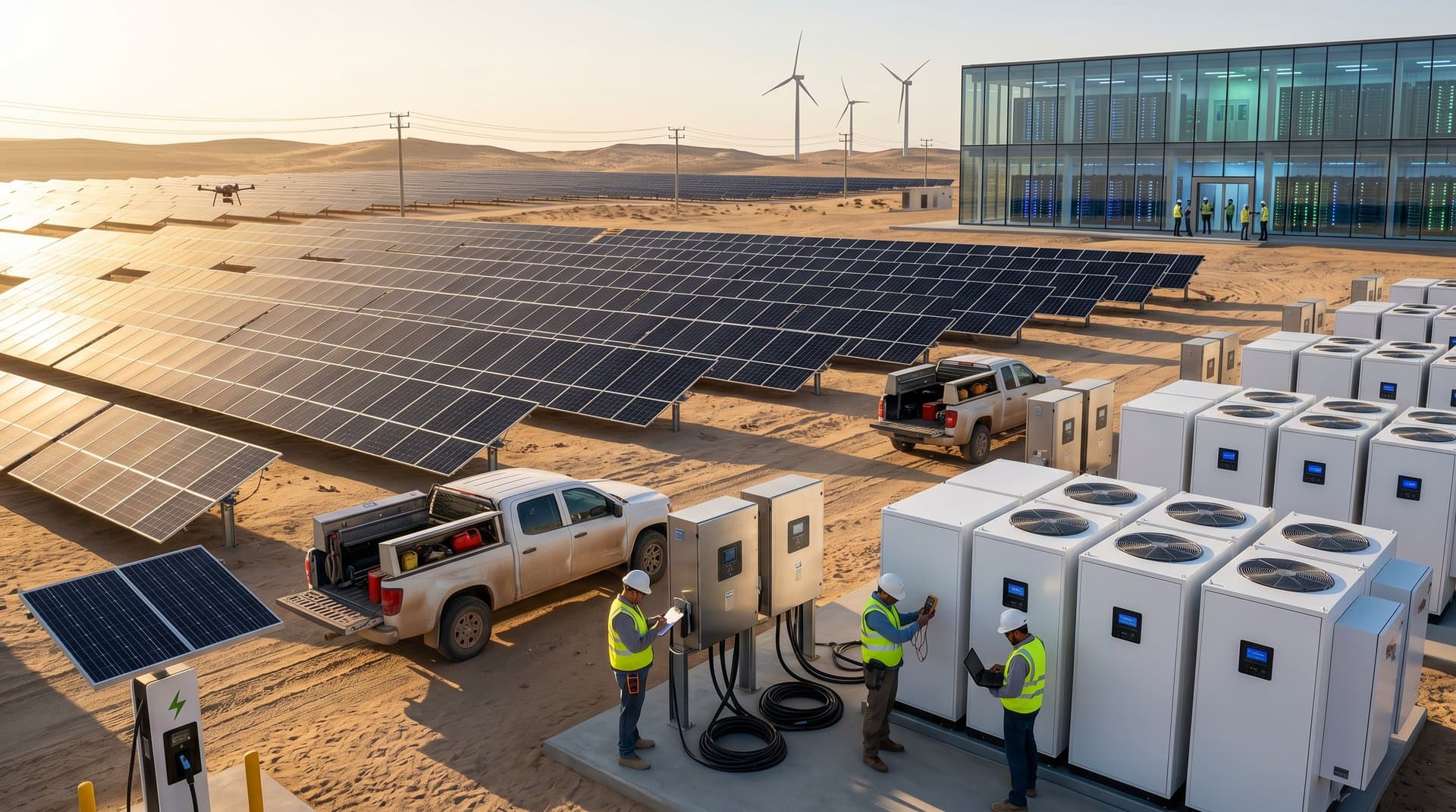
While offshore wind stumbles, onshore solar thrives under IRA, with record 2023 installations. Wind on land faces turbine shortages, but hybrids with storage gain traction. Expect consolidation: stronger developers like NextEra may acquire distressed assets.
This Ørsted decision is a pivotal moment. It tests US resolve to build a world-class offshore wind industry, crucial for net-zero grids. With policy tweaks and private investment, recovery is possible—but time is short.
Word count: 912