- Data centers hit 460 TWh in 2022 (IEA).
- AI may double demand to 1,000 TWh by 2026 (IEA).
- Solar-plus-storage adds 5 GW/year in US (DOE).
Battery Storage Firms Renewables for AI ER Diagnostics
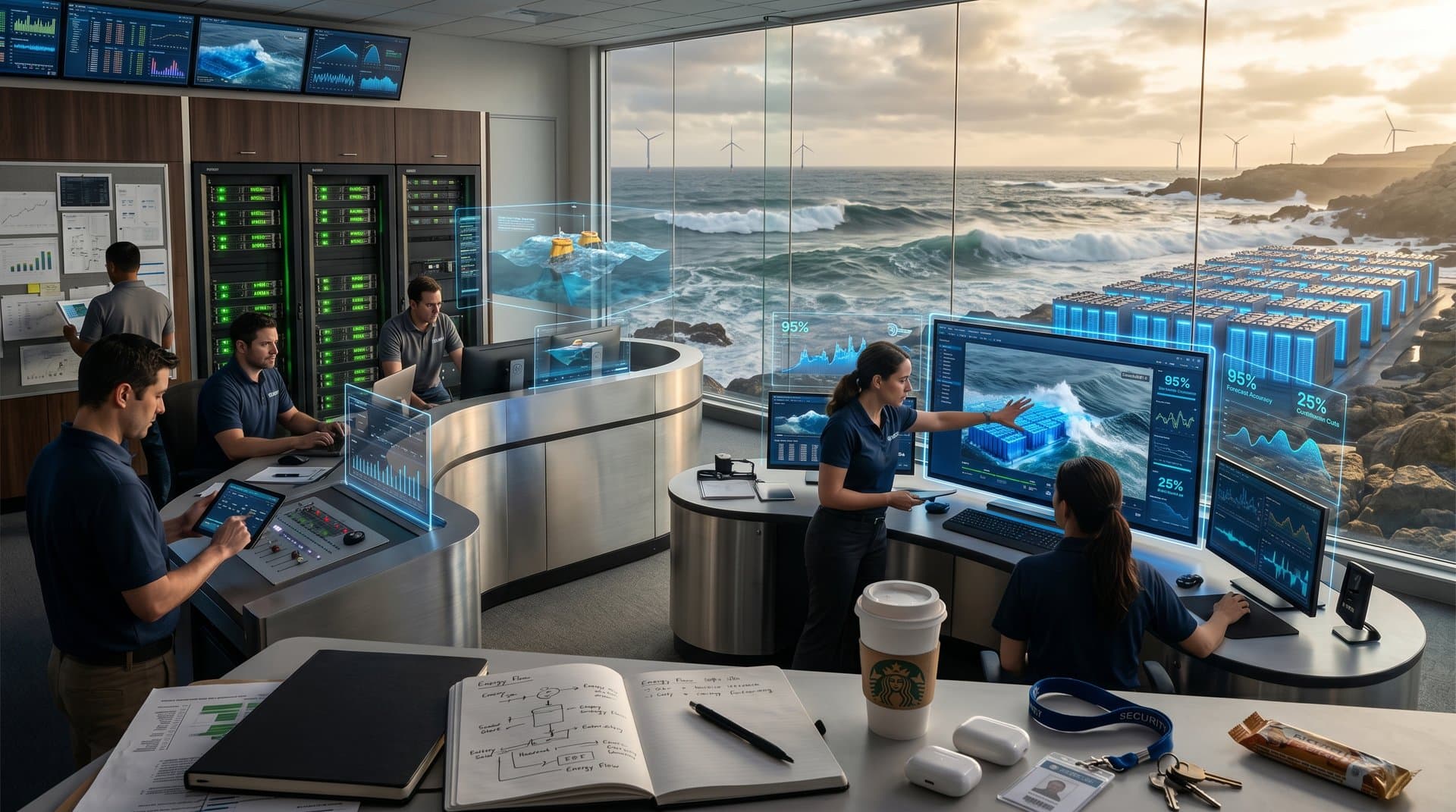
Battery storage integrates solar and wind to power AI-driven emergency room diagnostics. The International Energy Agency (IEA) reports data centers consumed 460 TWh globally in 2022, with AI accelerating demand to potentially double by 2026. CBC News details AI systems diagnosing pneumonia from X-rays faster than physicians.
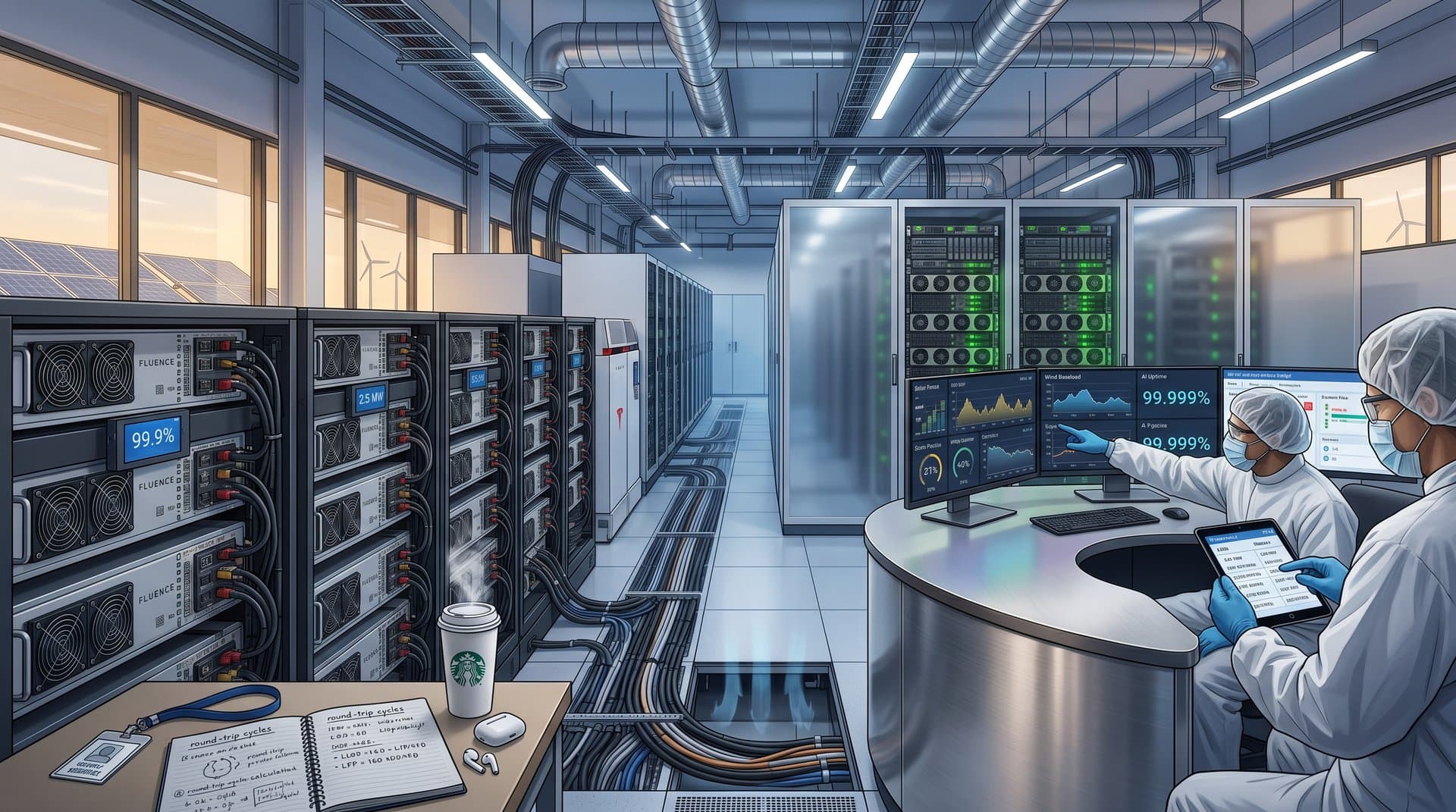
Google and Microsoft expand GPU clusters for healthcare AI inference, each drawing continuous megawatts. The National Renewable Energy Laboratory (NREL) emphasizes battery storage's role in firming renewables for critical hospital loads.
Lithium-ion batteries achieve 85-90% round-trip efficiency at 0.25C discharge rates, according to NREL testing under IEC 62619 standards. Utilities deploy 4-hour systems for frequency regulation and arbitrage.
AI Diagnostics Drive MW-Scale Grid Demands
Convolutional neural networks analyze ER X-rays in seconds. Each GPU consumes 700W under load; clusters reach MW-scale. Inference peaks coincide with evening patient surges and solar lulls.
NREL data shows storage cuts curtailment by shifting midday solar. Lazard's Levelized Cost of Storage (LCOS) Analysis Version 9.0 pegs 4-hour lithium-ion systems at USD 140-160/MWh in California.
Developers earn from capacity markets and ancillary services, undercutting gas peakers at USD 200+/MWh (Lazard, 2023).
Data Centers Challenge Solar-Wind Integration
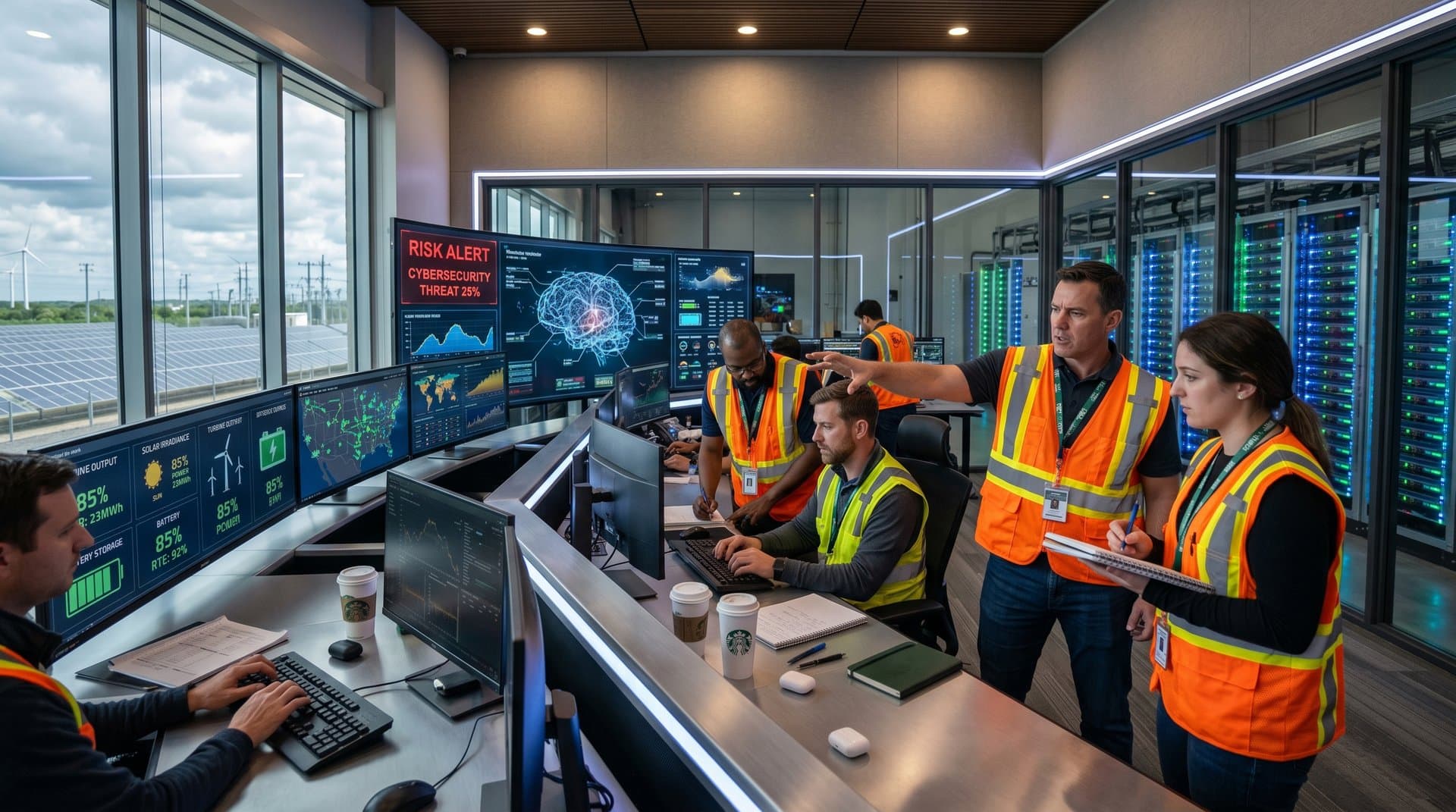
AI data centers run 24/7 against renewables' variability. Onshore wind averages 35-45% capacity factors; solar 20-25%. Interconnection queues hold 100+ GW of hybrids.
The Federal Energy Regulatory Commission (FERC) Order 1920 accelerates storage-inclusive transmission planning. PG&E and NextEra advance multi-GW solar-plus-storage. Batteries support 90% depth of discharge daily at full rating.
Curtailment wastes 5-10% of California solar without storage (CAISO, 2023). Batteries shift output to evenings, reducing wholesale spikes by 20-30%.
- Resource Type: Solar Only · Duration: 4-6 hours/day · Grid Service: Daytime peaking
- Resource Type: Wind Only · Duration: Variable · Grid Service: Off-peak balancing
- Resource Type: Solar + Battery · Duration: 4-8 hours · Grid Service: 24/7 firming
Storage Enables Reliable Healthcare AI
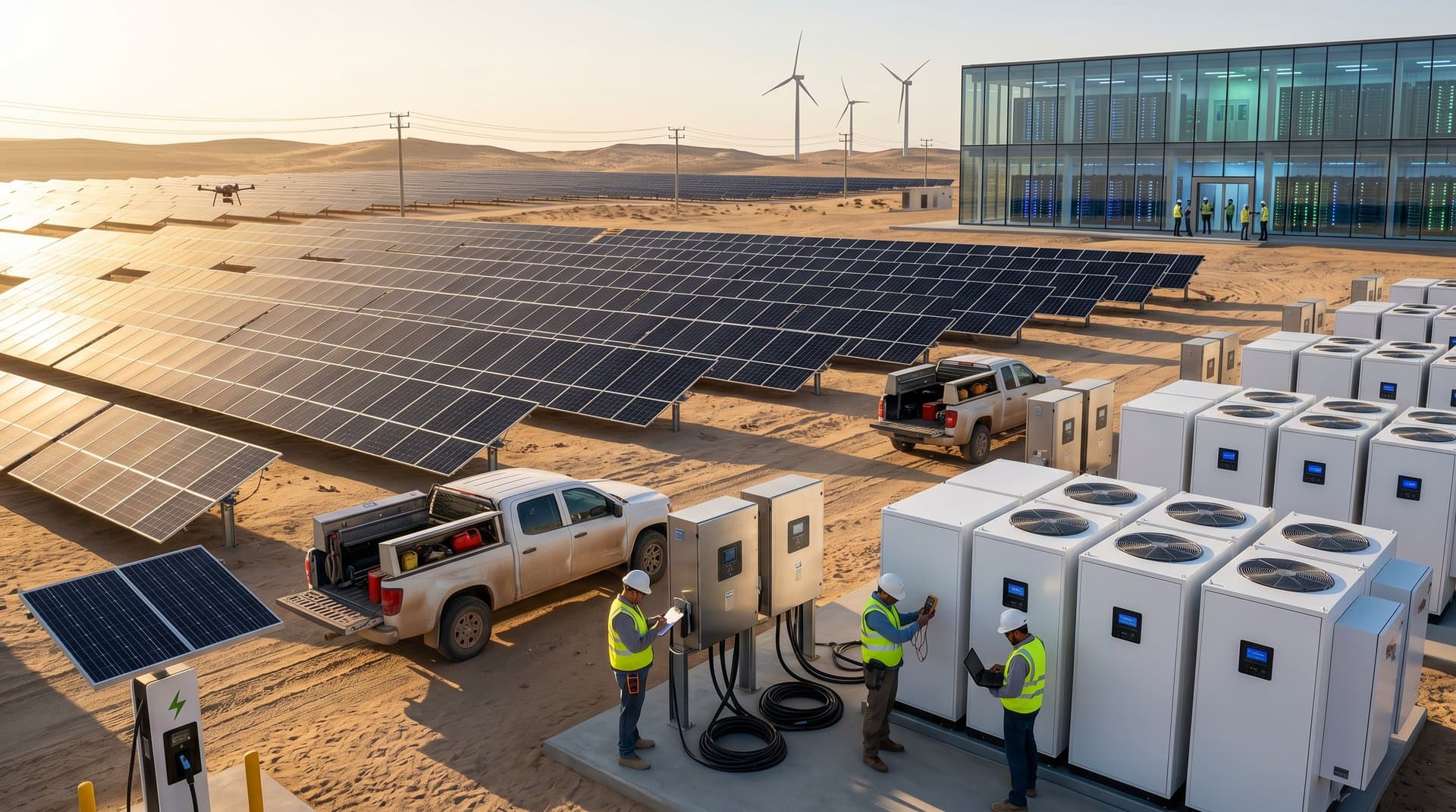
The US Department of Energy (DOE) tracks solar-storage hybrids adding 5 GW annually. Co-location cuts grid upgrade costs. Iron-air batteries target 100-hour duration for overnight AI.
The Inflation Reduction Act offers 30-50% Investment Tax Credit for storage. California requires 1.3 GW/year through 2026. Invenergy and AES pipeline tops 10 GW hybrids.
Behind-the-meter batteries back hospital diagnostics and EV charging. Multi-use stacks facility and grid revenues.
Lithium iron phosphate (LFP) delivers 6,000+ cycles at 80% retention, per Sandia National Laboratories tests (2023). Ideal for daily AI cycling.
Grid Transformation for AI Healthcare
Utilities project 15% annual load growth from AI data centers (NERC, 2024). APAC and US clusters deploy first. BloombergNEF forecasts LCOS at USD 100/MWh by 2030, rivaling gas.
Procurement ramps GW-scale projects. Battery storage converts renewables to dispatchable power. Grids evolve to sustain AI's healthcare advances.
Frequently Asked Questions
How does battery storage support AI ER diagnostics?
Battery storage shifts solar and wind to peak AI needs, averting outages. IEA forecasts data centers doubling to 1,000 TWh by 2026.
What grid challenges do AI healthcare loads pose?
24/7 MW demands worsen renewable intermittency. NREL stresses storage for reliable power.
Why pair battery storage with solar and wind for AI?
Firms 20-25% solar, 35-45% wind factors for dispatchable power. DOE notes hybrids lead additions.
Is battery storage scaled for AI healthcare?
GW hybrids in queues; IRA and mandates drive 1.3 GW/year in California. LCOS at USD 140/MWh (Lazard).