- $100B OpenAI Stargate shifts to leased compute, per Tom's Hardware.
- IEA forecasts AI drives 10% electricity demand growth to 2026.
- Pivot delays GWh-scale grid batteries and LDES by 2-3 years.
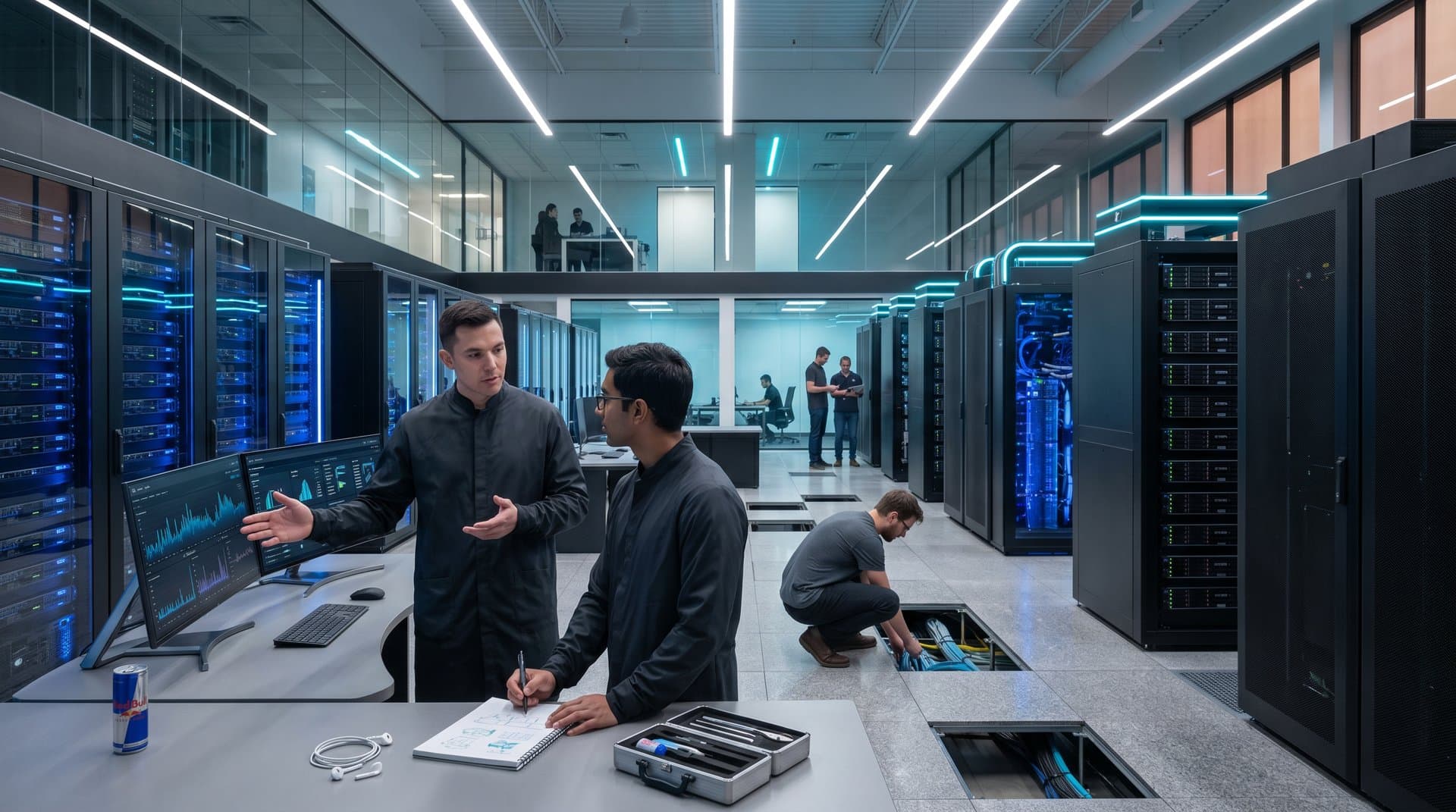
OpenAI Stargate abandons $100B data center builds for leased compute from Microsoft Azure and others, per Tom Warren at Tom's Hardware. This pivot delays grid-scale battery demand for AI megacenters by 2-3 years.
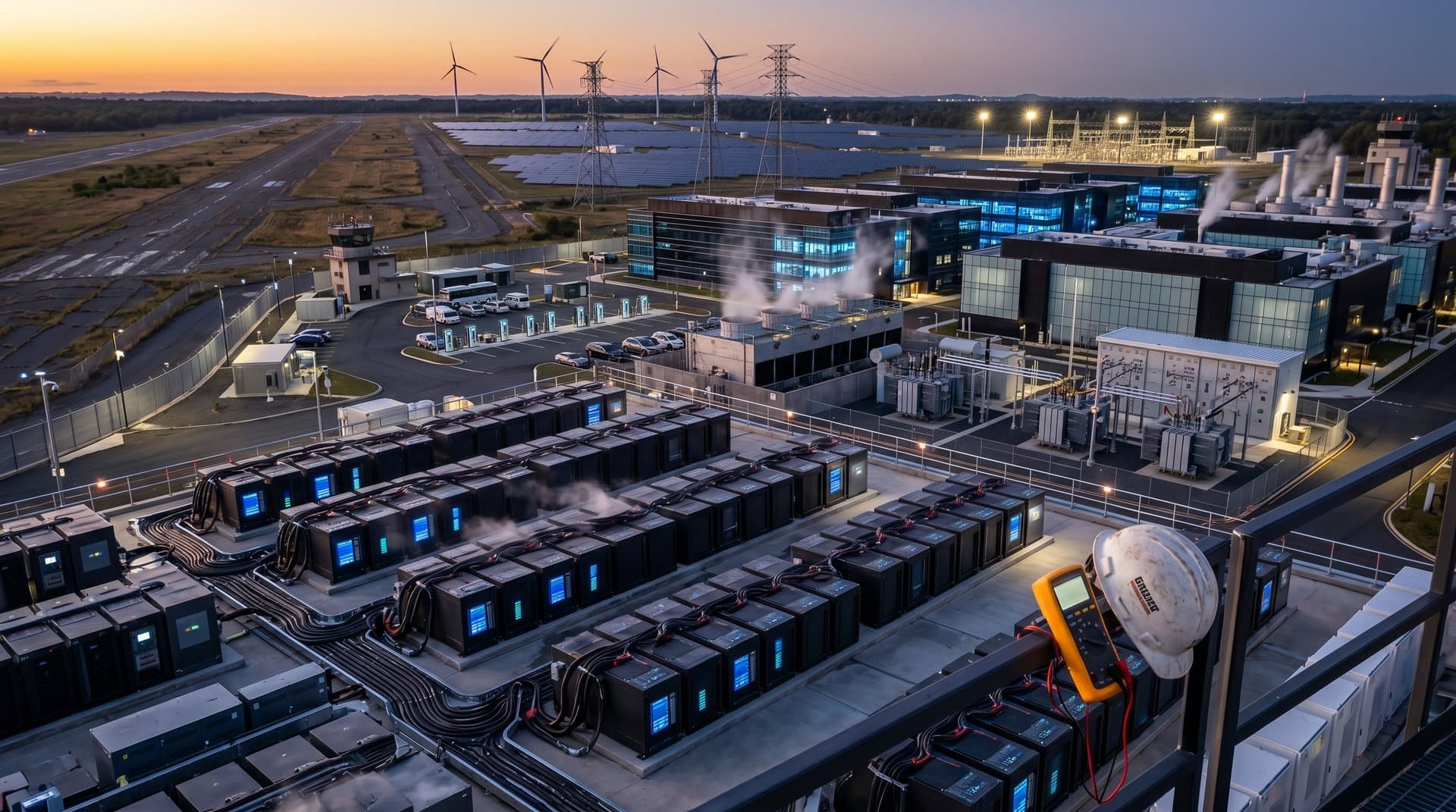
Partner facilities use lithium-ion UPS for 10-15 minute backups at 85-90% round-trip efficiency (RTE). Megacenters need GW-scale, multi-GWh long-duration energy storage (LDES) for stability.
Stargate's Original Battery Plans
Microsoft and OpenAI planned Stargate as a 5 GW exascale AI site by 2028, per Bloomberg reporter Jordyn Holman. Loads match nuclear plants, demanding batteries for regulation and renewables.
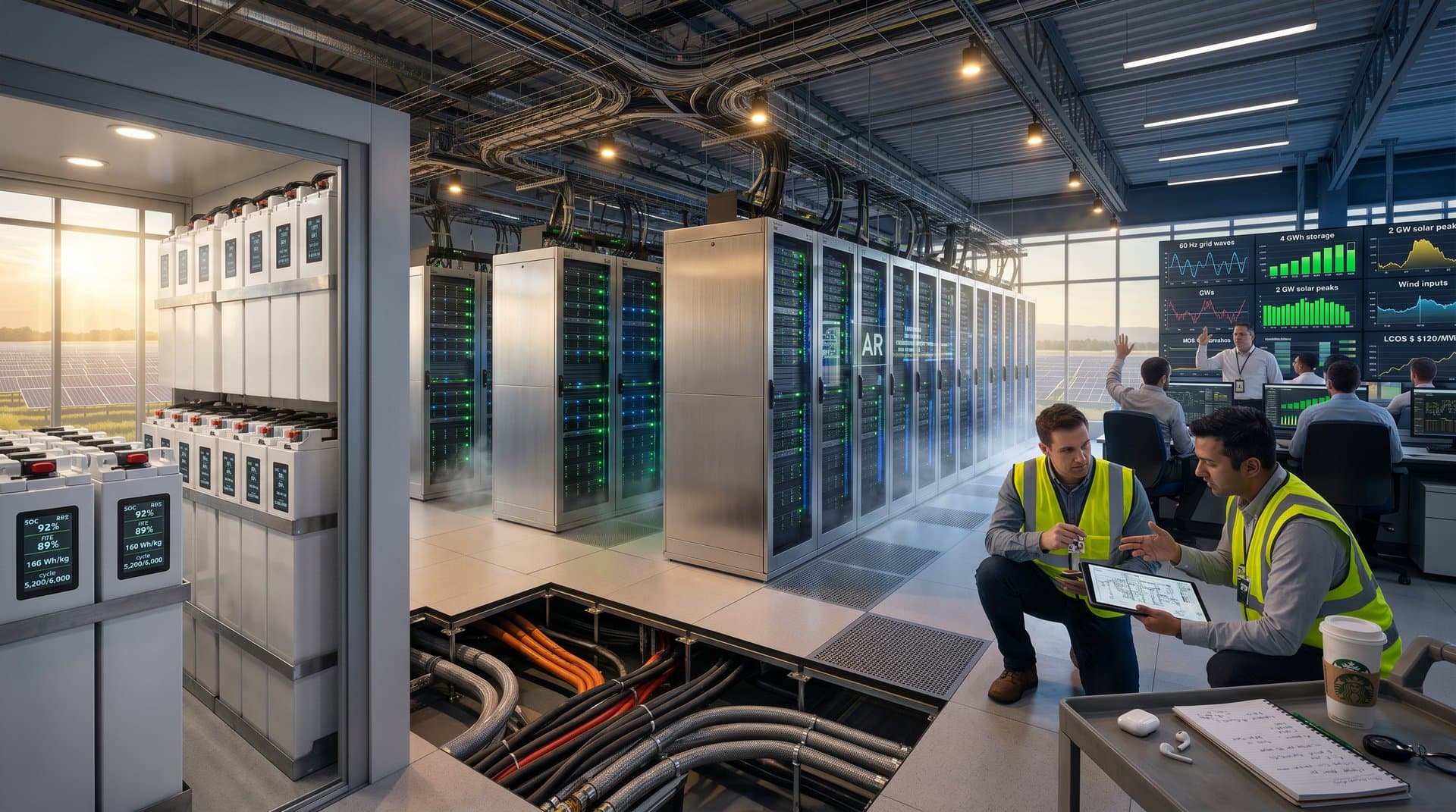
Fluence Energy specs detail LFP batteries at 160 Wh/kg gravimetric density, 400 Wh/L volumetric, 90% retention after 6,000 cycles (IEC 62660-1). NMC reaches 250 Wh/kg but fades at high C-rates. Form Energy's iron-air offers 100-hour duration at USD 20/kWh.
Owned sites spurred 4-hour solar-plus-storage hybrids and LDES commercialization.
Leasing Cuts AI Power Capex
Leasing reduces OpenAI capex by 80%, hyperscalers state. Colocation expands loads without greenfield risks. IEA's Tim Gould forecasts AI driving 10% global electricity growth to 1,000 TWh by 2026.
UPS batteries hit 85% RTE for short bridges. Grid systems require 95% RTE at 0.5C for 4 hours. Dispersed leasing delays GWh-scale orders.
AI compute doubles yearly; leasing avoids USD 100B stranded assets.
Delayed Battery Deployment Timelines
S&P Global Platts analysts estimate 1 GW Stargate needed 4 GWh at 85% RTE for 4-hour autonomy. Leased sites share 100-500 MWh UPS.
Fluence and Tesla Megapack await 100+ MWh AI RFPs. Pilots slip to 2028. Form Energy's TRL 8 stalls sans anchors.
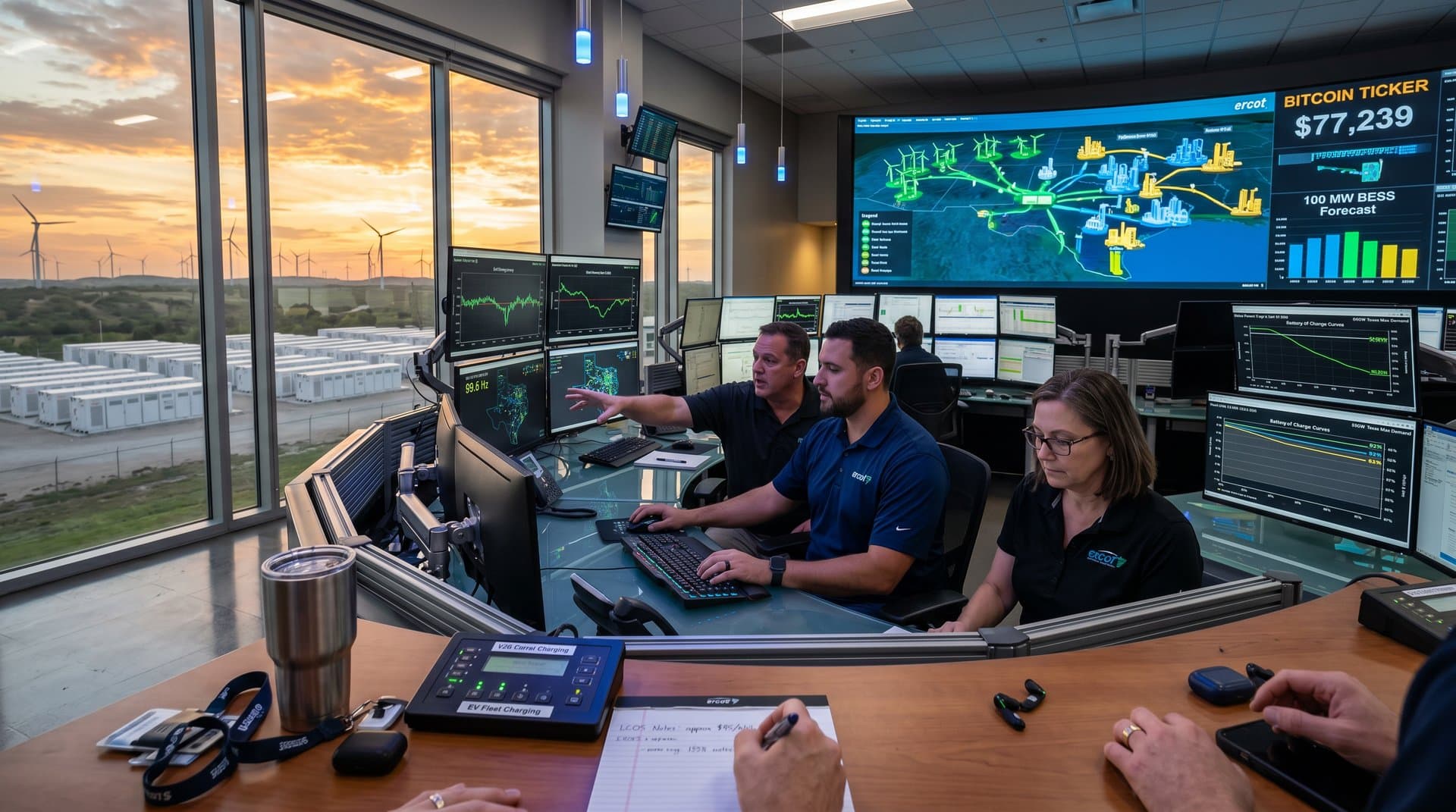
Reuters' Sarah McBride reports data centers target LCOS under USD 150/MWh, favoring LFP at USD 120/MWh.
Chemistry and Supply Chain Impacts
BloombergNEF Q3 2024 pegs LFP at USD 100-150/kWh, 6,000 cycles at 80% DoD, 160 Wh/kg, 400 Wh/L. Sodium-ion nears parity by 2028, slashing lithium by 70%.
EV second-life LFP from Nissan and GM yields 70-80% capacity at USD 50/kWh. Pivot cuts repurposing by 20-30 GWh/year.
Ford-PG&E V2G pilots aggregate 1,000 EVs for 10 MW, but colos favor servers.
- Chemistry: LFP · Wh/kg: 160 · Wh/L: 400 · Cycles (80% DoD): 6,000 · Cost USD/kWh: 100-150
- Chemistry: NMC · Wh/kg: 250 · Wh/L: 650 · Cycles (80% DoD): 2,000 · Cost USD/kWh: 120-180
- Chemistry: Iron-Air · Wh/kg: 30 · Wh/L: 40 · Cycles (80% DoD): 5,000+ · Cost USD/kWh: 20
Market and Financial Projections
NREL 2024 ATB projects lithium-ion LCOS at USD 120/MWh for 1 GWh scale. Invinity flow batteries offer 20-year life, <1% yearly degradation.
Schneider Electric upgrades UPS to 1 MWh LFP modules. Anthropic and xAI lease too, per Reuters.
Exascale AI fills colocation by 2028. GW sites return with LDES, 10 GW nuclear-solar at USD 100/MWh LCOS.
Frequently Asked Questions
What is OpenAI Stargate's pivot to leased compute?
OpenAI dropped $100B owned data centers, opting for partner leasing like Microsoft Azure. Stargate now umbrellas AI infra, per Tom's Hardware.
How does the OpenAI Stargate pivot impact grid-scale batteries?
It delays multi-GWh LDES demand by 2-3 years as leased sites use small UPS, not GW backups.
Why lease compute for OpenAI Stargate?
Leasing cuts 80% capex, scales with AI evolution, avoids stranded assets amid rapid model advances.
Which batteries suit AI megacenters?
LFP at 160 Wh/kg, 6,000 cycles for grid storage; iron-air for 100h LDES at USD 20/kWh.