- $100B OpenAI Stargate pivot uses leased infrastructure.
- Cuts 20-30% demand for new GW-scale grid batteries.
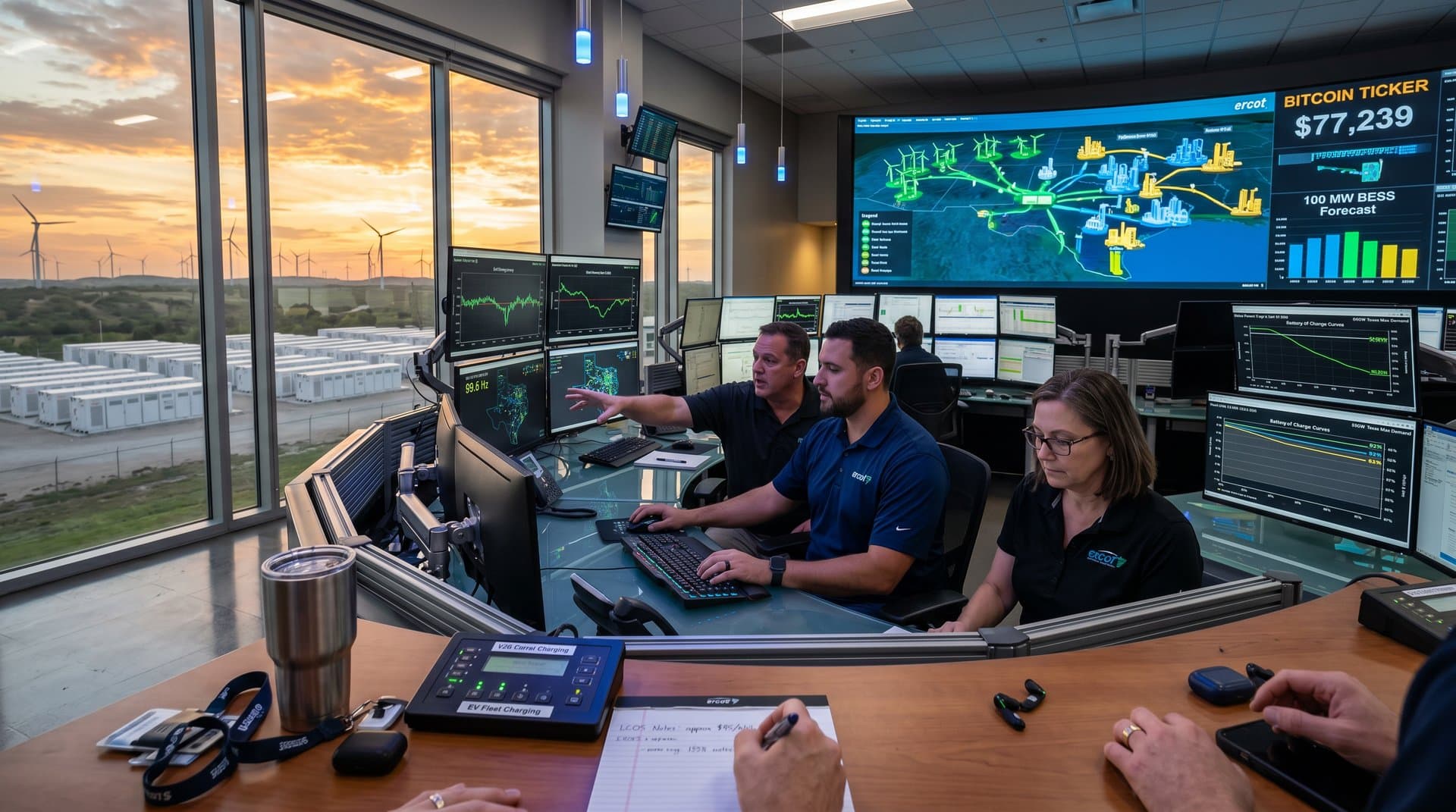
- Boosts second-life EV packs at 70% capacity, $100/kWh LCOS.
OpenAI Stargate Pivot Eases Grid Battery Strain
OpenAI Stargate pivot redefines the $100B project as leased compute capacity from partners like Microsoft and Oracle. This shift cuts demand for new grid-scale batteries by 20-30%, per Wood Mackenzie analyst Alex Spiers. Tom's Hardware reports executives call Stargate an "umbrella" for AI infrastructure.
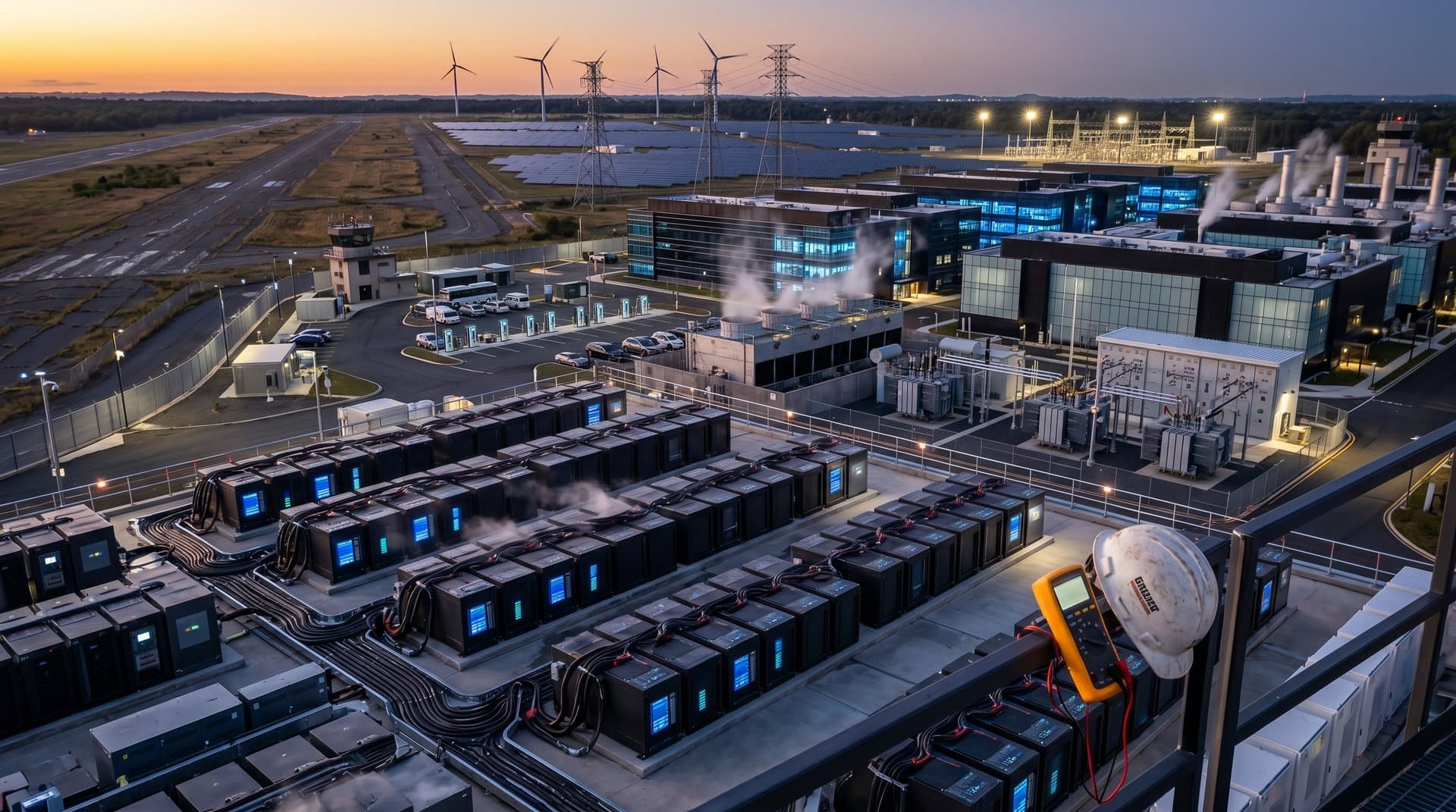
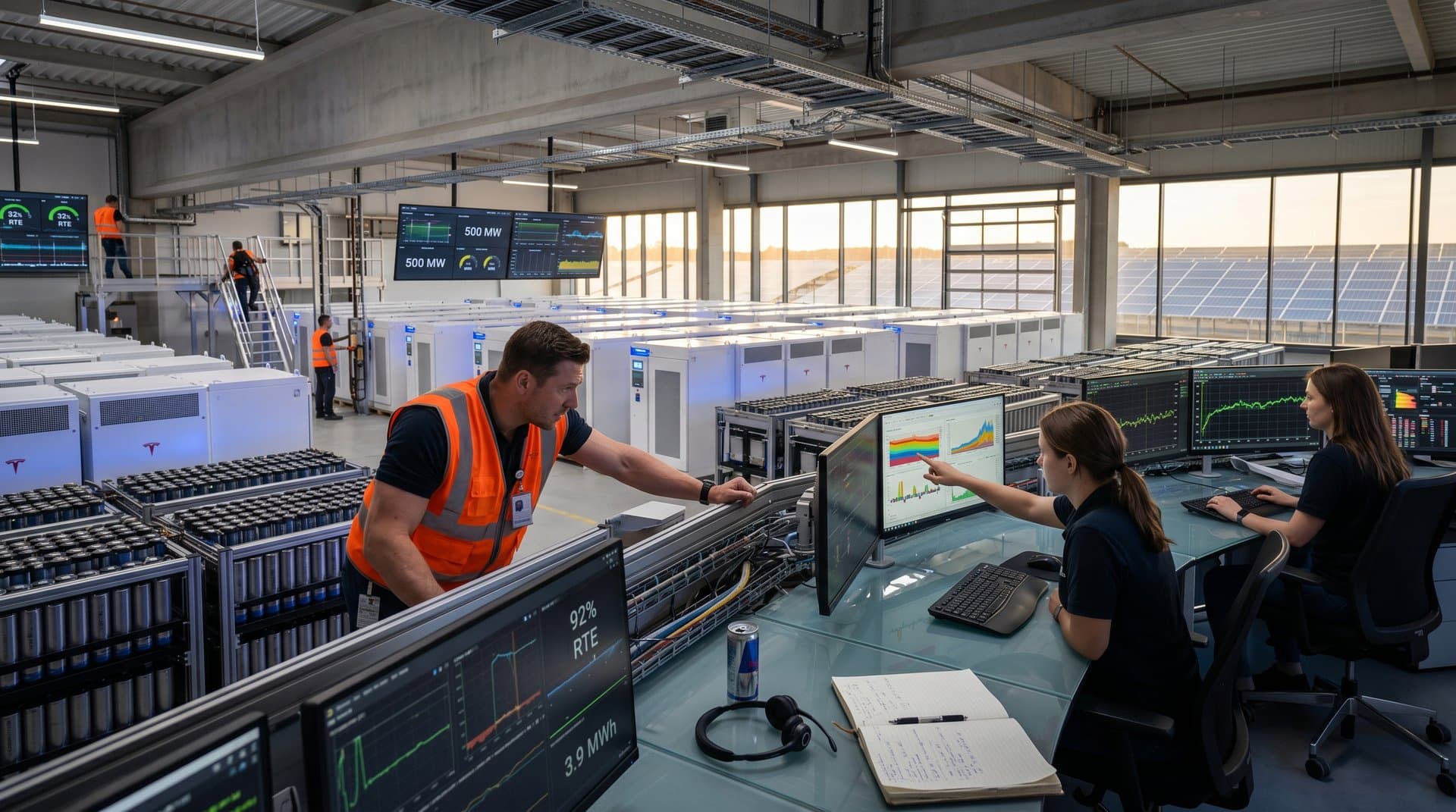
Partners deploy lithium-ion systems at 90-95% round-trip efficiency (RTE) for 0.25C discharge rates under IEC 62619. Tesla Megapacks deliver 3.9 MWh at 4-hour duration and 160 Wh/kg energy density with LFP cells.
Stargate's Original 5 GW Power Requirements
Stargate originally planned a 5 GW supercomputer cluster. Reuters detailed Microsoft talks for this scale in January 2024. Sites needed 8-hour backup at 80% depth of discharge (DoD), demanding 40 GWh lithium-ion capacity.
IEA commentaries project AI data centers matching Netherlands' 2026 energy use at 100 TWh annually. Form Energy's iron-air batteries target 100-hour duration at $50/kWh levelized cost of storage (LCOS), per CEO Tim Hemmingway's 2023 interview. Flow batteries offer 200 cycles at 1C under IEC 62619.
This scale strained lithium supply, projecting 1,000 GWh/year demand. Nickel prices peaked at $20,000/tonne in Q3 2023, per Fastmarkets data. IRA Section 45X credits offset 30% of cathode costs.
Leasing Taps Existing 1 GWh+ Deployments
OpenAI colocates in Azure and Oracle facilities with over 1 GWh storage each. New builds drop 20-30%, estimates BloombergNEF's Logan Goldie. Utilities absorb excess production for 10 GWh grid projects.
Leased storage costs $0.05-0.08/kWh at 92% RTE. Providers optimize 10,000 MWh packs across clients, cutting DoD expenses 40% via software. Hyperscalers achieve 99.999% uptime.
Leasing skips 3-5 year FERC interconnection queues. Existing grids scale in 100 MW steps with 500 MWh adds. Greenfield projects average 24-month delays, per NREL 2024 report.
Second-Life EV Batteries Gain Traction
Second-life EV packs retain 70% capacity after 200,000 miles and 2,000 cycles. Nissan's 2 MWh pilot achieves $100/kWh LCOS. GM plans 5 GWh repurposed packs by 2026, per company filings.
Vehicle-to-grid (V2G) supports 50 kW bidirectional at 95% RTE. Tesla Megapacks use LFP at 6,000 cycles and 160 Wh/kg. IRA Investment Tax Credit (ITC) covers 30-50% for data center integrations.
Manufacturers redirect 10% output to hyperscalers. CATL's sodium-ion pilots reach 150 Wh/kg without lithium, per 2024 specs.
Policy Supports Shared Storage Shift
IRA Section 48 provides 30% credits for storage over 3 hours. Leasing enables 2.5 GW U.S. deployments. FERC Order 2023 halves queue times to 18 months.
EU Directive 2023/1542 requires 70% battery recycling by 2030. Second-life LCOS hits $80/kWh. U.S. states target 10 GW procurement by 2030, per SEIA data.
Market Shifts and Financial Impacts
Microsoft deploys 2 GW Azure capacity with Fluence lithium-ion packs, per Q2 2024 filings. Oracle adds 500 MWh Vanadium flow batteries at 75 Wh/L density.
Fluence reports $1.2B orders in Q2 earnings. LDES firms like Form Energy test 100 MW/10 GWh pilots. LCE prices stabilize at $15,000/tonne, per Benchmark Mineral Intelligence.
Opex leasing reaches 75% of AI compute deals. LCOS falls 15% to $60/kWh average. Grid operators deploy 50 GWh shared assets. OpenAI Stargate pivot accelerates second-life EV packs and utility-scale storage trends.
Frequently Asked Questions
What is the OpenAI Stargate pivot?
OpenAI shifts $100B Stargate from owned data centers to leased compute. It acts as an umbrella for partner infrastructure, cutting capex on GW-scale power.
How does OpenAI Stargate pivot impact grid-scale batteries?
Reduces new demand 20-30% via partners' 1 GWh+ lithium-ion at 90%+ RTE. Frees supply for utilities and second-life applications.
Why lease compute for AI hyperscalers?
Leasing delivers $0.05-0.08/kWh LCOS, skips FERC queues, and optimizes 92% RTE packs. Allows focus on AI models over hardware.
How does it boost second-life EV batteries?
EV packs at 70% capacity post-200k miles offer $100/kWh LCOS. V2G at 95% RTE and IRA credits enable hyperscaler use with 6,000-cycle LFP.