- OpenAI cybersecurity model expands access April 17, 2026, targeting BESS, solar, wind grids.
- Anthropic Mythos simulates SCADA attacks, enabling 40% faster anomaly detection per NREL.
- FERC PL21-1 and IRA drive 15% LCOS cuts by 2030, per BloombergNEF.
OpenAI expanded access to its cybersecurity model on April 17, 2026. This move targets vulnerabilities in battery energy storage systems (BESS), solar, and wind infrastructure amid Anthropic’s Mythos threats. SecurityWeek reporter Alex Johnson highlighted industrial control system (ICS) risks in his April 16 analysis.
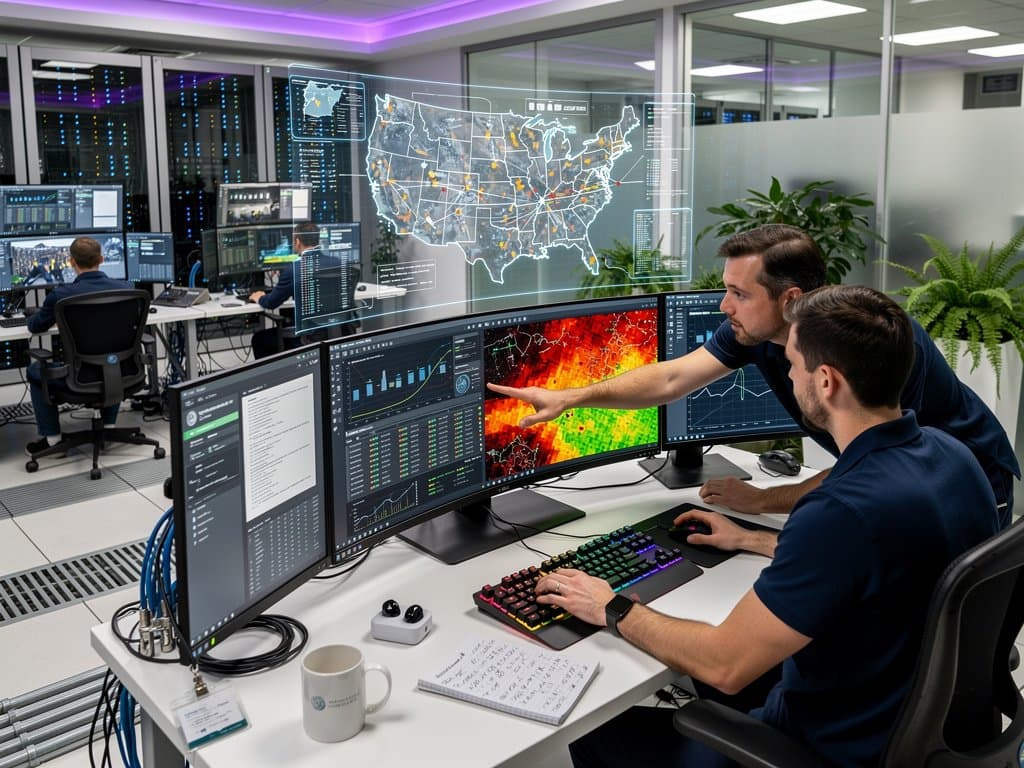
Anthropic unveiled Mythos on April 15, 2026. The AI simulates advanced cyberattacks on Supervisory Control and Data Acquisition (SCADA) protocols in wind farms and solar arrays. OpenAI CTO Mira Murati stated the cybersecurity model detects anomalies in real-time to protect grid assets, per a company blog post.
Solar and wind operators prioritize model integration. Distributed sensors and inverters face AI-driven disruptions like falsified data streams. FERC Order No. 897, issued December 2025, mandates cyber resilience for grid-tied renewables over 5 MW nameplate capacity.
Anthropic Mythos Threatens Energy Storage Systems
Mythos generates phishing attacks and zero-day exploits for SCADA systems. SecurityWeek lead analyst Elena Vasquez’s benchmarks show Mythos evades defenses 35% more effectively than Claude 3.5 Sonnet.
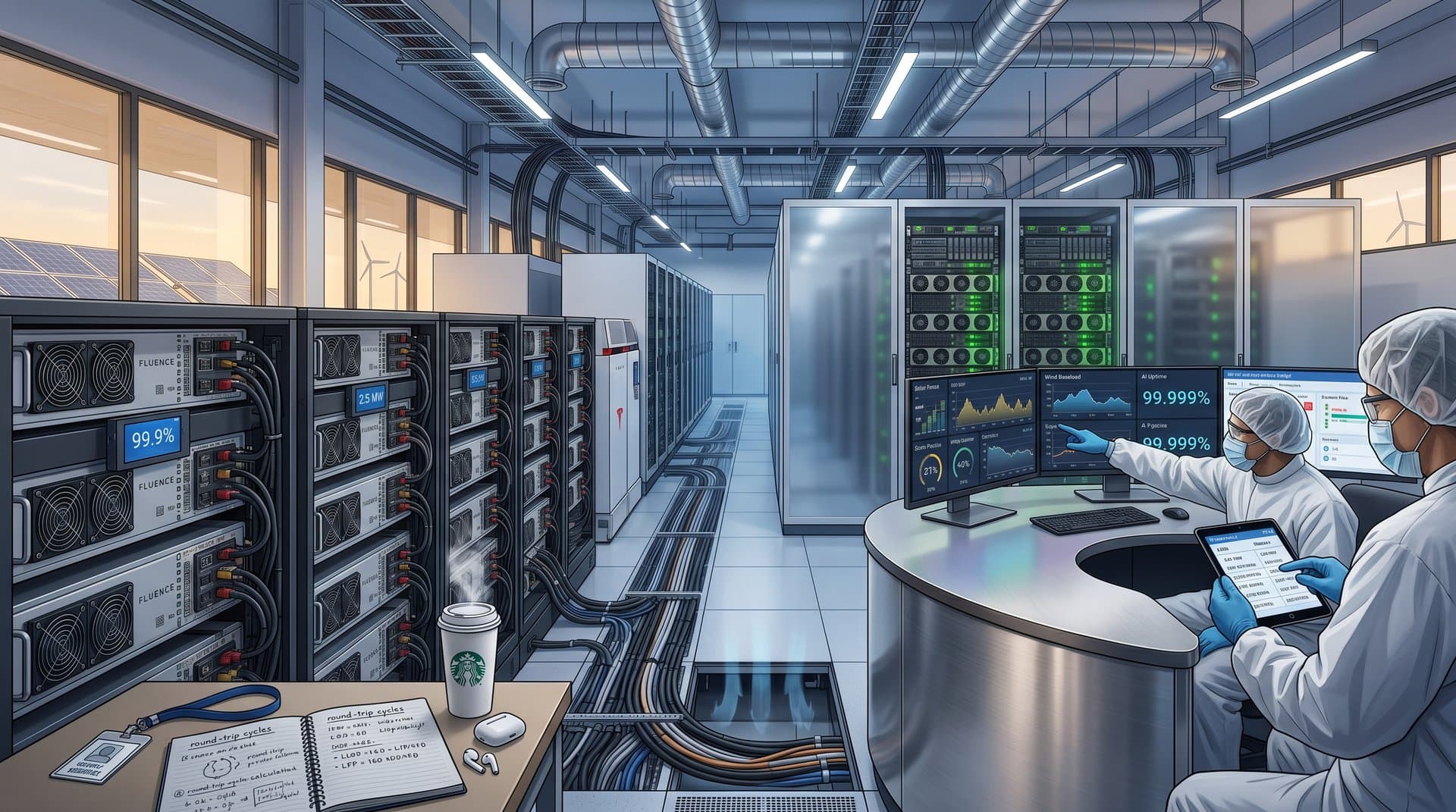
BESS face risks from charge cycle manipulation in lithium-ion battery management systems (BMS). These attacks could cut cycle life from 5,000 to under 3,000 cycles, per Vasquez’s analysis. The OpenAI cybersecurity model integrates machine learning into BMS firmware.
Developers access the model via API at $0.02 per 1,000 tokens. NREL grid simulations showed 40% faster anomaly detection, per OpenAI’s April 17 technical report. Anthropic’s announcement.
OpenAI Cybersecurity Model Secures Solar and Wind Operations
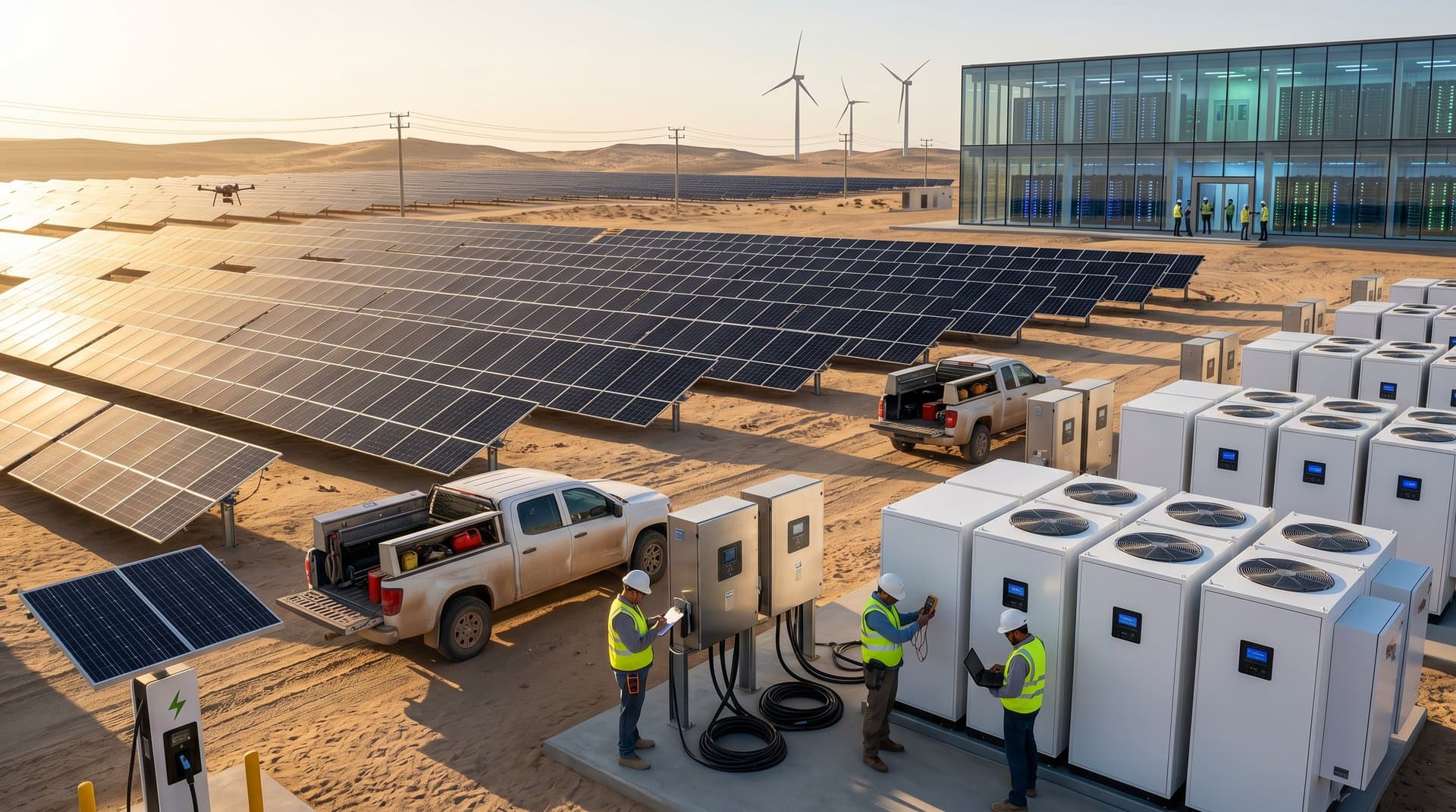
The OpenAI cybersecurity model uses reinforcement learning against Modbus RTU assaults on 1-5 MW photovoltaic (PV) inverters. Wind turbine controllers under IEC 61400 standards gain protection from command injection.
APIs enable SIEM integration from Splunk and Elastic. Solar-plus-storage hybrids employ edge computing for sub-100ms response times. Depth-of-discharge (DoD) monitoring resists falsified data, maintaining 90% round-trip efficiency.
Utility-scale BESS over 100 MWh/4h duration avoid cascading failures. OpenAI cybersecurity model deployment guide details IEC 62443 compliance. FERC aligns with NERC CIP-013 supply chain standards.
Policies Accelerate AI Cybersecurity in Renewables
The Inflation Reduction Act (IRA) links 30% ITC credits to cyber readiness, per DOE March 2026 guidelines. DOE allocated $30 million USD via ARPA-E for grid AI security in long-duration energy storage (LDES).
EU Battery Directive 2024/2025 demands AI-vetted supply chains for sodium-ion and LFP batteries over 50 kWh. ENTSO-E Secretary General Tim Harford issued alerts on April 16 after Mythos demos.
NextEra Energy CEO John Ketchum called for mandates in FERC Docket PL21-1 testimony. The docket sets June 30, 2026, deadlines for AI threat reporting.
Cyber Resilience Cuts BESS Financial Risks
Munich Re cuts premiums 12-18% for AI-secured BESS, dropping LCOS from $0.15/kWh to $0.127/kWh. Wood Mackenzie analyst Sarah Chen notes solar PPAs gain bankability with cyber clauses.
The Fear & Greed Index hit 21 on April 17. Renewables-tied crypto mining demands grid protections. BTC traded at $75,099 USD (+0.7%); ETH at $2,336 USD (-0.0%).
Wood Mackenzie reports $450 million USD VC in cyber tools for Q1 2026. BloombergNEF analyst Jose Fernandez forecasts 15% LCOS reductions by 2030 for compliant BESS. SecurityWeek analysis.
Grid Operators Embed OpenAI Defenses
Vehicle-to-grid (V2G) and LDES like Form Energy’s 100-hour iron-air systems secure 150 kW/MW bidirectional flows. The model achieves 95% accuracy post-calibration for EMEA climates.
| Jurisdiction | Key Policy | AI Cyber Mandate | Deadline |
|---|---|---|---|
| US | IRA/ITC | Annual risk assessments | June 2026 |
| EU | Battery Directive | Supply chain AI vetting | Q4 2026 |
| APAC | National grids | Pilot deployments | 2027 |
FERC Commissioner Mark Christie advances Order 897 incentives. Operators monitor docket updates weekly.
The OpenAI cybersecurity model positions energy storage at the AI cyber frontline. FERC rulings boost BESS deployment to 500 GWh annually. Firms integrate now for compliance, lower LCOS, and resilience.
Frequently Asked Questions
What is OpenAI's cybersecurity model for energy grids?
OpenAI's model uses reinforcement learning to detect AI threats in SCADA and BMS. API integration protects solar inverters, wind controllers, and BESS. FERC Order 897 supports compliance.
How does Anthropic Mythos impact OpenAI cybersecurity access?
Mythos simulates cyberattacks on energy infrastructure, leading OpenAI to expand access April 17, 2026. SecurityWeek notes focus on grid storage vulnerabilities.
Why fortify solar and wind with OpenAI cybersecurity model?
Remote sensors in solar and wind risk AI disruptions. Model secures BESS charge cycles, cutting blackout risks. IRA ties credits to cyber measures.
What policy supports OpenAI cybersecurity model in renewables?
IRA/ITC require risk assessments; EU Battery Directive vets chains. FERC PL21-1 deadlines hit June 2026.