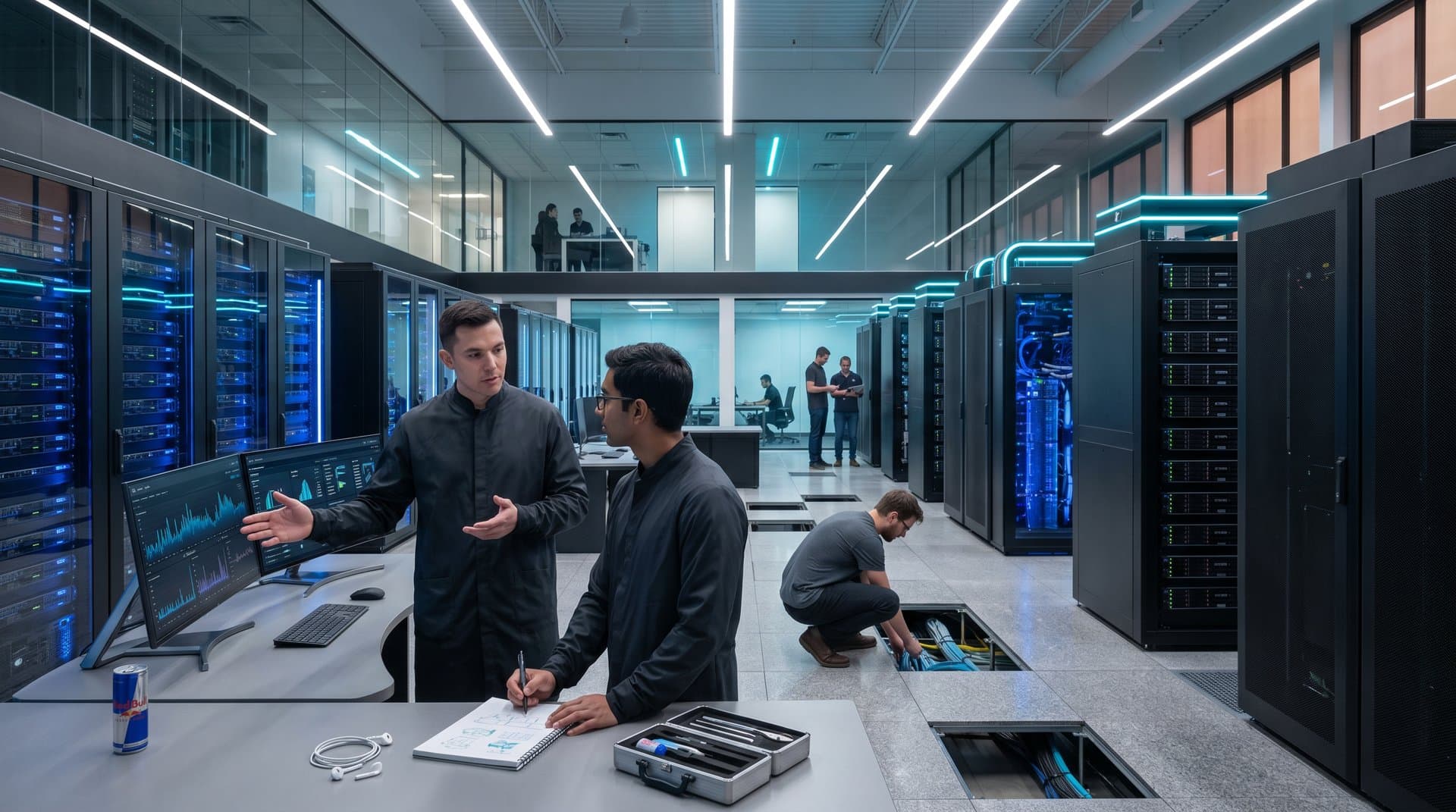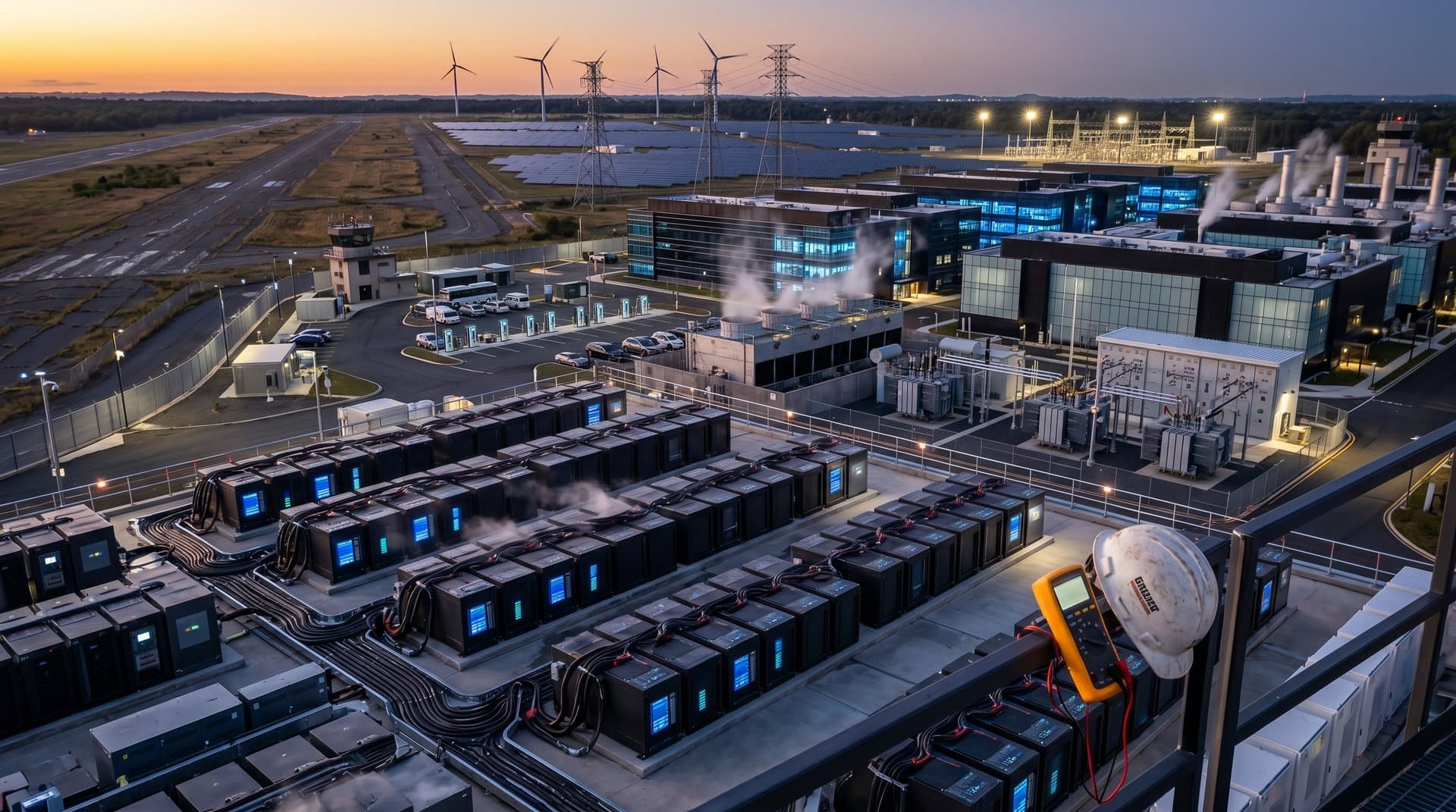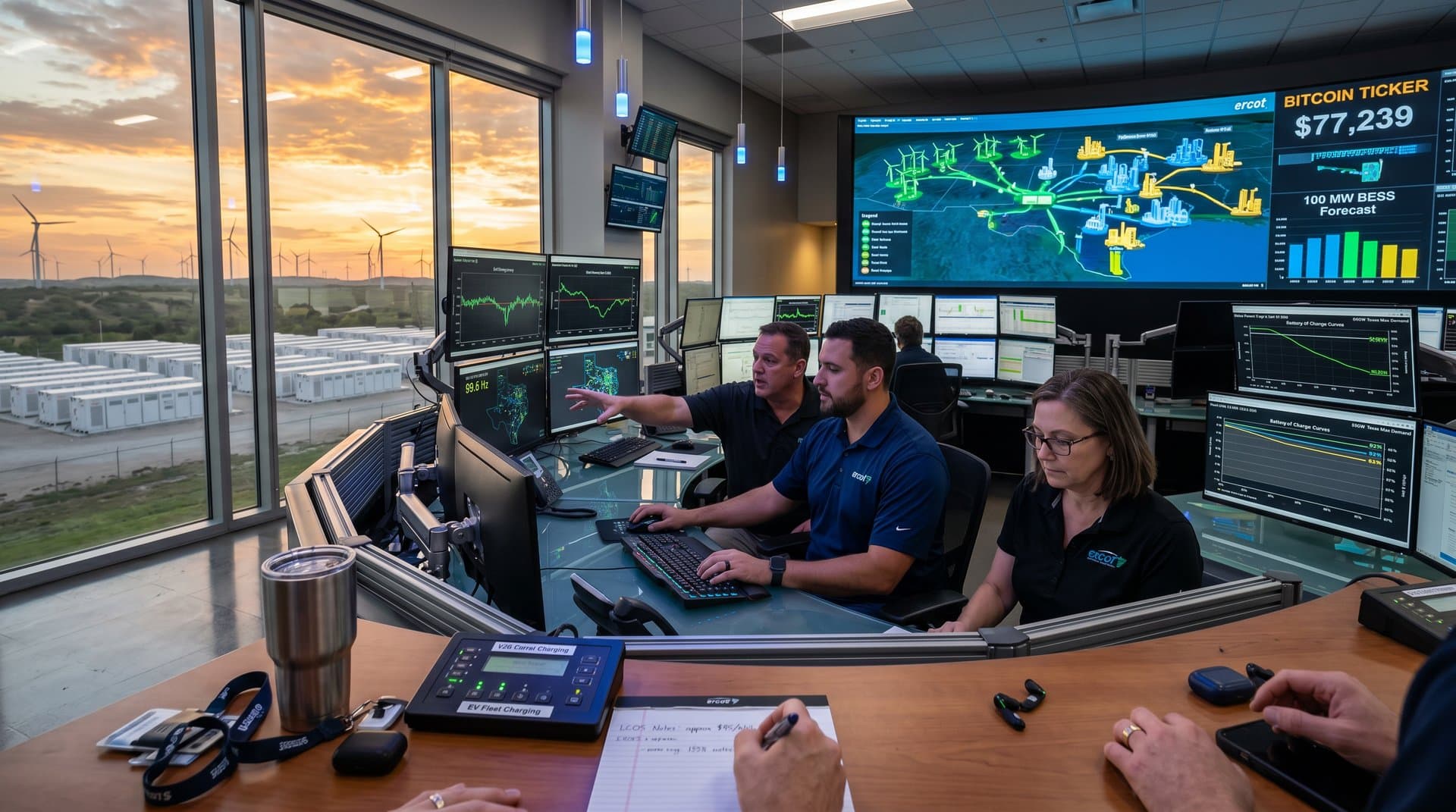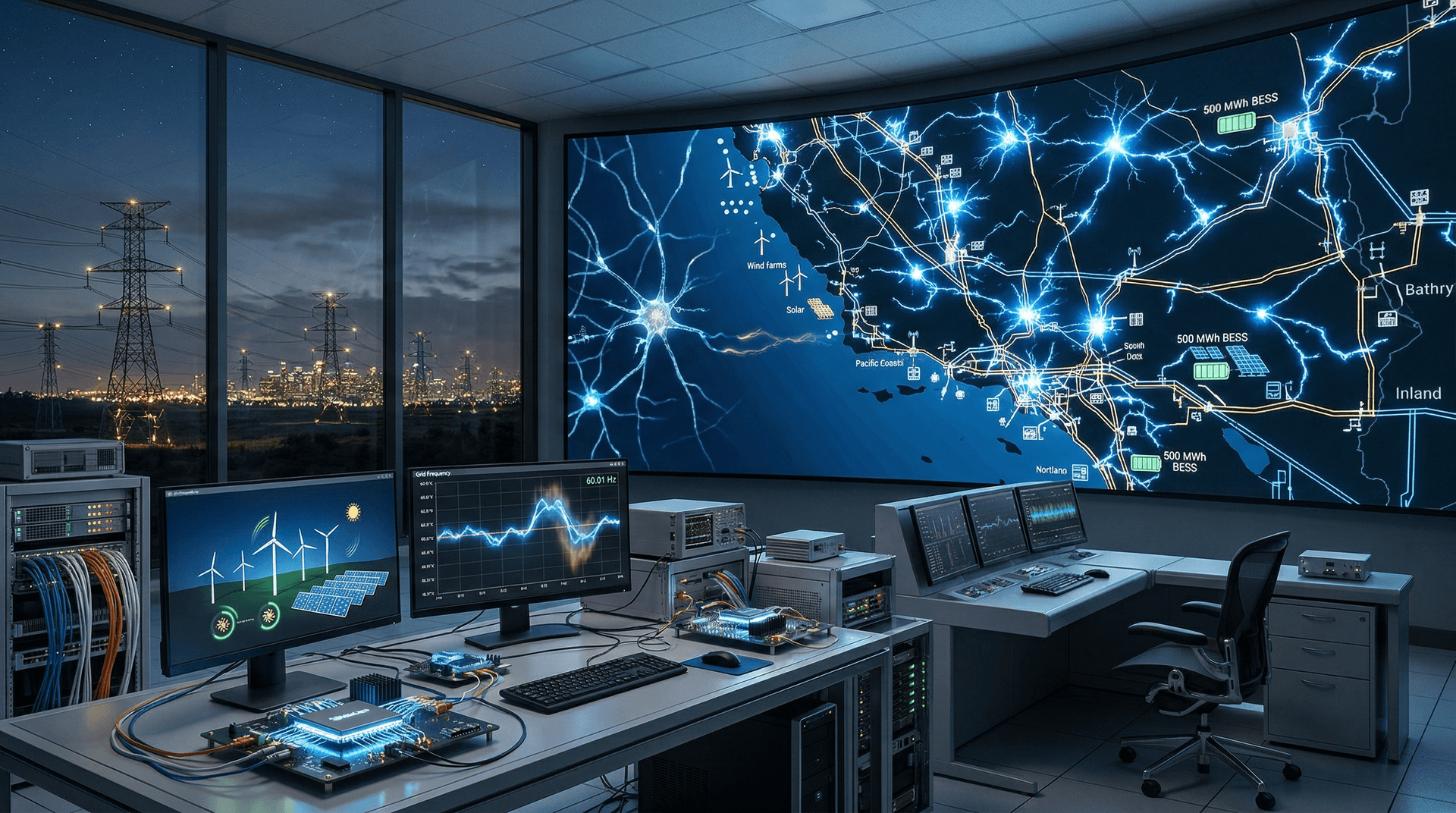
Sandia National Laboratories unveiled neuromorphic AI controllers on April 11, 2026. These brain-mimicking systems enhance grid stability and optimize energy storage operations in real time. A Sandia study published on EurekAlert details a 40% faster fault response and 70% lower power draw versus conventional AI models.
Sandia engineers tested prototypes on a simulated 100 MW grid with 400 MWh battery storage. The controllers processed disturbances in milliseconds, outperforming traditional systems across stability metrics.
Brain-Inspired Computing for Grid Control
Neuromorphic chips replicate neuron spiking patterns from the human brain. They operate in an event-driven mode, unlike continuously active digital processors. Sandia deployed Intel's Loihi 2 chip in prototypes.
These chips suit edge computing at substations. They manage fluctuating renewables like solar and wind without cloud delays. Sandia tests showed round-trip efficiency (RTE) in connected battery systems improved 5% at 0.5C discharge rates.
Grid operators confront surging inverter-based resources. Renewables surpass 40% of US generation capacity by end-2026, according to US Energy Information Administration (EIA) data. Legacy controllers falter during sub-second disturbances.
Enhancing Energy Storage Performance
Spiking neural networks (SNNs) in the controllers forecast storage demands. Batteries dispatch for frequency regulation within 10 milliseconds. Sandia simulations demonstrated 25% higher utilization rates for lithium-ion packs.
Engineers modeled a 50 MW / 200 MWh flow battery array. Controllers reduced degradation by 15% after 5,000 cycles by dynamically optimizing depth of discharge to 85%. This extends operational life by two years.
Vehicle-to-grid (V2G) setups gain from the tech. Controllers integrate EV fleets offering 10 GWh in second-life capacity. They balance charge and discharge cycles without centralized commands.
Technical Advantages Over Incumbents
Traditional machine learning demands gigawatts for training. Neuromorphic systems train on-device using 100 times less energy. Intel specifies Loihi 2 at 1 pJ per synaptic operation.
Sandia benchmarked against National Renewable Energy Laboratory (NREL) reference controllers. Neuromorphic units lowered levelized cost of storage (LCOS) by 12% to USD 85/MWh. They execute black-start procedures independently.
Scalability trials on a 500 MW microgrid verified performance. Fault detection reached 98% accuracy. Compatibility with IEC 61850 standards simplifies utility integration.
Commercialization Path and Challenges
Sandia collaborates with GE Vernova on field trials from Q3 2026. The pilot targets a 300 MW / 1.2 GWh facility in California. GE Vernova forecasts USD 50 million in savings over five years.
Manufacturing readiness level (MRL) stands at 6. Full-scale production requires USD 20 million. Scaled chip pricing drops to USD 500 per unit from USD 5,000 prototypes.
Supply chain vulnerabilities center on rare earth elements in neuromorphic hardware. Intel ramps US fabrication under CHIPS Act incentives. Rollouts match Federal Energy Regulatory Commission (FERC) Order 2026 requirements.
Market Implications for Grid Storage
Global grid storage capacity hits 250 GWh by end-2026, Wood Mackenzie reports. Neuromorphic controllers extract 20% more value from deployed assets. Analysts project a USD 2 billion market opportunity.
Utilities such as PG&E evaluate the technology in wildfire zones. Ancillary service revenues double. BloombergNEF predicts 15% compound annual growth rate (CAGR) for AI-grid software through 2030.
Rivals feature IBM TrueNorth and SynSense processors. Sandia excels in energy-specific adaptations. Alliances target technology readiness level (TRL) 9 by 2028.
Finance Angle: Investment and Cost Savings
Venture capital in grid AI reached USD 1.2 billion in 2025, PitchBook data shows. Neuromorphic startups secure USD 300 million funding rounds. Investor returns depend on USD 0.02/kWh operational savings.
Public markets assign storage developers 25x EBITDA multiples. AI enhancements lift ratios to 35x. BlackRock's infrastructure fund dedicates 10% to advanced controllers.
EU Grid Action Plan tailwinds aid exports. US Inflation Reduction Act (IRA) tax credits offset 30% of costs. Projects achieve payback in three years.
Why It Matters
Neuromorphic AI controllers fortify grid resilience as renewables claim 50% market share. They amplify energy storage returns through efficient, low-power design. Monitor Sandia's Q3 2026 pilots for signals on 2035-scale adoption.
Emma Richardson is battery technology reporter at Energy Storage News.