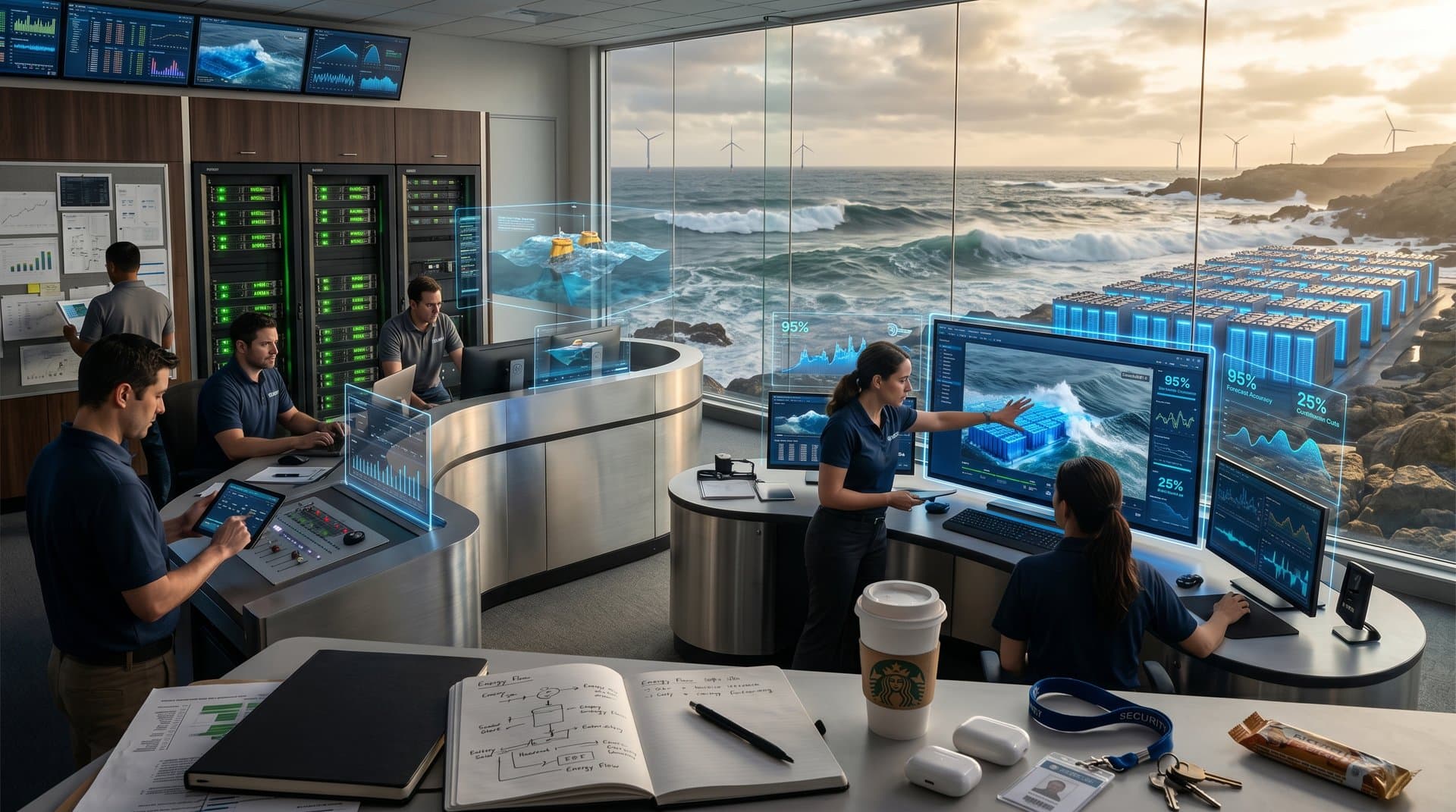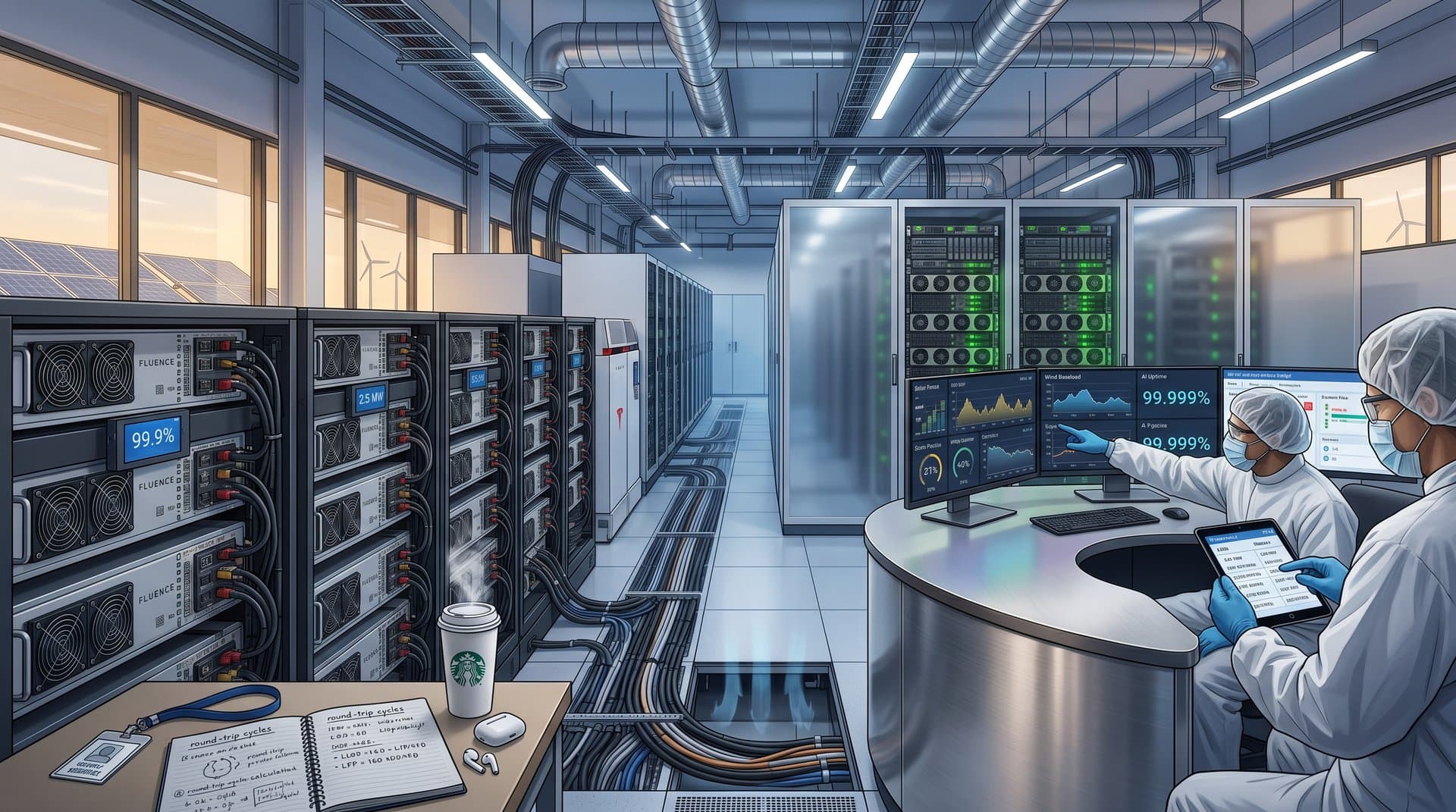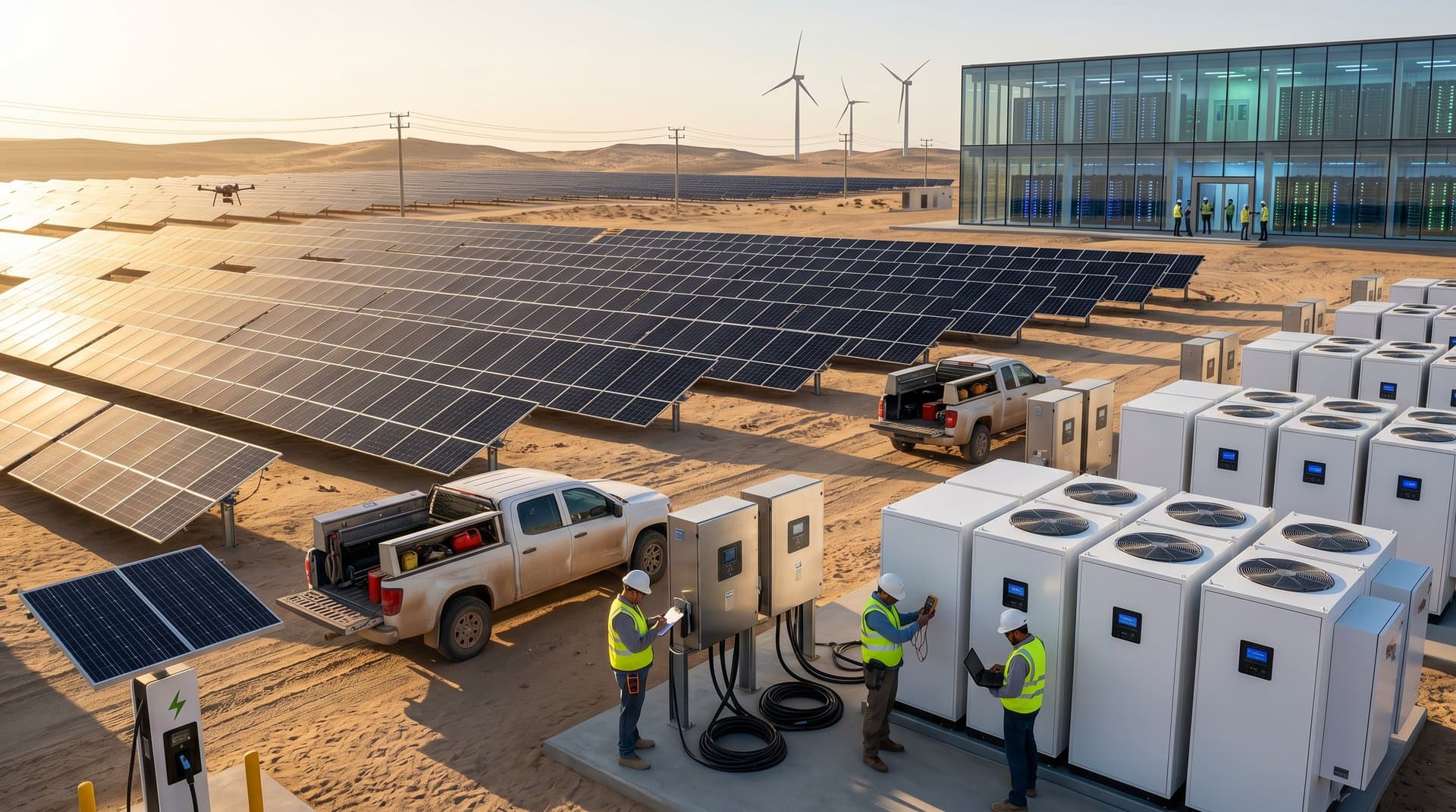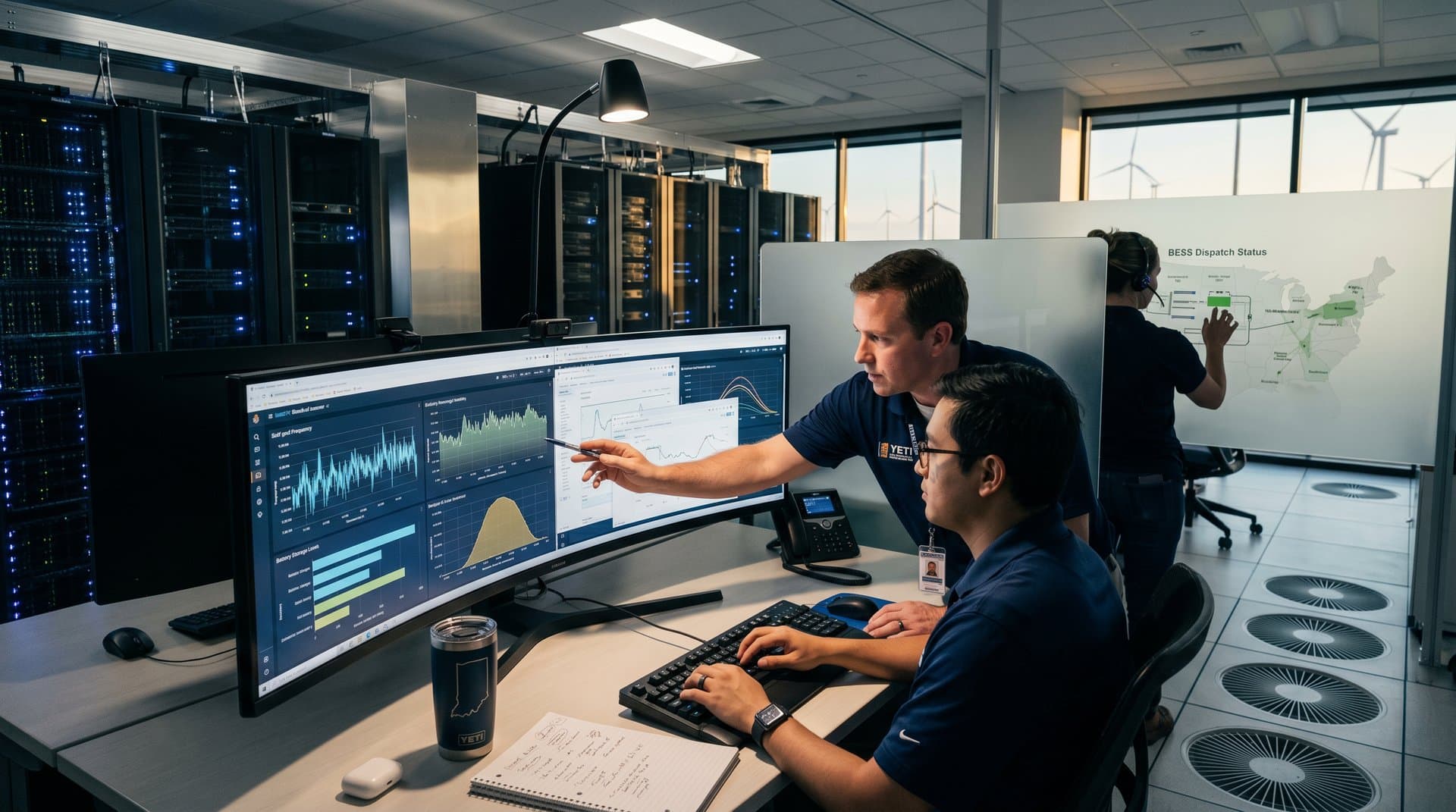
- Data centers project 390-536 TWh power demand by 2028 (Bloomberg/Deutsche Bank).
- Solar-plus-BESS hybrids cut curtailment 50-70% and LCOS to USD 142/MWh (Lazard).
- Lithium-ion BESS hit 85-92% efficiency over 6,000 cycles (NREL).
Indiana Senator Mike Braun launched the Indiana AI business portal on October 17, 2024. It streamlines permitting for data centers projecting 390-536 TWh annual power demand by 2028, per Bloomberg citing Deutsche Bank analysts. The portal boosts battery energy storage systems (BESS) paired with solar and wind (Indiana Capital Chronicle).
Indiana AI Portal Streamlines Data Center Approvals
The portal offers one-stop access to site selection, tax credits, utility data, and zoning. Indiana's energy costs average USD 0.05-0.07/kWh, per U.S. Energy Information Administration (EIA, 2024). Its central location aids logistics. Renewables lead new capacity, with solar farms and wind projects co-locating BESS for firm power purchase agreements (PPAs). FERC Order 1920 mandates 20-year transmission planning, favoring hybrid resources.
Data Centers Demand Firm Power from Renewables
Solar peaks midday, while wind varies by weather. Data centers require 24/7 MW-scale baseload. BESS inverters convert DC solar to AC grid power. They store excess daytime energy and discharge evenings. Reuters reports grid operators plan over USD 10 billion in BESS for AI loads. Lithium-ion BESS deliver 85-92% round-trip efficiency at 0.25C rates, per National Renewable Energy Laboratory (NREL Annual Technology Baseline, 2024). They handle 90% depth of discharge over 6,000 cycles.
Solar-Plus-BESS Hybrids Cut Levelized Costs
Solar-plus-BESS hybrids beat fossil peakers on levelized cost of storage (LCOS). Four-hour BESS LCOS dropped to USD 142-175/MWh (Lazard's Levelized Cost of Storage v6.0, 2024). Hybrids slash curtailment 50-70%, per NREL. They enable peak arbitrage via time-shifting. Grid-scale NMC and LFP packs reach 150-200 Wh/kg energy density and 200-250 Wh/L volumetric density.
BESS Aggregates Form Virtual Power Plants
BESS form virtual power plants (VPPs) blending utility-scale and behind-the-meter assets. Google installed 100 MWh solar-plus-storage at Nevada data centers (Google Sustainability Report, 2024). Texas wind farms add 200 MW BESS to cut curtailment. Indiana queues prioritize hybrids, shortening timelines from 5 to 2-3 years. Long-duration energy storage (LDES) aims for 10+ hours at USD 100/MWh LCOS by 2030 (DOE Long Duration Storage Shot, 2024).
Grid Impacts of Indiana Data Center Growth
AI shifts peaks to evenings. Midwest nocturnal winds complement solar. BESS arbitrage benefits from FERC Order 2023 hybrid rules. Invenergy's 228 MW Messenger Creek wind-plus-storage achieves 95% capacity factor, reducing curtailment 70% (Invenergy, 2024). Indiana utilities like NIPSCO set storage tariffs at USD 20-30/kW-month.
BESS Supply Chain Faces Scaling Hurdles
Lithium-ion cathode prices fluctuate USD 15-25/kg for NMC (Fastmarkets, Q3 2024). IRA tax credits provide USD 45/kWh for U.S. packs. Sodium-ion offers 160 Wh/kg without cobalt at lower cost (CATL benchmarks, 2024). Iron-air pilots target 100-hour duration with 20% efficiency (Form Energy trials). U.S. gigafactory capacity reaches 500 GWh/year by 2028 (DOE estimates).
National Push for Renewable-Storage Hybrids
Indiana aligns with California and Texas. Meta secured 1 GW hybrid PPAs (Meta, 2024). Amazon buys wind-plus-BESS. Policies scale deployments. Storage averts blackouts in 60%+ renewable grids (NERC Reliability Assessment, 2024).
Indiana AI Portal Outlook
The Indiana AI business portal fast-tracks data centers and BESS-firmed renewables. Declining LCOS and IRA incentives propel 50 GW solar-plus-storage nationwide by 2030 (BloombergNEF).
Frequently Asked Questions
What is Indiana's AI business portal?
The portal streamlines site selection, permitting, and incentives for AI companies building data centers. Senator Braun launched it to boost economic growth. It connects firms to grid and renewable resources.
How does battery storage stabilize grids for data centers using solar and wind?
BESS stores excess solar midday production and wind surplus for evening peaks. Round-trip efficiency tops 85%. This firms intermittent renewables into 24/7 supply.
Why does the Indiana AI business portal increase battery storage demand?
Data centers require constant power amid 390-536 TWh demand growth by 2028. Renewables need storage to avoid curtailment. Hybrids lower costs and enhance reliability.
What renewable integration challenges do AI data centers face?
Solar and wind output varies, mismatched to data center baseload needs. Storage bridges gaps via dispatch. Pilots show 95% hybrid availability.