By Emma Richardson April 11, 2026
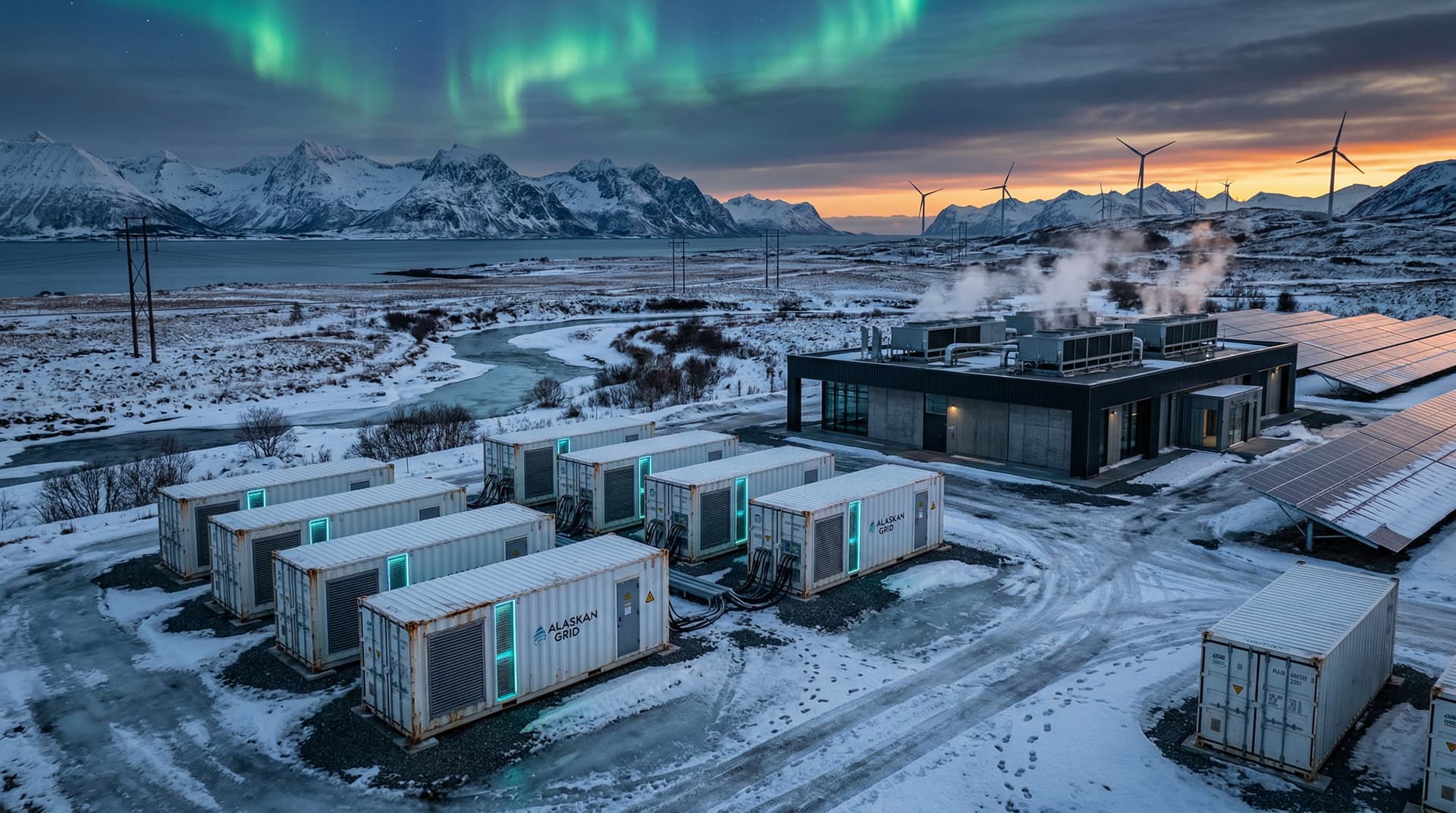
Grid storage demand surges as the Department of the Air Force announces AI data centers in Alaska on April 11, 2026. Facilities target defense high-performance computing amid remote grid challenges. Air Force planners cite grid storage as essential for power reliability.
Alaska's isolated grids face AI peak demands exceeding 100 MW per site. Diesel generators cannot sustain continuous operation. BloombergNEF forecasts 1 GW grid storage deployment by 2030.
Remote Grids Challenge AI Power Needs
AI data centers demand stable 24/7 power, unlike variable renewables. Alaska relies on hydro and wind with seasonal fluctuations. The U.S. Department of Energy (DOE) March 2026 report shows 40% winter peak shortfalls.
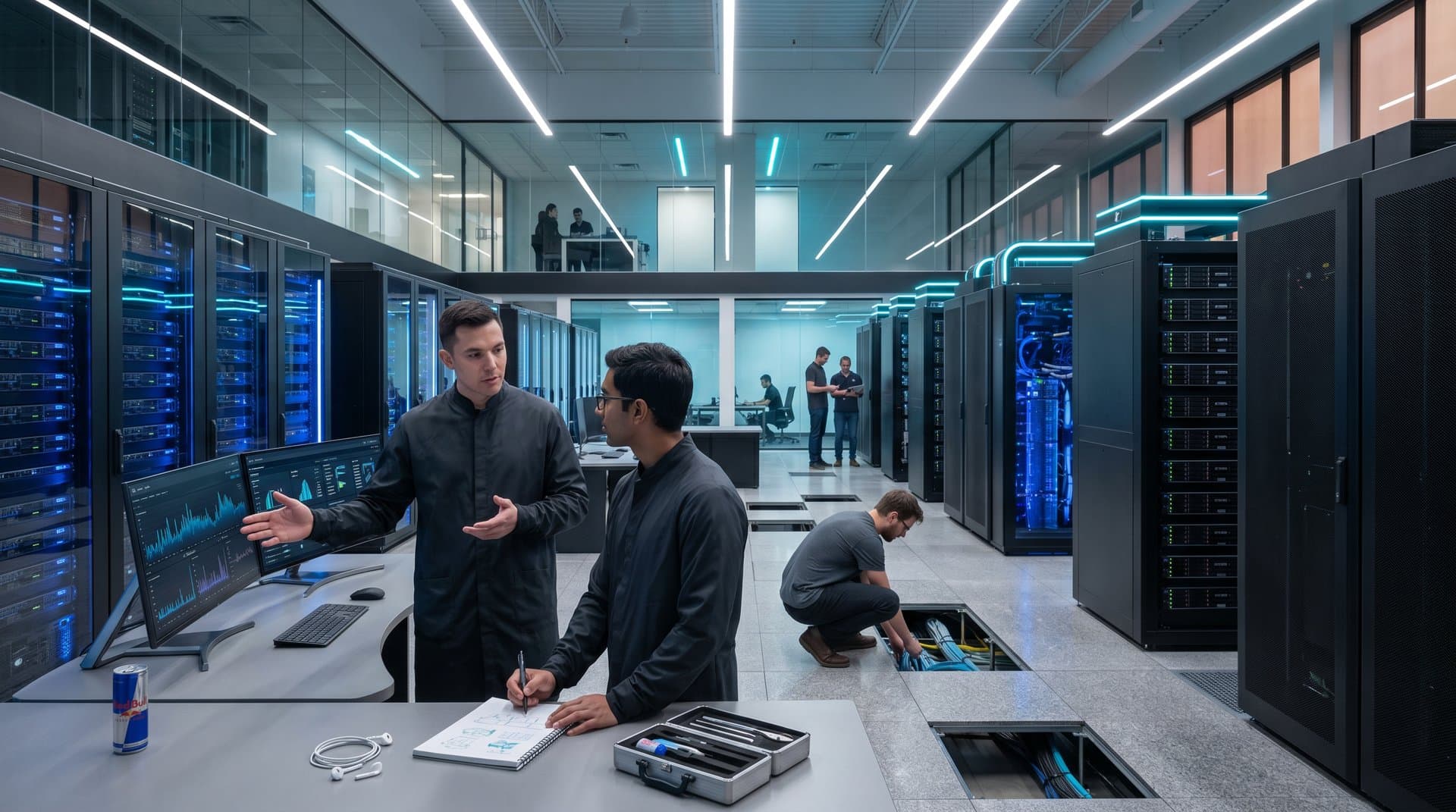
Data centers consume 50-100 kWh per server rack hourly, per International Energy Agency (IEA) data. Cold weather boosts efficiencies at Alaskan sites, but thin transmission lines strain under these loads. Grid storage buffers peaks and prevents blackouts.
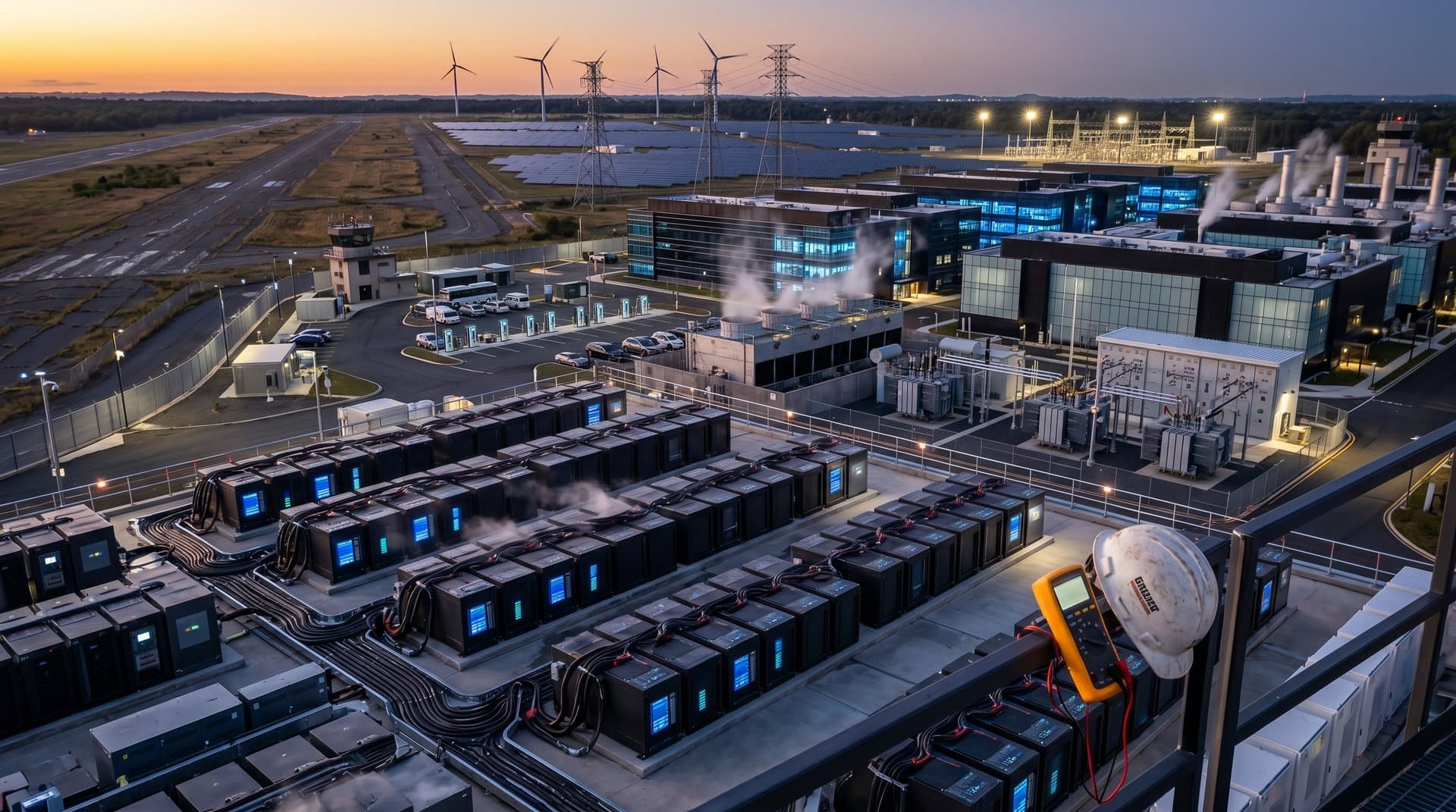
Military bases deploy 50 MW lithium-ion storage via Tesla Megapacks, per DAF filings. The announcement extends this approach to contractor data centers under Air Force oversight. Contracts prioritize U.S.-sourced solutions amid supply chain constraints.
Long-Duration Grid Storage Technologies Lead
Flow batteries and iron-air systems outperform short-duration lithium-ion for Alaska. Form Energy's iron-air batteries deliver 100-hour discharge at 150 Wh/kg and 250 Wh/L, validated in 2025 Pacific Northwest National Laboratory (PNNL) pilots.
These batteries achieve 85% round-trip efficiency over 5,000 cycles, per PNNL tests at 0.5C discharge. Wood Mackenzie projects costs at USD 50/kWh by 2028, down from USD 200/kWh today. Cold climates reduce iron-air degradation by 20%.
ESS Inc. deploys 20 MWh iron-flow batteries in Hawaii trials. DAF assesses them for 200 MW/40 GWh Alaskan sites. Local utilities hybridize wind with grid storage.
Battery Chemistries Compared for AI Loads
Lithium-iron-phosphate (LFP) delivers 200-250 Wh/kg and 400-500 Wh/L for four-hour duration. Supercapacitors pair with LFP for AI peaks. CATL's 2026 LFP cells reach 300 Wh/kg and 750 Wh/L at 90% depth of discharge, per UL 9540A certification.
QuantumScape solid-state batteries target 400 Wh/kg and 800 Wh/L, pre-commercial. Company filings project 10 GWh annual output by late 2026. Pouch cells improve thermal control in sub-zero conditions.
Faradion sodium-ion batteries project USD 40/kWh costs with -20°C tolerance. Natron Energy pilots 5 MW units under DOD contracts, achieving 4,000 cycles at 80% capacity retention.
Financing Fuels Grid Storage Expansion
DAF commits USD 500 million from the 2026 NDAA for infrastructure. PitchBook tracks USD 2 billion private investment in AI-energy storage. Levelized cost of storage (LCOS) falls 8-10% annually via arbitrage.
IEA reports global grid storage at 45 GW in 2025, with AI adding 15 GW annually to 2030. North America leads; Alaska premiums boost internal rates of return (IRRs) to 12% for long-duration energy storage (LDES).
S&P Global notes USD 4.2 billion venture funding for storage startups in Q1 2026. U.S. lithium from Nevada and iron from domestic mines secure supply chains. Cobalt-free options align with DOD rules.
Deployment Timelines and Grid Integration
Tesla plans 100 GWh Megapack deliveries by 2028 for virtual power plants. Fluence bids 500 MWh turnkey systems. Iron-air manufacturing readiness level (MRL) reaches 7.
FERC Order 2023 delays transmission; Alaska's Railbelt requires 500 km lines at USD 1.5 million/km. DOE models show grid storage defers 30% of upgrades.
Cycle lives exceed 10,000 for 20-year duty. General Atomics tests 50 MW electromagnetic storage. Ambri liquid metal batteries target 1,000-hour duration at USD 35/kWh.
Partnerships Shape Competitive Field
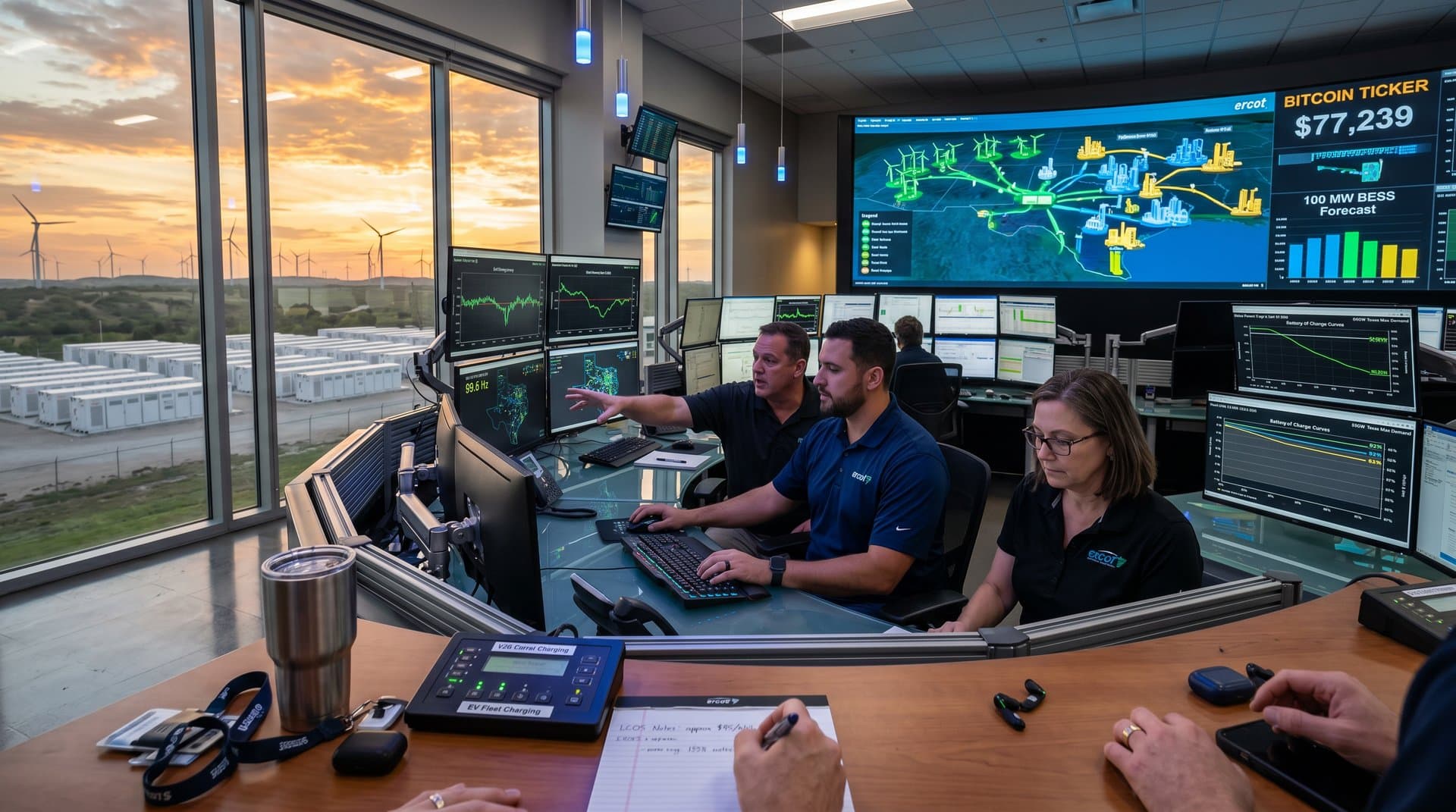
Alaska Battery Storage LLC teams with Form Energy on 100 MW projects. Chugach Electric adds 200 MWh battery energy storage systems (BESS) to hydro. Vehicle-to-grid from EVs contributes 50 MW.
CATL builds U.S. LFP factories post-IRA; IRA domestic content rules limit imports to 20%. Pack costs decline to USD 45/kWh.
Alaskan AI data centers unlock a USD 5 billion grid storage market by 2030, per BloombergNEF. DAF drives LDES commercialization for remote grid stability. First 100 MW contracts emerge in Q3 2026.