Grid storage demand surges as IRENA's April 12, 2026, report confirms seven countries generated 100% of their electricity from renewables over the past year, averaging 102% output.
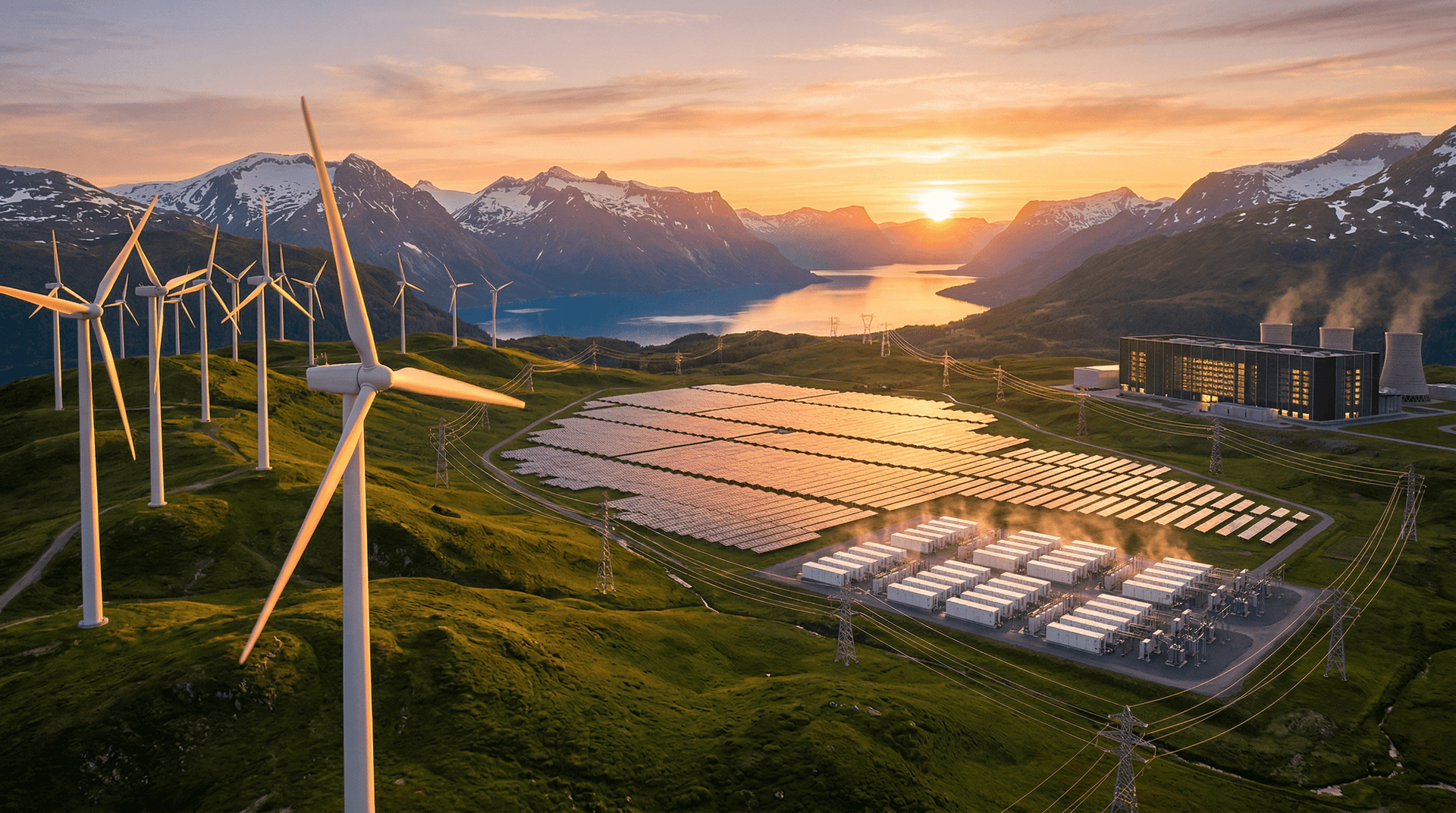
Iceland, Norway, Paraguay, Albania, Bhutan, Uruguay, and Costa Rica lead. Hydro powers most grids. Uruguay and Costa Rica incorporate wind and solar; Iceland combines geothermal with hydro. Paraguay produced 5 TWh excess renewables, IRENA data shows. Grid storage captures these surpluses to balance intermittency.
Renewables Intermittency Drives Grid Storage Needs
Solar peaks midday; wind varies hourly. Grid storage provides baseload stability. Lithium iron phosphate (LFP) batteries dominate utility projects, offering 4-hour discharge, 90% round-trip efficiency (RTE), 4,000+ cycles at 80% depth-of-discharge (CATL data), 160 Wh/kg, and 400 Wh/L energy density (pack level).
LFP pack costs fell to USD 132/kWh in 2025, BloombergNEF reports. Long-duration energy storage (LDES) targets 8-24 hours. Form Energy's iron-air batteries deliver 100-hour discharge at 85% RTE and USD 20/kWh levelized cost of storage (LCOS) in US pilots (company specs).
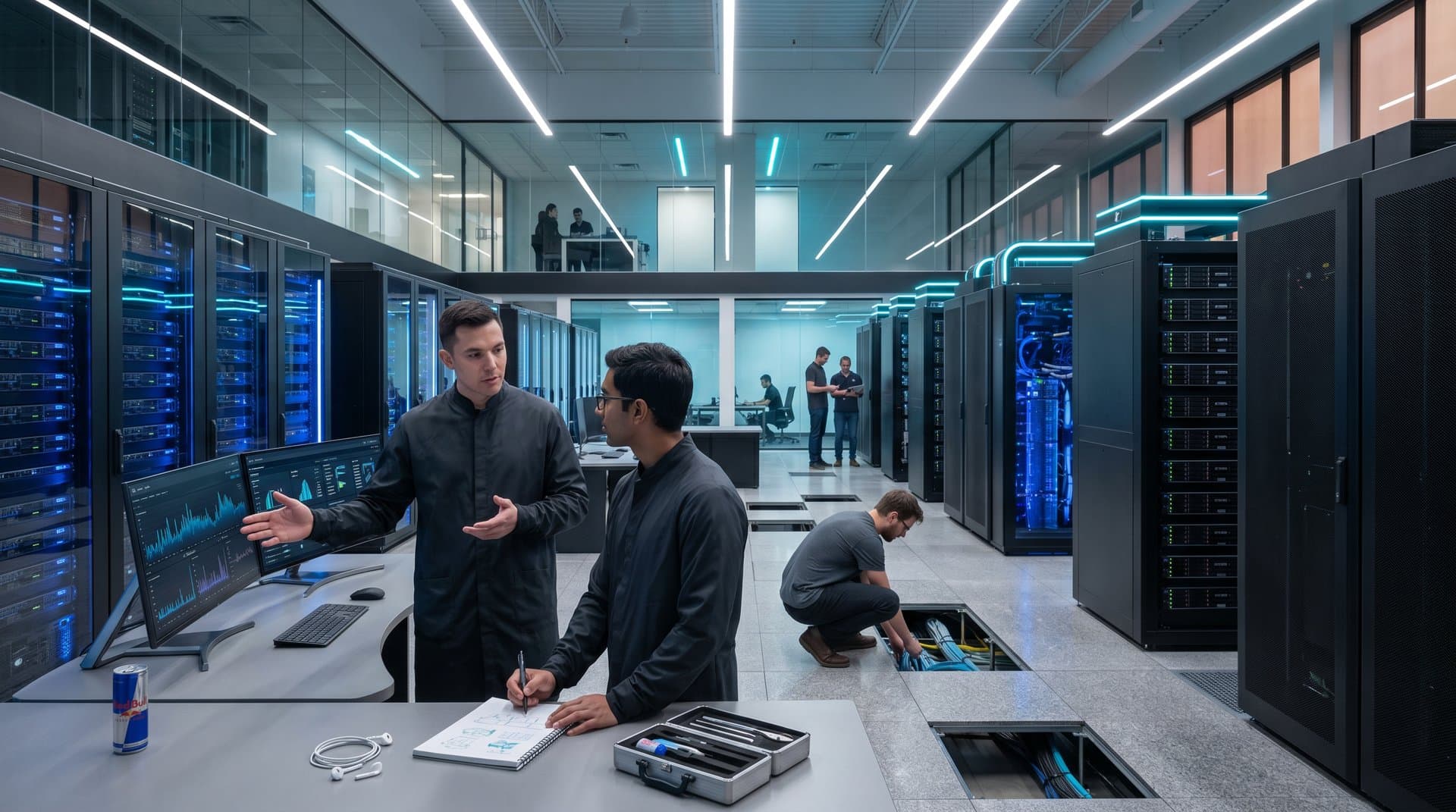
AI data centers amplify needs. They will consume 1,000 TWh annually by 2030, IEA forecasts. Facilities require 99.999% uptime, surpassing intermittent renewables.
AI Data Centers Spur Grid Storage Investments
Microsoft and Google plan 10 GW data center capacity by 2028 (company filings). Each site consumes 500 MW continuously. Solar-plus-storage hybrids pair batteries with renewables for reliability.
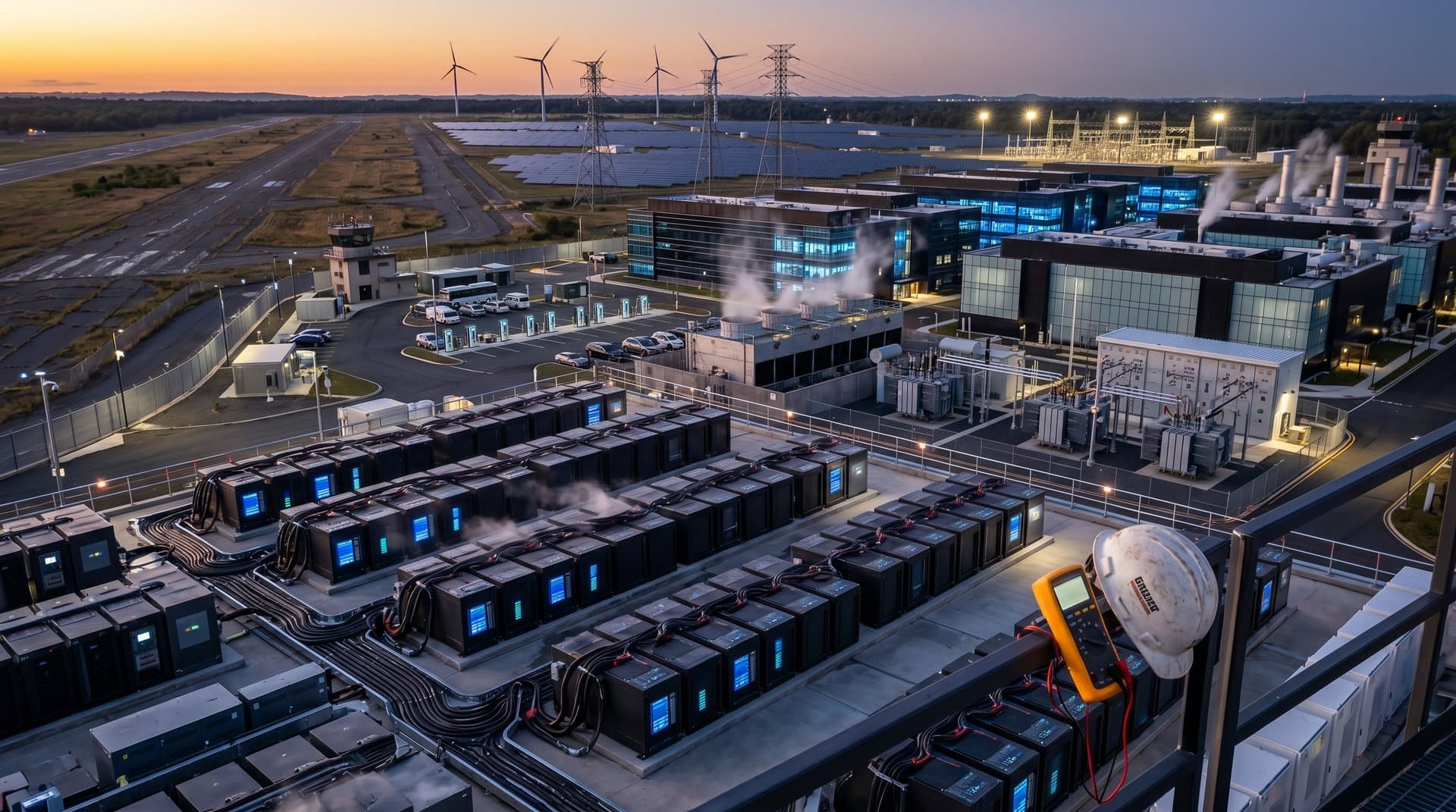
A California 1 GW/4 GWh project mixes 70% renewables with LFP packs at 88% RTE, NREL data indicates. Europe targets 200 GW storage by 2030 under REPowerEU. Germany tenders 5 GW/20 GWh in 2026; sodium-ion batteries promise USD 80/kWh (project specs).
Investors committed USD 50 billion to grid storage last year, Wood Mackenzie estimates. LDES venture funding doubled to USD 2.5 billion in Q1 2026.
Battery Technology Enables Grid Storage Scale
Solid-state batteries hit 400 Wh/kg and 800 Wh/L, doubling LFP's 160 Wh/kg and 400 Wh/L. QuantumScape reaches 1,000 cycles at 80% capacity retention; production scales to 10 GWh annually by 2027 (company targets).
Vanadium flow batteries provide 20,000 cycles at 75% RTE over 20 years. Invinity Energy installed 100 MW/400 MWh in the UK. Vehicle-to-grid (V2G) uses EV fleets; Ford and PG&E test 1 GW virtual plants at USD 100/kWh effective cost with 2-4 hour discharges.
Lithium prices dropped 40% to USD 12,000/tonne, S&P Global reports. Redwood Materials recovers 95% cobalt through recycling.
Global Grid Storage Market Projections
Capacity hits 500 GW/2 TWh by 2030, BloombergNEF predicts. Annual additions rise from 35 GW in 2025 to 100 GW. Asia captures 40% market share.
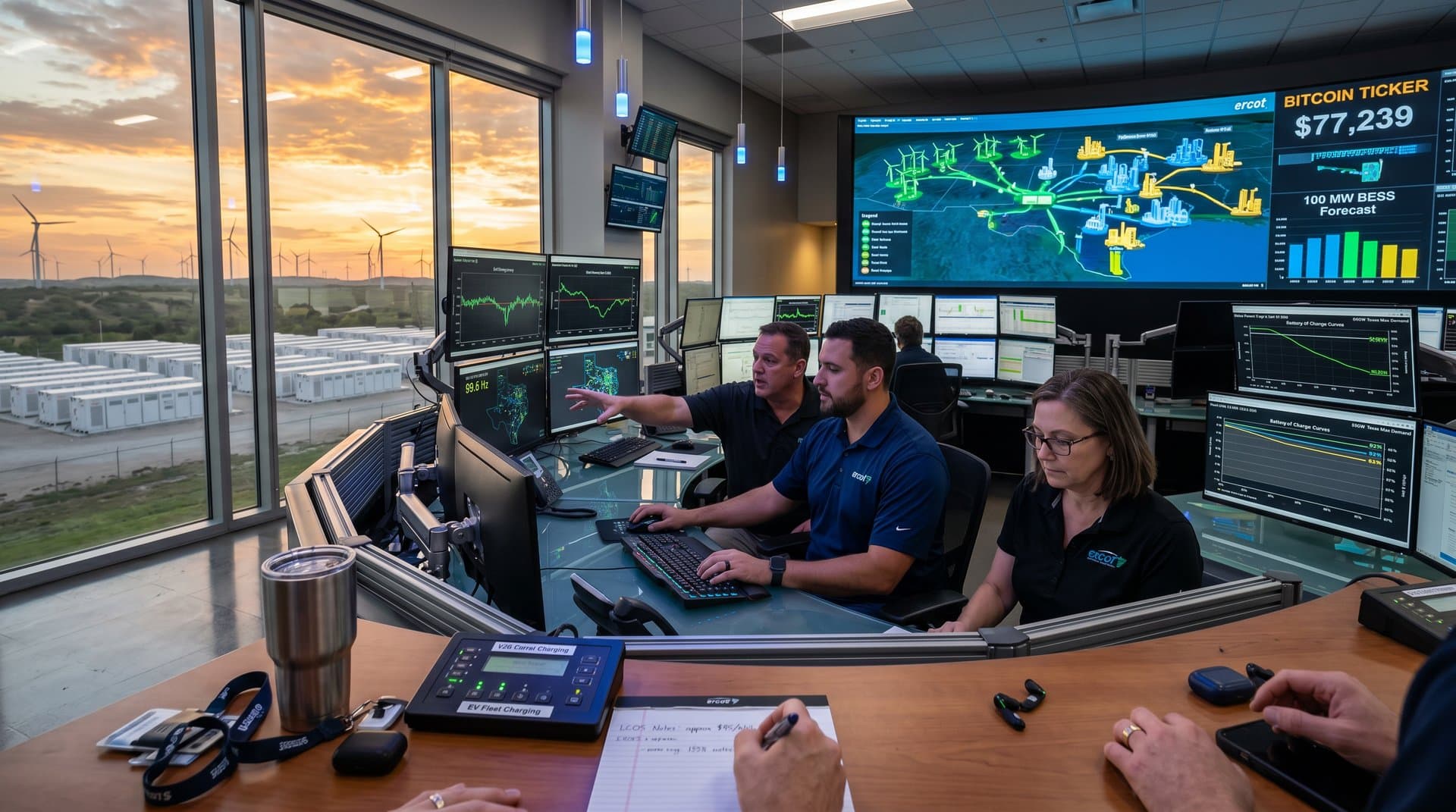
US Inflation Reduction Act provides USD 40/kWh tax credits. FERC Order 2023 accelerates storage interconnections. Australia mandates 30 GW by 2030; Hornsdale expands to 250 MW/650 MWh, saving AUD 150 million yearly, Tesla reports.
China deploys 50 GW in 2026. CATL supplies LFP at USD 110/kWh for exports to Europe and Southeast Asia.
Key Players in Grid Storage
Tesla installed 20 GWh globally. Megapack v4 units store 3.9 MWh each at 95% RTE. Fluence and Wärtsilä maintain 10 GW pipelines.
ESS Inc. delivers iron flow batteries for 4-hour duty. Eos Energy ramps zinc batteries to 1 GWh production. Siemens acquired Magellium for sodium-ion technology; TotalEnergies invested USD 500 million in LDES ventures.
LCOS for 4-hour LFP systems reaches USD 150/MWh. LDES aims for USD 80/MWh by 2028, Lazard analysis states.
The Bottom Line for Grid Storage
Seven countries demonstrate 100% renewables at scale. Grid storage stabilizes systems amid AI data center loads. Expect 100 GW deployments in 2026 and LDES commercialization. Batteries power a USD 1 trillion market by 2040, IRENA projects.
Priya Mensah is battery technology reporter at Energy Storage News.