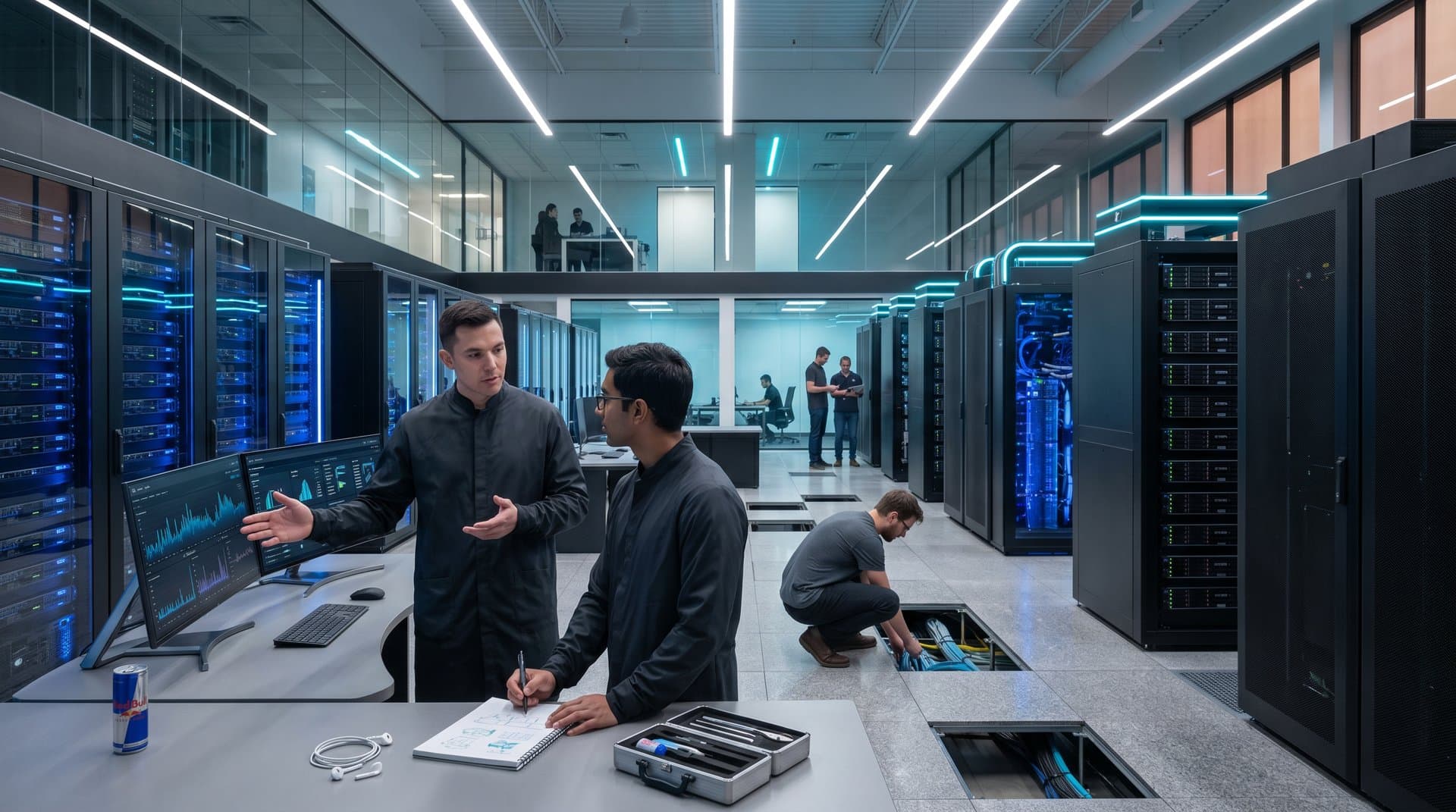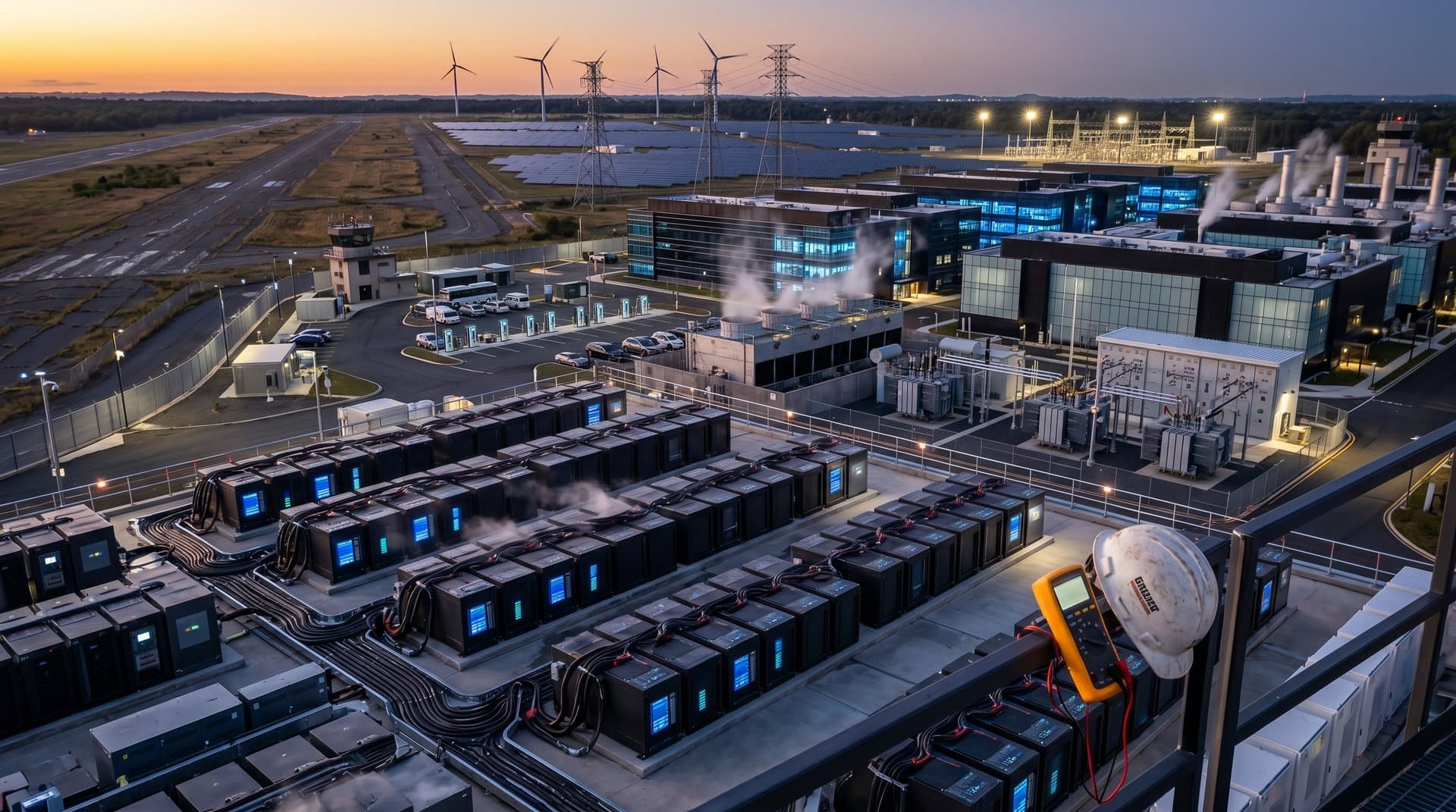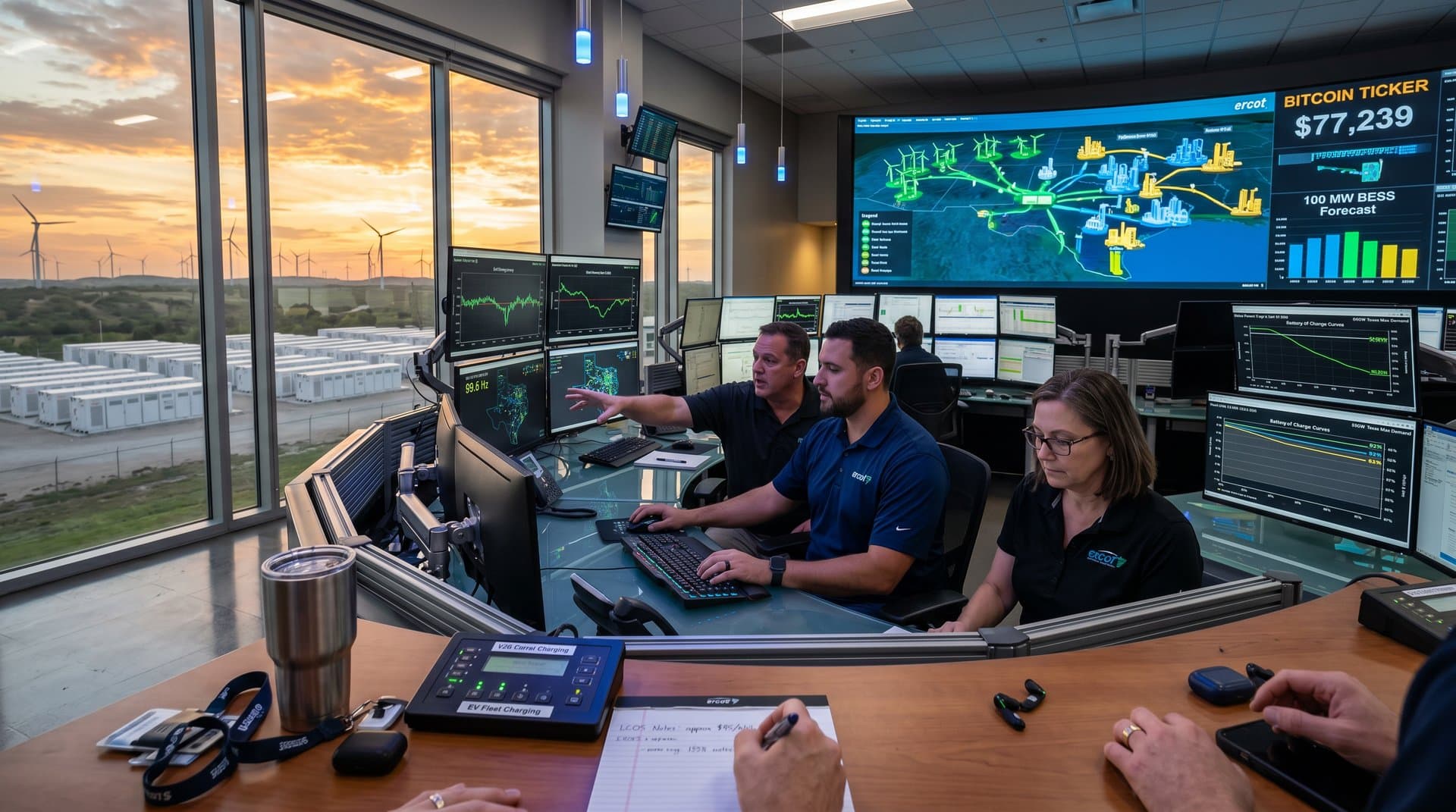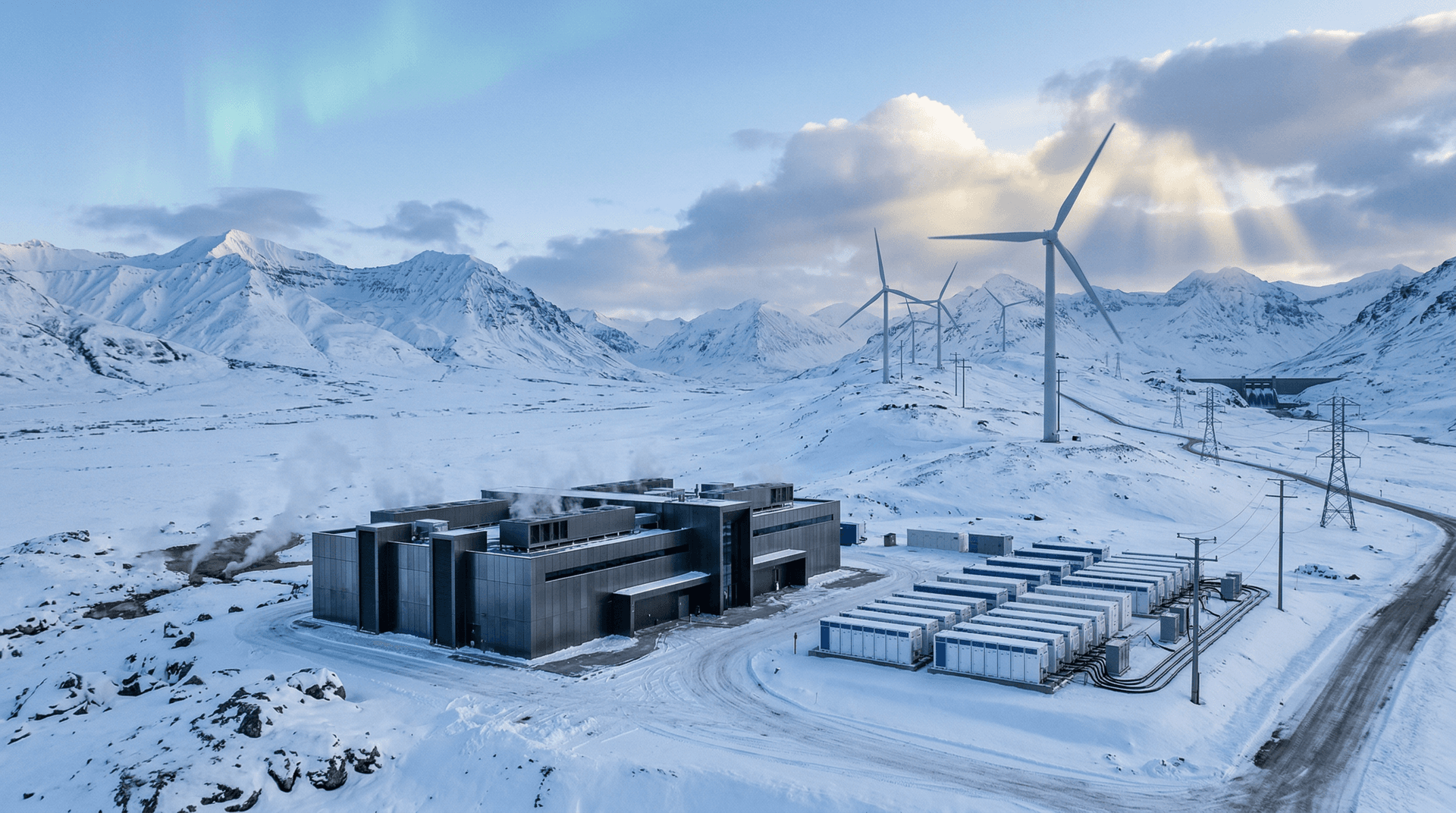
The US Department of the Air Force (DAF) announced on April 11, 2026, initial steps for AI data centers in Alaska, spurring grid storage demand for reliable power delivery. These facilities target cold-climate advantages for cooling efficiency.
Alaska's remote grids face high costs and intermittency. AI data centers demand constant megawatt-scale power. DAF cites af.mil reports projecting up to 1 GW total capacity across sites.
DAF's Strategic Push in Alaska
DAF selected Alaska for its sub-zero temperatures that cut data center cooling needs by 40%, per National Renewable Energy Laboratory (NREL) data. Sites near Eielson and Joint Base Elmendorf-Richardson offer military secure locations. Initial environmental assessments launch April 11, 2026, per DAF spokesperson Col. Maria Gonzalez.
Power supply forms the core challenge. Alaska's grid relies on diesel generators and hydro, with renewables at 30% penetration according to the Alaska Energy Authority (AEA). AI loads could add 500 MW by 2028, straining infrastructure.
DAF partners with the Department of Energy (DOE) for feasibility studies. These include grid upgrades and grid storage integration. Contracts target RFP issuance by Q3 2026.
Massive Power Requirements of AI Workloads
AI training clusters consume 50-100 MW per facility, BloombergNEF analysts report. A single large model like GPT-5 equivalents pulls 300 MW continuously. Alaska sites plan clusters totaling 1.2 GW peak demand.
Utilization rates hit 90% for hyperscale AI, versus 50% for cloud computing. Power usage effectiveness (PUE) drops to 1.05 in cold climates, per International Energy Agency (IEA) benchmarks. Grids must match this baseload.
Backup requirements mandate 4-8 hours of grid storage per site. DAF specifies 99.999% uptime, driving lithium iron phosphate (LFP) and flow battery deployments.
Alaska's Unique Grid Constraints
Alaska operates 200 independent grids, many diesel-dependent. Eielson serves a 100 MW local grid, per AEA data. Renewables like wind provide 20% but face 50% curtailment without storage.
Cold weather degrades lithium-ion capacity by 20% below -20°C, University of Alaska Fairbanks tests show. Solutions demand cold-tolerant chemistries like sodium-ion batteries.
Interconnection costs exceed USD 5 million per MW to mainland grids. Local grid storage cuts transmission needs by 30%, Wood Mackenzie forecasts.
Grid Storage Technologies in Focus
Flow batteries lead for long-duration energy storage (LDES). Form Energy's iron-air systems offer 100 hours at USD 20/kWh, pilot data confirms. DAF eyes 400 MWh deployments per site.
Sodium-ion batteries from CATL achieve 160 Wh/kg at -40°C, company specs state. Cycle life reaches 6,000 at 80% depth of discharge (DoD). AEA pilots deploy 50 MW/200 MWh in Fairbanks.
LFP remains baseline with 90% round-trip efficiency. Tesla Megapacks provide 3-hour storage at USD 150/kWh installed. Alaska projects integrate 200 MW/800 MWh by 2027.
Commercial Partnerships and Timelines
DAF issued RFIs to Fluence Energy and ESS Inc. on April 11, 2026. Fluence proposes 300 MW/1.2 GWh grid-tied systems using LFP. ESS targets 100-hour iron-flow batteries for USD 10/kWh levelized cost of storage (LCOS).
Manufacturing readiness levels (MRL) hit 8 for LFP, per DOE assessments. Sodium-ion trails at MRL 6, with production scaling in 2027. APAC supply chains dominate 70% of cells.
Funding draws from the Inflation Reduction Act (IRA), allocating USD 370 billion for clean energy. DAF secures USD 500 million initial outlay.
Market Signals and Investment Surge
Grid storage deployments forecast 50 GW globally in 2026, per Wood Mackenzie. US military projects add 2 GW demand. AI sector drives 25% of new contracts.
Levelized cost of storage falls to USD 120/kWh for 4-hour systems. LDES targets USD 50/kWh by 2030. Alaska premiums add 20% due to logistics.
AI power demands parallel crypto mining loads, fueling investor interest in grid storage.
Supply Chain and Mineral Demands
Lithium supply tightens with 20% deficit, USGS reports. Alaska's graphite deposits support domestic anode production. DOE funds USD 100 million for local refining.
Cobalt-free LFP eases risks. Sodium-ion uses abundant salts, cutting costs 30% versus NMC chemistries.
Trade policies favor US manufacturing. IRA tax credits boost 48C grants for battery factories.
Competitive Global Context
China leads with 60% market share, CATL and BYD dominate. Europe trails via Northvolt sodium pilots. US firms like Natron Energy scale 5 GWh/year.
Military specs prioritize domestic content at 55%. DAF procurement favors Energy Department of Defense (DoD) qualified suppliers.
Australia's vanadium flow batteries compete for LDES niches.
The Bottom Line
DAF's Alaskan AI data centers accelerate grid storage adoption. Projects demand 2-4 GWh deployed capacity by 2030, favoring LDES over short-duration packs. Cold-weather innovations propel sodium-ion and iron-air commercialization. Watch Q3 RFPs for first contracts. This initiative cements grid storage as AI infrastructure backbone, reshaping remote grid economics.