- AI data centers consume 20 GW in Q1 2026, per EIA.
- Grid-scale energy storage reaches 10 GW deployments, up 45%.
- Storage costs fall to USD 140/kWh for new projects.
By Finley Vance, Grid Storage Analyst April 13, 2026
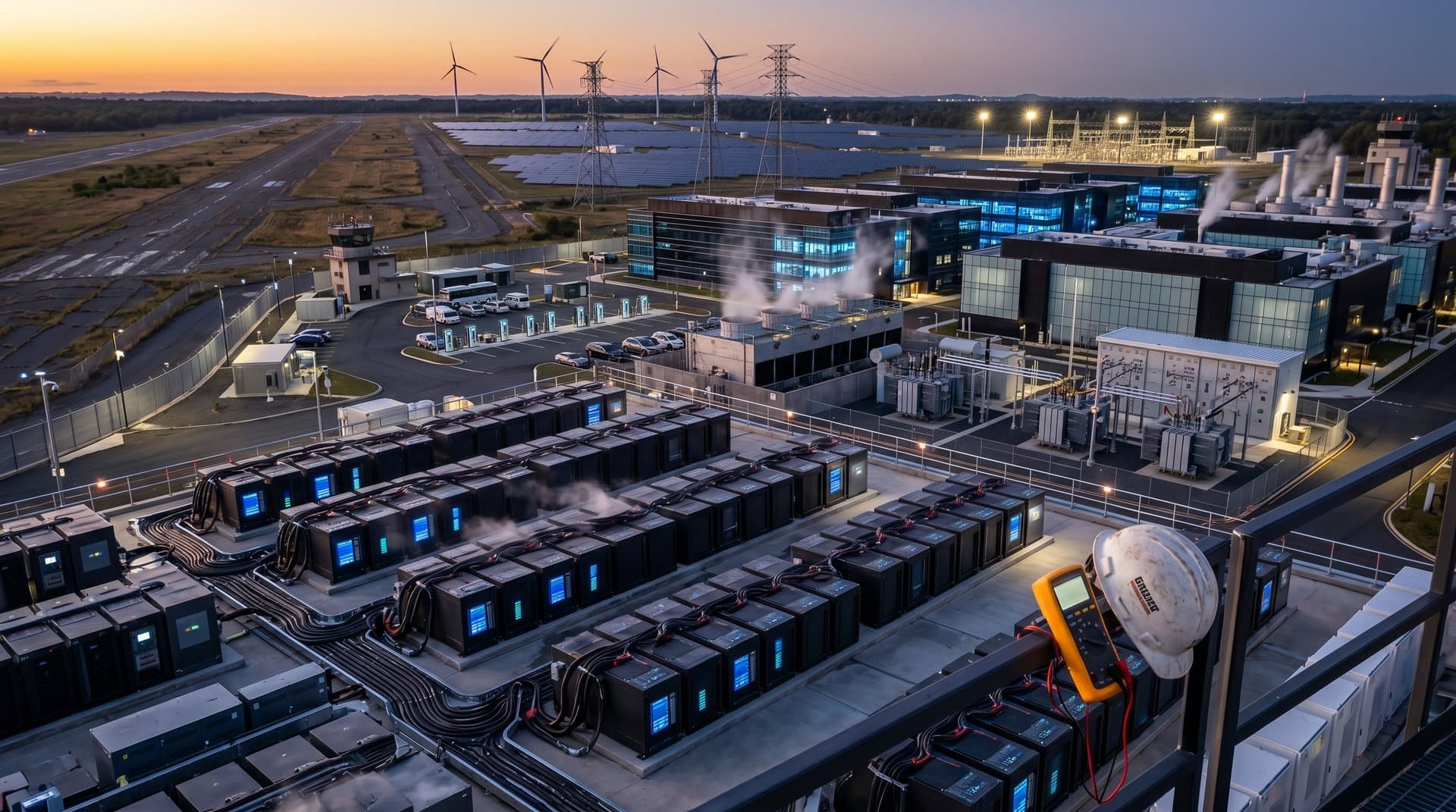
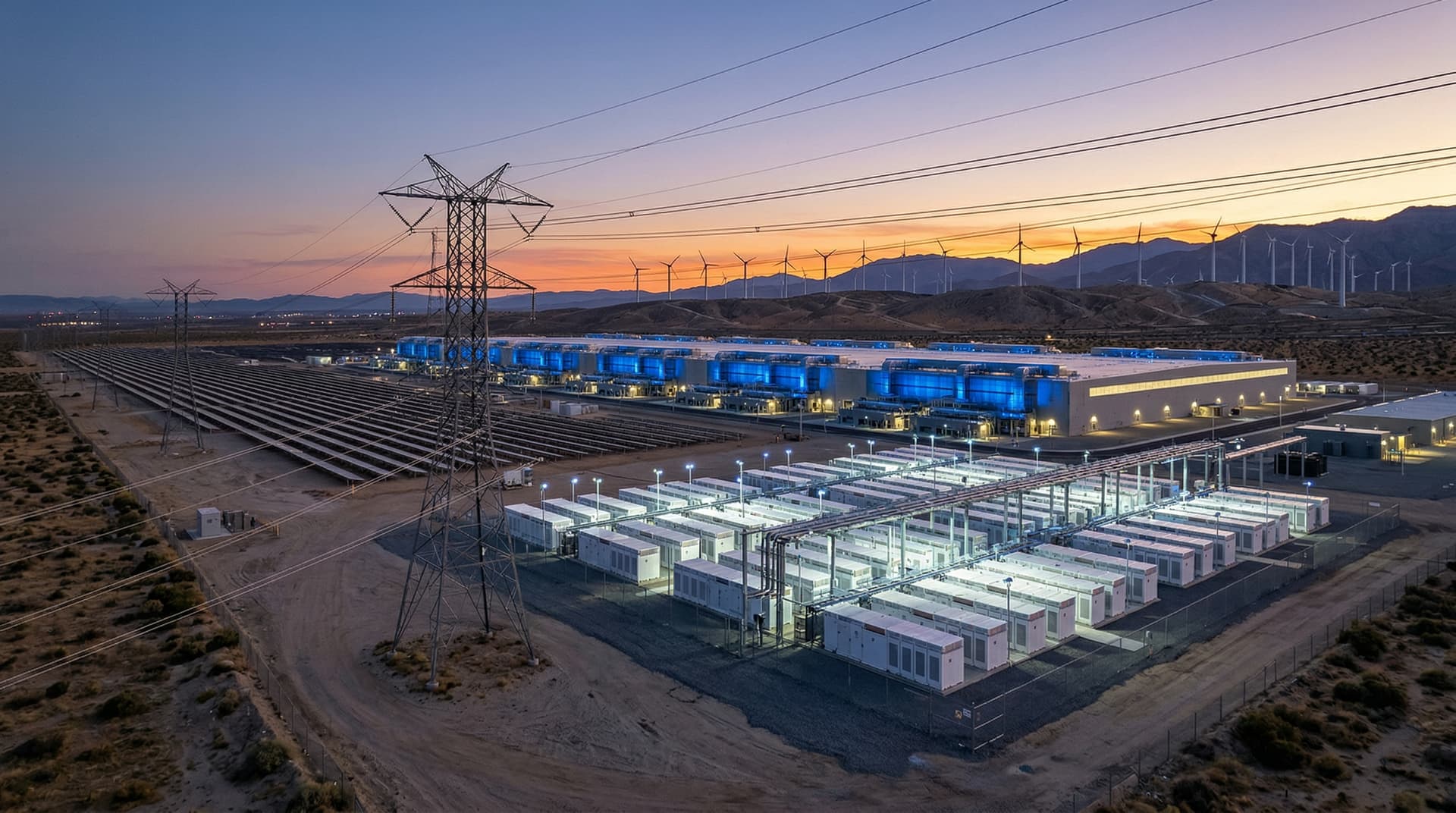
Grid-scale energy storage deployments surge 45% to 10 GW in 2026. AI data centers drive this boom despite permit resistance in Virginia and Texas, per CBS News. Utilities add batteries to manage peaks from 20 GW AI loads.
AI Data Centers Add 20 GW to US Power Demand
AI data centers consumed 20 GW of electricity in Q1 2026, up 50% year-over-year, per EIA data. Goldman Sachs projects 35 GW total demand by year-end. Facilities demand 99.999% uptime and strain grids.
Microsoft and Google interconnect 5 GW in Northern Virginia and Phoenix sites. Peaks exceed 100 MW per campus. Transmission lags, so grid-scale energy storage provides frequency regulation.
Patrice Joubert, Wood Mackenzie research director, states data centers drive 25% of new US power demand through 2030. Batteries ramp fastest at 4-hour duration.
Resistance Slows Permits in Key Hubs
CBS News details pushback in Loudoun County, Virginia, where 15 GW data centers face zoning moratoriums. Residents oppose water use and noise. Texas delays 8 GW near Austin.
Regulators approve 60% of applications, per Reuters reporting. Developers co-locate storage to win nods, adding 2 GW to pipelines.
Dominion Energy interconnects 1.2 GW grid-scale energy storage with data centers. Revenue stacks include USD 150/kW-year capacity payments.
Grid-Scale Energy Storage Projects Surge to 10 GW
Grid-scale energy storage hits 10 GW in 2026, up 45% from 2025, BloombergNEF reports. Q1 additions reach 2.5 GW, led by 500 MW/2 GWh projects in California and Arizona.
NextEra Energy commissions 300 MW/1.2 GWh near Phoenix for Meta. Costs drop to USD 140/kWh installed. LFP cells achieve 92% round-trip efficiency at 0.5C discharge.
Kosuke Imanishi, BloombergNEF analyst, notes AI loads demand 8-hour storage over 4-hour norms. Developers secure 70% offtake via PPAs at USD 40/MWh.
| Project | Capacity | Location | Commission | Developer |
|---|---|---|---|---|
| Phoenix BESS | 300 MW/1.2 GWh | Arizona | Q3 2026 | NextEra |
| Virginia Hub | 400 MW/1.6 GWh | Virginia | Q4 2026 | Dominion |
| Austin Pack | 250 MW/2 GWh | Texas | Q2 2026 | Tesla Energy |
Revenue Models Evolve for AI Support
Grid-scale energy storage earns through energy arbitrage. Daytime solar charges batteries for evening AI peaks. PJM prices average USD 75/MWh. Ancillary services add USD 20/kW-month.
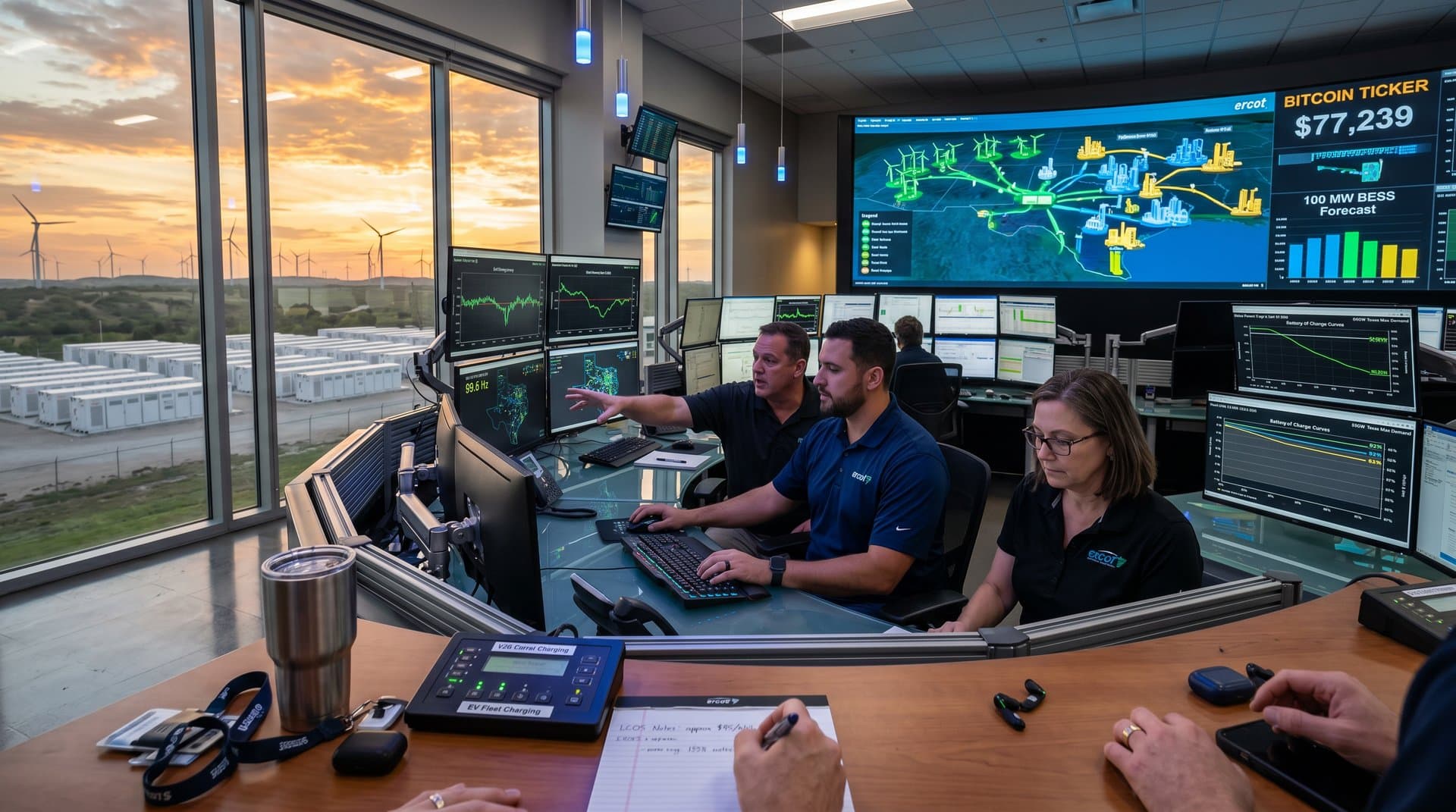
Vehicle-to-grid pilots contribute 500 MW from EV fleets near data centers. Second-life batteries cut LCOS to USD 0.08/kWh. Fluence delivers 1 GW under 10-year contracts.
Michael Webber, University of Texas professor, predicts 20% annual LCOS drops through 2028. IRA tax credits cover 30% of capex at USD 369/kWh base.
Interconnection Queues Swell to 50 GW
FERC data shows 50 GW grid-scale energy storage in queues, 30% tied to data centers. Approvals average 18 months. Utilities prioritize hybrid solar-storage for AI stability.
AES Corporation advances 800 MW/3.2 GWh in Ohio with Google. Financing totals USD 350 million via green bonds. Equity returns hit 12% IRR.
California mandates 5 GW storage by 2028 for load growth. Texas ERCOT procures 3 GW via auctions closing April 30.
Policy Incentives Fuel Deployment
IRA's 48C tax credit funds USD 4 billion in grid-scale energy storage projects. States offer USD 100/kW rebates. FERC Order 2023 fast-tracks clustered developments.
Europe adds 4 GW storage for hyperscalers in EMEA. APAC leads at 15 GW, per Wood Mackenzie.
Developers stack revenues: 40% arbitrage, 30% capacity, 30% regulation. Projects hit 85% utilization. BloombergNEF forecasts 25 GW annual US additions post-2026. Lithium prices stabilize at USD 12,000/tonne. AI growth sustains 40% CAGR in grid-scale energy storage demand through 2030.