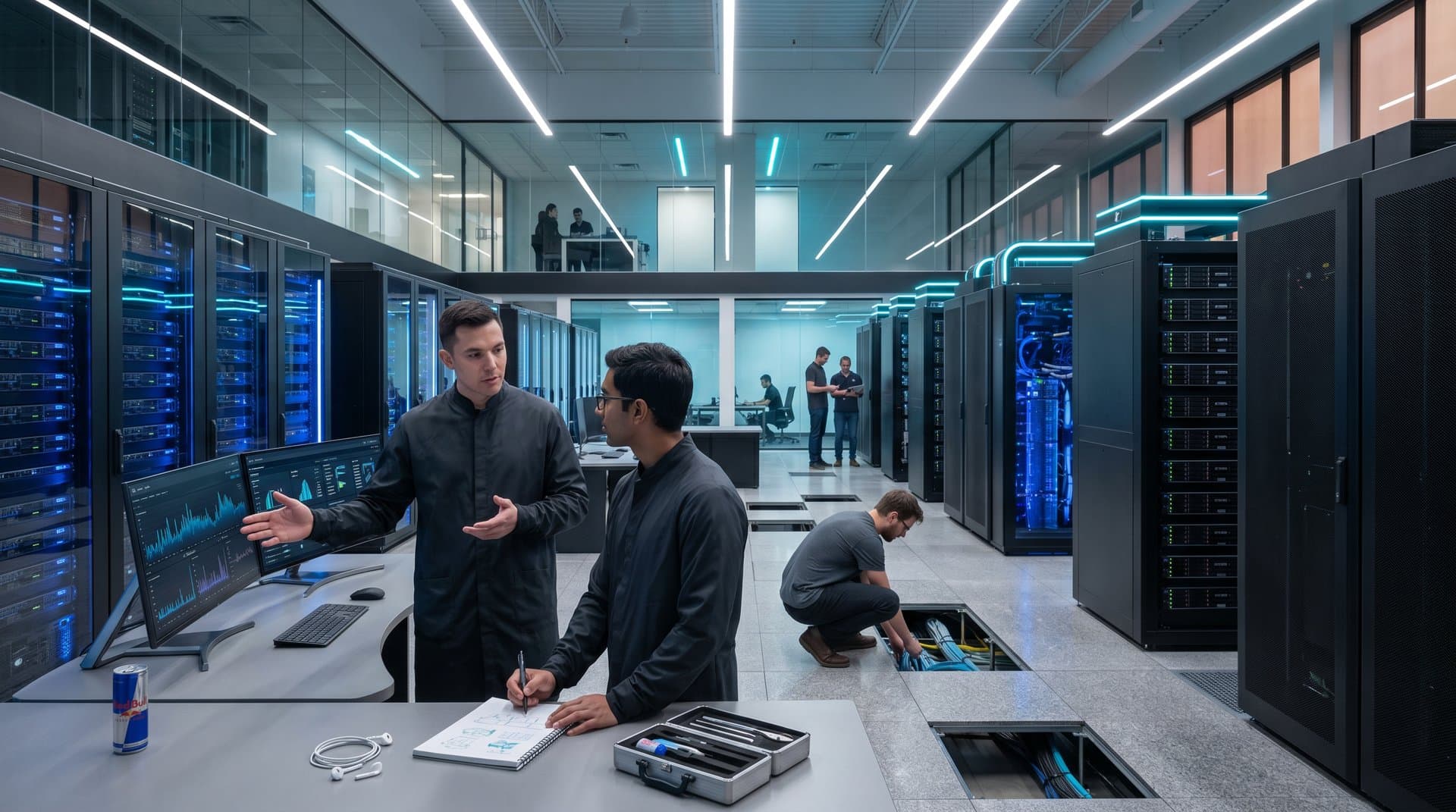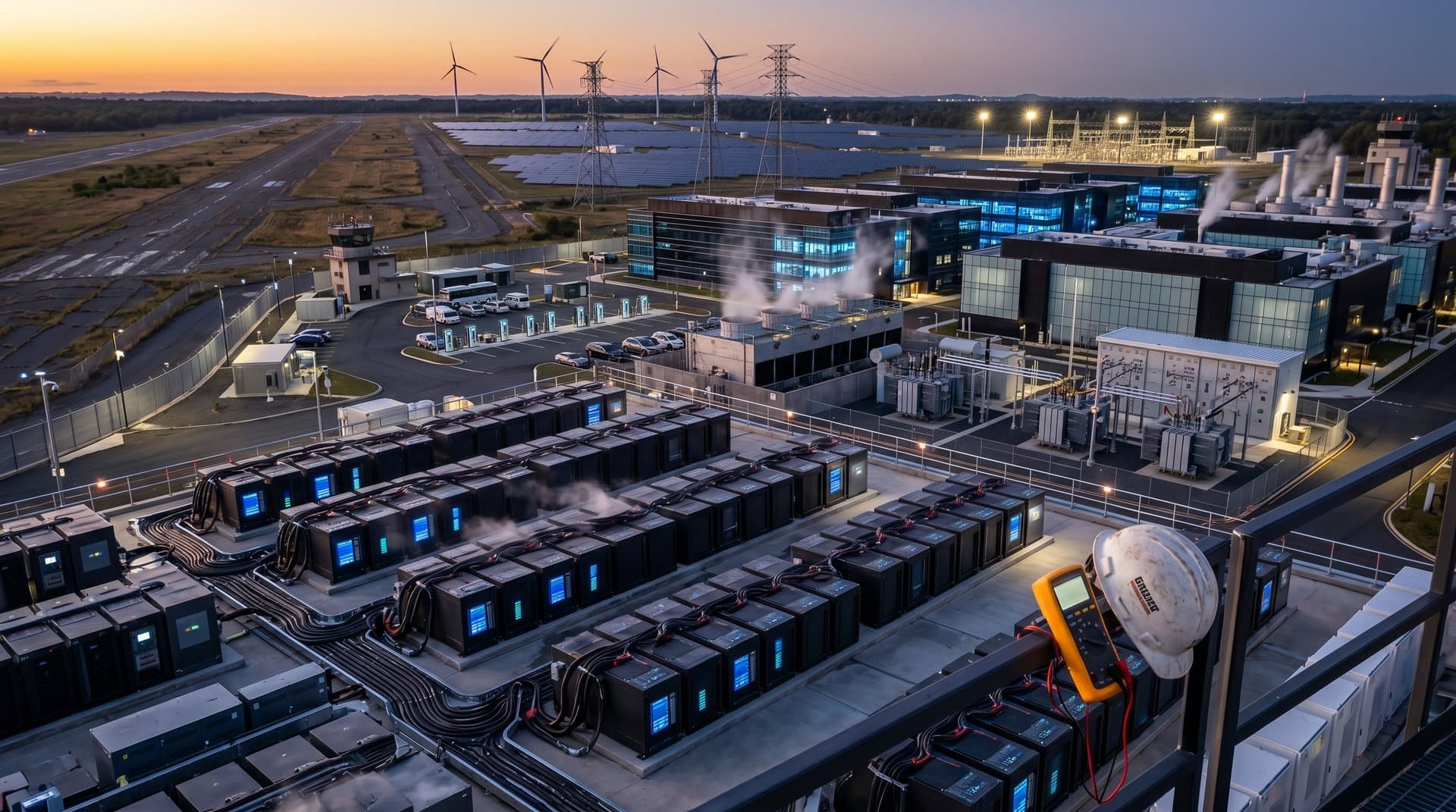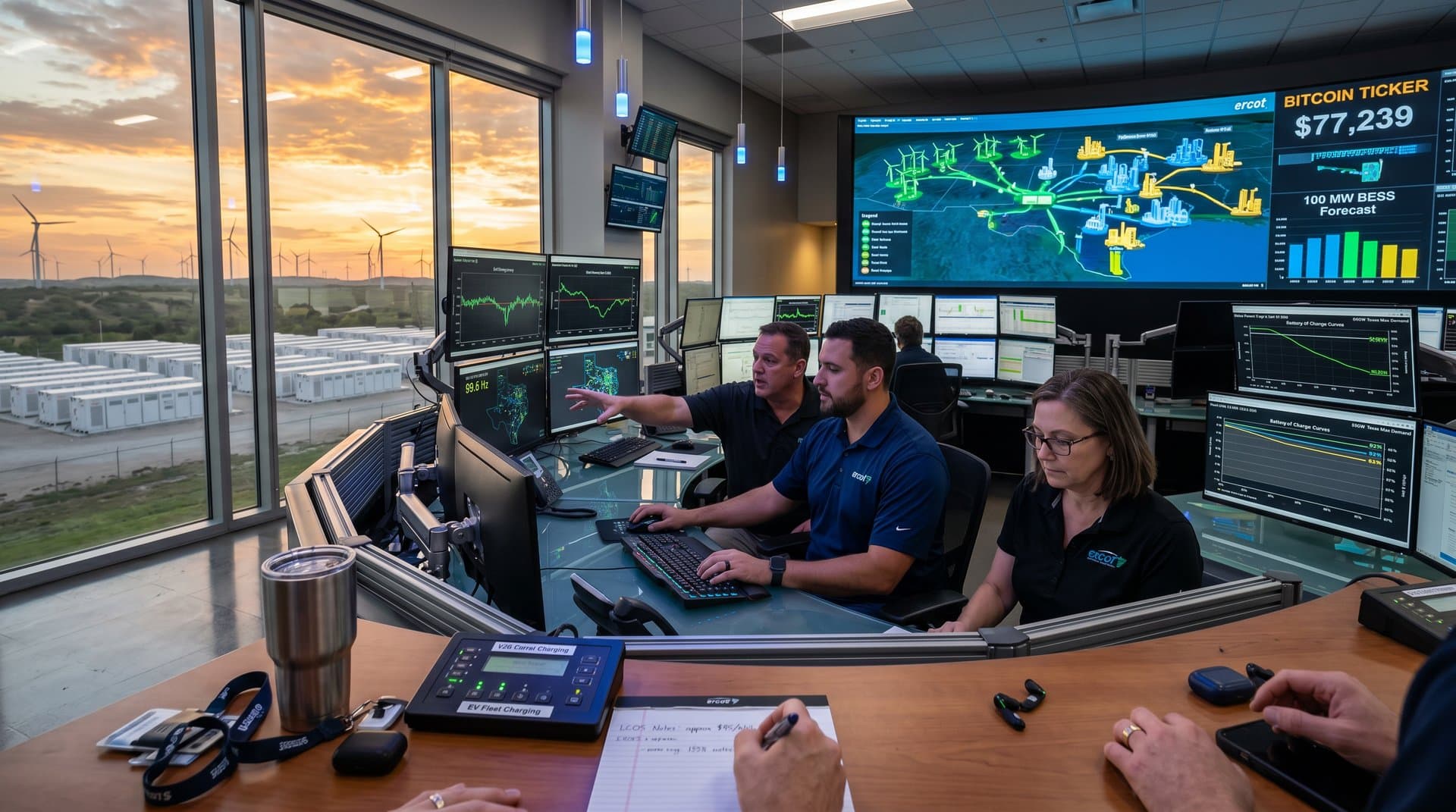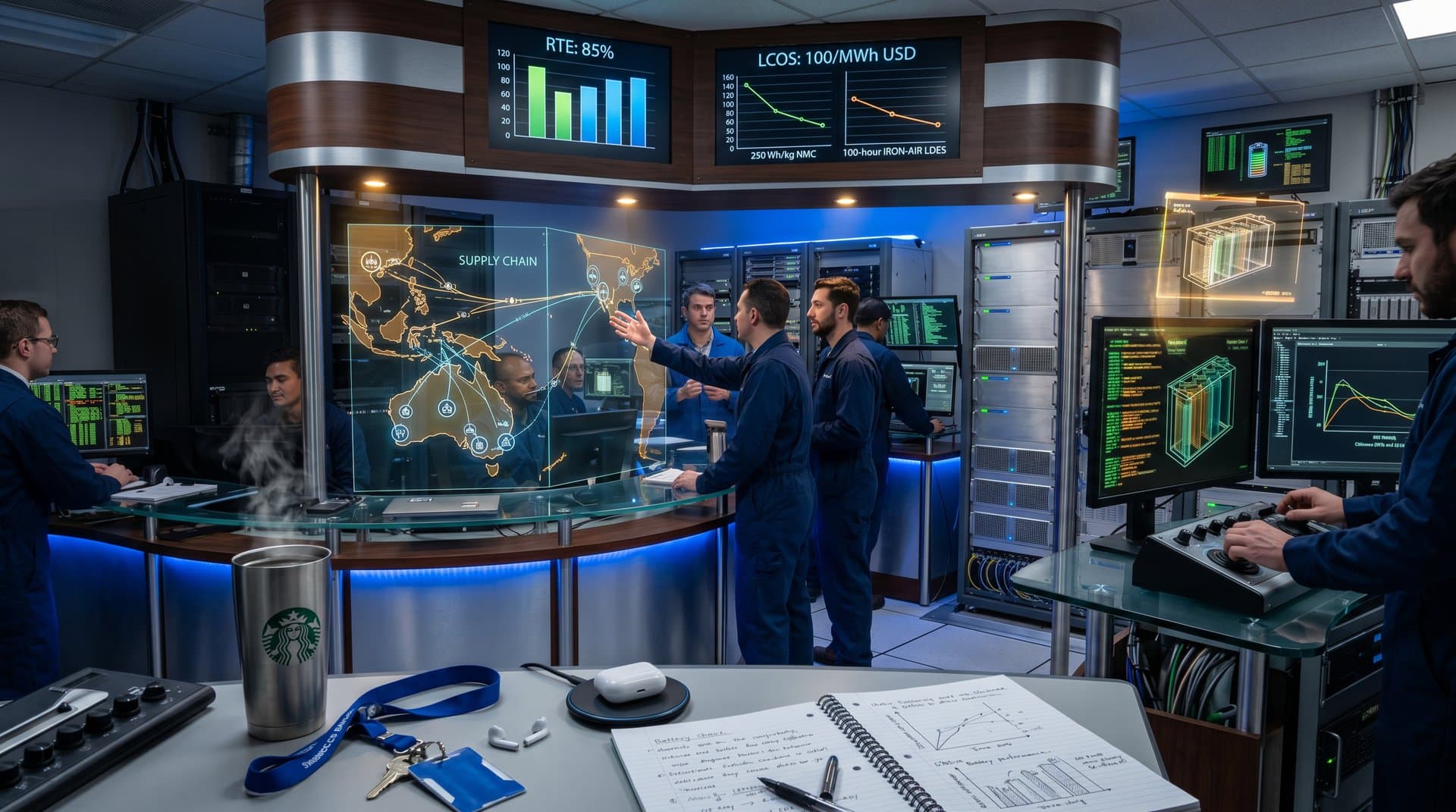
- Legacy ERP delays grid storage 12-18 months, blocking AI logistics.
- AI cuts LCOS 25% to USD 100/MWh for 1.5 TWh scaling by 2030.
- FERC 85% RTE mandates speed up with cloud AI wrappers.
Gartner's October 2024 AI supply chain energy grids report warns legacy systems delay storage deployments 12-18 months. Research director Sarah Kennedy cited 1990s ERP incompatibilities at the Gartner IT Symposium. Grid operators lose AI predictive logistics for batteries.
Legacy ERP Blocks AI Battery Logistics
SAP R/3 and Oracle 9i lack RESTful APIs for AI models in energy firms. Gartner VP Maria Martinez states these silos block machine learning on lithium from Australian mines to US gigafactories.
AI handles cobalt price volatility at USD 25,000/tonne (Q3 2024). Developers face extended lead times for 200 MW/800 MWh projects like California's Moss Landing (Vistra EPC, 1,200 MWh commissioned 2021, expansions delayed).
California ISO reported 2.5 GW renewables curtailment in 2024 peaks. Storage at 85% round-trip efficiency cuts losses 30%.
Lithium-ion delivers 250 Wh/kg, 700 Wh/L at 5,000 cycles (NMC, IEA report). Sodium-ion reaches 160 Wh/kg, 6,000 cycles but trails scaling.
Supply Delays Hit Utility-Scale Storage
Solar-plus-storage hybrids suffer most. AI slashes inverter procurement 25%, but legacy blocks integration. NextEra's 409 MW Manatee Center (Florida, 2024) endured 6-month nickel delays.
Form Energy's iron-air batteries offer 100-hour duration, 50 Wh/kg, 3,000 cycles (2025 Minnesota pilot, 10 MW/850 MWh). AI analytics avert APAC graphite risks.
PJM Interconnection FERC docket 2023 shows 15% curtailment in 2024 queue (PJM data).
Geopolitical Risks Worsen Without AI
Chilean lithium swings 20% in price. Gartner’s Kennedy models USD 15/kWh LCOS targets, but silos reduce accuracy.
FERC Order 2023 requires >85% RTE (IEC 62619). US DOE notes 40% of 5 GW plans stall on cathodes.
Behind-the-meter C&I storage hits 10 GW/year. BloombergNEF's Alex Stewart projects USD 250 billion investments with modernization (BloombergNEF).
LCOS Rises 15-20% From Legacy Delays
Lithium-ion LCOS climbs to USD 120/MWh. LDES aims USD 80/MWh at 10 hours. IEA executive summary (2024) predicts AI cuts costs 25% via maintenance.
Macquarie Capital's 500 MW Texas BESS (2025 FID) needs USD 50/MWh offtake. Supply risks lift EPC bids 10% (S&P Global Platts).
V2G taps EV packs at 70% retention (3,000 cycles). AI unlocks 5 GW by 2030.
AI Integration Strategies Accelerate Scaling
Firms add Azure API wrappers over SAP. Microservices cut downtime 40%.
Gartner urges phased rollouts: inventory AI first. Siemens MindSphere achieves 95% uptime for vanadium flow batteries (200 Wh/L, 20,000 cycles).
ABB uses OPC UA for real-time data. These trim 100 MW/400 MWh lead times 30%.
IEA demands 50% supply growth. AI drives LCOS under USD 100/MWh by 2028, hitting 1.5 TWh milestone.
Frequently Asked Questions
What delays does Gartner's report identify?
Legacy ERP systems block AI logistics, delaying deployments 12-18 months, per research director Sarah Kennedy.
How do legacy systems affect storage supply chains?
Outdated platforms like SAP R/3 lack APIs, extending timelines for lithium projects, says BloombergNEF.
Why fix these supply chain issues now?
Mineral volatility and FERC rules need AI; IEA sees 25% LCOS cuts to USD 100/MWh.
What fixes does Gartner recommend?
Phased cloud wrappers and inventory AI first, per VP Maria Martinez.