- AI deciphered over 2,000 characters from Herculaneum burned papyrus.
- Vesuvius Challenge awarded $700,000 grand prize for the AI scroll reading.
- Data centers consumed 240-340 TWh globally in 2022 per IEA data.
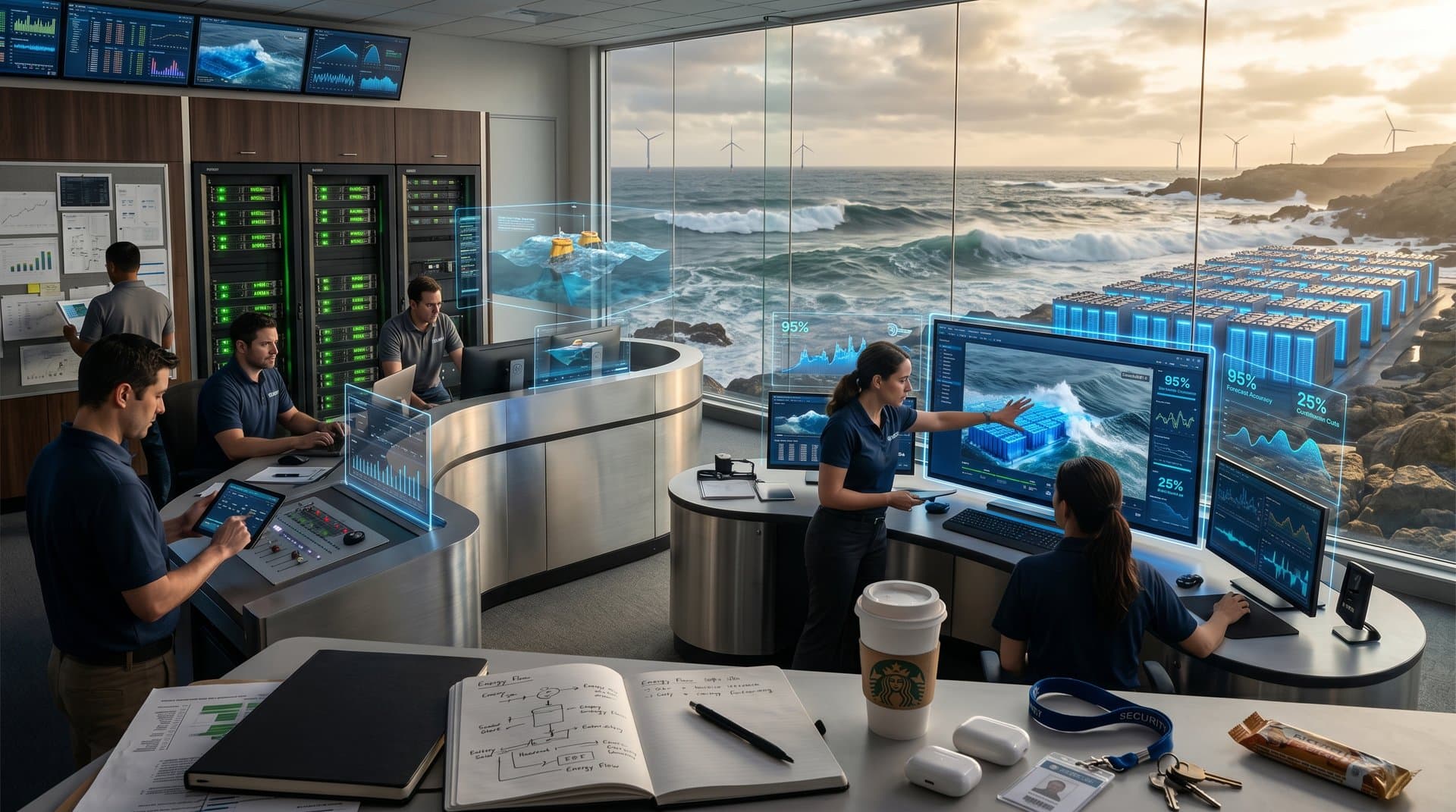
Researchers deciphered over 2,000 characters of text from a carbonized Herculaneum papyrus scroll using AI, a scroll too fragile to physically unroll. The Vesuvius Challenge awarded its $700,000 grand prize to teams applying machine learning to CT scans. This feat underscores AI's growing role in archaeology while exposing compute-intensive energy needs met by battery storage paired with solar and wind.
The scroll, buried by Vesuvius eruption, resists traditional handling. AI virtually unrolls layers and detects faint ink contrasts invisible to humans. Battery tech stabilizes the renewable power grids fueling such data center runs.
How AI Virtually Unrolled the Crumbling Papyrus
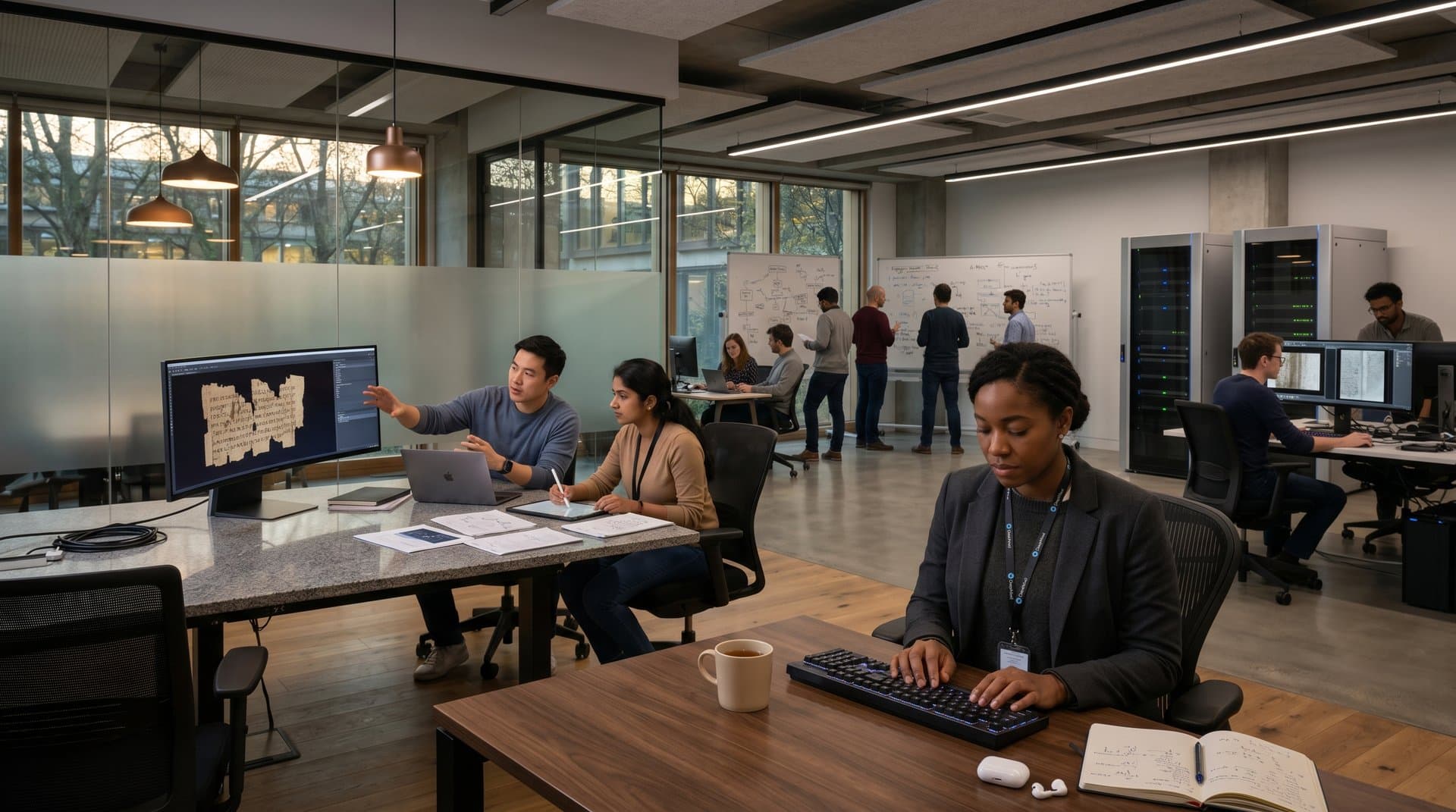
Computed tomography (CT) scans capture the scroll's layered structure in high resolution. Machine learning models, trained on ink patterns, segment carbon-based text from papyrus fibers. Teams like those led by Luke Farritor processed terabytes of scan data on GPU clusters.
This approach reads 4 continuous passages, marking the first major Herculaneum text extraction since discovery. Google and Vesuvius Challenge backers provided compute resources. Production-ready AI pipelines now scale to entire libraries of fragile artifacts.
Energy profiles mirror large language model training. Similar tasks demand thousands of GPU-hours at 700W per card. Battery storage buffers these peaks when solar output dips.
What Energy Footprint Does Archaeology AI Place on Grids?
Data centers consumed 240-340 TWh globally in 2022, per IEA analysis. AI accelerates this trend as archaeology shifts to compute-heavy methods. Papyrus processing exemplifies niche applications straining grids.
Hyperscalers deploy NVIDIA H100s for ink detection models. A single training run rivals small-town power draw. Renewables supply 20-30% of data center energy in leading regions, but intermittency limits reliability.
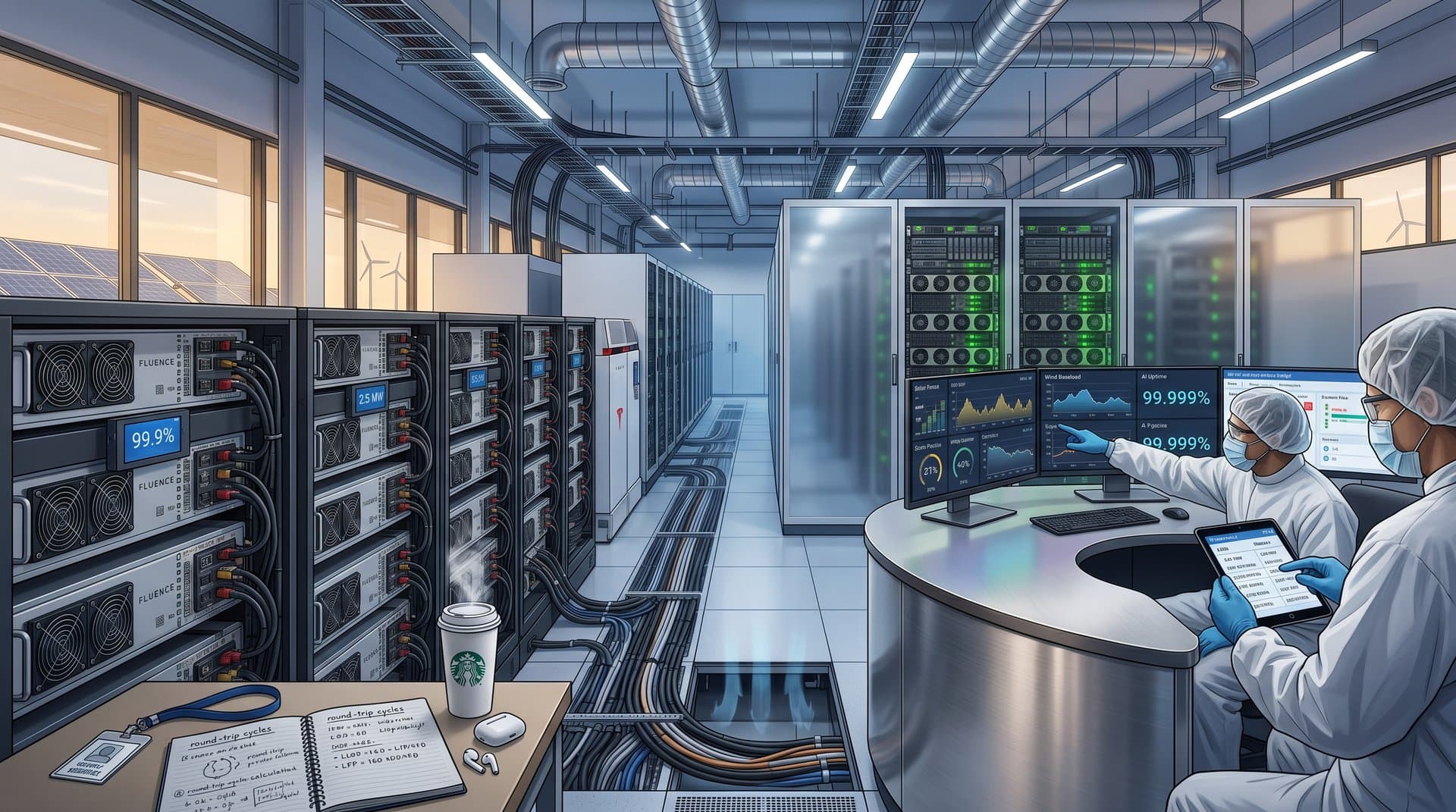
Battery systems store midday solar peaks for evening AI jobs. Wind farms pair with lithium-ion packs to smooth output. This hybrid setup cuts curtailment and fossil backups.
How Does Battery Storage Enable Solar and Wind for AI Compute?
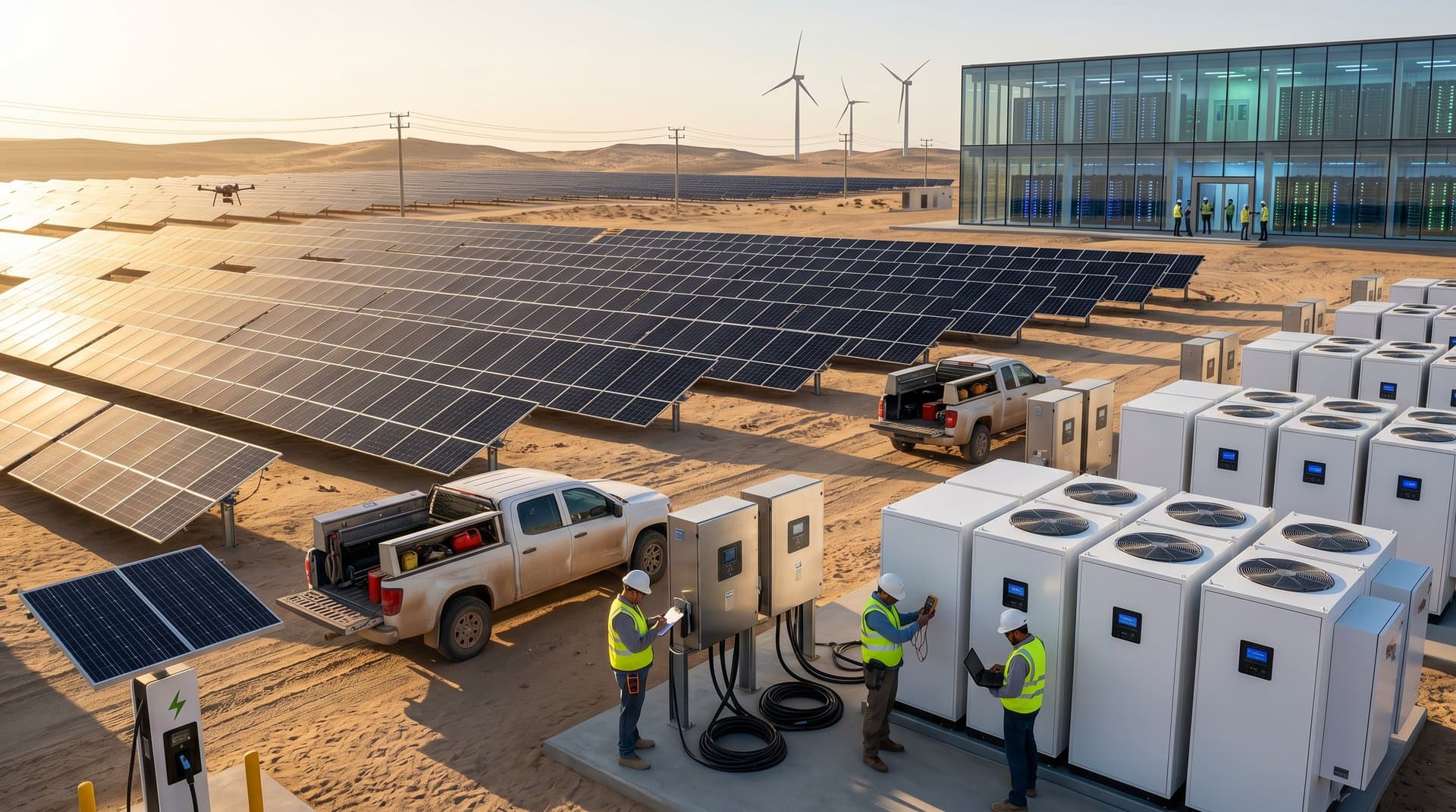
Solar panels generate abundantly mid-day, yet AI runs 24/7. Lithium-iron-phosphate (LFP) batteries, with 90% round-trip efficiency, dispatch stored MWh during lulls. Projects integrate 100 MW solar with 400 MWh storage.
Wind variability demands faster response. Flow batteries offer four-hour duration at grid scale. Developers like Fluence deploy containerized systems at data centers.
Archaeology AI benefits indirectly. Cloud providers prioritize renewables-backed contracts. Battery augmentation raises capacity factors above 70%. Cost-per-kWh falls to USD 100-150 with scale.
BNEF reports project battery demand doubling from AI alone. Archaeology joins genomics and climate modeling in compute queues.
Why Are Renewables-Battery Hybrids Archaeology's Future Power Source?
Fragile artifacts worldwide await digitization. Over 1,100 Herculaneum scrolls remain unread. AI scales analysis, but energy infrastructure lags.
Solar-wind farms with co-located batteries achieve 50-60% capacity factors. This supports edge computing for scan preprocessing. Long-duration energy storage (LDES) prototypes target 10-hour discharge.
Manufacturing readiness levels advance. Sodium-ion cells promise lower costs for 8-hour packs. Partnerships between NVIDIA and storage firms accelerate deployment.
Policy frameworks like US IRA tax credits spur 10 GW annual additions. EMEA mandates renewables quotas for data centers.
What Does Papyrus AI Mean for Battery Tech Roadmap?
This breakthrough validates AI for non-destructive research. Compute scales exponentially as models improve. Battery storage transitions from grid ancillary to core enabler.
Iron-air LDES eyes 100-hour duration at USD 20/kWh LCOS. Solid-state packs boost energy density to 500 Wh/kg. Watch commercialization milestones in 2027 pilots.
Solar-wind battery clusters near data centers minimize transmission losses. Archaeology's AI revolution accelerates industry-wide sustainable compute adoption.
Frequently Asked Questions
How does battery storage help with AI energy demands in archaeology?
Battery storage captures excess solar and wind generation for 24/7 AI compute used in papyrus scanning. It provides seconds-to-hours discharge for grid stability. This setup supports over 2,000-character decryptions without fossil fuel spikes.
What is the Vesuvius Challenge and its battery storage link?
Vesuvius Challenge uses AI to read Herculaneum scrolls, awarding $700,000 for breakthroughs. Compute relies on data centers powered by battery storage. Renewables integration via batteries ensures sustainable operations.
Why pair battery storage with solar and wind for AI tasks?
Solar and wind face intermittency, but battery storage boosts capacity factors to 70%. Papyrus AI processing needs reliable power. IEA notes data centers at 240-340 TWh demand such hybrids.
Can battery storage scale for future AI archaeology projects?
LFP and flow batteries target USD 100/kWh costs for grid-scale use. They enable solar-wind for more scroll digitizations. LDES prototypes promise 100-hour support for extended AI runs.