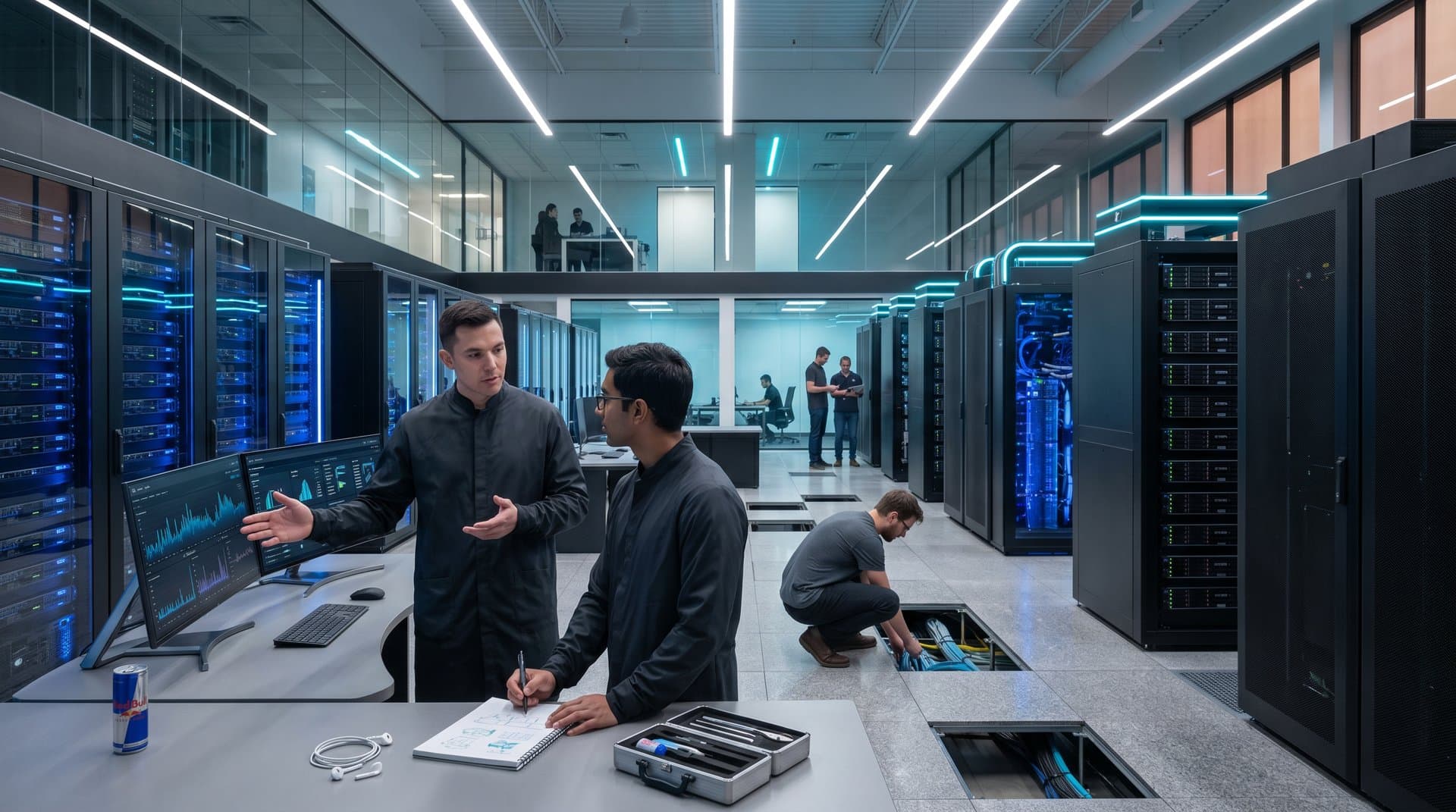
- Data centers hit 1,000 TWh by 2026 from AI (IEA).
- LFP batteries achieve 90-95% RTE over 6,000 cycles (Sandia).
- EV V2G delivers 10 GW US capacity (NREL).
IEA projects AI energy demands will drive data centers to 1,000 TWh annually by 2026. ER diagnosis AI processes scans 30% faster than doctors (Stanford study). Current GPU centers consume 460 TWh yearly. LFP batteries and EV V2G stabilize peaks.
Real-time AI inference demands 100-500 kW per rack. Renewables add intermittency. Lithium iron phosphate (LFP) batteries offer 4-hour discharge at 90% round-trip efficiency (RTE), per NREL.
ER Diagnosis AI Accelerates Data Center Power Surge
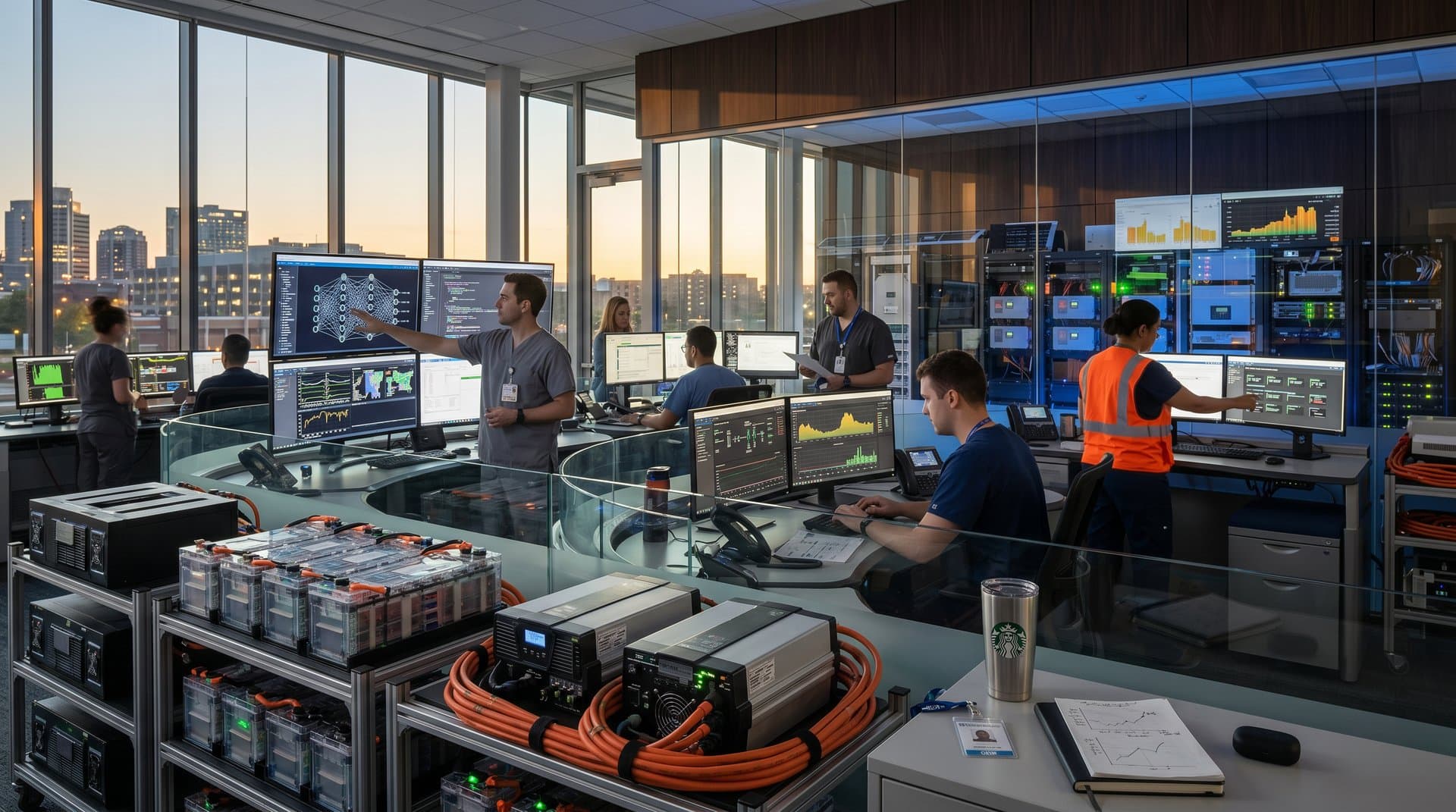
Convolutional neural networks (CNNs) analyze X-rays and CT scans in emergency rooms. Nvidia H100 GPUs consume 700W each. Hospitals rely on central cloud data centers. IEA forecasts data centers reaching 4% of global electricity by 2030.
ER AI inference operates 24/7. Model retraining processes petabytes of data yearly. Edge computing reduces loads by 20% but requires grid backup.
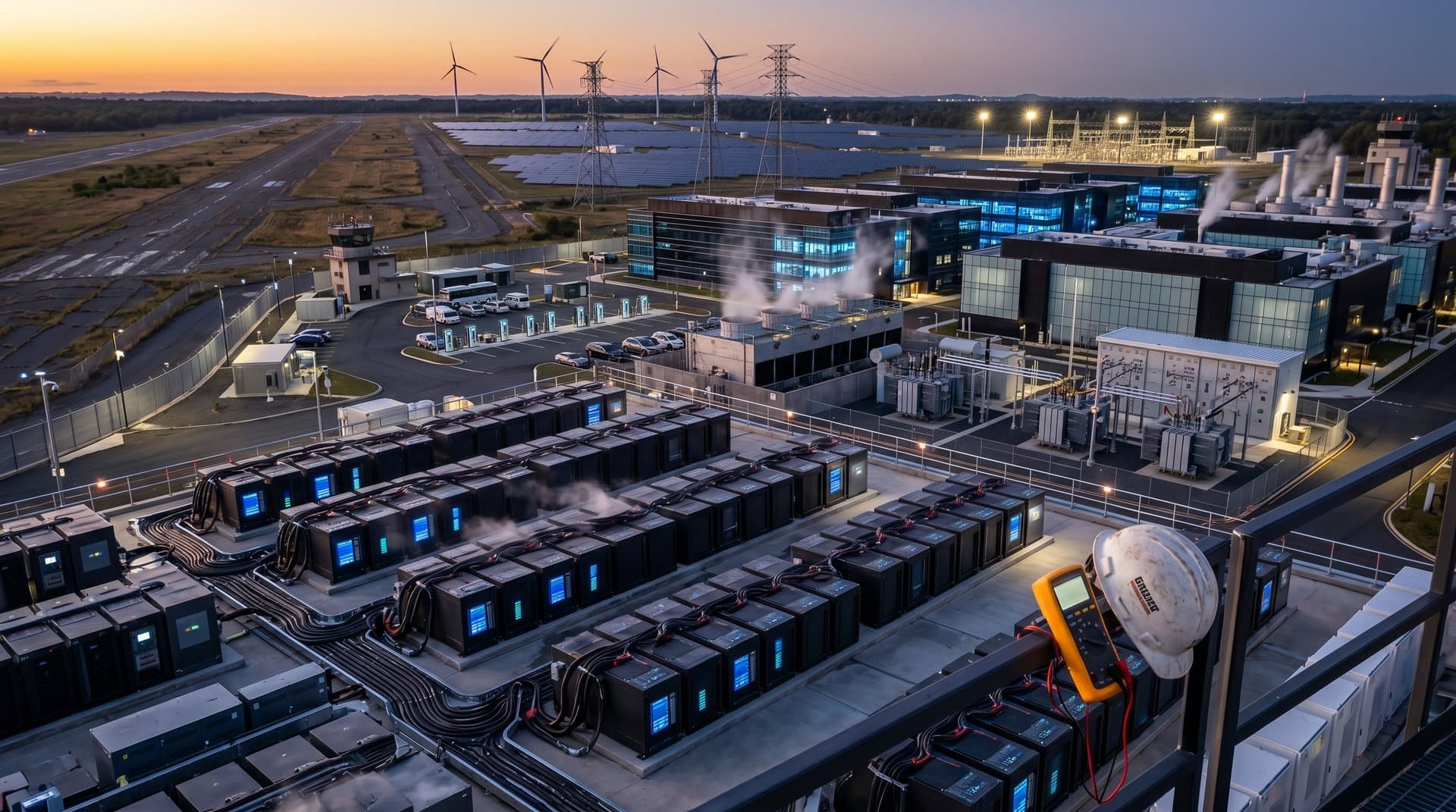
Batteries manage 10-50 MW spikes from inference surges. Smart inverters enable off-peak recharging.
LFP Batteries Tackle Healthcare AI Load Peaks
LFP systems achieve 90-95% RTE at 0.5C discharge rate and 80% depth of discharge (DoD) over 6,000 cycles, according to Sandia National Laboratories. Flow batteries support 12-hour duration at US$150/kWh installed cost.
Solid-state prototypes hit 500 Wh/kg energy density (QuantumScape Q1 2024 earnings call). LFP cathode costs dropped to US$10/kWh (Benchmark Mineral Intelligence, 2024 report).
Behind-the-meter LFP installations prevent hospital blackouts during AI peaks. Form Energy's iron-air batteries provide 100-hour storage at 190 Wh/kg.
EV V2G Delivers 10 GW Capacity for AI Grids
EV fleets form virtual power plants (VPPs). NREL estimates 10 GW of US V2G potential by 2030. Bidirectional chargers align overnight discharge with AI peak demands.
Second-life EV batteries retain 70% capacity after 200,000 miles and 5,000 cycles (Geotab 2024 telematics study). Ford F-150 Lightning pilots aggregate 1 MW per site.
Utilities compensate VPPs at US$200/kW-year. This approach avoids US$1 billion in transmission upgrades, per DOE analysis.
Supply Chain Shifts Boost Battery Deployment
LFP cathode prices fell 80% to US$10/kWh since 2022 (Benchmark Mineral Intelligence). EU Battery Regulation mandates 16% recycled content by 2031.
China supplies 75% of global cells. US Inflation Reduction Act (IRA) funds 50 GWh of domestic production lines. CATL's sodium-ion batteries achieve 160 Wh/kg in pilot tests.
Hybrid setups combine 4-hour LFP with 10-hour flow batteries for long-duration energy storage (LDES).
Commercial Projects and LCOS Benchmarks
Hospitals deploy 5 MWh LFP containers at US$250/kWh installed (Fluence Cube deployments). Levelized cost of storage (LCOS) hits US$0.10/kWh, beating gas peakers at US$0.15/kWh.
Doe allocates US$100 million for LDES demonstrations. Projects aim for 15% internal rate of return (IRR) on 10-year offtake agreements.
EV mandates will supply 1 TWh of batteries annually to grids.
Storage Lessons from Crypto Apply to AI Growth
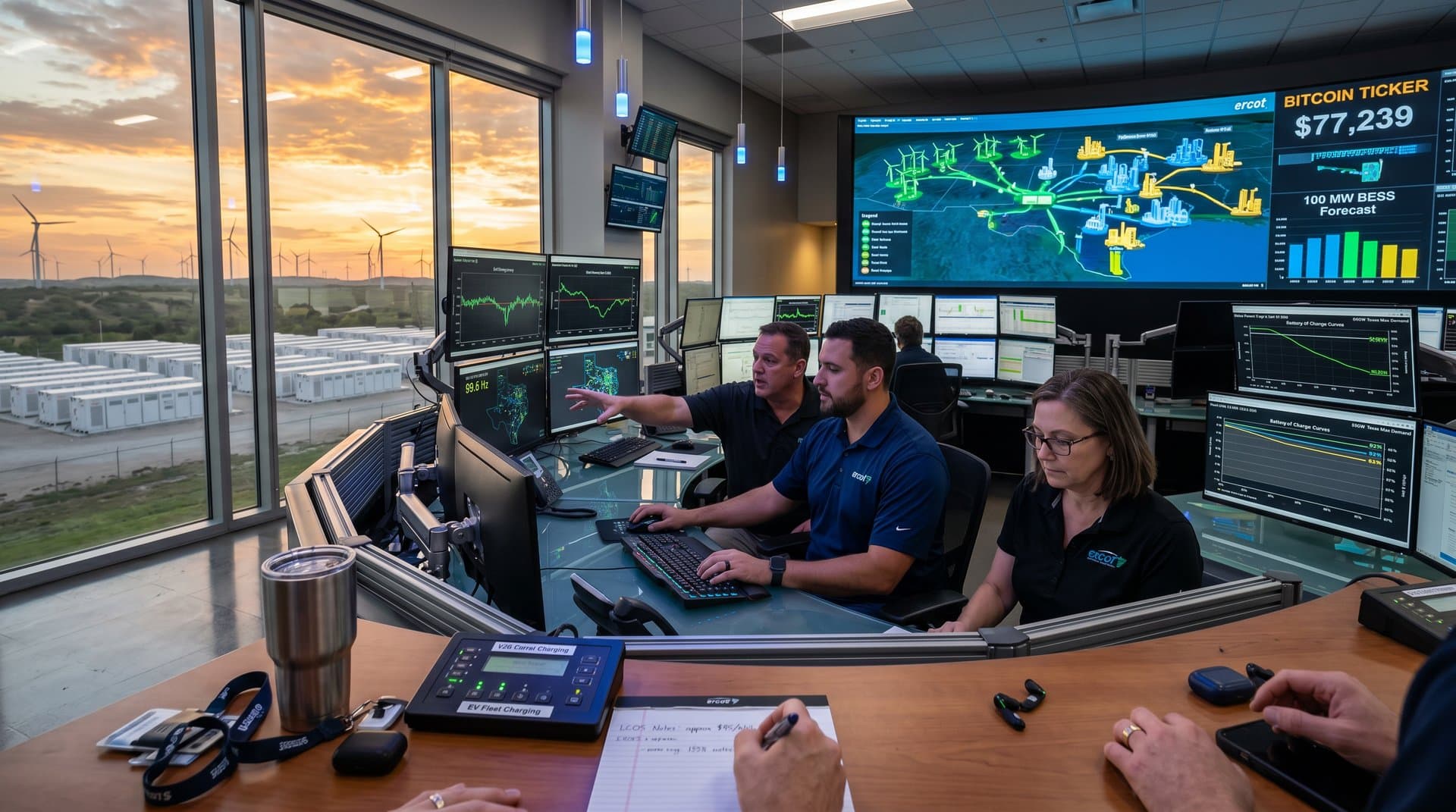
Bitcoin mining consumes 150 TWh yearly, mirroring AI training loads. Miners arbitrage storage at US$50/MWh price spreads.
Batteries buffer volatility across sectors. Healthcare AI adoption accelerates in 2025. US utilities procure 10 GW of storage for data centers. V2G integrates EVs seamlessly. These solutions ensure reliable ER diagnostics amid surging AI energy demands.
Frequently Asked Questions
What drives AI energy demands in ER diagnosis?
GPU clusters process scans 30% faster (Stanford), doubling data center power to 1,000 TWh by 2026 (IEA). Batteries buffer peaks.
How does battery storage meet AI energy demands?
LFP delivers 90-95% RTE, 80% DoD over 6,000 cycles (Sandia). Flow batteries extend to 12 hours at $150/kWh.
Why is EV V2G essential for AI grids?
Aggregates 10 GW capacity (NREL), with second-life packs at 70% retention. Pilots like Ford deliver 1 MW.
What supply chain factors affect scaling?
LFP prices at $10/kWh (Benchmark). US IRA funds 50 GWh lines; EU mandates recycled content.