- DOE projects 35 GW power demand from AI data centers by 2026.
- BloombergNEF forecasts 15 GW grid storage additions by 2028.
- Local resistance delays 20 GW data center pipeline in 12 states.
Grid storage demand surges as the US Department of Energy (DOE) projects AI data centers will consume 35 GW of power capacity by end-2026. Resistance emerges in 12 states, but utilities deploy battery energy storage systems (BESS) for peak management. BloombergNEF forecasts 15 GW new grid storage by 2028.
AI Data Centers Triple Power Demand
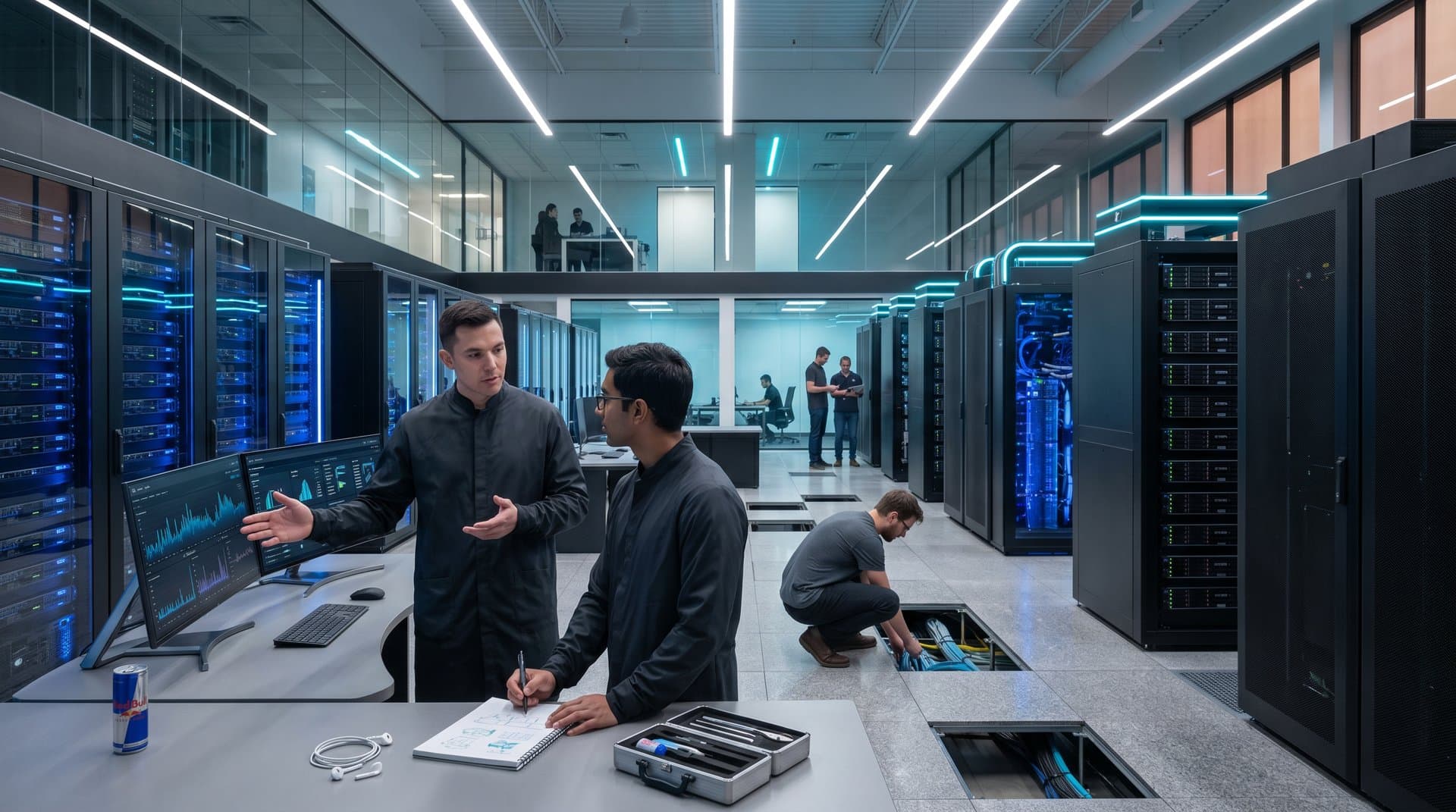
DOE estimates AI data centers will use 325 TWh annually by 2026, equating to 35 GW average capacity. Reuters reports a 160% rise from 2023 levels. Microsoft and Google lead hyperscaler expansions.
Data centers consume 4.4% of US electricity, per DOE. Matthias Kimmel, head of Americas research at BloombergNEF, notes AI models require constant high-density power. Facilities demand 99.999% uptime, limiting direct renewable integration without storage.
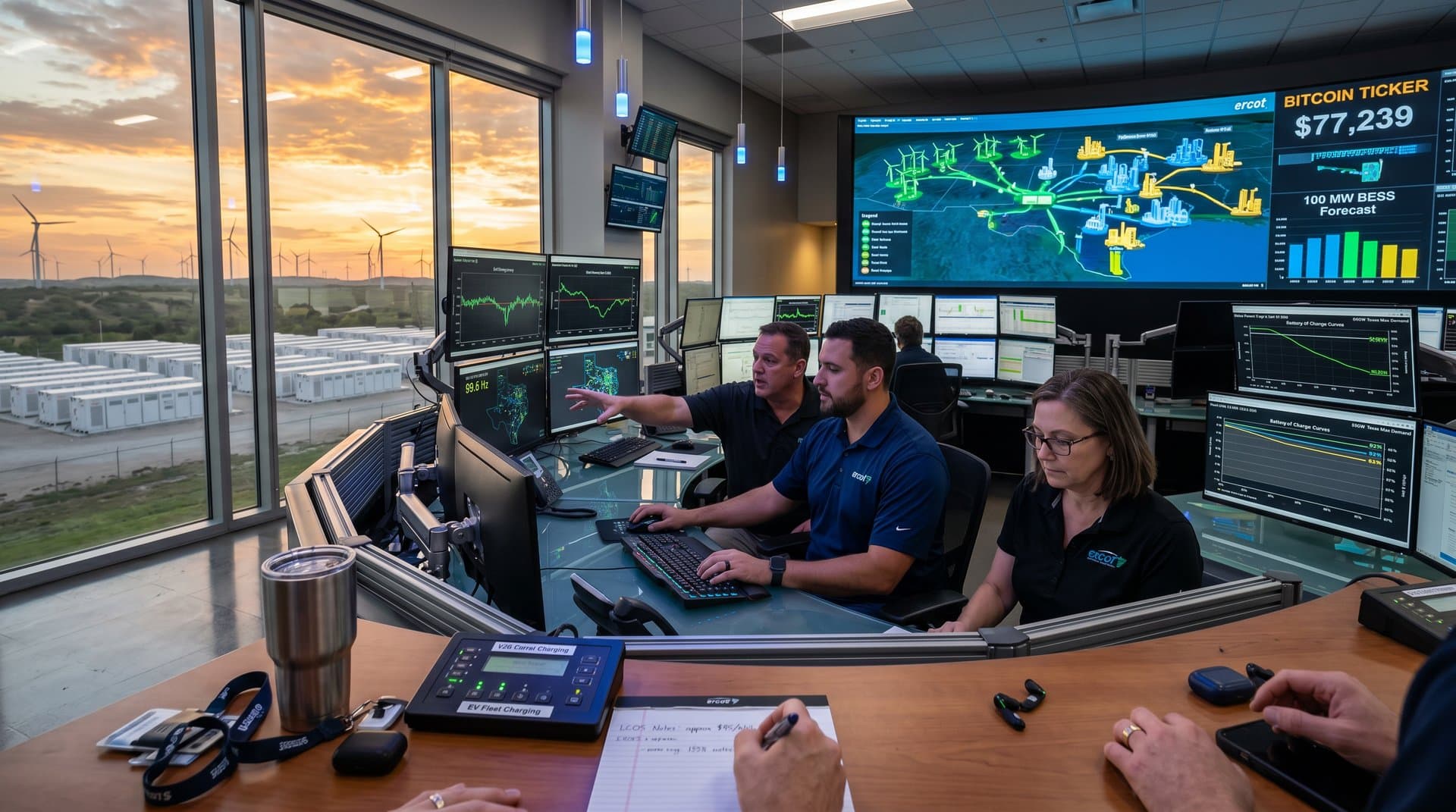
Peak loads hit summer evenings as solar output fades. BESS provides 4-hour discharge at 200 MW per site to shave peaks, per Wood Mackenzie analysis.
Grid Storage Bolsters Reliability
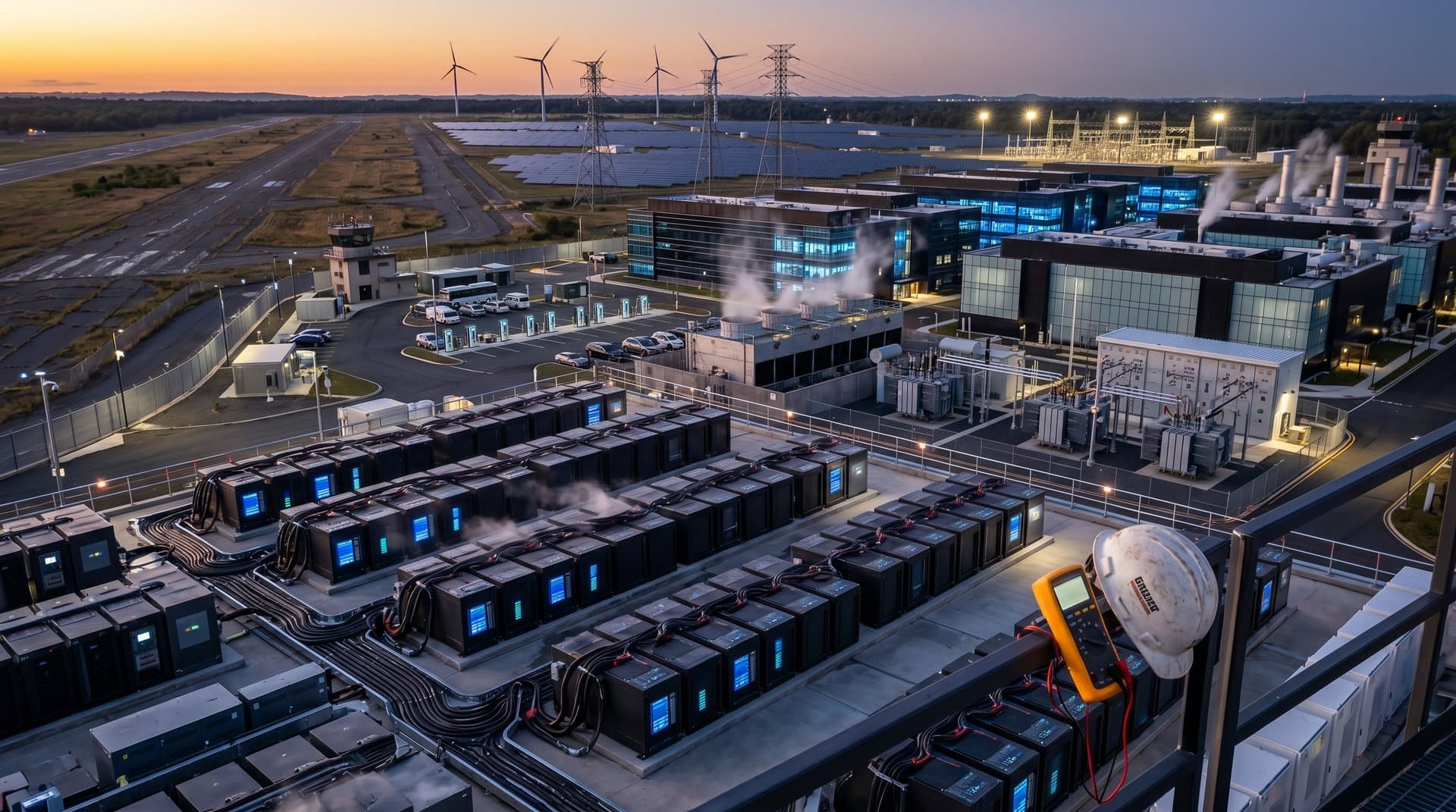
Utilities interconnect 5 GW BESS with data centers, according to Fluence Energy. The company supplied a 250 MW / 1,000 MWh lithium-ion system for a Virginia hyperscaler last quarter, achieving over 90% round-trip efficiency at 0.25C discharge.
Chris Garrett, research director for power and renewables at Wood Mackenzie, states grid storage cuts interconnection delays by 18 months. "BESS enables faster grid upgrades," Garrett says. FERC Order 2023 requires storage integration in 2,000 GW nationwide queues.
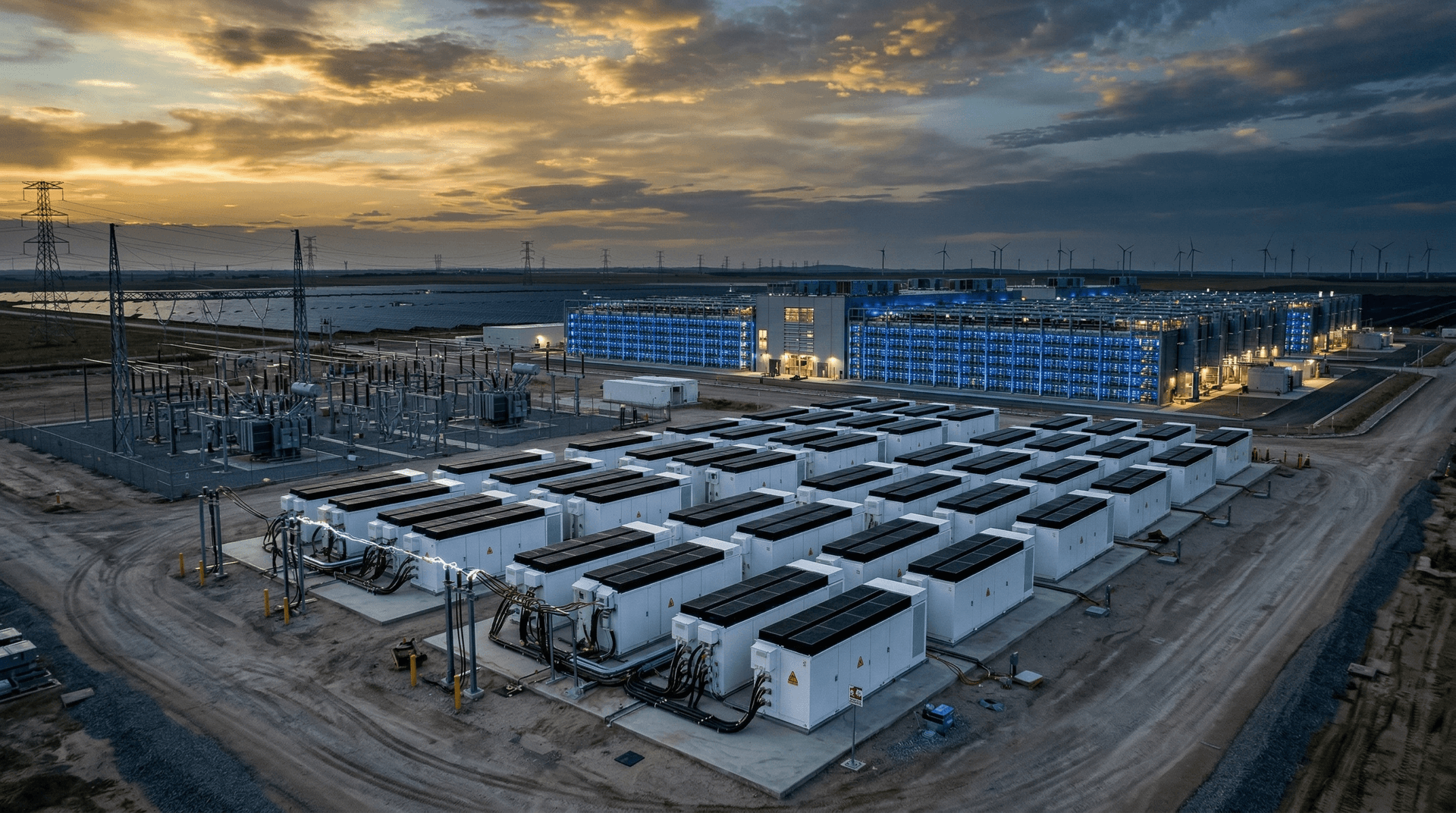
Co-location grows rapidly. NextEra Energy plans 1.2 GW storage paired with 800 MW data centers in Texas by 2027. Grid-scale BESS levelized cost of storage (LCOS) falls to USD 120/kWh, beating gas peakers at USD 150/kWh, per BloombergNEF.
Local Resistance Slows 20 GW Pipeline
CBS News details pushback in Georgia and Arizona. Residents oppose 20 GW proposed data centers due to grid strain and water use. Nine projects totaling 4 GW face moratoriums.
Mark Petri, vice president of grid systems at Fluence Energy, asserts storage mitigates risks. "One GW BESS offsets 2 GW fossil backup needs," Petri states. Nevada approved a 500 MW / 2 GWh facility co-located with data centers.
Interconnection queues hit 2,600 GW, per FERC data. Storage bypasses gas approvals, reducing costs 25%. EPRI models show BESS cuts 50 GW renewable curtailment by 30%.
Long-Duration Storage Advances
Lithium-ion dominates 85% of 4-hour grid storage deployments with 160 Wh/kg LFP cells and 6,000 cycles at 80% DoD. Iron-air batteries enable 100-hour discharge. Form Energy pilots 3 MW / 150 MWh units near Ohio data centers.
Sodium-ion targets USD 80/kWh. CATL delivered 100 MWh to California with 6,000 cycles at 80% depth of discharge and 160 Wh/kg energy density.
Vehicle-to-grid (V2G) pilots contribute 500 MW from EV batteries. Ford and PG&E connect 10,000 vehicles for 50 MW dispatch during AI peaks, per PG&E filings.
Policy and Investments Accelerate Growth
Inflation Reduction Act (IRA) offers 30-50% tax credits for BESS through 2032. States mandate 5 GW procurement by 2028. California SB 100 requires 15 GW for data loads.
FERC Order 1920 standardizes planning for 100 GW clean energy. BloombergNEF predicts 50 GW cumulative storage by 2030, with AI driving 40%.
Investments reached USD 12 billion in Q1 2024. BlackRock finances 2 GW Fluence projects.
Commercialization Timelines Shorten
Tesla Megapack production scales to 100 GWh/year. Lead times drop to 6 months from 18. Powin ships 850 MW from Oregon.
Solid-state batteries remain at TRL 5. QuantumScape targets 500 Wh/kg by 2028, but grids favor LFP at USD 55/kWh packs with 92% retention after 10 years.
Degradation stays below 1% per 1,000 cycles in hot conditions. NREL tests confirm 92% capacity retention after 10 years at 40°C.
Grid storage must double annually to match AI growth. FERC co-location rules enable 10 GW deployments by 2027.