- Voyager 1 RTGs lose 4W/year from Pu-238 decay, now 220W total.
- NASA cuts PWS instrument, saving watts to run past 2027.
- BESS caps DoD at 80%, triage like Voyager for AI 2-3x peaks.
Voyager 1 power management drove NASA's Jet Propulsion Laboratory (JPL) to deactivate the plasma wave subsystem (PWS) instrument this week. Suzanne Dodd, Voyager project manager at JPL, confirmed it conserves several watts yearly from radioisotope thermoelectric generators (RTGs) declining 4 watts annually. Total output hits 220 watts electric.
JPL prioritizes cosmic ray, magnetic field, and low-energy plasma data. Engineers expect operations past 2027.
Voyager 1 RTG Specs Force 4W/Year Power Decline
Voyager 1 launched in 1977 with three RTGs at 470 watts electric initial output. Plutonium-238 decay cuts power 4 watts per year, per JPL's mission status page. Generators deliver 6-7% thermal-to-electric efficiency with no recharge.
Commands travel 15 billion miles with 22-hour light-speed delays. Telemetry monitors 30V voltages and temperatures for triage.
Suzanne Dodd noted, "Power margins shrink yearly; we power down methodically." This maximizes science from dwindling fuel, per JPL's spacecraft details.
BESS Rations Power Like Voyager 1 Power Management
Battery energy storage systems (BESS) limit discharges akin to Voyager instruments. Grid operators restrict lithium iron phosphate (LFP) depth of discharge (DoD) to 80% during AI peaks, said BloombergNEF analyst Rachel Chang.
AI data centers boost demand 2-3x, per International Energy Agency (IEA) executive director Fatih Birol's forecast. Hyperscalers pair 100 MW BESS with solar for frequency regulation.
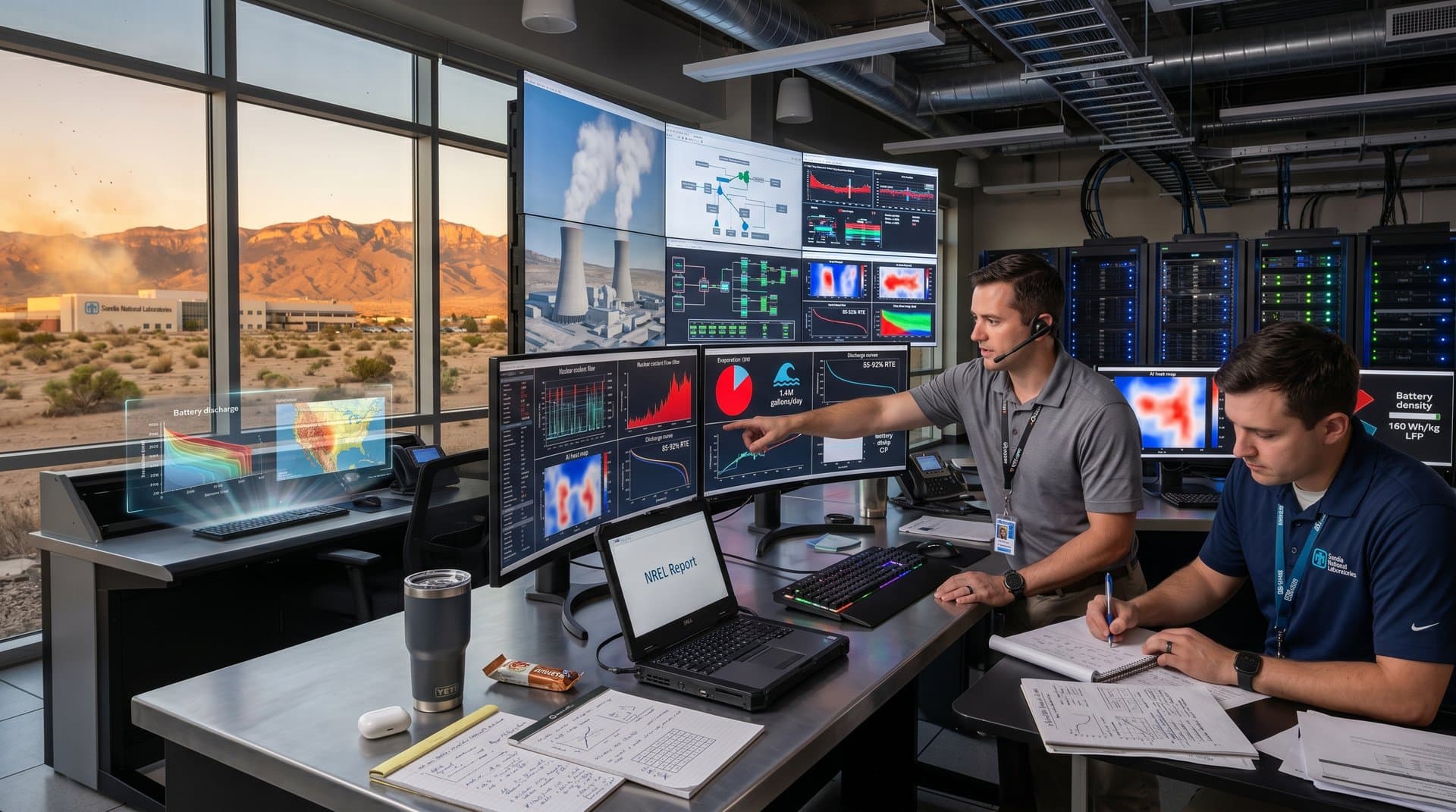
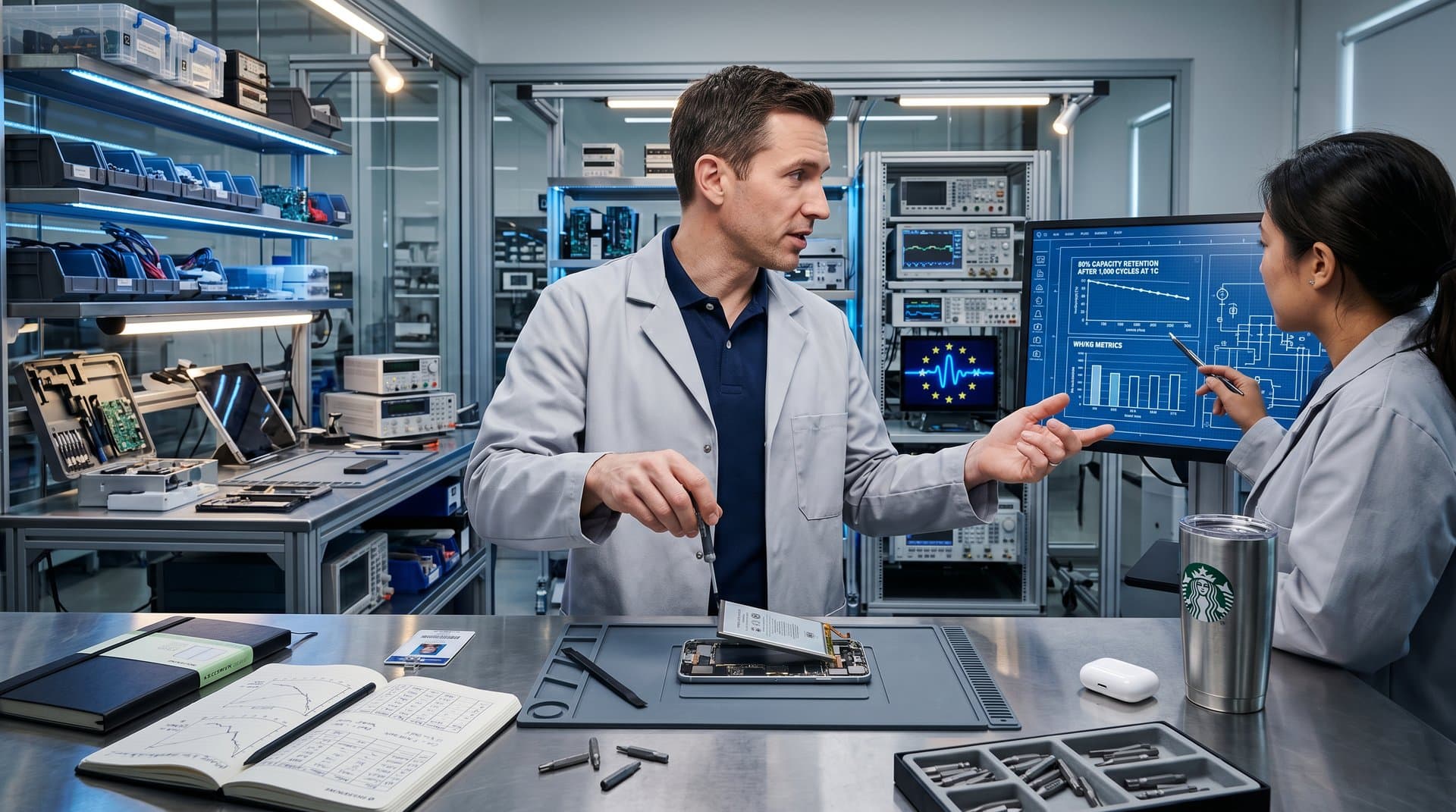
LFP packs hit 160 Wh/kg energy density, 85-90% round-trip efficiency at 0.5C, and 6,000 cycles at 80% DoD. Degradation matches RTG curves, reaching 80% capacity in 10-15 years.
AI Data Centers Adopt Voyager 1 Power Management Triage
AI model training uses 1-10 GWh each. BESS software buffers 4-hour wind intermittency.
Operators idle 20-30% GPUs for inference. Levelized cost of storage (LCOS) falls to USD 150/MWh at 100 MWh scale, per NREL's 2024 benchmark.
Equinix runs monthly BESS simulations like JPL models to dodge 50 MW spikes.
IRA and FERC 2222 Boost BESS Echoing Voyager Endurance
Inflation Reduction Act (IRA) offers 30% investment tax credit (ITC) for BESS over 5 MWh. Section 45X cuts LFP cell costs 20-30% to USD 40/kWh.
FERC Order 2222 opens wholesale markets. Wood Mackenzie principal Julia Sevryugina forecasts 1 TWh global BESS by 2030 via 10-fold growth, up from today.
California mandates 3 GW yearly additions through 2026. ERCOT adds 5 GW BESS to cut renewable curtailments 15%.
Second-Life Batteries Cut AI Costs Like Voyager Efficiency
Repurposed EV batteries hold 70-80% capacity at USD 40-60/kWh. Nissan pilots 1 MWh Leaf packs for data centers.
GM aims LFP 4680 cells at 250 Wh/kg stationary. Sodium-ion reaches 150 Wh/kg, USD 50/kWh without lithium risks.
Vehicle-to-grid (V2G) pilots under FERC review double cycle life via bidirectional flow.
Voyager 1 Power Management Shapes US BESS Roadmap
US eyes 100 GW BESS by 2030 with IRA aid. Software triage optimizes packs like JPL cuts.
Priya Mensah, energystoragenews.org analyst, said, "Voyager 1 power management at 122 AU proves conservative strategies deliver decades of reliability."
CATL ships 200 Wh/kg LFP pilots, linking labs to gigafactories as lithium hits USD 12,000/tonne.
Frequently Asked Questions
What drives Voyager 1 power management?
RTGs decline 4 watts/year from plutonium-238 decay. JPL cuts non-essential instruments to sustain 220 watts output past 2027, per Suzanne Dodd.
How does Voyager 1 power management apply to grid storage?
BESS limits DoD below 80% like instrument triage. AI data centers prioritize GPU loads under fixed budgets, per BloombergNEF.
What policies support grid storage inspired by Voyager 1 power management?
IRA ITC 30% and 45X credits drop LFP costs. FERC 2222 enables markets; WoodMac targets 1 TWh global by 2030.
Why use second-life batteries for AI data centers?
70-80% capacity at USD 40-60/kWh. LFP cycle life tops 6,000; V2G adds services under FERC review.