- UAE exits OPEC over 3.22M bpd quotas, per Financial Times Oct 2024.
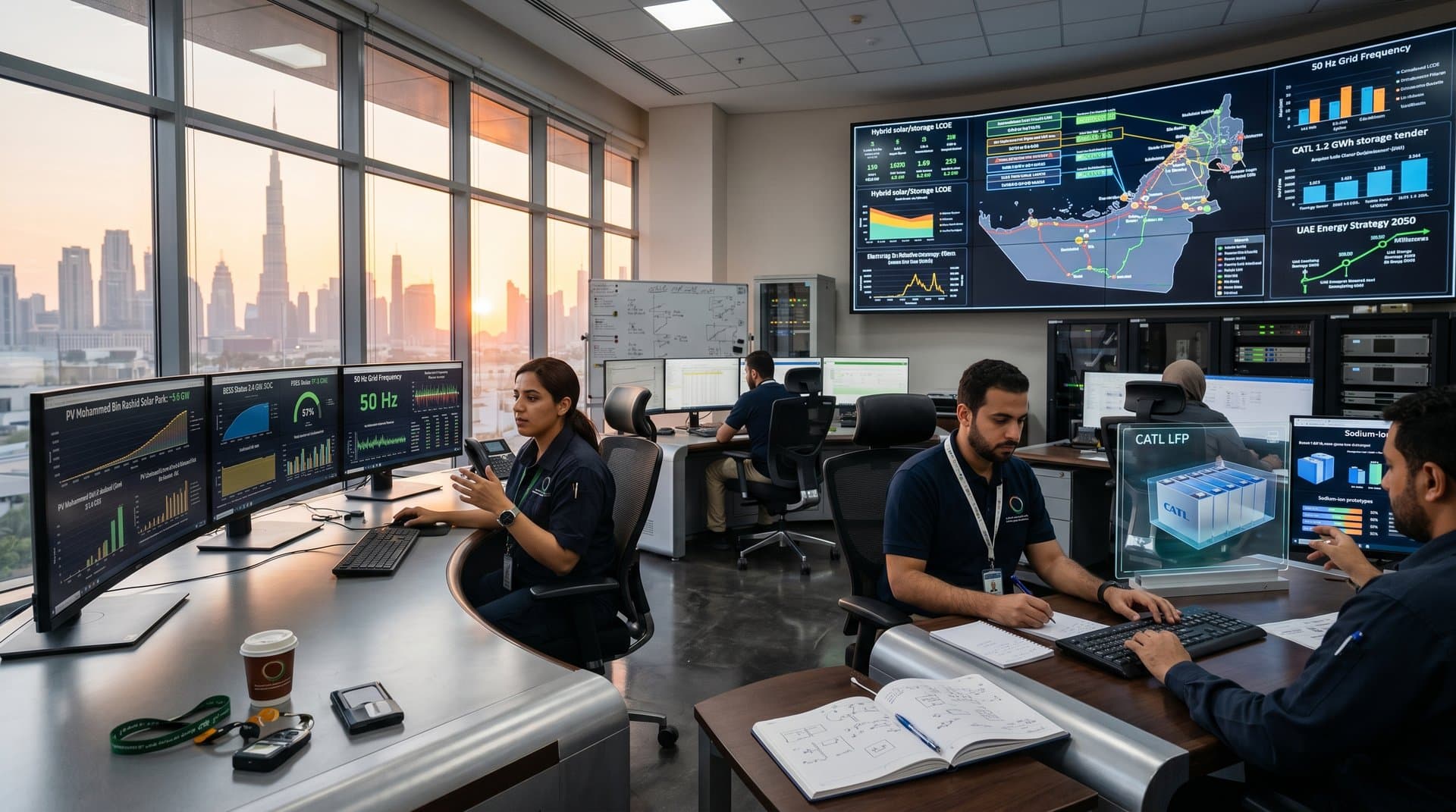
- DEWA awards CATL 1.2 GWh BESS for 300 MW/4-hour grid support, per Reuters.
- Masdar, DEWA target 2.4 GW storage by 2030 for 50% renewables mix.
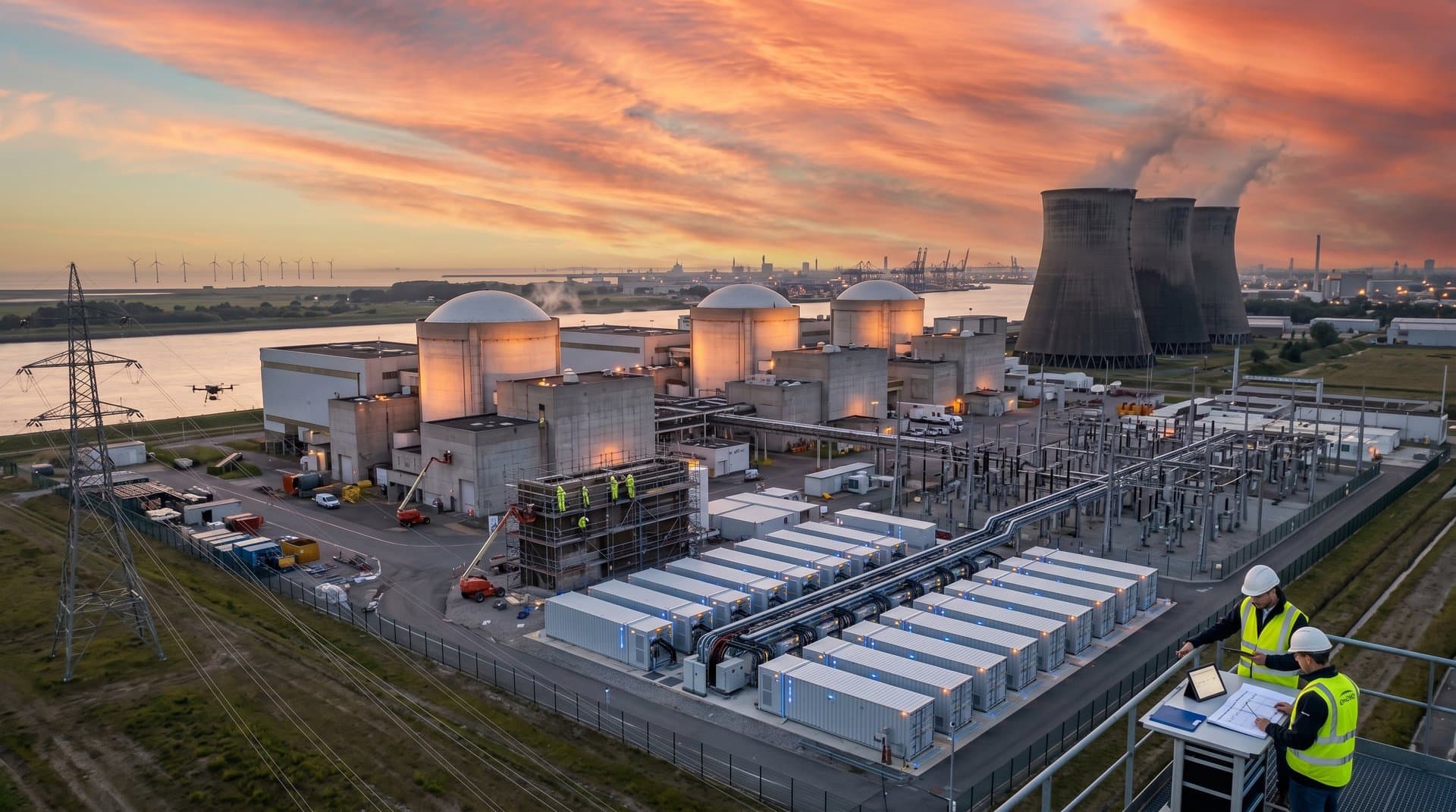
UAE exits OPEC over quota frustrations, accelerating energy storage demand for renewables integration. Financial Times reports the October 2024 trigger. Masdar and DEWA target 2.4 GW BESS capacity by 2030.
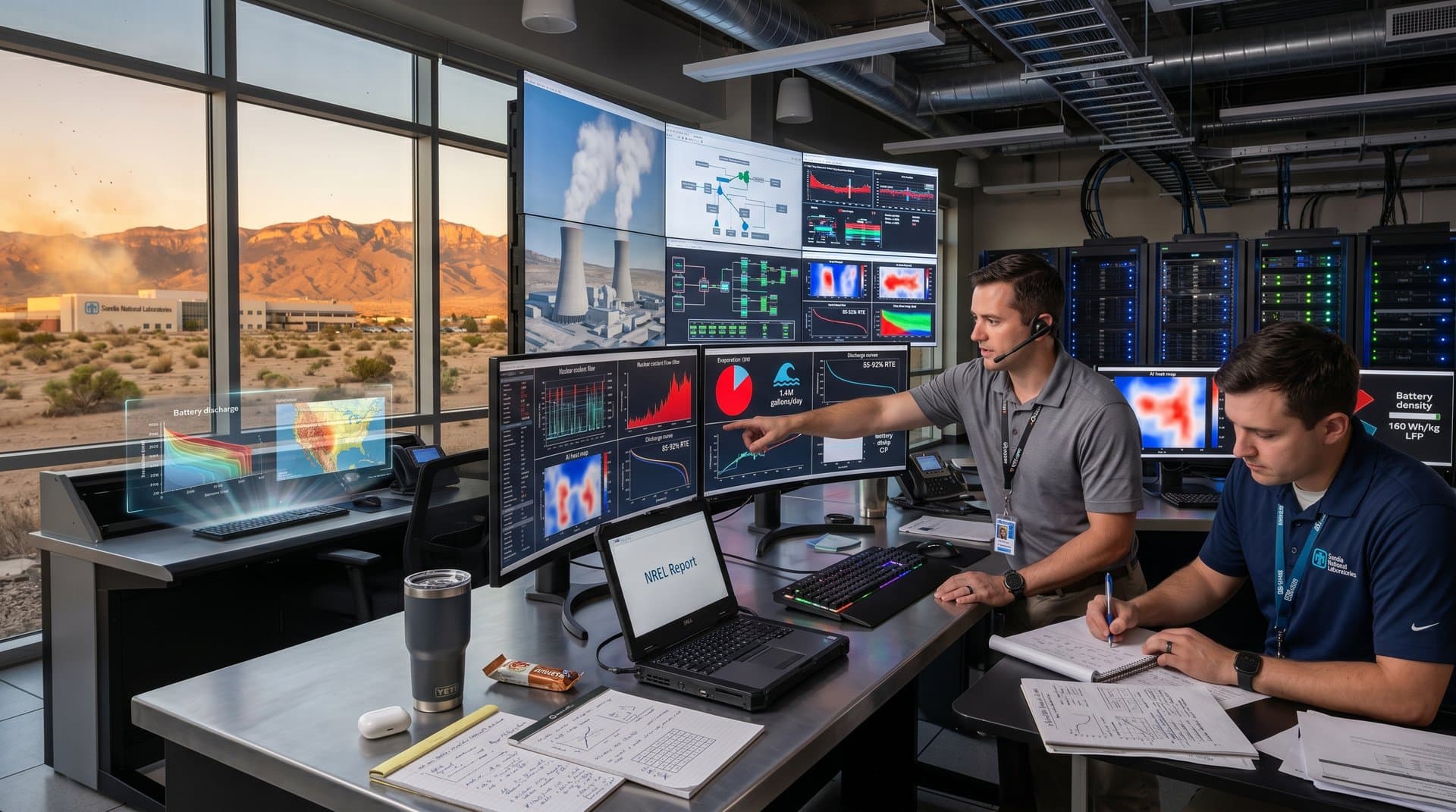
UAE Energy Strategy 2050 demands 50% clean energy. BESS counters solar intermittency with 85-90% round-trip efficiency (RTE), per NREL Annual Technology Baseline 2024.
OPEC+ cuts capped UAE's 3-4 USD/bbl fields at 3.22 million bpd since 2021. Exit unlocks exports and funds diversification.
OPEC Quota Frustrations Drive UAE Policy Shift
OPEC+ quotas limited UAE production to 3.22 million bpd. Abu Dhabi favors market-driven output. IEA World Energy Outlook 2024 (p. 145) notes Gulf producers' renewables shift.
Masdar builds a 10 GW renewables pipeline with PV-BESS hybrids. DEWA's Mohammed Bin Rashid Al Maktoum Solar Park adds 900 MWh storage.
Hybrids slash levelized cost of electricity (LCOE) to 20 USD/MWh. Storage LCOS drops below 150 USD/kWh, per IRENA 2023.
Energy Storage Bridges UAE's Oil-to-Renewables Transition
UAE installed 5.6 GW solar by Q3 2024, per Ministry of Energy and Infrastructure. BESS cuts 20-30% curtailment. IRENA 2022 data shows 30% reductions via 4-hour storage.
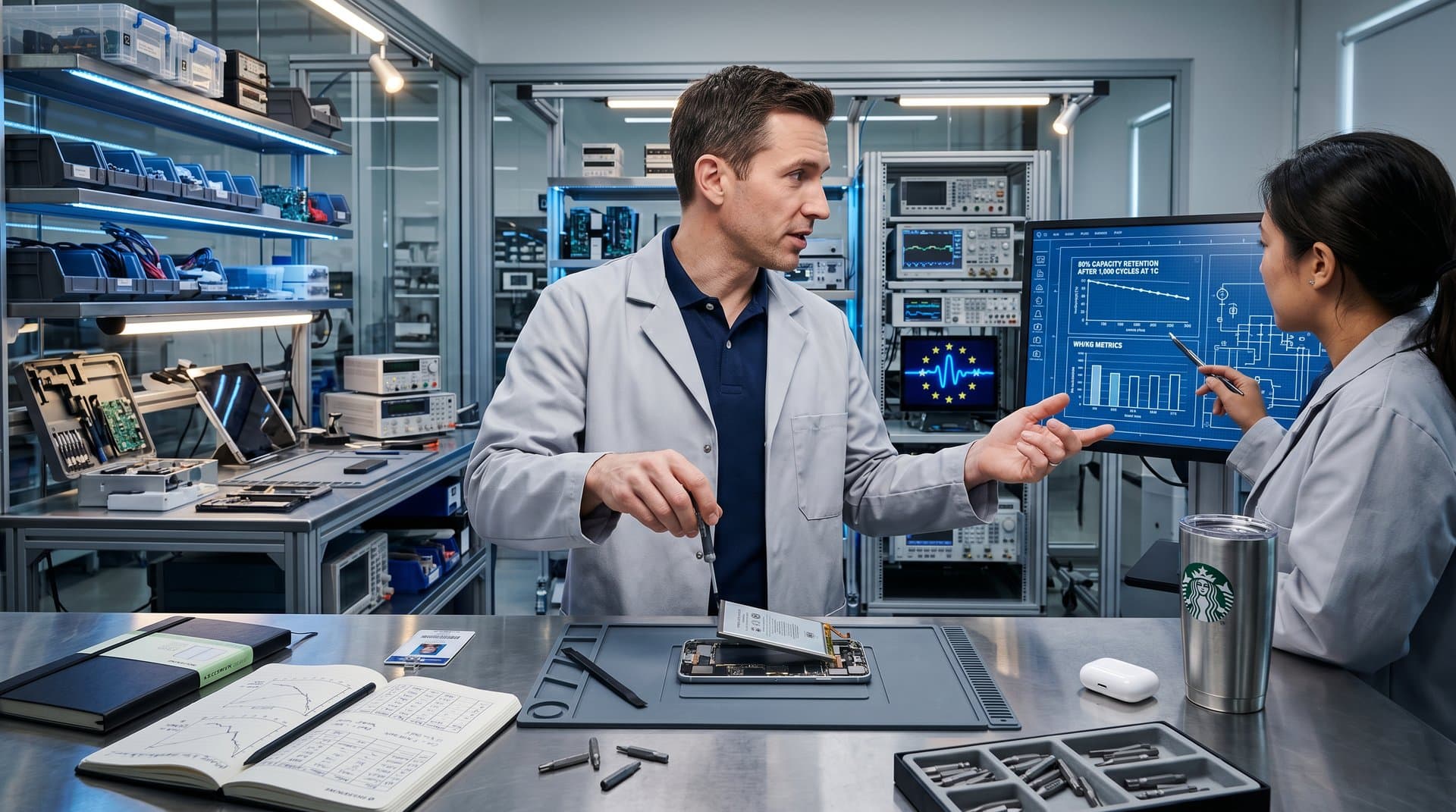
DEWA requires 90% depth-of-discharge (DoD) for LFP cells. CATL modules achieve 6,000+ cycles at 80% retention under IEC 62619.
BESS delivers 100 MW fast frequency response for 50 Hz grid stability.
DEWA Awards CATL 1.2 GWh BESS; Masdar Scales LDES
Reuters details DEWA selecting CATL and four others for a 1.2 GWh grid BESS tender in May 2024. Specs target 4-hour duration at 300 MW power.
Masdar pilots LDES with vanadium flow batteries for 8-hour discharge at 150 kW/MWh energy density. Iron-air tests reach 100-hour duration, per Form Energy specs.
UAE localizes supply chains: ADNOC explores lithium brines. Faradion's sodium-ion cells deliver 160 Wh/kg, cobalt-free.
Tenders mandate 20% storage co-location. Incentives target LCOS below 140 USD/kWh.
MENA Storage Boom Follows Gulf OPEC Shifts
BloombergNEF 2024 forecasts 22 GW MENA BESS by 2030. UAE tenders cut solar-plus-storage LCOE 25% to 25 USD/MWh.
Second-life EV batteries reduce costs 35-40%, per McKinsey. Sodium-ion scales to GWh at 140 USD/kWh.
HVDC links enable 1 GW exports paired with storage.
BESS Provides Grid Inertia and Optimization in UAE
Inertia-less grids use BESS virtual synchronous machines. Systems mimic 10 GW reserves with synthetic inertia.
AI enables arbitrage: charge midday solar at 0.2 USD/kWh, discharge peaks to save 0.15 USD/kWh.
Tesla's Hornsdale (150 MW/193.5 MWh) cut costs 90%, per AEMO. UAE expects 25% outage drops.
UAE's OPEC exit positions energy storage as net-zero foundation. Renewables reach 50% reliably by 2050. Saudi Arabia follows suit, per IEA. UAE leaving OPEC reshapes regional markets.
Frequently Asked Questions
Why is UAE leaving OPEC?
OPEC+ quotas cap low-cost exports at 3.22M bpd. Financial Times (Oct 2024) details revenue losses from cuts.
How does UAE leaving OPEC boost energy storage demand?
Frees funds for diversification. DEWA and Masdar deploy 2.4 GW BESS for solar, per UAE Energy Strategy 2050.
What storage technologies suit UAE renewables?
LFP BESS (CATL, 90% DoD, 88% RTE). LDES flow batteries (8h). Sodium-ion (160 Wh/kg, cobalt-free).
Will UAE OPEC exit impact global energy storage markets?
Triggers 22 GW MENA boom by 2030 (BloombergNEF). Leads hybrid tenders, LCOE drops 25%.