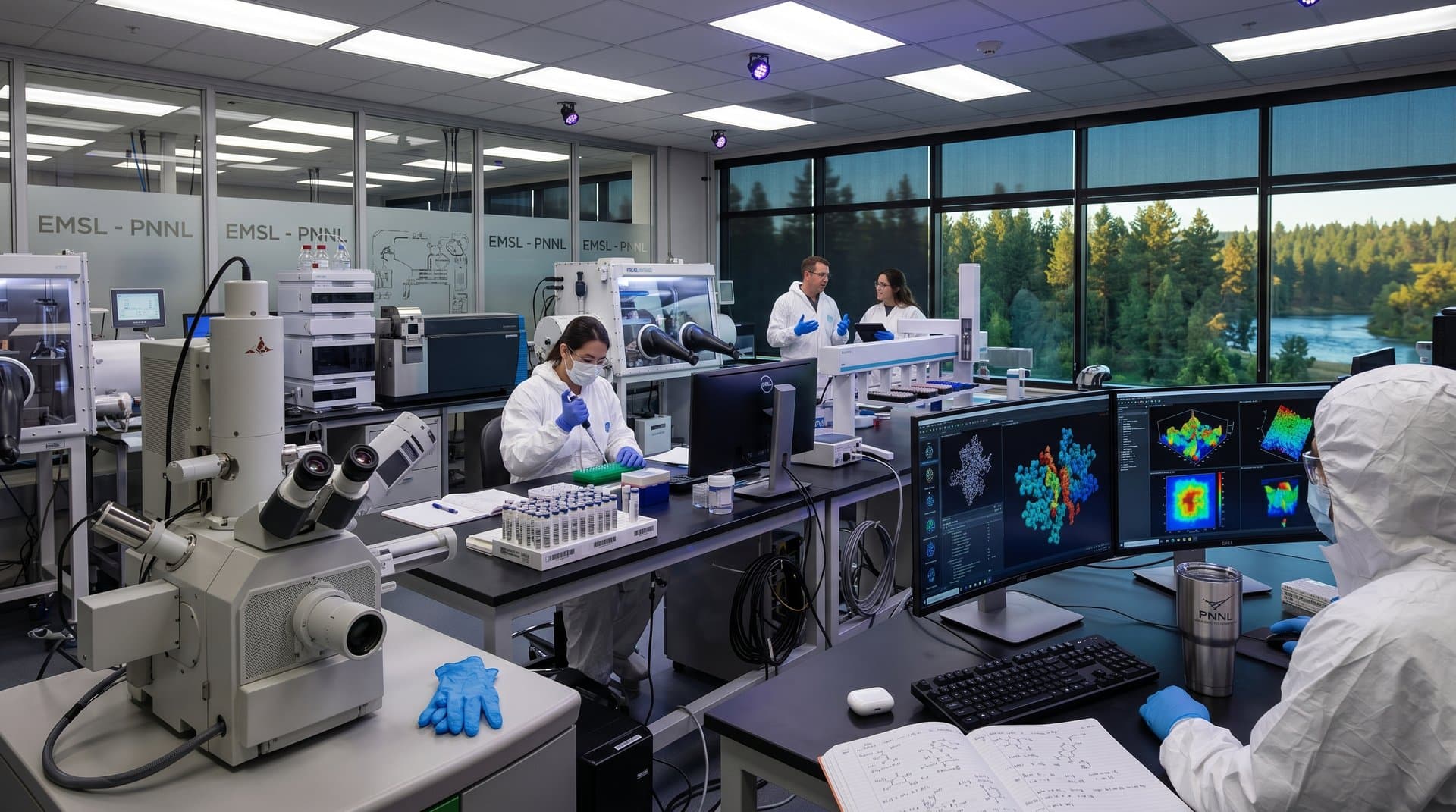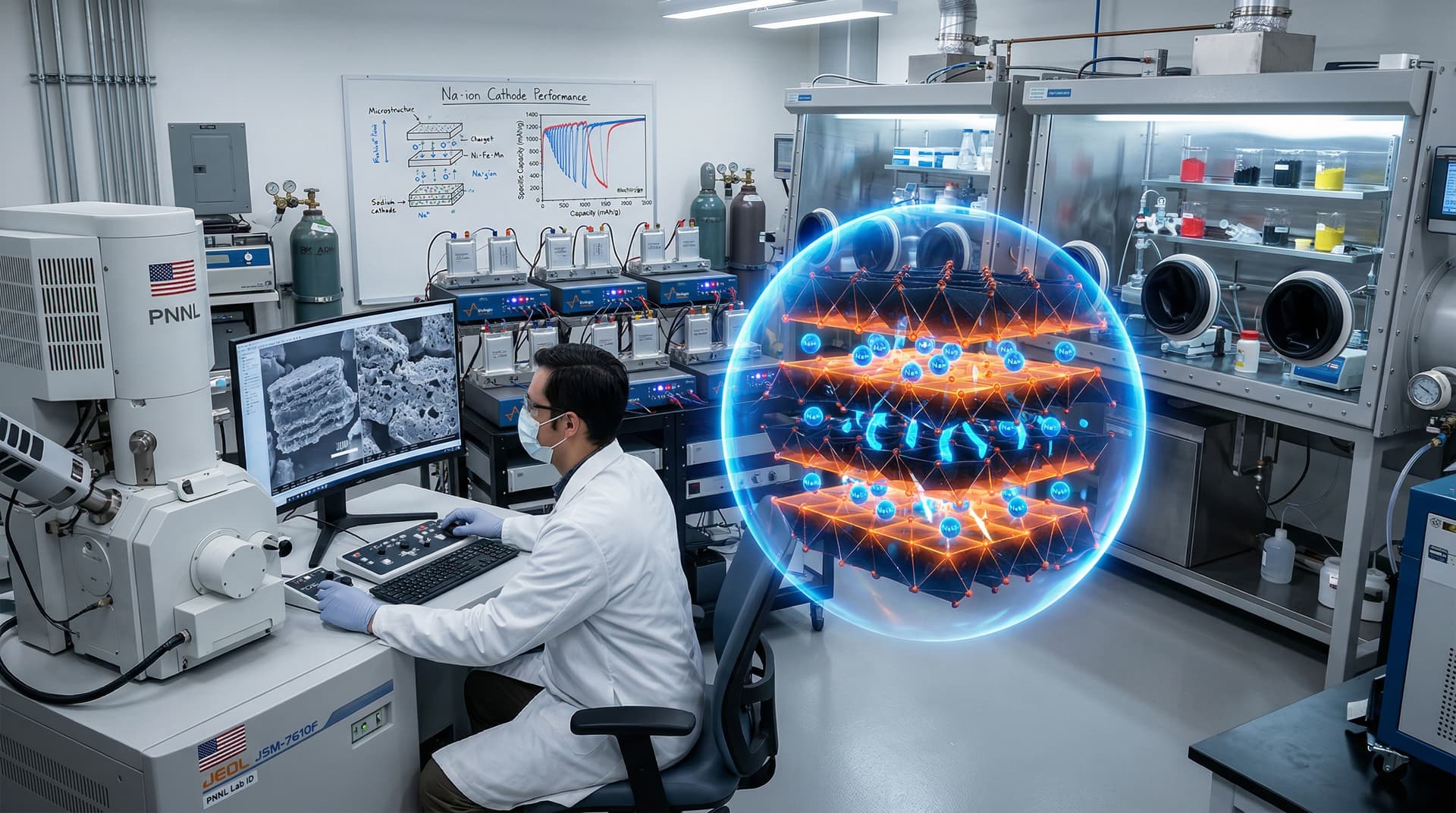
In a significant development for next-generation battery technologies, researchers at the Pacific Northwest National Laboratory (PNNL) announced on May 4, 2022, a new cathode material for sodium-ion batteries that rivals the performance of state-of-the-art lithium-ion cathodes. Published in the journal Joule, the work details a carefully engineered layered oxide cathode composed of equal parts nickel, iron, and manganese—Na(Ni₁₃Fe₁₃Mn₁₃)O₂—that delivers high energy density, superior rate capability, and impressive cycle life.
This breakthrough addresses one of the key hurdles in sodium-ion battery adoption: cathode performance. Sodium-ion batteries, which use abundant and inexpensive sodium instead of scarce lithium, have long promised a cost-effective alternative for grid energy storage and electric vehicles. However, their cathodes have historically lagged behind lithium-ion counterparts in capacity and stability.
The Science Behind the Cathode
Led by materials scientist Xiaolin Li and colleagues, the PNNL team optimized the cathode's composition through a systematic exploration of transition metal ratios. Traditional sodium layered oxides suffer from structural instability during charge-discharge cycles, leading to capacity fade. By fine-tuning the Ni:Fe:Mn ratio to 1:1:1, the researchers achieved a crystal structure with minimal defects and enhanced sodium-ion diffusion pathways.
Key performance metrics are compelling:
- Specific capacity: Up to 180 mAh/g at low rates, approaching nickel-rich NMC cathodes used in premium EV batteries.
- Energy density: Around 180 Wh/kg in full cells, competitive with lithium iron phosphate (LFP) systems.
- Cycling stability: Retains over 90% capacity after 500 cycles at moderate rates.
- Rate performance: Maintains 120 mAh/g even at high C-rates, ideal for grid applications requiring rapid response.
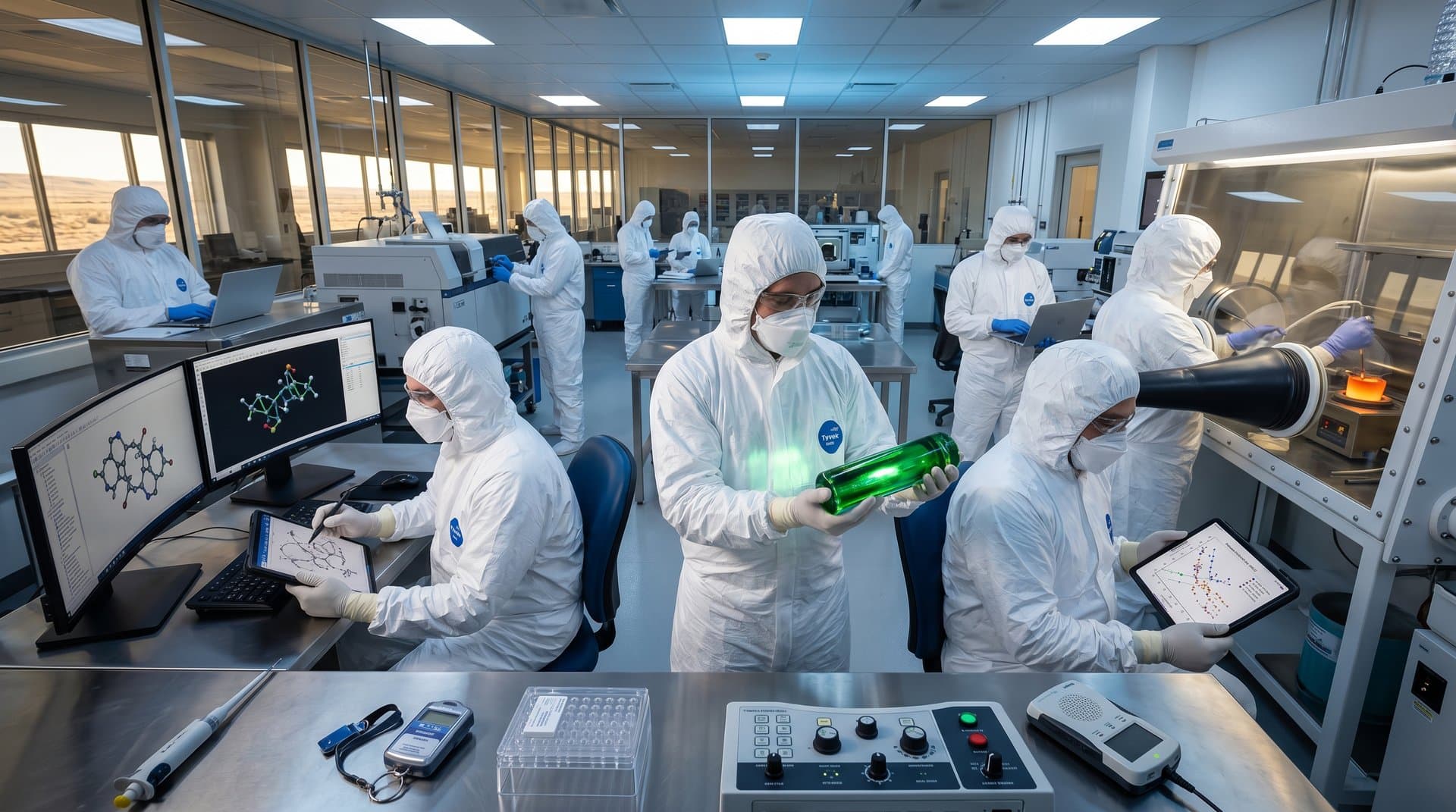
The material was synthesized via a high-temperature solid-state method, scalable for industrial production. Paired with a hard carbon anode and standard carbonate electrolyte, prototype pouch cells demonstrated practical viability.
"We've cracked the recipe for a sodium-ion cathode that doesn't compromise on performance," said Xiaolin Li in the PNNL press release. "This equal-ratio oxide provides the stability and capacity needed to make sodium-ion batteries a real contender."
Why Sodium-Ion Matters for Energy Storage
Lithium-ion batteries dominate today's energy storage landscape, powering everything from EVs to utility-scale grids. However, lithium's supply chain vulnerabilities—concentrated in South America and Australia—and rising prices amid EV boom have spurred interest in alternatives. Sodium, the sixth most abundant element on Earth, can be sourced from seawater or salt deposits at a fraction of the cost.
Sodium-ion batteries offer additional advantages:
- Lower cost: No cobalt, nickel scarcity issues; iron and manganese are dirt cheap.
- Safety: Less prone to thermal runaway than high-nickel lithium-ion.
- Sustainability: Reduced environmental impact from mining.
- Temperature tolerance: Better performance in cold climates, crucial for grid storage in northern regions.
Yet challenges persist. Sodium ions are larger, slowing diffusion and stressing electrode structures. Early sodium-ion prototypes topped out at 100-140 Wh/kg, insufficient for many applications. PNNL's cathode pushes the envelope, closing the gap to 20-30% behind top lithium-ion packs.
Implications for Grid Technology
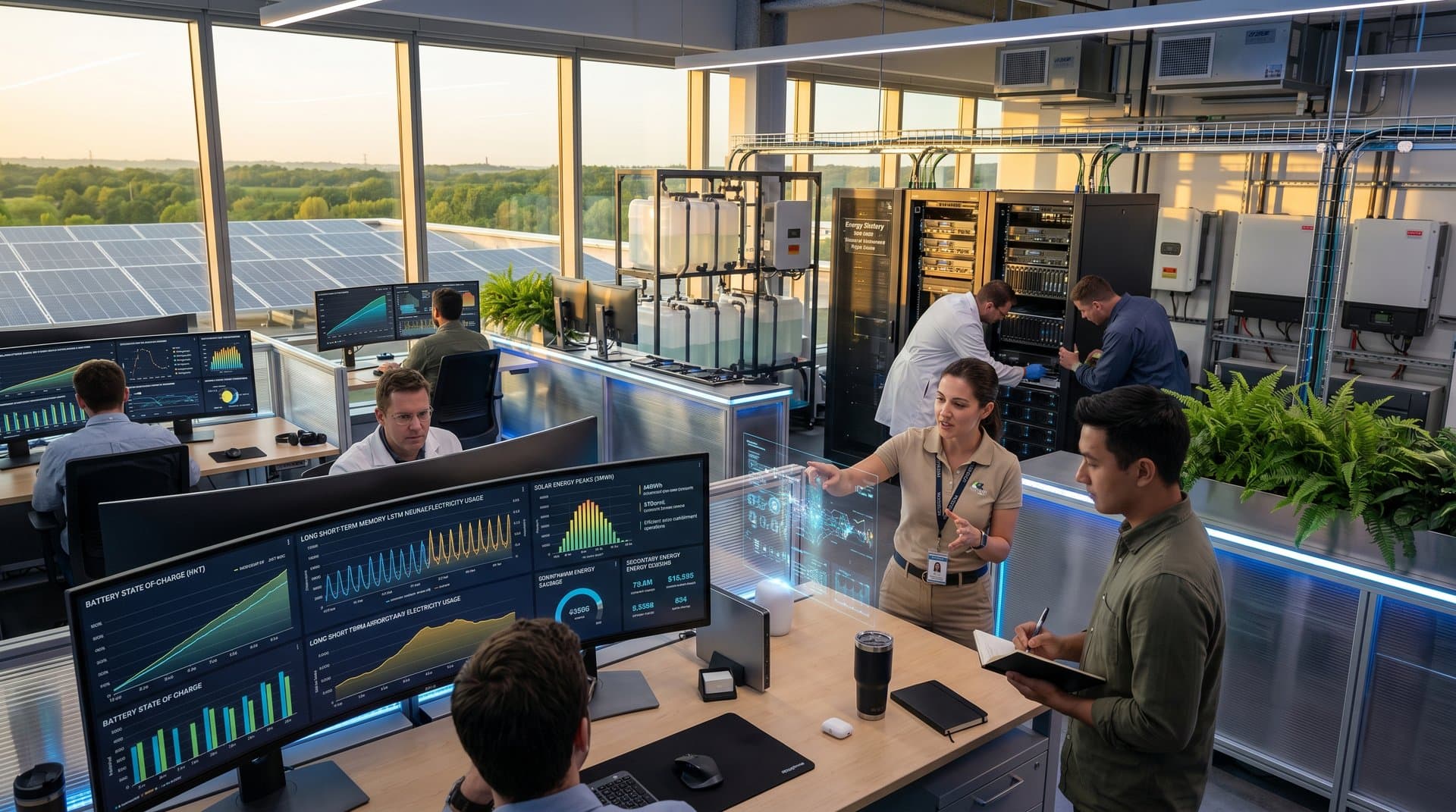
Grid-scale energy storage is the killer app for sodium-ion. With renewables like solar and wind intermittent, batteries must store excess energy for hours or days. Lithium-ion excels at short-duration (2-4 hours) but costs soar for longer. Sodium-ion, potentially 30-50% cheaper, could enable multi-hour storage at utility scale.
Companies like CATL and Faradion have sodium-ion pilots, but cathode limitations slowed progress. PNNL's open-access recipe—published without patents—invites industry collaboration. "This is a public good for accelerating sodium-ion deployment," noted co-author Jue Liu.
| Comparisons to competitors: | Chemistry | Energy Density (Wh/kg) | Cost ($/kWh) | Cycle Life |
|---|---|---|---|---|
| LFP Li-ion | 160-180 | 100-150 | 4000+ | |
| NMC Li-ion | 220-250 | 120-200 | 2000+ | |
| PNNL Na-ion | 170-190 | 50-80 (est.) | 2000+ |
Projections suggest sodium-ion packs could hit $50/kWh by 2025, versus $100+ for lithium-ion.
Path to Commercialization
PNNL's work builds on its Battery500 Consortium, aiming for 500 Wh/kg lithium systems but pivoting to sodium for abundance. Next steps include full-cell optimization, electrolyte tweaks, and scaling. Partnerships with Battery Innovation Center or national labs could fast-track pilots.
Globally, China leads sodium-ion with Altris and HiNa Battery shipping samples. Europe's Northvolt explores it for stationary storage. U.S. DOE funding, like the $2.8B Bipartisan Infrastructure Law battery grants, could boost this.
Challenges remain: Anode improvements (hard carbon vs. better options) and manufacturing scale-up. But PNNL's cathode de-risks the technology.
Broader Research Landscape
This fits a wave of sodium-ion advances. In 2021, Faradion's layered oxide hit 150 mAh/g; CATL demoed a sodium pack in EVs. PNNL's contribution stands out for balance across metrics.
As climate goals demand terawatt-hours of storage by 2030, per IEA, sodium-ion's role grows. Pairing with flow batteries or iron-air for long-duration complements lithium-ion.
In summary, PNNL's May 4 revelation marks a pivotal moment. By delivering lithium-like performance from earth-abundant materials, it edges sodium-ion closer to market, promising cheaper, greener grids. Watch for prototypes by 2023.
Word count: 912