- NEA launches 18-month AI pilots for nuclear BESS safety in 34 countries.
- Guidelines under NEA AI regulation finalize by late 2027.
- AI achieves 20% faster anomaly detection in BESS simulations.
NEA AI Regulation Deploys Pilots for Nuclear BESS
The Nuclear Energy Agency (NEA) launches predictive AI pilots within 18 months for battery energy storage systems (BESS) at nuclear plants across 34 OECD member countries. These address safety and grid stability amid 40% renewable penetration in Europe, per the NEA workshop report NEA announcement. Full guidelines arrive by late 2027.
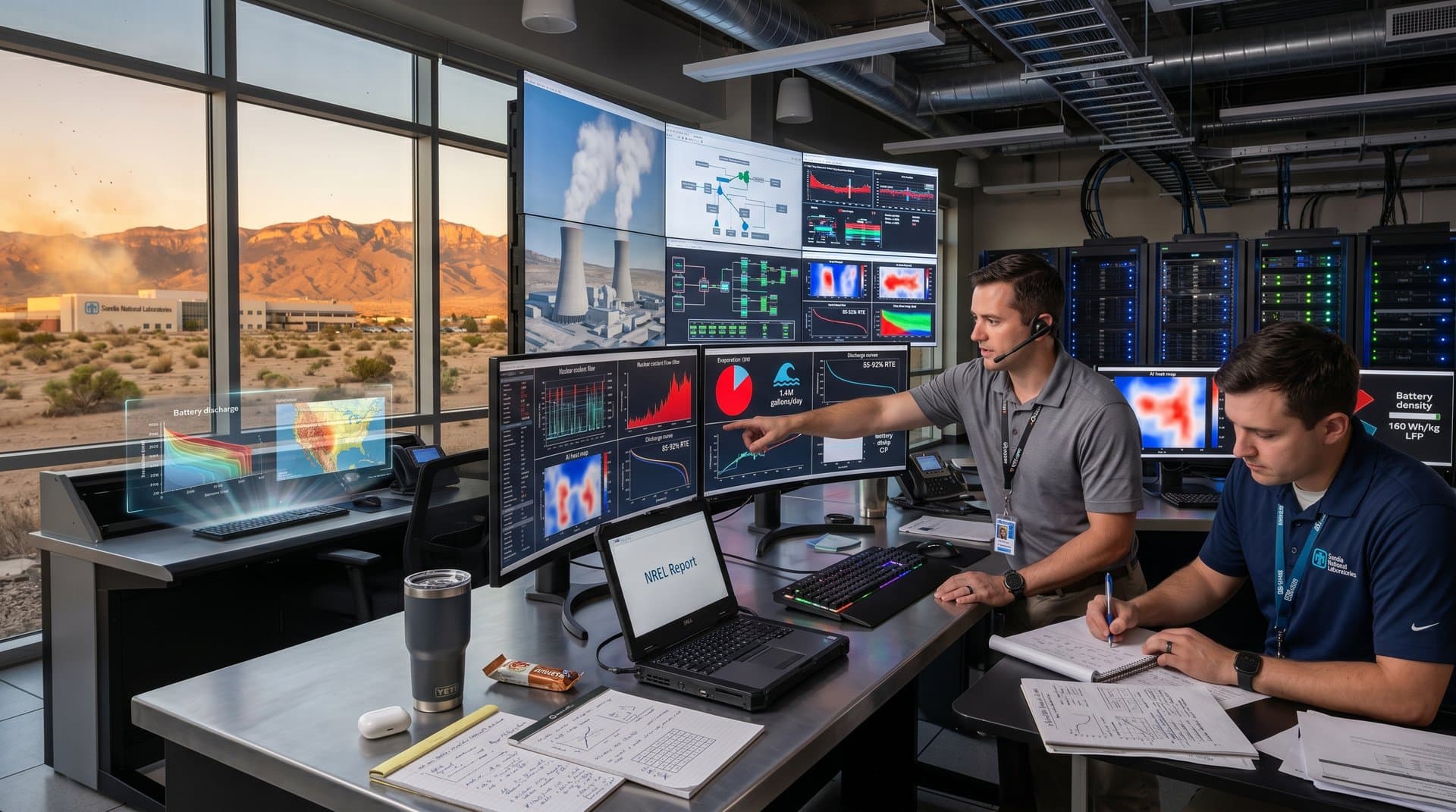
AI analyzes real-time depth of discharge (DoD) and round-trip efficiency (RTE) at 0.5C discharge rates for nuclear backup systems. This targets risks from variable renewables.
Predictive AI Enhances BESS Inspections at Nuclear Sites
NEA AI regulation embeds machine learning in BESS inspections. Sensors monitor lithium-ion degradation in black-start batteries, ensuring 99.9% reliability for control rod actuation during outages, per OECD-NEA findings OECD-NEA AI developments.
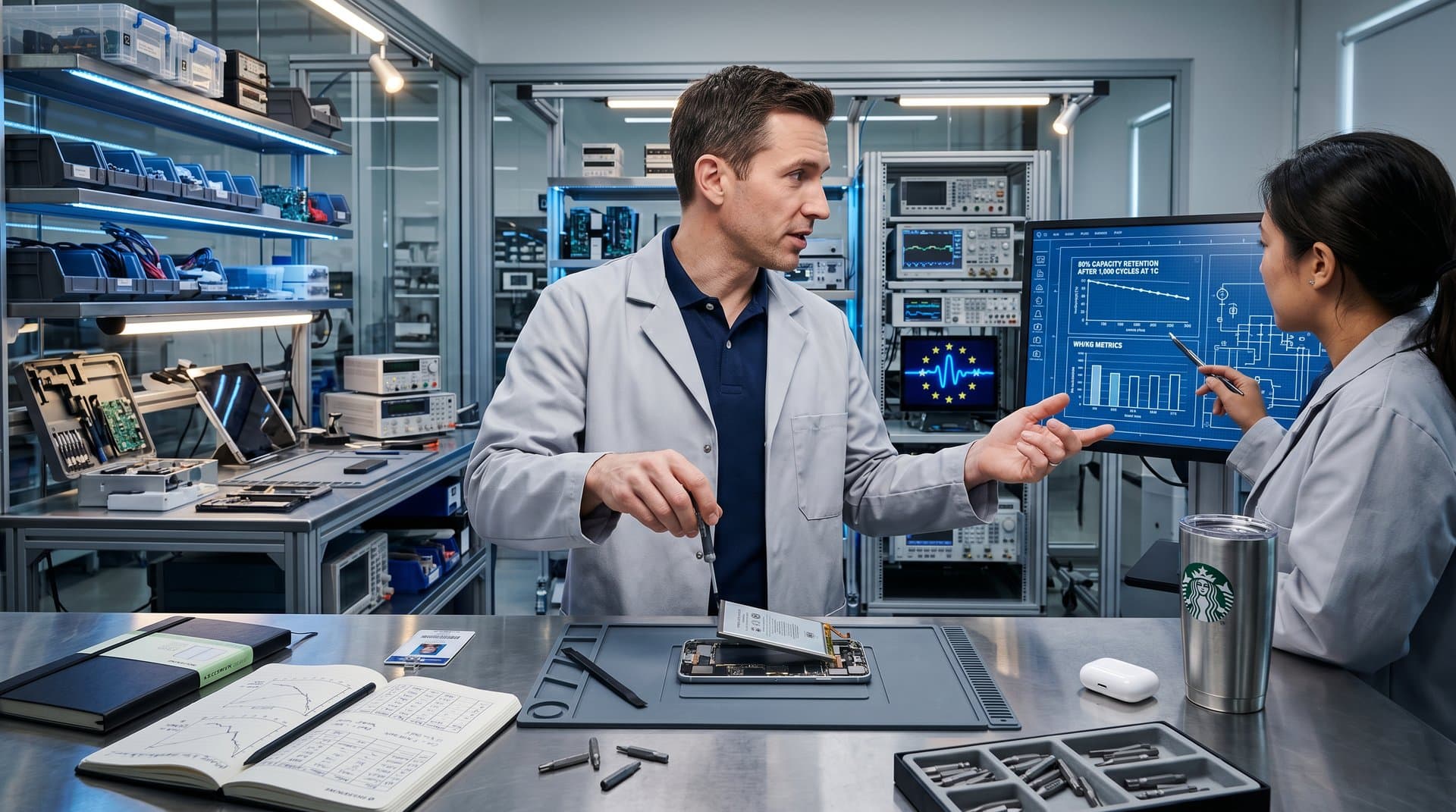
AI detects anomalies 20% faster than manual methods. It automates compliance with IEC 62619 safety standards through continuous data streams. Models run 1,000-cycle stress tests under seismic loads of 0.5g acceleration.
NEA requires explainable AI models. These provide regulators with interpretable decision paths, building trust in automated oversight.
AI Optimizes BESS Dispatch for Grid Stability
Nuclear plants supply 1 GW baseload power amid solar and wind variability. NEA AI regulation enables BESS dispatch for frequency regulation in 100 ms and voltage support within ±5% tolerances NEA AI workshop report.
Predictive analytics reduce demand forecast errors by 15%. Utilities like EDF integrate nuclear BESS data into grid models, cutting renewable curtailment by 10-12%. Co-located projects qualify for FERC Order 2222 fast-track permitting.
Levelized cost of storage (LCOS) falls 18% to USD 120/MWh through AI-driven maintenance predictions, per NEA modeling.
Stakeholder Endorsements and Implementation
EDF CEO Luc Rémont supports the initiative for 25% operational efficiency gains. Exelon calls for standardized APIs in BESS-nuclear interfaces. Fluence Energy demands regular AI bias audits.
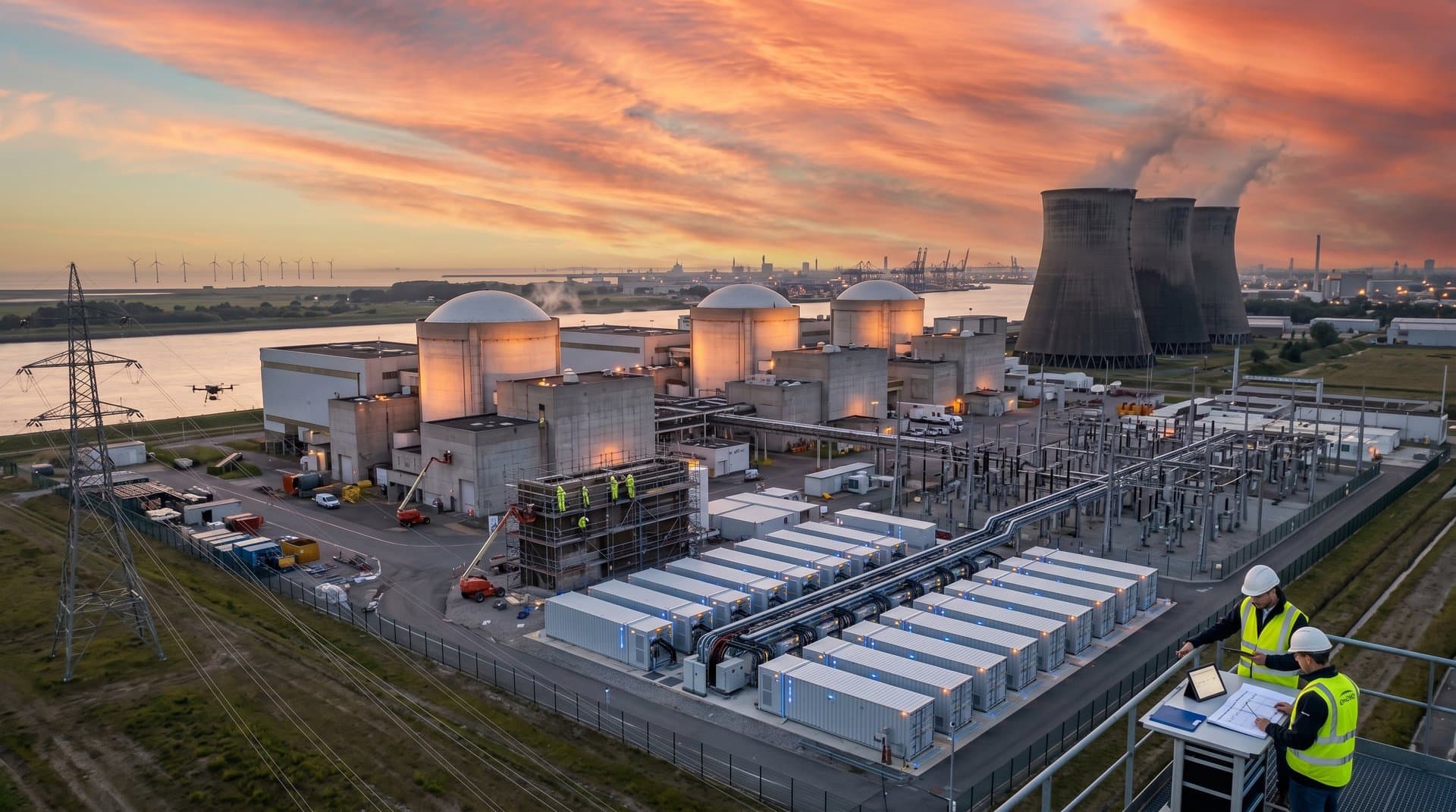
NEA establishes five working groups on AI safety, grid integration, data standards, supply chain resilience, and regulatory harmonization. Pilots deploy 100 MWh BESS at French and Swedish nuclear sites.
Training programs launch in Q4 2025, aligning with EU Battery Regulation 2023/1542. Data privacy complies with GDPR standards. Bias mitigation employs diverse datasets from global nuclear fleets.
Global Comparison of AI Frameworks
- Jurisdiction: NEA/OECD · AI Focus: BESS safety (RTE >95%) · Key Metric: 20% faster anomaly detection · Source: NEA Workshop 2024
- Jurisdiction: US NRC · AI Focus: Digital reactor twins · Key Metric: 99% uptime simulation accuracy · Source: NRC Guidelines 2023
- Jurisdiction: EU Euratom · AI Focus: Thermal management · Key Metric: 1,000-cycle validation · Source: Euratom Directive 2024
- Jurisdiction: China CAEA · AI Focus: Hybrid grid dispatch · Key Metric: 100 ms frequency response · Source: CAEA Reports 2024
NEA leads with BESS-specific rules. The US NRC trails on storage integration. Euratom targets 8-hour long-duration energy storage (LDES). China operates 2 GWh AI-monitored pilots IEA AI commentary.
Supply Chain and Geopolitical Implications
NEA AI regulation accelerates demand for AI-compatible cathodes from LG Energy Solution and CATL. Lithium sourcing links to Australian mines, reducing costs 12% via predictive yield optimization.
EU trade policies prioritize domestic NMC cells at USD 120/kWh. Geopolitical tensions over Congo cobalt (70% global supply) drive sodium-ion alternatives with 150 Wh/kg energy density and 4,000 cycles.
Recycling mandates under EU rules recover 95% of critical minerals, per BloombergNEF estimates. AI forecasts cathode pricing volatility tied to LFP vs NMC shifts.
Long-Term Impacts on LDES and Nuclear Revival
NEA AI regulation sets precedents for 10 GWh grid-scale projects. Nuclear capacity additions support 5 GW BESS deployments by 2030, according to IEA projections.
Manufacturers must certify RTE above 92% under AI-monitored audits per IEC 62660. Pilots validate scalability before commercial mandates.
Industry leaders monitor outcomes closely. NEA AI regulation strengthens nuclear BESS resilience as renewables approach 50% grid share.
Frequently Asked Questions
What is NEA AI regulation?
NEA AI regulation deploys AI for nuclear BESS oversight in 34 countries. Pilots enhance safety with predictive tools by 2027.
How does AI improve nuclear storage safety under NEA?
AI analyzes BESS data for 20% faster anomaly detection. Simulates stresses per IEC standards. Ensures explainable models.
What impact does NEA AI regulation have on grid stability?
Optimizes BESS dispatch for 100 ms frequency control. Cuts LCOS 18% to USD 120/MWh. Reduces renewable curtailment.
Why pursue NEA AI regulation now?
Renewables push grid complexity to 50% share. Nuclear BESS integrates LDES. NEA sets standards pre-EU rules.