- ITIF demands grid storage policy reforms to address 2 TW queues for AI data centers.
- Li-ion batteries hit 85-90% RTE at 1C per NREL (Rachna Handa et al.).
- LDES costs fall to USD 50-100/kWh for 8-100 hours (BNEF Q2 2024).
ITIF's Core Demands for Grid Storage Policy Overhaul
ITIF filed comments with the House Oversight Committee on April 16, 2024, urging grid storage policy reforms amid 2 TW interconnection queues for AI data centers (LBNL Queued Up report, Joey Kang et al., September 2023).
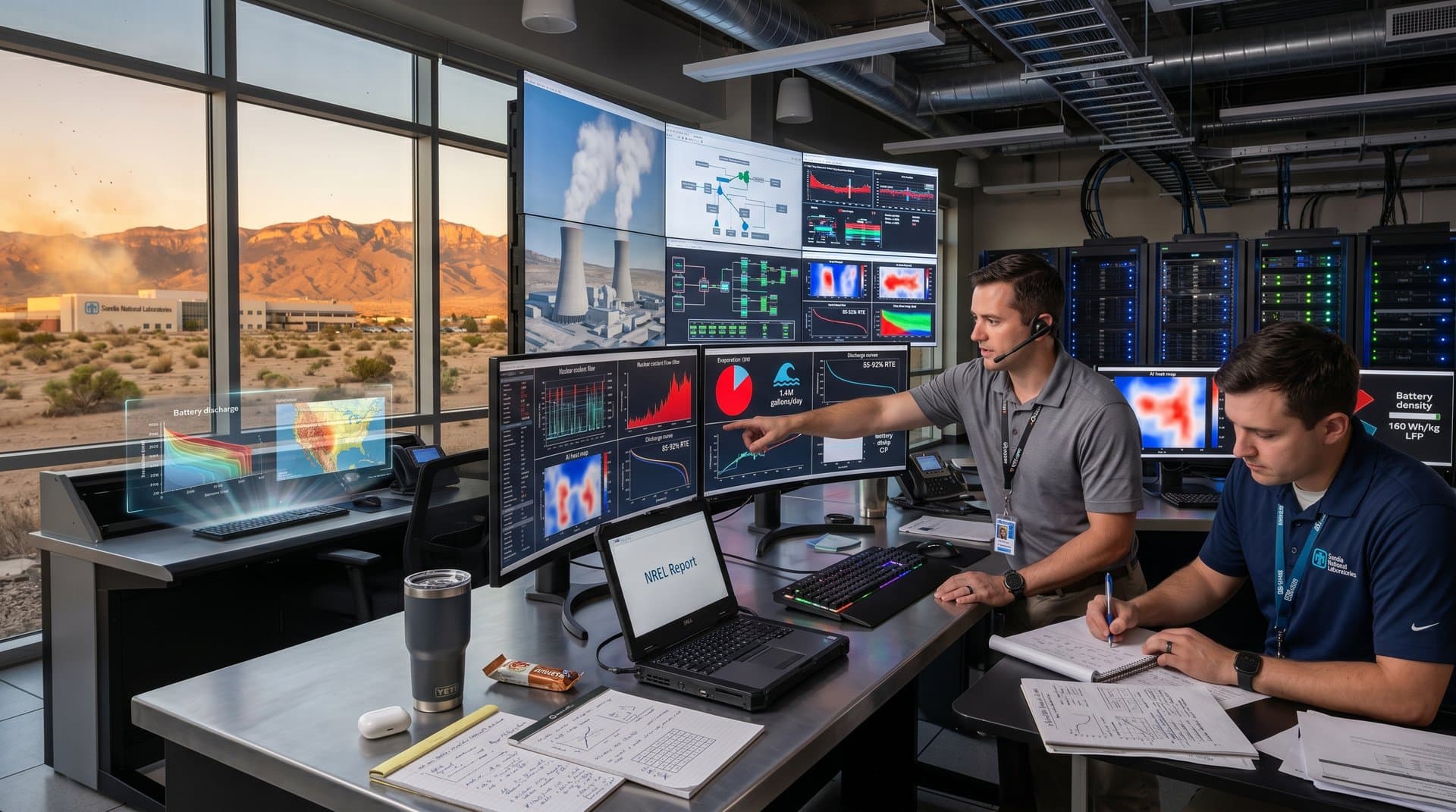
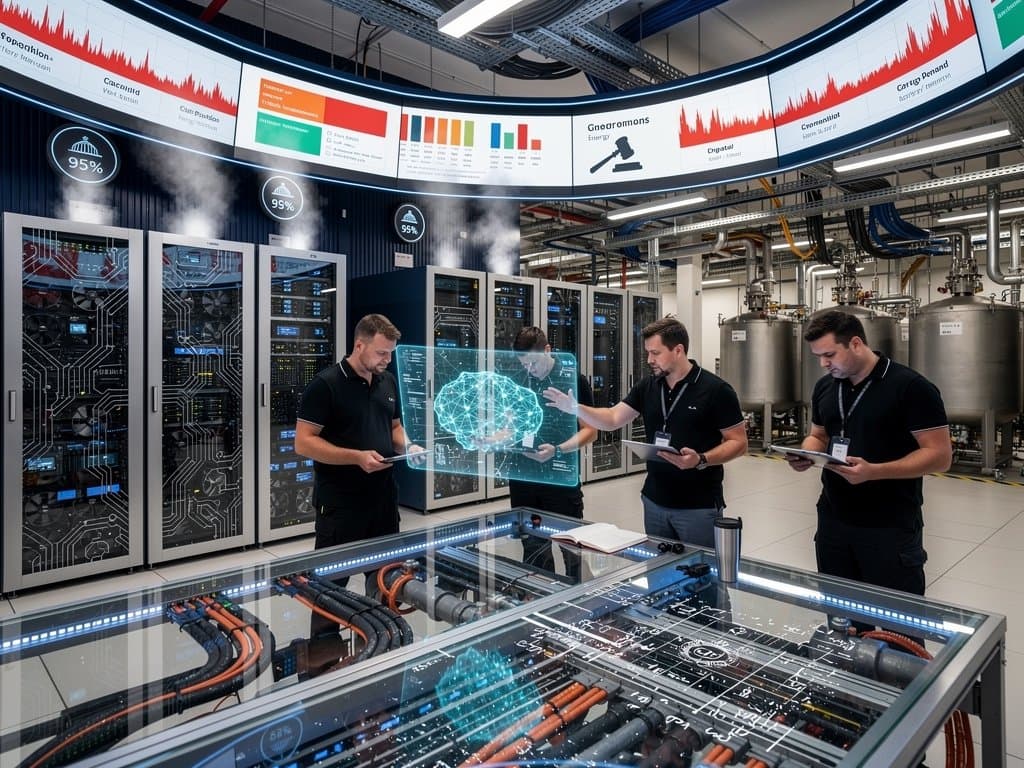
AI data centers consume power like small cities. Utility-scale batteries balance loads with frequency regulation and peak shaving.
Electricity Reliability Secures U.S. AI Leadership
ITIF President Robert D. Atkinson emphasizes reliable power for AI dominance. Data centers seek low-cost regions, but transmission constraints delay projects.
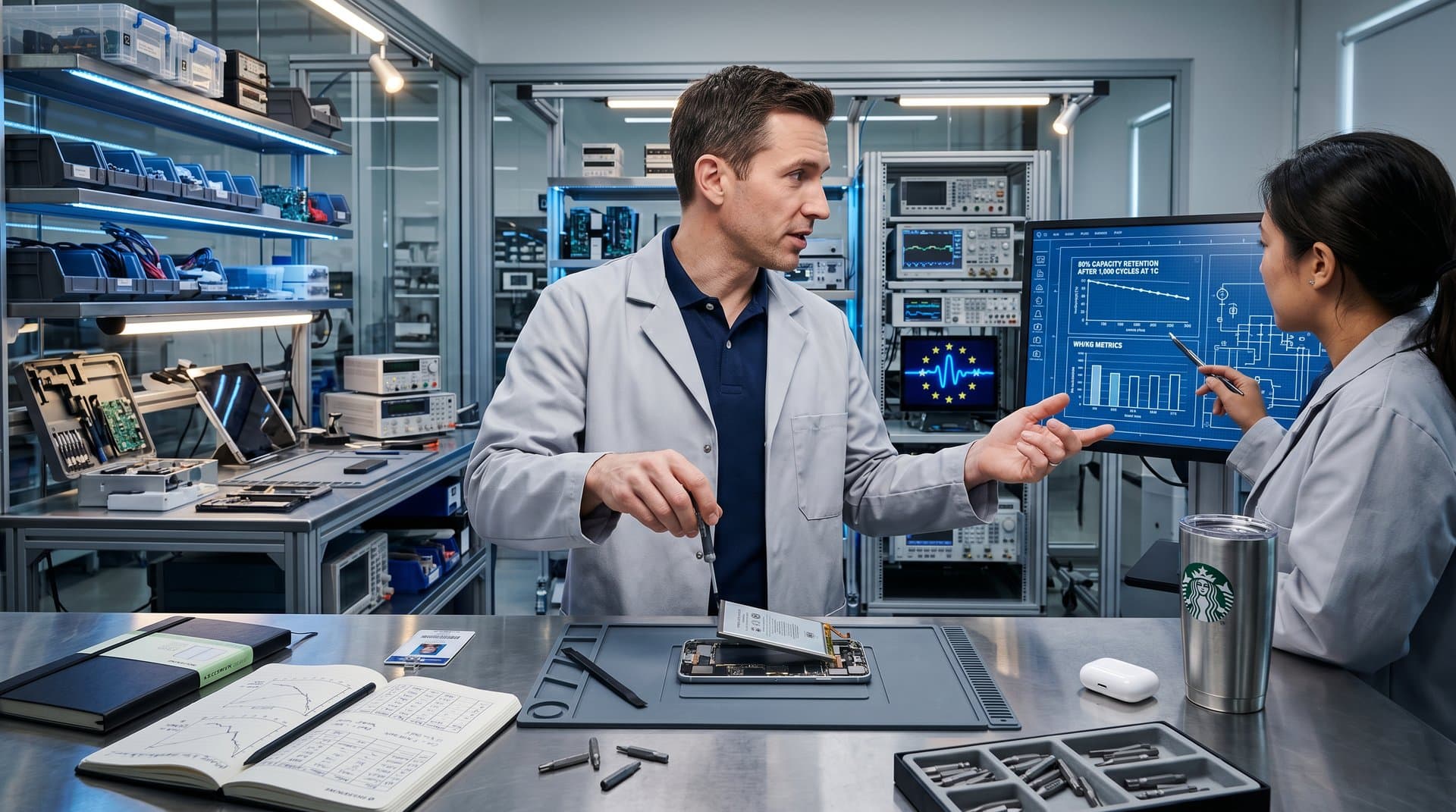
Lithium-ion batteries deliver 85-90% round-trip efficiency (RTE) at 1C discharge, per NREL's 2023 Cost Projections for Utility-Scale Battery Storage (Rachna Handa et al.). They enable arbitrage and ancillary services revenue.
ITIF’s report by Daniel Castro, ITIF Vice President, details queue delay risks. House Oversight examines AI energy impacts. ITIF views storage as essential enabler.
IRA Section 48 ITC drives 1-4 hour lithium-ion systems at 100-150 MWh scales.
Surging AI Demand Transforms Grid Storage Markets
Hyperscalers deploy behind-the-meter batteries. Front-of-meter units target wholesale markets. AI supports off-peak charging for load shifting.
Long-duration energy storage (LDES) provides 8-100 hour discharge. Vanadium flow batteries offer 25-35 Wh/L and 250 Wh/kg at 10,000 cycles; iron-air batteries reach 30 Wh/kg, 50 Wh/L at USD 50-100/kWh installed (BNEF Q2 2024 Long-Duration Storage Report).
FERC Order No. 841 (Docket RM18-9-000) standardizes storage market participation. FERC battery integration order opens revenue streams.
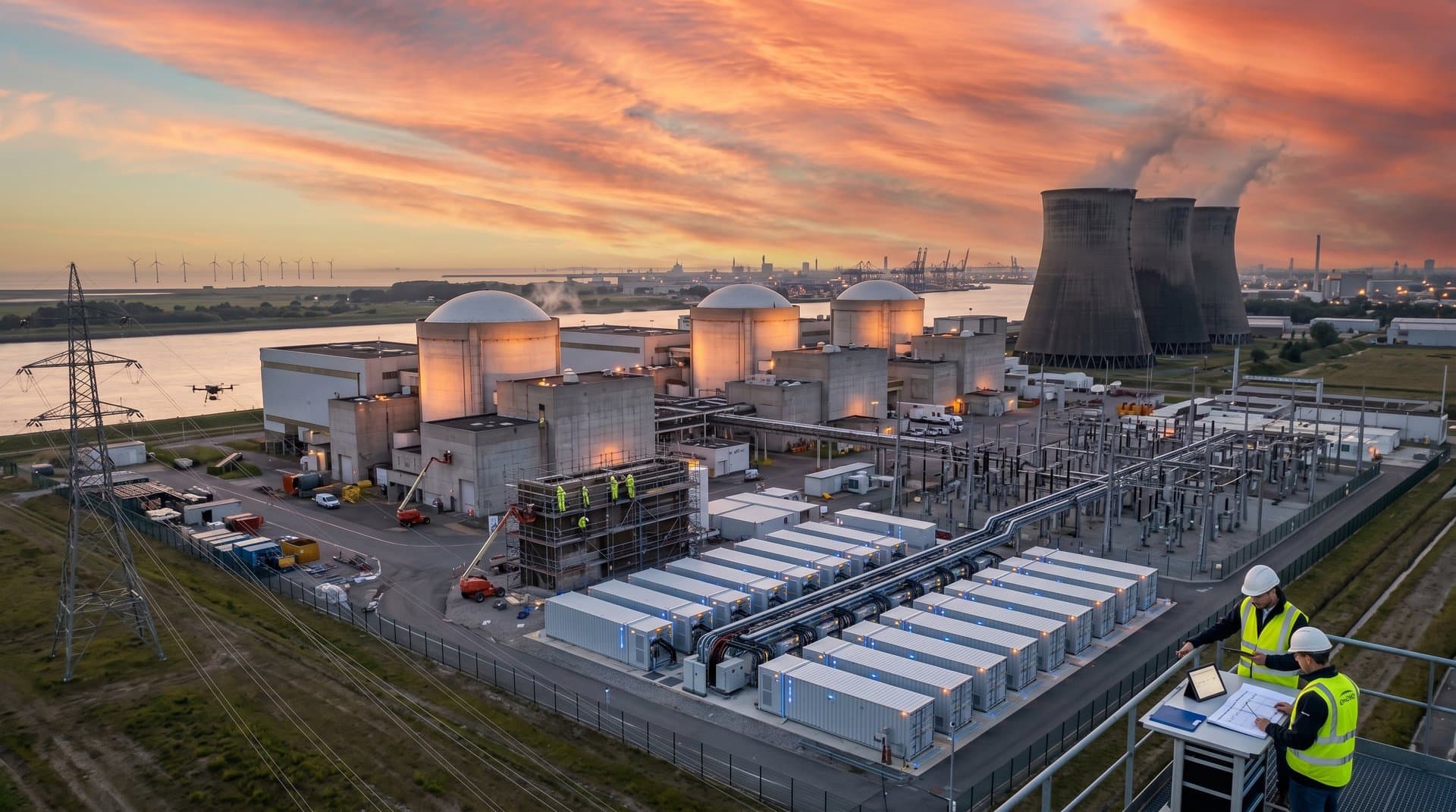
Co-located storage defers USD 100 billion in grid upgrades. Developers target Virginia and Texas data hubs.
Stacked Revenues Drive Storage Economics
Projects stack arbitrage (USD 50-100/MWh spreads), capacity payments (USD 10/kW-month), and ancillary services. 4-hour li-ion LCOS falls to USD 150/MWh (NREL, Rachna Handa et al.).
Vehicle-to-grid (V2G) draws on 1 TWh EV fleets by 2030 (BloombergNEF). Second-life batteries reduce costs 30%. AI dispatch software improves RTE 2-5%.
Inflation Reduction Act ITC at 30-50% lifts IRRs to 10-12%. Tech PPAs from Microsoft and Google ensure offtake.
Bloomberg analysis cites Goldman Sachs: data center power triples to 1,000 TWh/year by 2030. Storage curbs volatility.
Targeted Reforms to Accelerate Deployment
ITIF requests federal siting preemption, DOE loan guarantees for LDES pilots, and queue prioritization for storage.
California RPS mandates 5 GW storage by 2026. Texas operates 10 GW (ERCOT). Virginia queues 5 GW for AI hubs.
Form Energy's iron-air batteries claim 100-hour duration, 150 cycles, tested to IEC 62933-5-2.
Utilities add storage in IRPs: PJM pipelines 20 GW. Hybrids form 40% of new capacity.
DOE storage roadmap aims for 10 GW LDES by 2030. ITIF aligns reforms to grid storage policy goals. House Oversight hearings approach. Bipartisan bills progress. FERC auctions test queue solutions.