- Bitcoin surges 3.1% to $77,601 despite Fear & Greed Index at 21, per Alternative.me.
- Hormuz risks threaten 20% global oil, spurring miners to grid storage, per US EIA.
- Batteries achieve LCOS below $100/MWh with 3,000+ cycles, per NREL benchmarks.
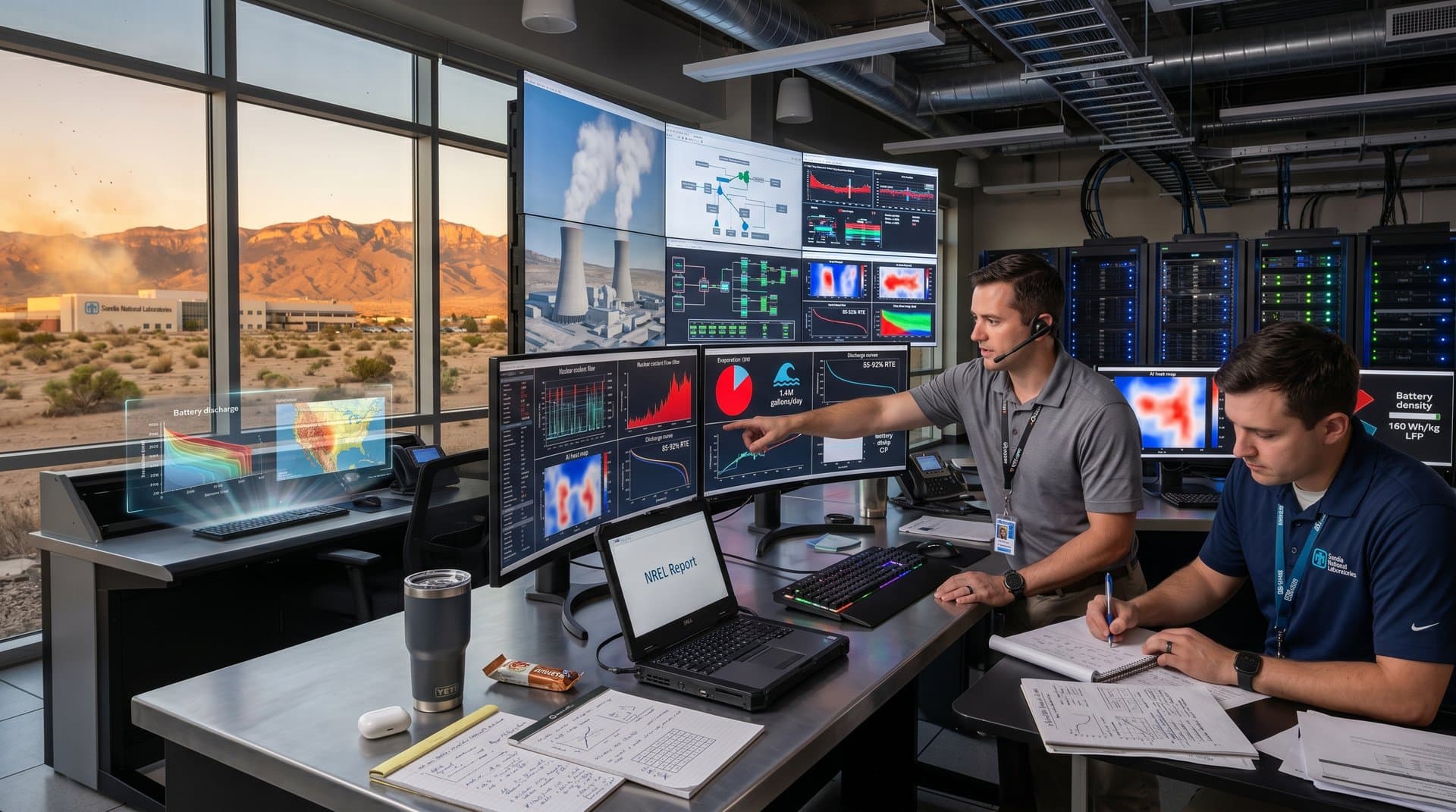
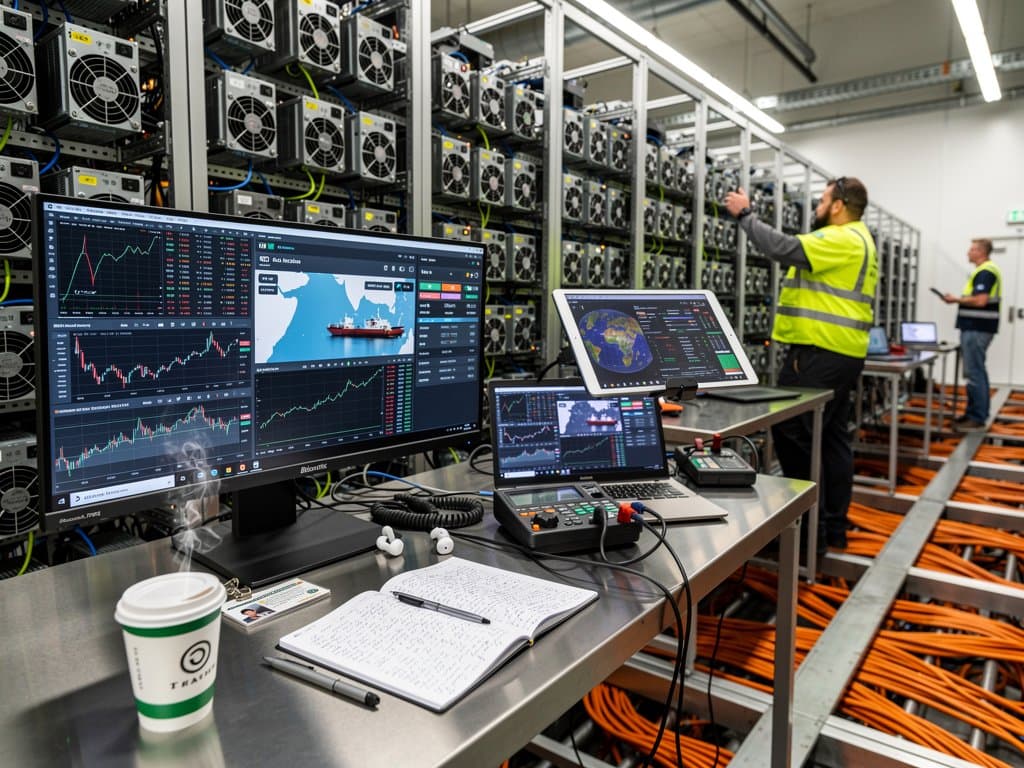
Bitcoin crisis resilience powers a 3.1% surge to US$77,601. The Crypto Fear & Greed Index hit 21, signaling extreme fear, according to Alternative.me data released April 15, 2024. Strait of Hormuz tensions threaten 20% of global oil flows, per US Energy Information Administration (EIA) analysis. Miners deploy grid storage batteries to secure power.
Oil disruptions spike grid volatility. Bitcoin miners install lithium-ion systems to sustain hashrate. Ethereum climbed 3.4% to US$2,435. Solana fell 0.9% to US$89.
- Asset: BTC · Price (USD): 77,601 · 24h %: +3.1 · Market Cap (USD B): 1,552.8
- Asset: ETH · Price (USD): 2,435 · 24h %: +3.4 · Market Cap (USD B): 293.9
- Asset: USDT · Price (USD): 1.00 · 24h %: 0.0 · Market Cap (USD B): 185.9
- Asset: XRP · Price (USD): 1.49 · 24h %: +1.8 · Market Cap (USD B): 91.7
- Asset: BNB · Price (USD): 642 · 24h %: +1.0 · Market Cap (USD B): 86.6
CoinGecko supplied these metrics as of April 15, 2024.
Bitcoin Crisis Resilience Acts as Digital Gold During Energy Shocks
Hormuz threats elevate oil prices above US$90/barrel, according to EIA forecasts from March 2024. Natural gas-linked mining costs rise 15-25%. Bitcoin's fixed 21 million supply cap attracts safe-haven inflows, per Alternative.me sentiment data.
Texas miners like Riot Platforms prioritize grid storage. Kazakhstan operations follow suit. The 3.1% BTC gain decouples from oil volatility. Lithium-ion batteries from Tesla Megapack deliver 90-95% round-trip efficiency (RTE) at 0.25C discharge rates, with 250 Wh/kg gravimetric density, 700 Wh/L volumetric density, and 3,500 full cycles at 80% depth of discharge (DoD), per Tesla technical specifications.
Annual Bitcoin network electricity use reaches 150 TWh, equivalent to Poland's consumption, states the Cambridge Centre for Alternative Finance Bitcoin Electricity Consumption Index (CBECI).
Strait of Hormuz Risks Accelerate Grid Storage Adoption in Mining
The Strait handles 21 million barrels per day, per EIA 2023 data. Disruptions could raise energy prices 20-30%. Miners store excess renewables in utility-scale batteries to avoid curtailment.
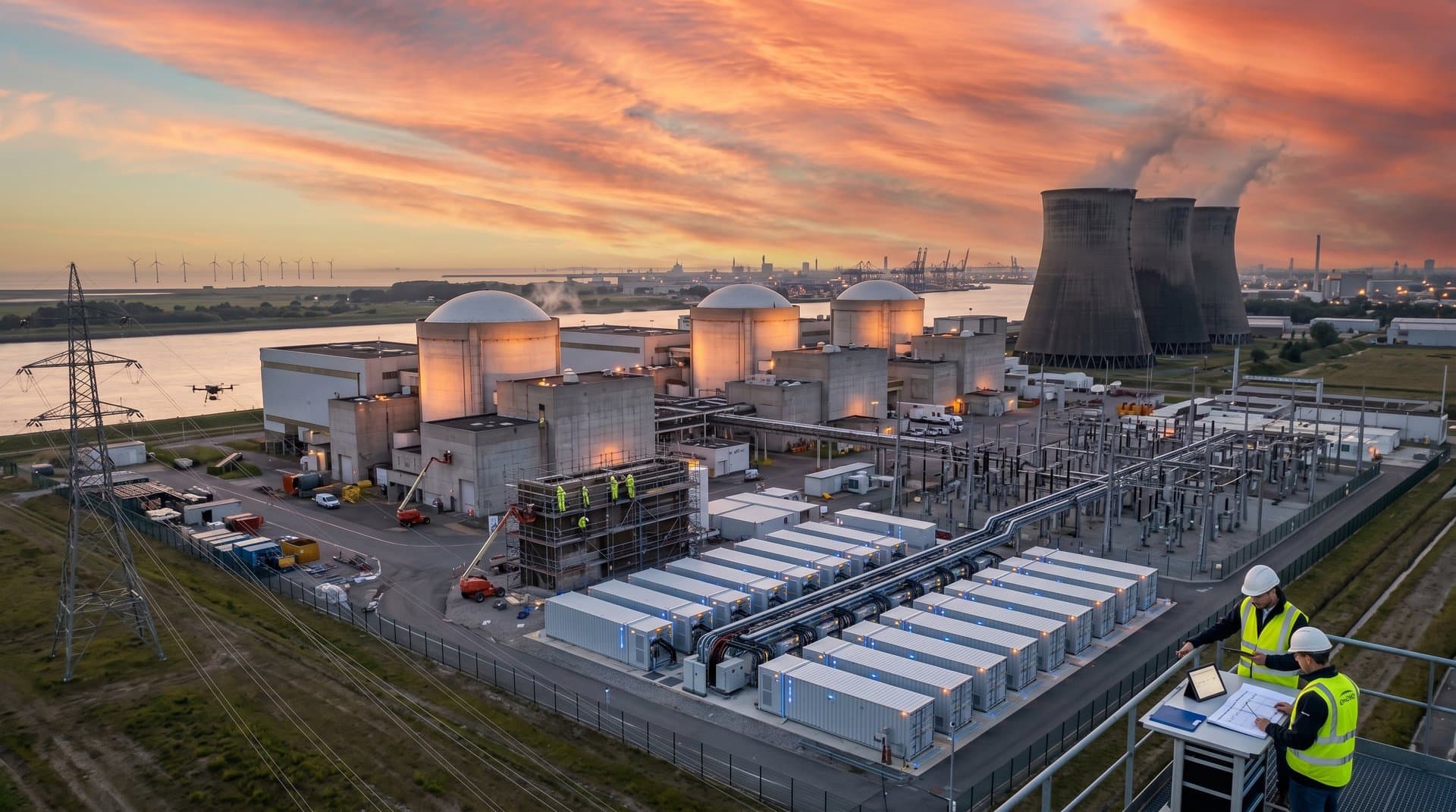
Flow batteries provide 8-100 hour duration for continuous operations. Bitcoin's US$1,552.8 billion market cap supports these investments. Crusoe Energy deploys multi-MWh packs at US oilfield sites, as announced in their Q1 2024 update. Systems achieve over 80% DoD for more than 3,000 cycles, according to National Renewable Energy Laboratory (NREL) benchmarks in their FY2021 report (NREL/TP-5400-79236). This drops levelized cost of storage (LCOS) below US$100/MWh.
Advanced Batteries Bolster Mining Resilience Against Crises
Solid-state batteries from QuantumScape prototypes reach 500 Wh/kg gravimetric density and 1,300 Wh/L volumetric density, with 5,000 cycles—doubling lithium-ion benchmarks—per QuantumScape's Q4 2023 investor presentation.
Sodium-ion batteries reduce costs 30% versus NMC cathodes, according to CATL's 2024 announcements, targeting levelized cost of electricity (LCOE) at US$40/kWh at gigafactory scale by 2027.
Miners pair storage with solar arrays to hedge LNG price spikes. Behind-the-meter systems generate virtual power plant (VPP) revenues. Commercial deployments scale toward 2027.
- Chemistry: Lithium-ion · Wh/kg: 250 · Wh/L: 700 · Cycles (80% DoD): 3,500 · RTE (%): 90-95 · LCOS (US$/MWh): 100-150
- Chemistry: Flow · Wh/kg: 30-50 · Wh/L: 40-60 · Cycles (80% DoD): >10,000 · RTE (%): 75-85 · LCOS (US$/MWh): <100
- Chemistry: Solid-state · Wh/kg: 500 · Wh/L: 1,300 · Cycles (80% DoD): 5,000 · RTE (%): 95+ · LCOS (US$/MWh): 80-120
- Chemistry: Sodium-ion · Wh/kg: 160 · Wh/L: 300 · Cycles (80% DoD): 4,000 · RTE (%): 90 · LCOS (US$/MWh): 70-100
Data compiled from Tesla, NREL, QuantumScape, and CATL specs.
Grid Storage Market Expansion Fueled by Mining Demand
Hormuz tensions highlight bitcoin crisis resilience at US$77,601. Miners' storage pivot grows the US$10 billion grid storage market, per BloombergNEF's 2024 Long-Term Energy Storage Outlook.
Long-duration energy storage (LDES) could add 5 GW by 2030 amid persistent shocks. FERC Docket No. RM22-13 governs data center interconnections. Miners' investments signal shifts in energy security strategies. Grid storage ensures mining uptime, reinforcing Bitcoin's role in crises.
Frequently Asked Questions
What drives bitcoin crisis resilience during Hormuz tensions?
Bitcoin rose 3.1% to $77,601 despite Fear & Greed at 21, per Alternative.me. Fixed 21 million supply attracts safe-haven flows. Miners use grid storage for stability.
How does grid storage aid bitcoin mining amid crises?
Lithium-ion batteries offer 90-95% RTE at 0.25C, per Tesla specs. They counter 21 million bpd Hormuz risks, per EIA. LCOS drops below $100/MWh, per NREL.
Why does BTC gain with Fear & Greed Index at 21?
Index at 21 reflects oil threat panic. Bitcoin's $1,552.8B cap decouples from energy. Storage ensures 24/7 hashrate.
What Hormuz impacts hit bitcoin mining energy costs?
20% oil flow disruptions raise prices 20-30%, per EIA. Sodium-ion cuts costs 30% vs. NMC, per CATL. Miners add renewables and storage.