- Goldman Sachs forecasts 165% surge in grid-scale battery storage by 2030.
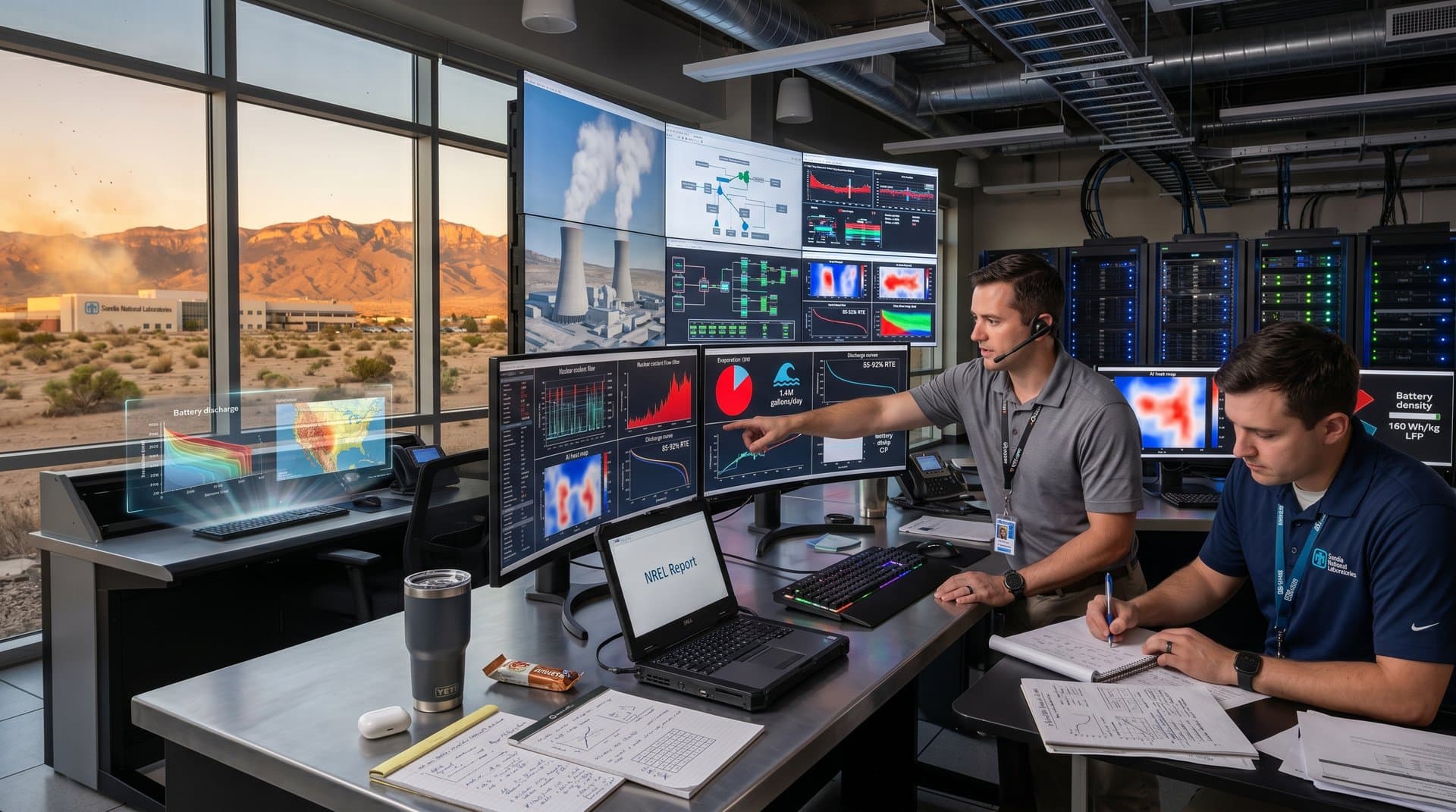
- Lithium-ion hits 85-90% RTE at 90% DoD, Sandia Labs confirms.
- IRA tax credits reach 30-50% for storage over three hours.
Goldman Sachs forecasts grid-scale battery storage demand surging 165% by 2030 to power AI data centers, per Goldman Sachs analysis. Aaron Sverdlov highlighted cardio-oncology AI tools on Oncodaily. These systems analyze imaging data for heart risks in cancer patients. The IEA report projects data centers driving electricity demand growth.
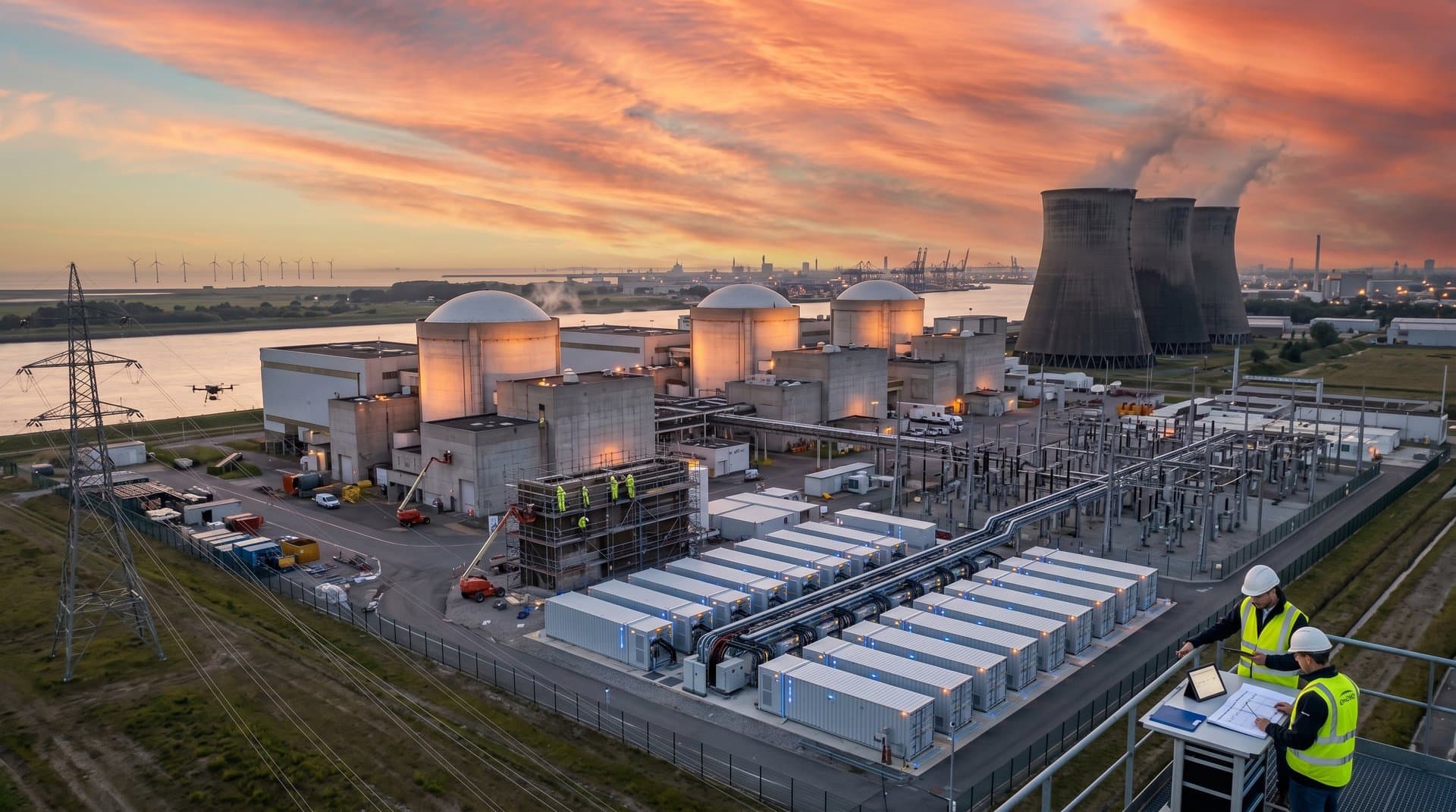
Utilities deploy lithium-ion batteries at 200 MW scale for peak shaving. FERC Order No. 841, issued in 2018, enables storage in wholesale markets.
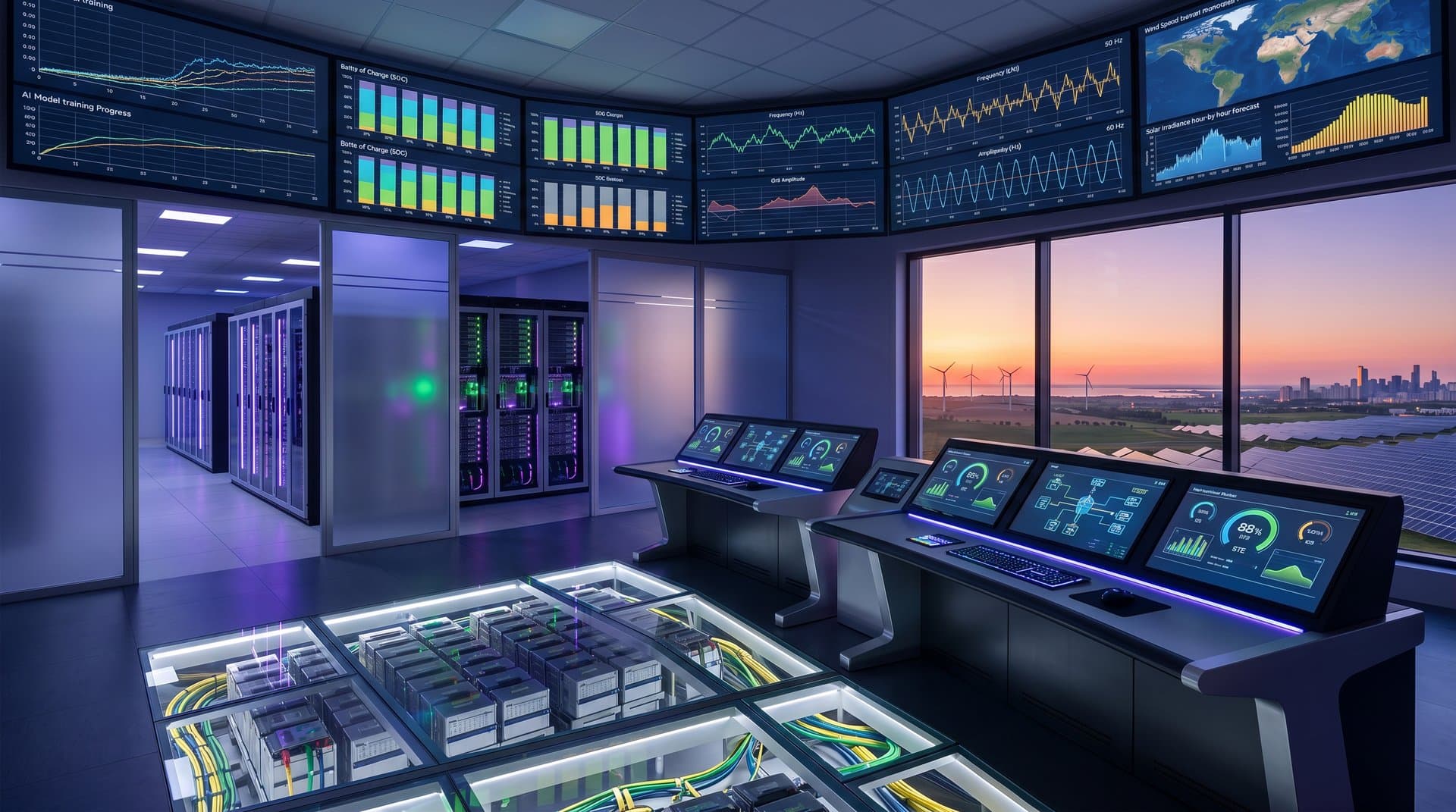
Operators pair batteries with solar to offset evening AI peaks.
Cardio-Oncology AI Drives Compute Power Needs
Cardio-oncology manages heart toxicities from chemotherapy. AI models process echocardiograms and CT scans to predict heart failure at 95% accuracy in trials, per Sverdlov.
GPU clusters consume 1-5 MW each for precision monitoring. Data centers in Virginia scale for these workloads.
Power outages disrupt training. Grid-scale storage provides four-hour discharge for uptime.
AI Data Centers Challenge Global Grids
AI training multiplies consumption 50-fold per hyperscaler like Google. Microsoft expands in EMEA. Peaks hit during solar lulls, IEA data shows.
Lithium-ion batteries deliver 85-90% round-trip efficiency at 90% depth of discharge and 1C rate. Sandia National Laboratories tested under IEC 62660.
IEA projects data centers consuming 1,000 TWh annually by 2026, matching Japan's electricity use.
Batteries arbitrage prices and avert blackouts.
Advanced Chemistries Bolster AI Reliability
Developers build 200 MW/800 MWh systems near data centers, like Tesla's Hornsdale expansion. Form Energy's iron-air batteries target 100-hour duration with 70% RTE in pilots.
CATL announces sodium-ion at USD 100/kWh pack cost, avoiding lithium chains. QuantumScape solid-state prototypes hit 400 Wh/kg cell energy density.
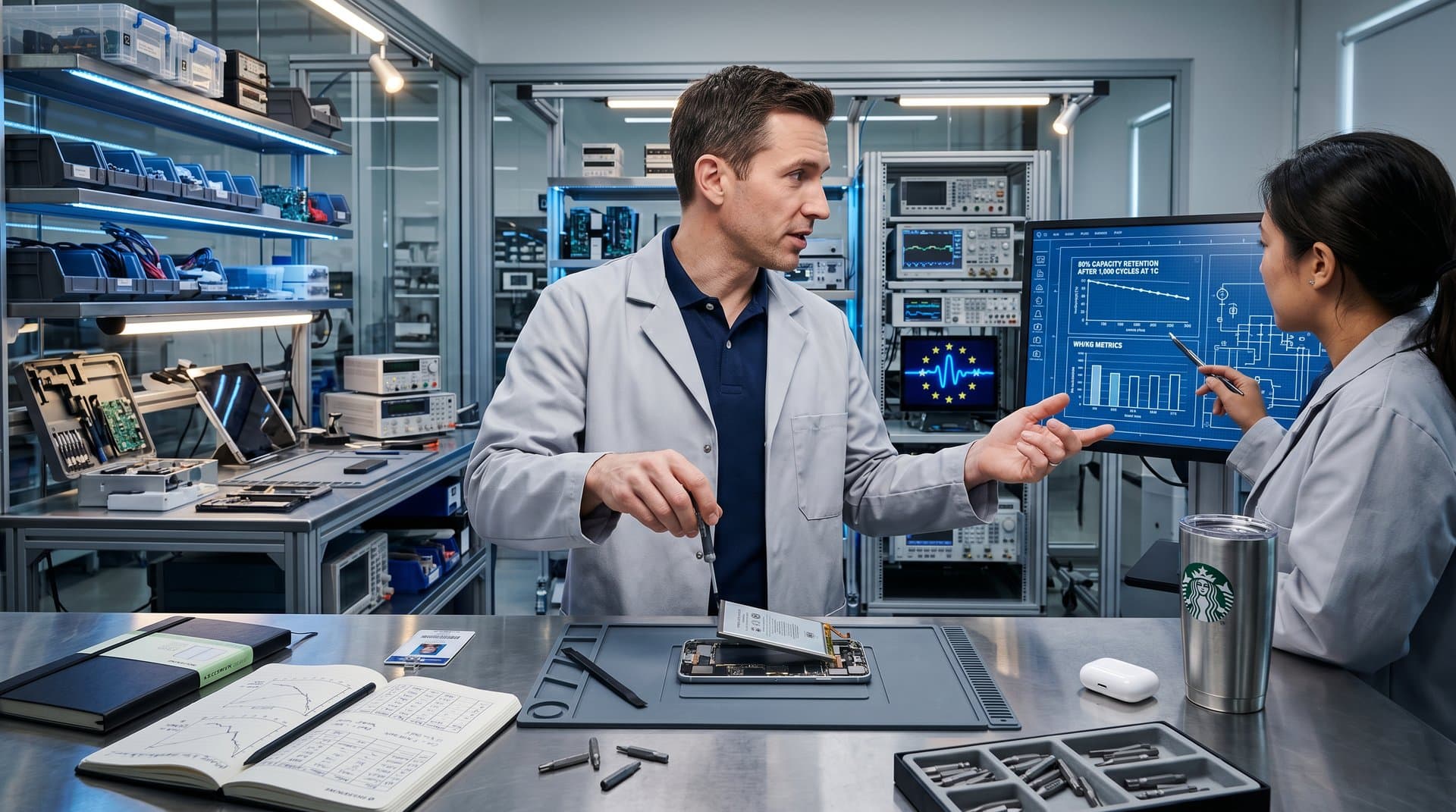
LFP cathodes achieve 5,000 cycles at 80% retention under IEC 62619 at 1C/1C, BloombergNEF reports.
Policies Propel Grid-Scale Storage Expansion
FERC Order No. 841, effective 2020, removes RTO/ISO barriers (docket RM16-23). US Inflation Reduction Act provides 30-50% tax credits for standalone storage over three hours with wage compliance, IRS guidance states.
EU Battery Regulation 2023/1542 requires recycled content by 2027.
Goldman Sachs ties policies to US data center demand rising from 9 GW to 24 GW.
Battery Chemistries for Data Center Deployment
- Chemistry: LFP · Energy Density (Wh/kg): 160 · Energy Density (Wh/L): 300 · Pack Cost (USD/kWh): 120 · Cycles: 5,000+ · Source: BloombergNEF Q2 2024
- Chemistry: NMC811 · Energy Density (Wh/kg): 200 · Energy Density (Wh/L): 650 · Pack Cost (USD/kWh): 140 · Cycles: 2,000 · Source: Sandia Labs
- Chemistry: Vanadium Flow · Energy Density (Wh/kg): 25-50 · Energy Density (Wh/L): - · Pack Cost (USD/kWh): 300 → 150 · Cycles: 10,000+ · Source: Invinity
- Chemistry: Iron-Air · Energy Density (Wh/kg): 50 · Energy Density (Wh/L): 100 · Pack Cost (USD/kWh): 20 · Cycles: 5,000 · Source: Form Energy, MIT
Hyperscalers like Amazon procure 5 GWh yearly. V2G from EVs adds support.
Deployment Roadmap and Market Outlook
AI strains mirror renewables shift. Developers eye 100 GW pipeline via IRA and FERC.
LDES pilots in California succeed. Goldman Sachs predicts grid-scale battery storage will stabilize AI in cardio-oncology and beyond by 2030.
Frequently Asked Questions
What is cardio-oncology and AI's role?
Cardio-oncology manages heart issues from cancer treatments. AI analyzes imaging for early risk detection. Sverdlov highlights its compute-intensive nature on Oncodaily.
Why is grid-scale battery storage vital for AI data centers?
Grid-scale battery storage balances peak loads from AI training. Lithium-ion systems provide 85-90% RTE. Policies like FERC 841 and IRA spur deployments.
How do data center energy demands affect grids?
AI workloads create volatility with renewable gaps. Storage arbitrages prices. FERC integrates batteries into markets.
What policies support grid-scale battery storage growth?
FERC Order 841 enables market participation. IRA offers 30% tax credits. EU directives ensure sustainability.