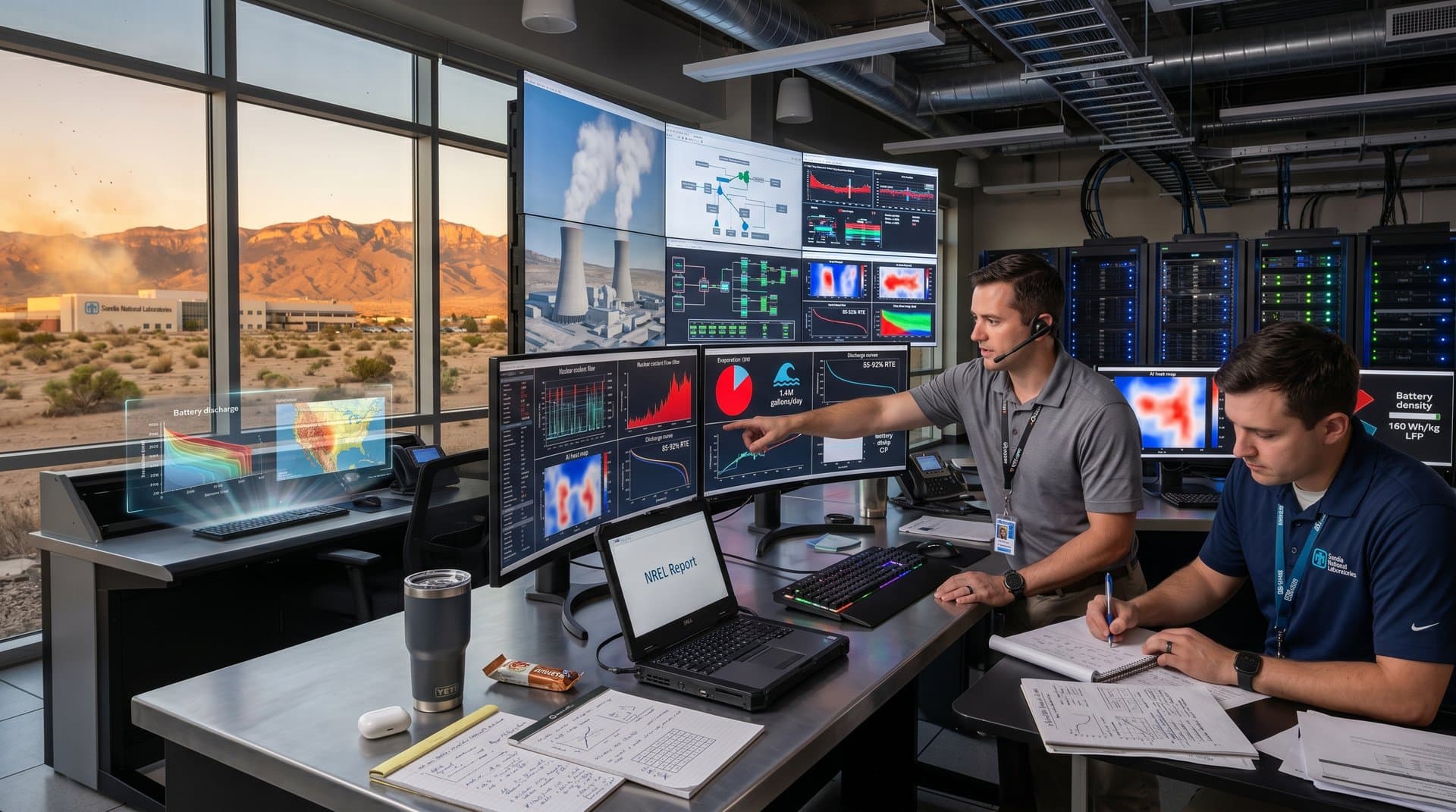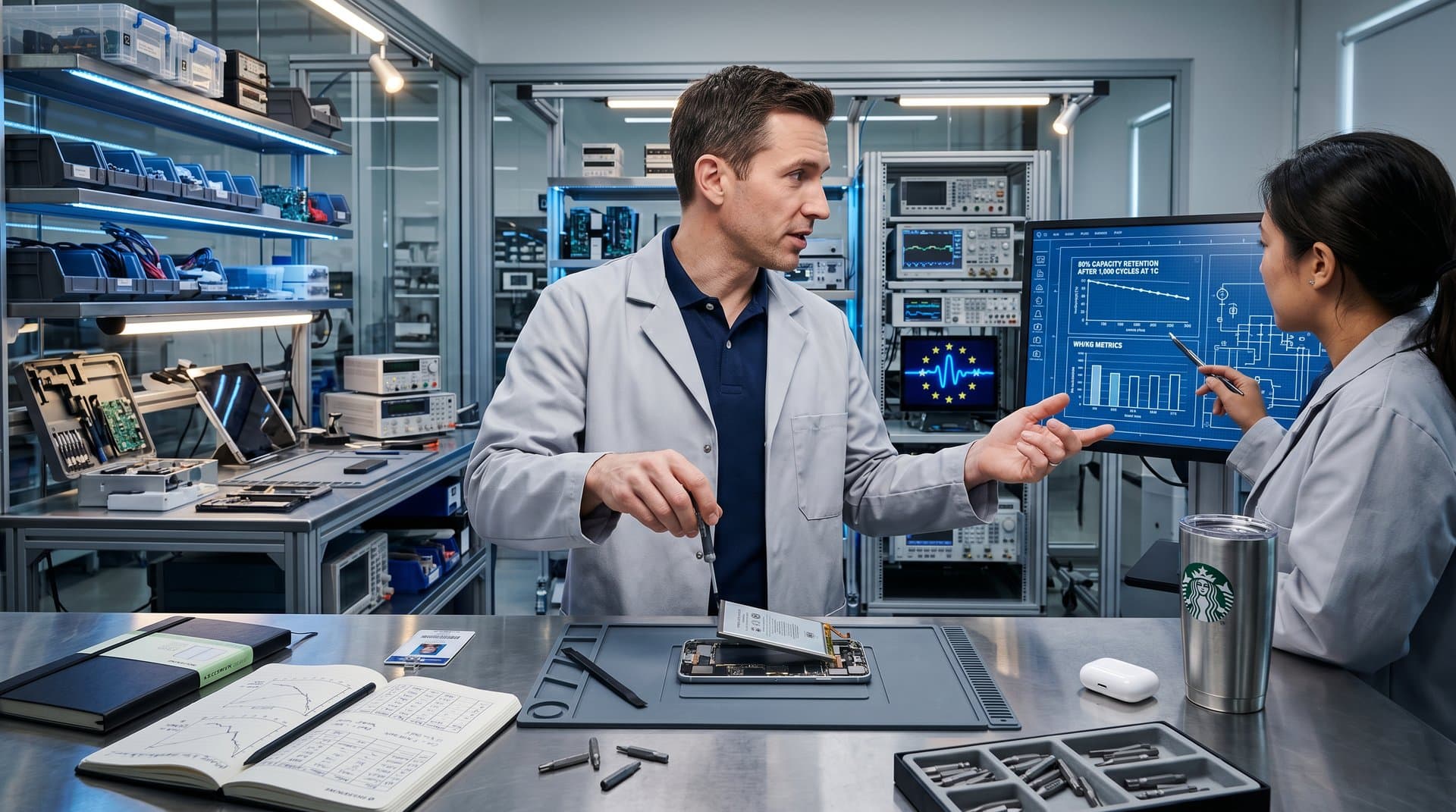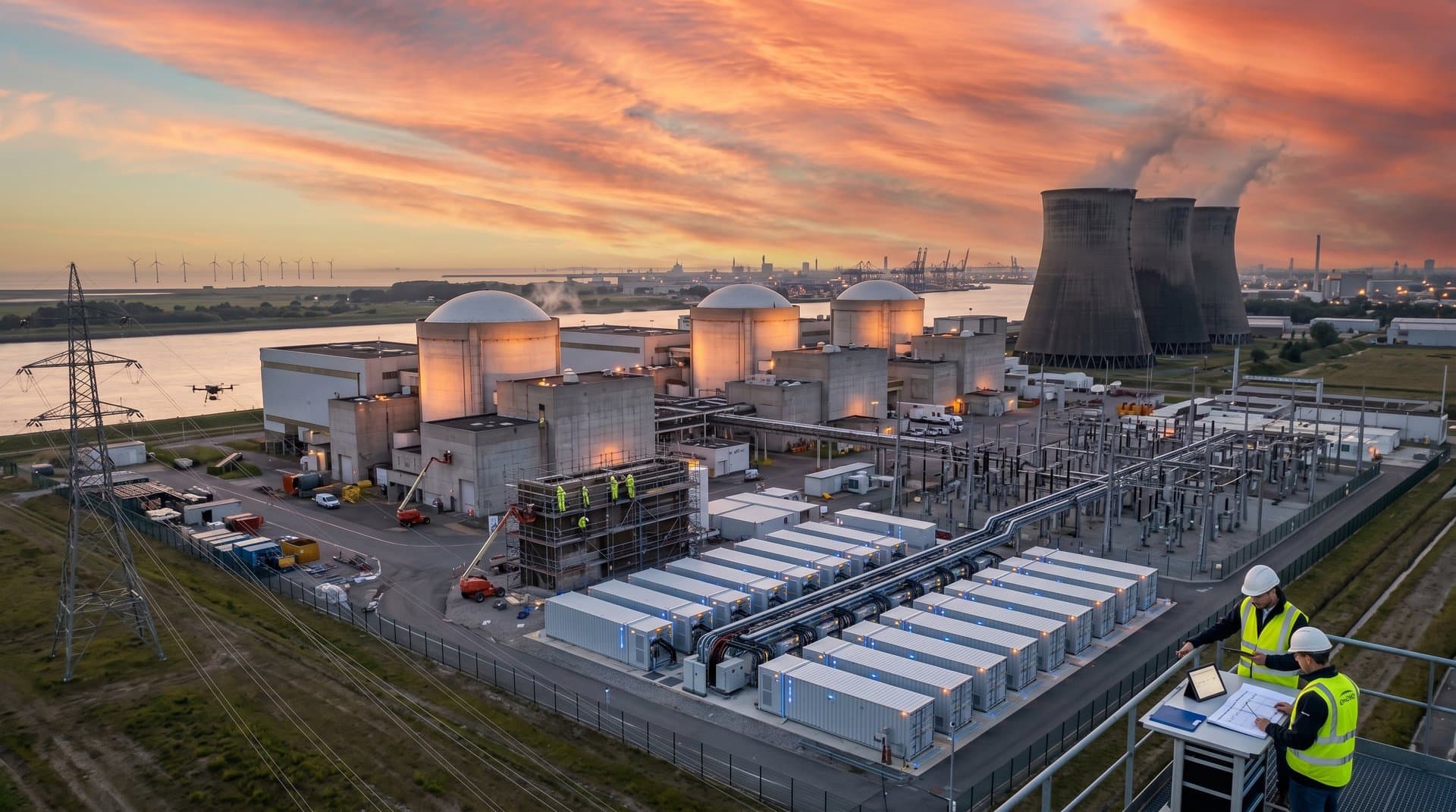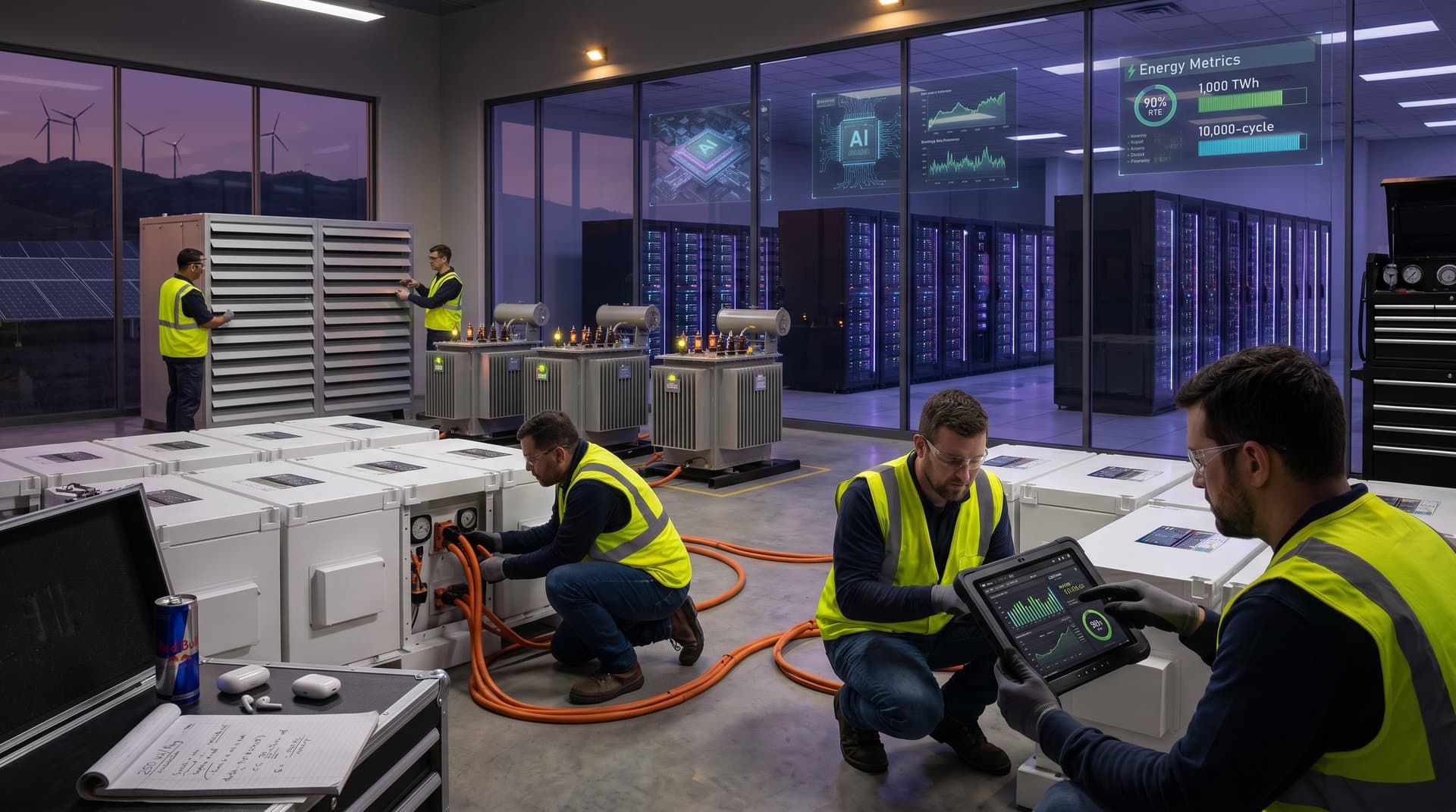
- Data centers hit 1,000 TWh power by 2026 (IEA).
- AI surges power demand 160% by 2028 (Goldman Sachs).
- TPUs save 40% energy vs Nvidia GPUs (Google Cloud).
Google-Marvell AI chip talks challenge Nvidia, per Reuters. Data centers consume 1,000 TWh globally by 2026, doubling 2022 levels (IEA data centres report). Battery storage stabilizes AI peaks at 90% round-trip efficiency (RTE).
Custom Chips Slash AI Power Demands
Hyperscalers pack 10,000 Nvidia H100 GPUs per cluster. Each GPU peaks at 700W. Goldman Sachs projects 160% power growth by 2028.
Texas and Virginia clusters tap low-cost power. Interconnection queues hit 2 years. Lithium-ion batteries co-locate for 90% RTE frequency regulation.
Batteries charge at USD 50/MWh off-peak. They discharge during peaks for 25% cost cuts in PJM, per Wood Mackenzie.
Marvell chips save 40% energy versus Nvidia GPUs, Google Cloud states.
Training Spikes Demand Fast Storage
AI training surges past 100 MW per site. Ramps overload transmission. FERC Order 2222 allows aggregated storage in wholesale markets.
California and Texas hit 40% renewables. Storage captures solar curtailment. It discharges for evening inference.
Tesla Hornsdale (100 MW/129 MWh, 1.3-hour duration) boosts grid capacity 150%, AEMO reports. Google deploys 50 MW/50 MWh (1-hour) with Finnish wind.
Hybrids target 1 GW for hyperscalers. Lithium-ion leads at 250 Wh/kg, 700 Wh/L, 5,000 cycles, USD 150/kWh.
Chemistries Scale for Data Centers
Flow batteries offer 10-hour duration, 50 Wh/kg, 10,000 cycles. Iron-air hits USD 20/kWh LCOS, NREL 2023 models.
Behind-the-meter peaks shave 30% demand charges. Virtual power plants aggregate DERs.
Optimized dispatch cuts costs 20-25%, Aurora Energy Research finds. Custom TPUs halve inference wattage.
Lithium iron phosphate (LFP) dominates at 160 Wh/kg, 400 Wh/L, 6,000 cycles for safety.
Policies Turbocharge Storage Builds
Inflation Reduction Act delivers 30% ITC for standalone storage. EU mandates 16% recycled content by 2031.
Virginia permits 500 MW data centers with storage. Microsoft locks 10.5 GW renewables by 2030.
DOE Title 17 loans USD 400 million for flow batteries. Storage enables 24/7 carbon-free power.
Supply Chains Fuel Global Expansion
Chip wars drive 20% annual data center growth. Wood Mackenzie eyes 100 GW storage by 2030, 50% utility-scale.
China builds 30 GWh APAC pipelines. Nvidia Blackwell (141B transistors) drops costs 15%.
ERCOT adds 5 GWh for AI buffering. PJM storage earns USD 200/MW-day. Hyperscalers seek 1 GW multi-chemistry RFPs.
Solar-plus-storage LCOS reaches USD 40/MWh. Reforms cut queues to 18 months. Batteries ensure grid-ready AI scale.
Frequently Asked Questions
How do Google-Marvell AI chip talks impact data center battery storage?
Talks spur AI diversification and 1,000 TWh power needs by 2026 (IEA). Batteries handle GPU peaks; renewables hybrids enable arbitrage.
Why is battery storage essential for AI data center power?
Training spikes top 100 MW per site. 90% RTE systems shave peaks. IRA provides 30% ITC credits.
What role does storage play in grid reliability for data centers?
Absorbs solar curtailment, dispatches evenings. ERCOT's 5 GWh buffers AI. VPPs earn USD 200/MW-day.
How does Nvidia rivalry shape Google-Marvell strategies?
Custom TPUs save 40% energy vs Nvidia GPUs. Marvell aids efficient inference amid 160% demand growth (Goldman Sachs).