- Lithium-ion achieves 92% RTE, 250-300 Wh/kg per NREL IEC 62660-1.
- Solid-state reaches 500 Wh/kg, 1,000 cycles per QuantumScape data.
- V2G generates US$200-500/year per EV, per NREL estimates.
Gen Z employs AI 'explain like I'm 5' prompts to master lithium-ion LCOS at US$150/MWh and 92% round-trip efficiency (RTE). The Indian Express reports this trend as Bitcoin hits $75,272 on April 9, 2024. Fear & Greed Index at 29 spurs storage pivots.
NREL data highlights storage stability over crypto volatility.
Lithium-Ion Hits 92% RTE, Costs Fall to US$139/kWh
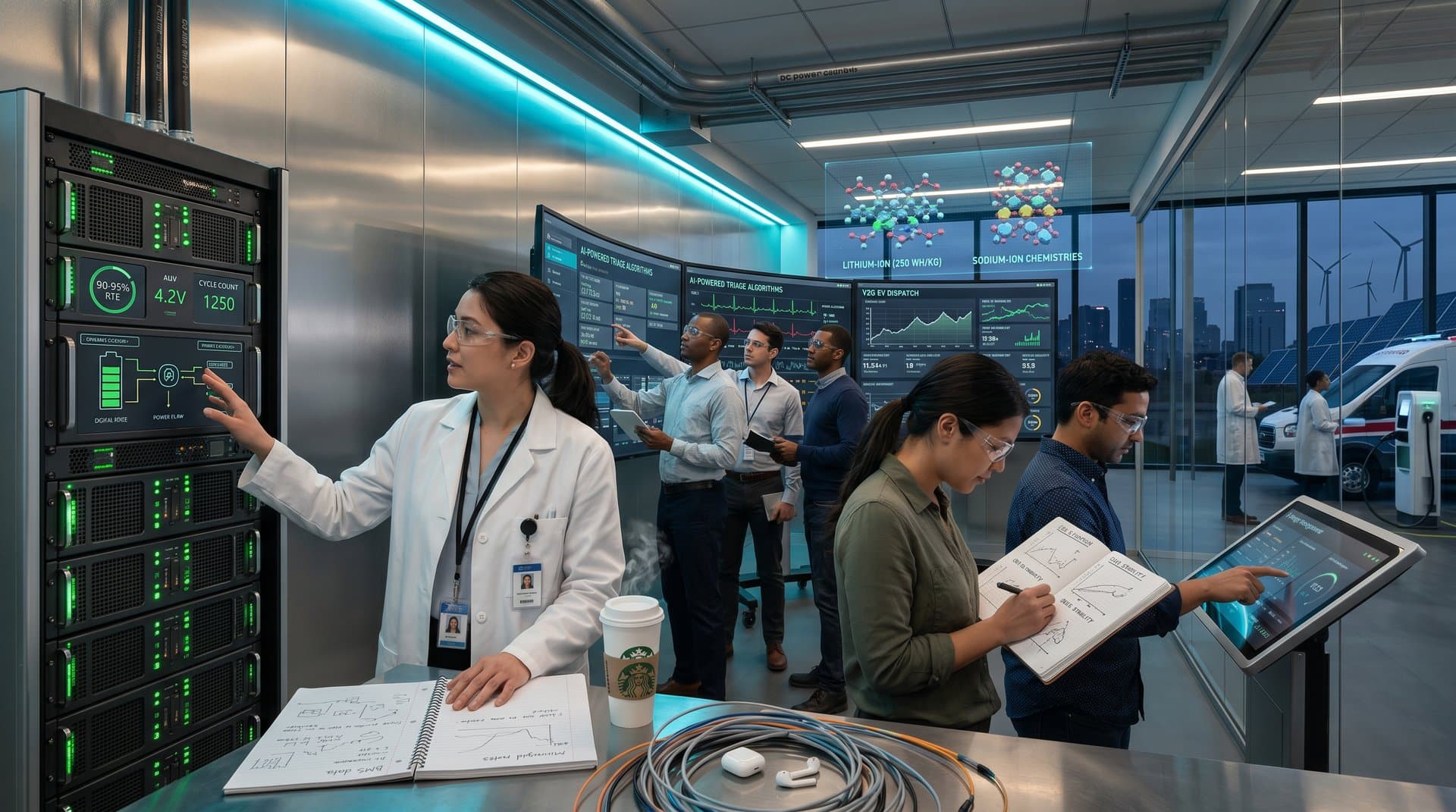
Gen Z AI battery tech compares lithium-ion packs to a lunchbox. Lithium ions shuttle between graphite anode and NMC cathode. This yields 250-300 Wh/kg density and 92% RTE per NREL tests under IEC 62660-1.
NMC cathodes enable 500+ km EV range. The International Energy Agency (IEA) reports pack costs dropped 89% since 2010 to US$139/kWh in 2023.
China scales production for 4-hour grid deployments. Australia and Chile supply 70% lithium. Indonesia provides 50% nickel. BloombergNEF projects cell costs at US$56/kWh by 2030.
LFP variants exceed 3,000 cycles at 80% retention.
Solid-State Batteries Target 500 Wh/kg Density
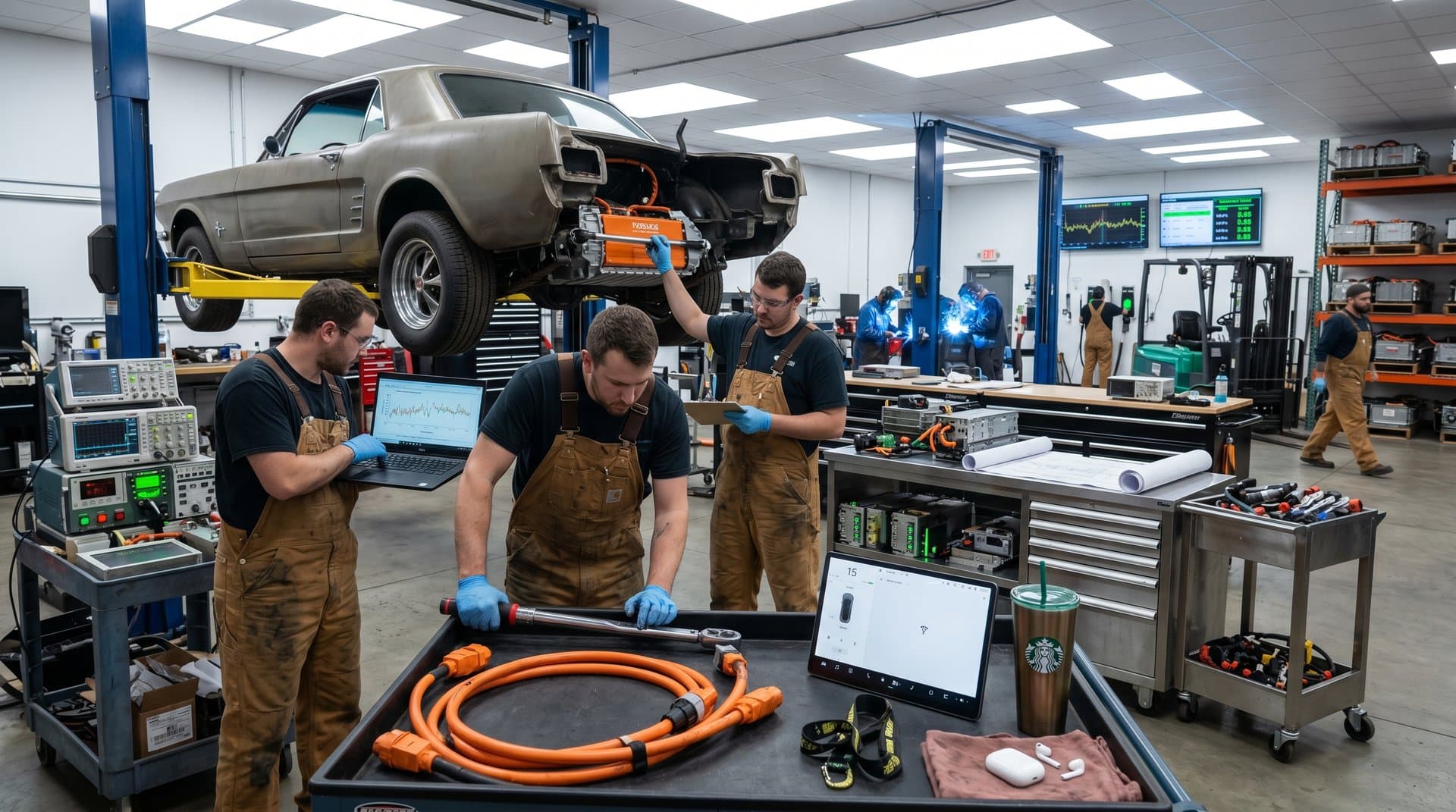
Solid-state batteries use ceramic electrolytes. They aim for 500 Wh/kg density and 50% lower fire risk than lithium-ion. QuantumScape's QSE-5 achieves 1,000 cycles at 80% retention.
Toyota targets 2027 commercialization at 900 Wh/L. US Inflation Reduction Act offers US$45/kWh tax credits.
BloombergNEF forecasts LCOS under US$100/MWh by 2030. These systems stack arbitrage and frequency services for urban grids.
Samsung SDI's 700 Wh/kg prototype advances pilots.
V2G Unlocks US$200-500 Revenue per EV Yearly
Vehicle-to-grid (V2G) enables EVs to discharge via bidirectional chargers. NREL estimates US$200-500/year per vehicle at peak rates.
AI analogies liken V2G to a power-sharing taxi. Second-life packs power Fluence Energy's 2.8 GWh California projects.
Reuters reports 300,000-mile warranties. These extend LCOS to US$120/MWh. FERC Order 2222 opens aggregation markets.
Nissan pilots 10 kW bidirectional V2G in the UK.
BTC Fear at 29 Fuels 8-12% Storage IRR
Fear & Greed Index at 29 signals crypto caution. Gen Z models arbitrage: charge at US$50/MWh off-peak, discharge at US$200/MWh.
BloombergNEF predicts 1,500 GW global storage by 2030. This yields 8-12% IRR via capacity payments.
CATL's sodium-ion hits US$44/kWh lithium-free. EU Battery Regulation mandates digital passports from 2027.
Form Energy's iron-air targets 100-hour duration at 150 Wh/kg per NREL.
Policy, Supply Chains Enhance Returns
Gen Z AI battery tech ties APAC EV fleets to grids. Recycled cobalt cuts costs 20%, per Benchmark Mineral Intelligence.
US IRA drives 100 GWh domestic capacity by 2030. Tesla's 3.97 GWh Lathrop Megapack specifies 4-hour duration, Q3 2024 commissioning.
Fluence's Gridstack 2 delivers 120 MWh in Australia at 95% availability using second-life packs.
Revenues stack: arbitrage 40%, capacity 30%, ancillaries 30%.
Pilots Verify Gen Z AI Battery Tech Yields
Gen Z tests AI insights in Powin Energy's 500 MWh Texas BESS. These confirm 92% RTE and US$130/MWh LCOS.
Forward yields reach 10% IRR amid grid demand. CATL scales sodium-ion at its 2024 factory.
Frequently Asked Questions
How does Gen Z AI battery tech explain lithium-ion?
AI uses lunchbox analogy for ion shuttling, citing 250-300 Wh/kg density and 92% RTE per NREL IEC standards.
Why 'explain like I'm 5' for EV investments?
Prompts simplify LCOS to US$150/MWh and round-trip efficiency via everyday examples for risk assessment.
What does AI reveal about grid storage?
Details second-life EV packs and V2G bidirectional flows, extending LCOS via Fluence-scale deployments.
How does AI guide solid-state investments?
Highlights 500 Wh/kg density and safety gains, linking to IRA incentives and Toyota 2027 targets.