- Denmark bans solar over 10 MW on 70% of farmland.
- Policy cuts 2 GW from solar pipeline through 2030.
- Storage investments rise 40% to 1.2 GW by 2030.
By Philip Trask April 13, 2026
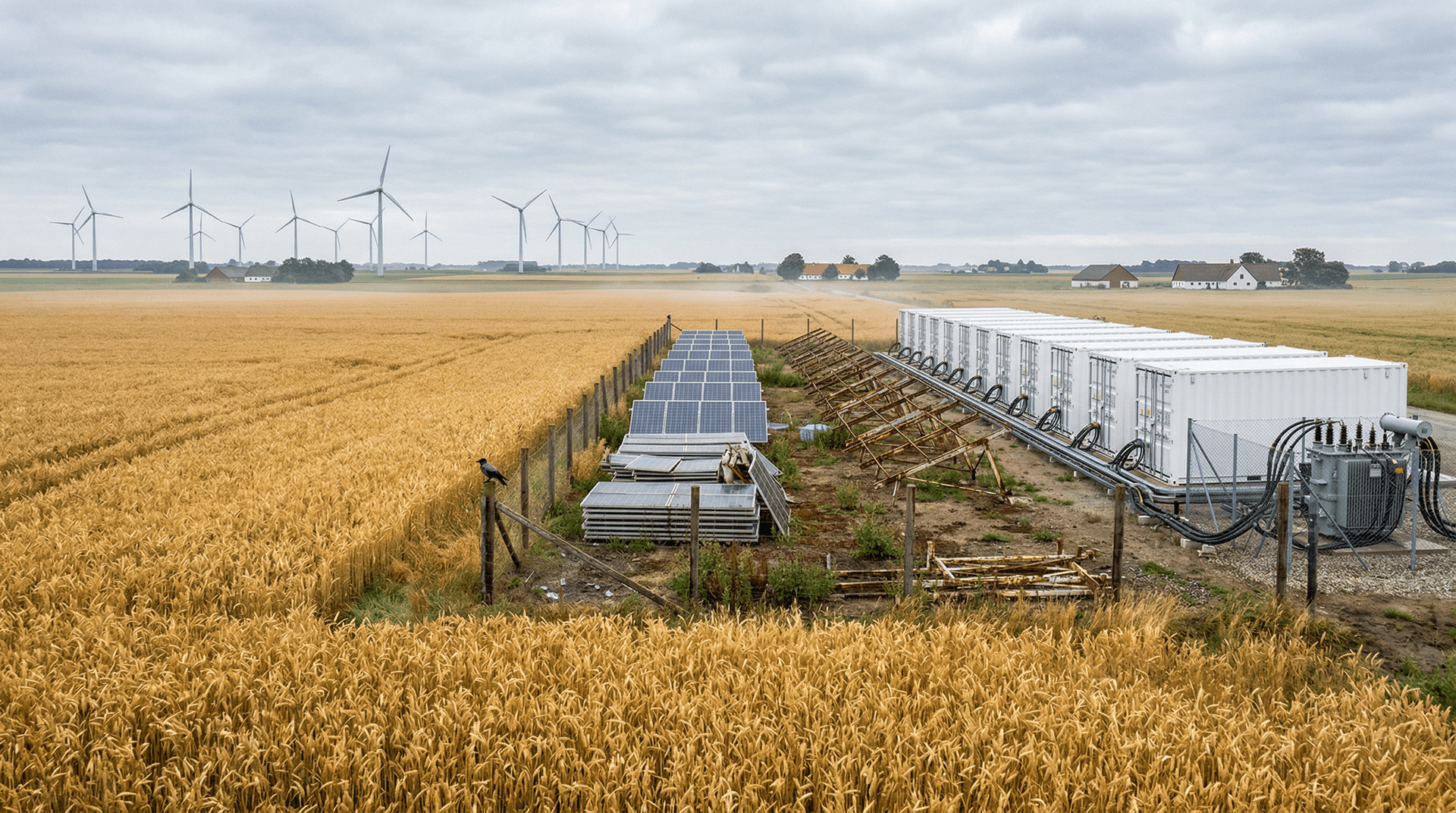
Denmark solar policy reversal approved by parliament today restricts solar farms larger than 10 MW on prime arable land covering 70% of Denmark's farmland. Lawmakers prioritize agriculture via the slogan 'Yes to fields of wheat, no to fields of iron.'
Law Targets High-Quality Soils
Denmark's parliament passed the bill with 95 votes in favor out of 179. The legislation mandates rigorous environmental impact assessments for ground-mounted solar exceeding 10 MW on class 1-3 soils, which comprise 70% of arable land. These reviews often lead to project denials, per Danish Energy Agency data.
The Danish Energy Agency estimates the policy eliminates 2 GW of planned solar capacity through 2030. Denmark's installed solar stands at 4.2 GW, trailing the 12 GW national target by 65%.
Ben McWilliams, head of solar analysis at BloombergNEF, described the move as a "major pivot." "Denmark aligns with Germany and the Netherlands in protecting farmland, fundamentally reshaping EU solar deployment patterns," McWilliams stated.
Developers Pivot from Ground-Mount Solar
Solar developers halt 1.5 GW of ground-mounted projects immediately. Copenhagen Infrastructure Partners canceled its 250 MW Jutland farm last week, citing insurmountable permitting hurdles.
Rooftop solar gains momentum. Ørsted plans to double its 500 MW rooftop portfolio to 1 GW by 2028, according to regulatory filings with the Danish Energy Agency.
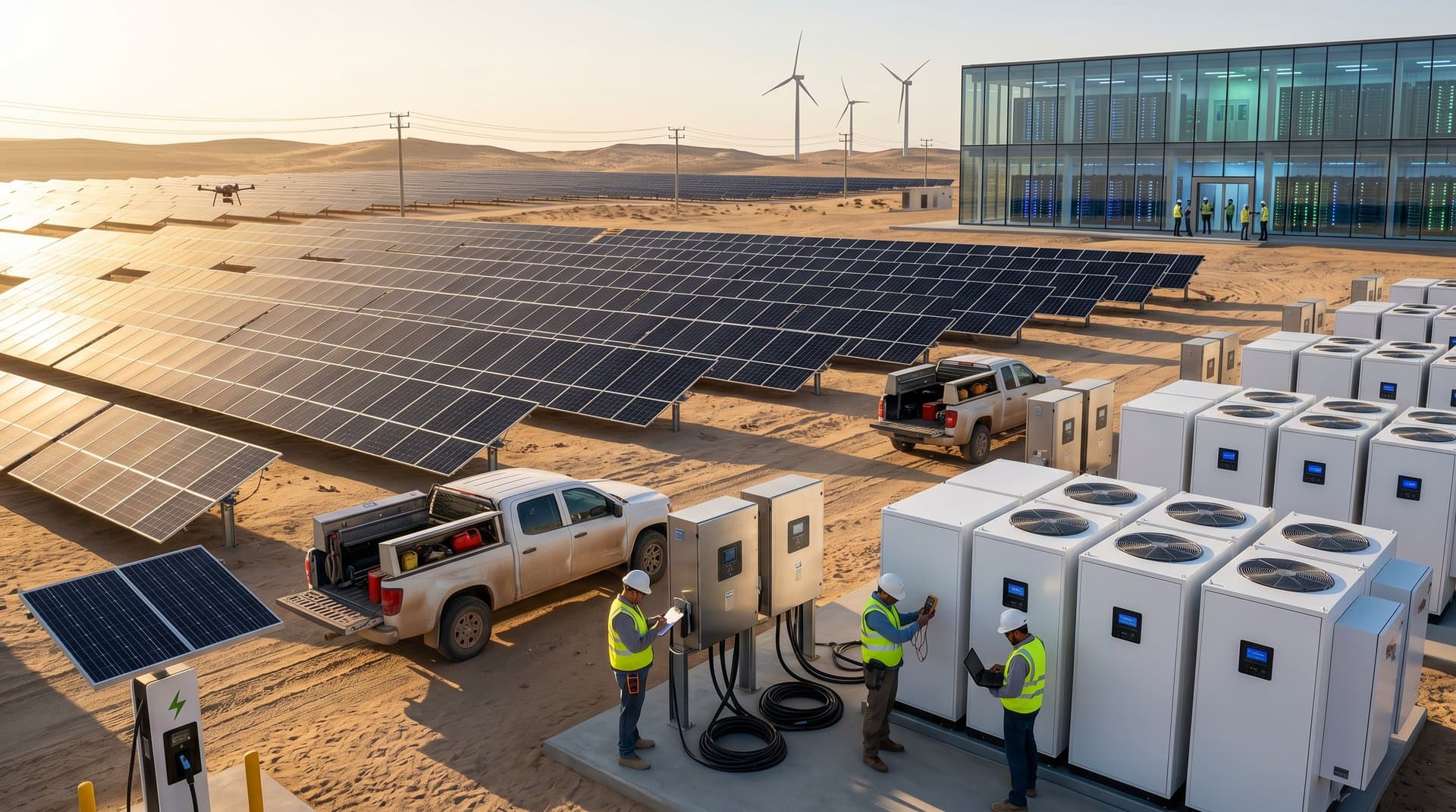
Agrivoltaics emerge as a workaround. Danish Energy Agency pilots combine wheat cultivation with elevated panels, yielding 15% lower crops but achieving 80% land-use efficiency versus solar alone.
Offshore floating solar progresses. Ørsted's 100 MW Bornholm array connects to the grid in Q2 2027, delivering 150 GWh annually at 22% capacity factor.
Storage Rises for Wind Integration
Denmark generates 55% of its electricity from wind in 2025, per Energinet statistics. The solar policy reversal heightens battery storage demand to absorb excess wind output and minimize curtailment.
Energinet forecasts 1.2 GW of new grid-scale storage by 2030, up 40% from prior projections. Lithium-ion batteries target evening peaks, reducing curtailment by 25% based on 2025 pilot data.
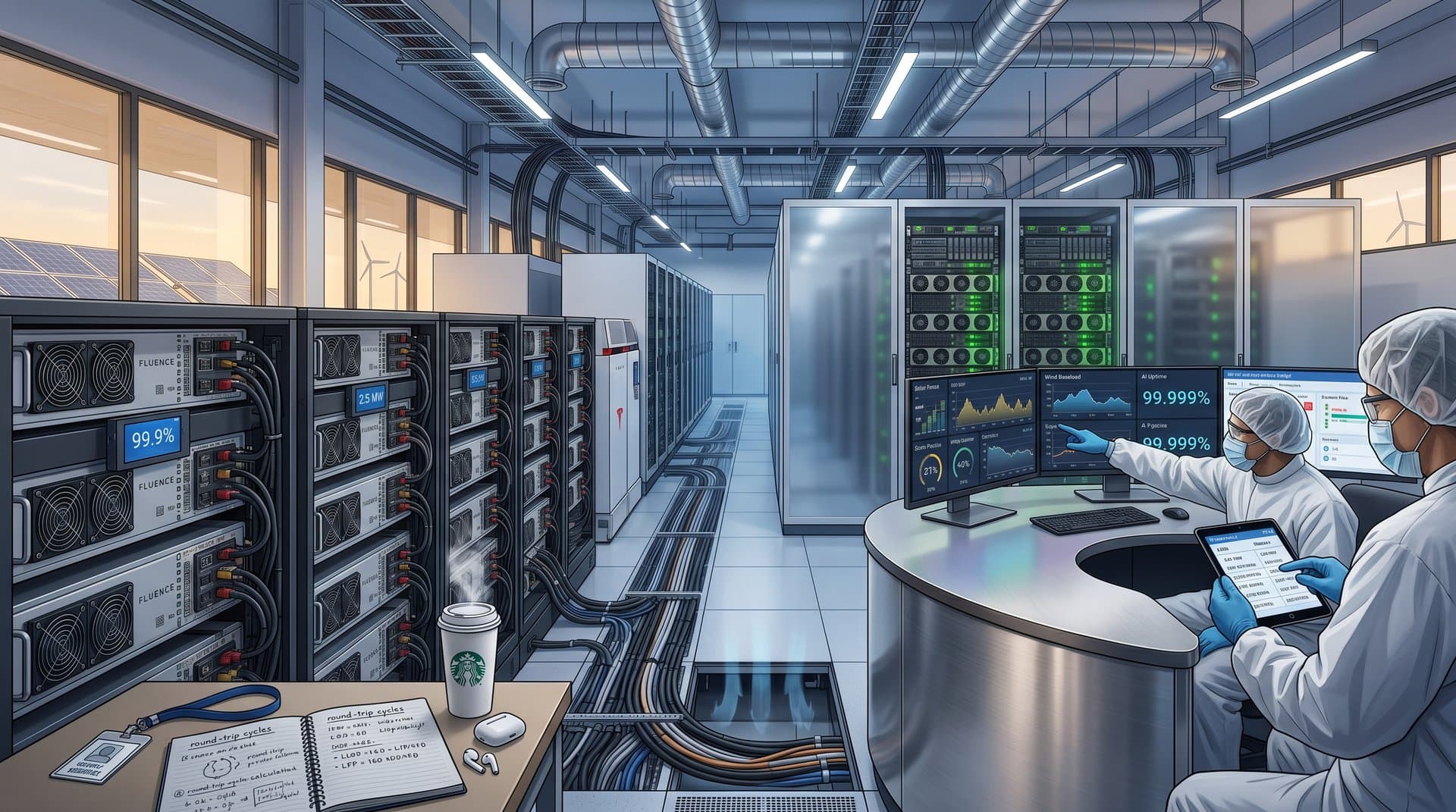
Vesterhav Nord wind farm deploys a 200 MW / 800 MWh lithium-ion system (4-hour duration), storing 4 GWh annually at 88% round-trip efficiency (RTE) tested at 0.25C discharge rate per IEC 62619 standards. The system achieves 4,000 cycles at 80% capacity retention.
Wood Mackenzie projects €1.2 billion (USD 1.3 billion) in Danish storage investments for 2026. "Solar constraints accelerate hybrid wind-storage projects across Scandinavia," said analyst Phil Hewitt.
Jutland Hybrid Delivers Results
Ørsted's Borken hybrid, operational since Q1 2025, combines 400 MW wind turbines with 1,200 MWh (3-hour duration) lithium iron phosphate (LFP) batteries. Energy density reaches 160 Wh/kg at pack level, with 6,000 full cycles at 80% retention (per UN 38.3 certification).
The project dispatches 70% of stored energy during peak demand, slashing curtailment by 18%. Annual savings total DKK 150 million (USD 22 million), driven by €35/MWh levelized cost of storage (LCOS).
Vattenfall breaks ground on a 150 MW Funen wind farm paired with 600 MWh (4-hour) storage, commissioning targeted for Q4 2027. EPC contractor ABB supplies the battery management system.
Policy Ripples Across EU
Denmark's stance influences regional peers. Germany limits solar to 1% of farmland under 2025 BauGB amendments. The Netherlands caps arrays at 100 MW per municipality via recent provincial decrees.
The EU Battery Regulation (2023/1542) prioritizes long-duration storage. Iron-air batteries in pilots achieve 90% depth of discharge (DoD) over 100 hours, with 50 Wh/kg density and €20/kWh capex targets.
Jens Rost, policy director at the Danish Energy Agency, emphasized, "Food security trumps intermittent solar amid wind dominance." Rost shared this view in a Reuters interview.
BloombergNEF revises EU solar additions to 45 GW annually through 2028, down 10%. Grid storage deployments climb to 15 GWh per year, led by Denmark and Germany.
Hybrids Win on Economics
Farmland scarcity elevates ground-mount solar LCOS to €45/MWh (USD 49/MWh). Wind-storage hybrids drop to €35/MWh, factoring 88% RTE and 15-year lifespans.
Investors pledge €500 million (USD 540 million) to Danish storage tenders this quarter. Fluence wins a 300 MW / 1,200 MWh (4-hour) Sjælland grid contract at €40/kWh installed cost.
Hybrids expedite permitting by 20%, clearing interconnection queues faster per Energinet data.
Batteries Bolster Grid Reliability
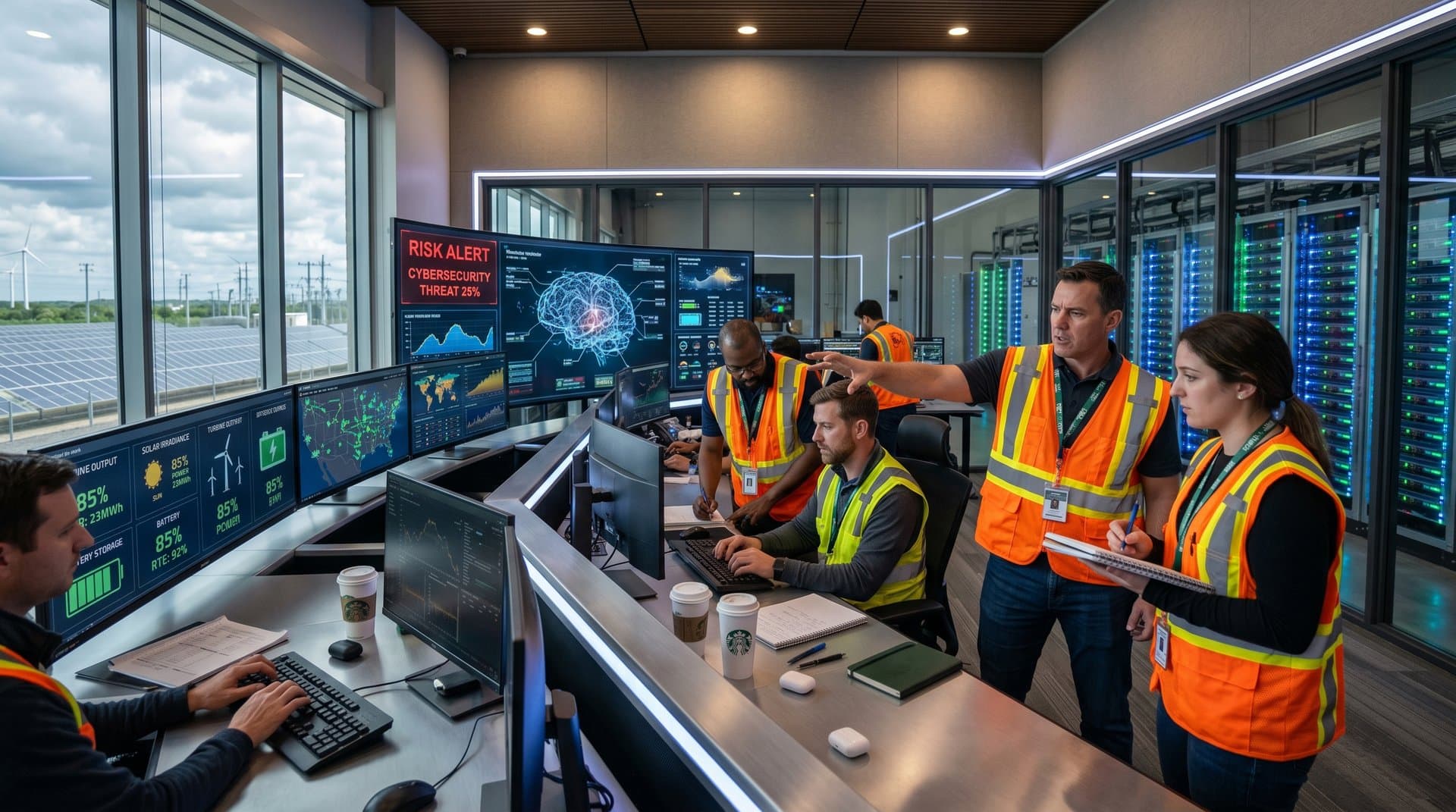
Denmark hits 85% renewables penetration in 2025. Batteries bridge 12-hour wind lulls, maintaining 99.98% grid reliability per Energinet metrics.
Storage reduces winter imports by 30%. Nissan V2G pilots aggregate 50 MW from 10,000 electric vehicles, discharging at 95% RTE.
CATL advances sodium-ion production for Denmark, targeting USD 80/kWh pack cost—20% below LFP—with 150 Wh/kg density, 6,000 cycles at 80% retention (IEC 62660-1), and zero cobalt reliance.
Denmark solar policy reversal solidifies its grid storage leadership. June tenders will test whether batteries fully offset the 2 GW solar shortfall.