- PYMNTS.com: AI lifts equipment investment to 6-year high, surging BESS demand 160%.
- FERC data: 100 GW queues backed by data centers in ERCOT, PJM.
- IRA 30% ITC + 10% bonus cuts LCOS 30% to USD 140/kWh.
Data center energy storage demand surges 160% as AI spending lifts business equipment investment to a 6-year high, per PYMNTS.com's Q2 2024 report. Hyperscalers Microsoft and Google accelerate GPU deployments, straining grids and spurring utility-scale battery energy storage systems (BESS) procurement.
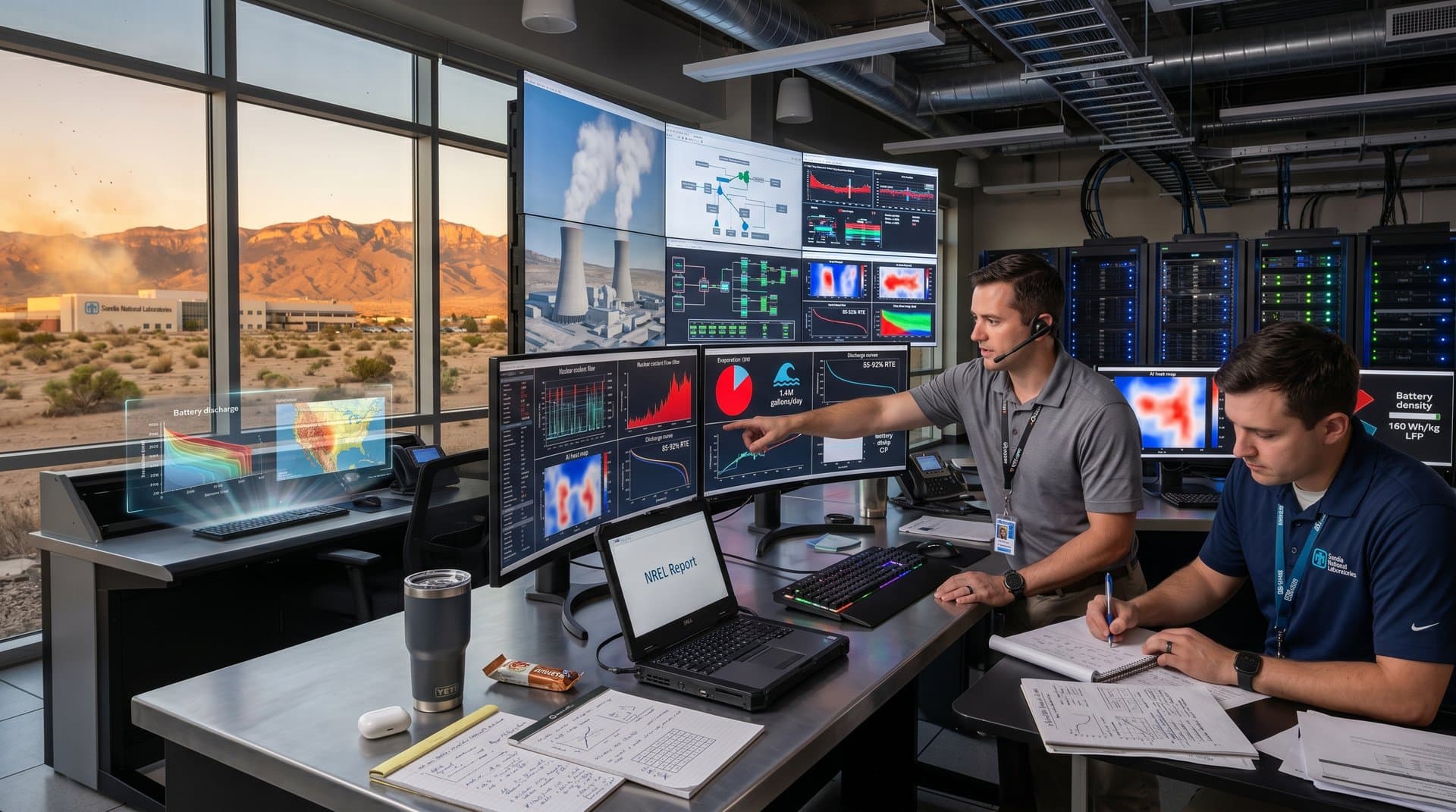
Lithium-ion BESS dominates with 85-90% round-trip efficiency (RTE) at 0.5C discharge rates, per National Renewable Energy Laboratory (NREL) testing under IEC 62619 standards. These systems deliver 4-hour duration at 250 MWh nameplate capacity per Fluence's Gridstack Pro units.
AI Power Demands Fuel Data Center Energy Storage Buildout
AI model training consumes 1-10 MW per cluster, with outages costing USD 1 million per hour for hyperscalers. Goldman Sachs forecasts a 160% rise in data center power demand by 2030, reaching 1,000 TWh annually. BESS co-location ensures 100% daily depth-of-discharge for backup, reducing reliance on diesel generators.
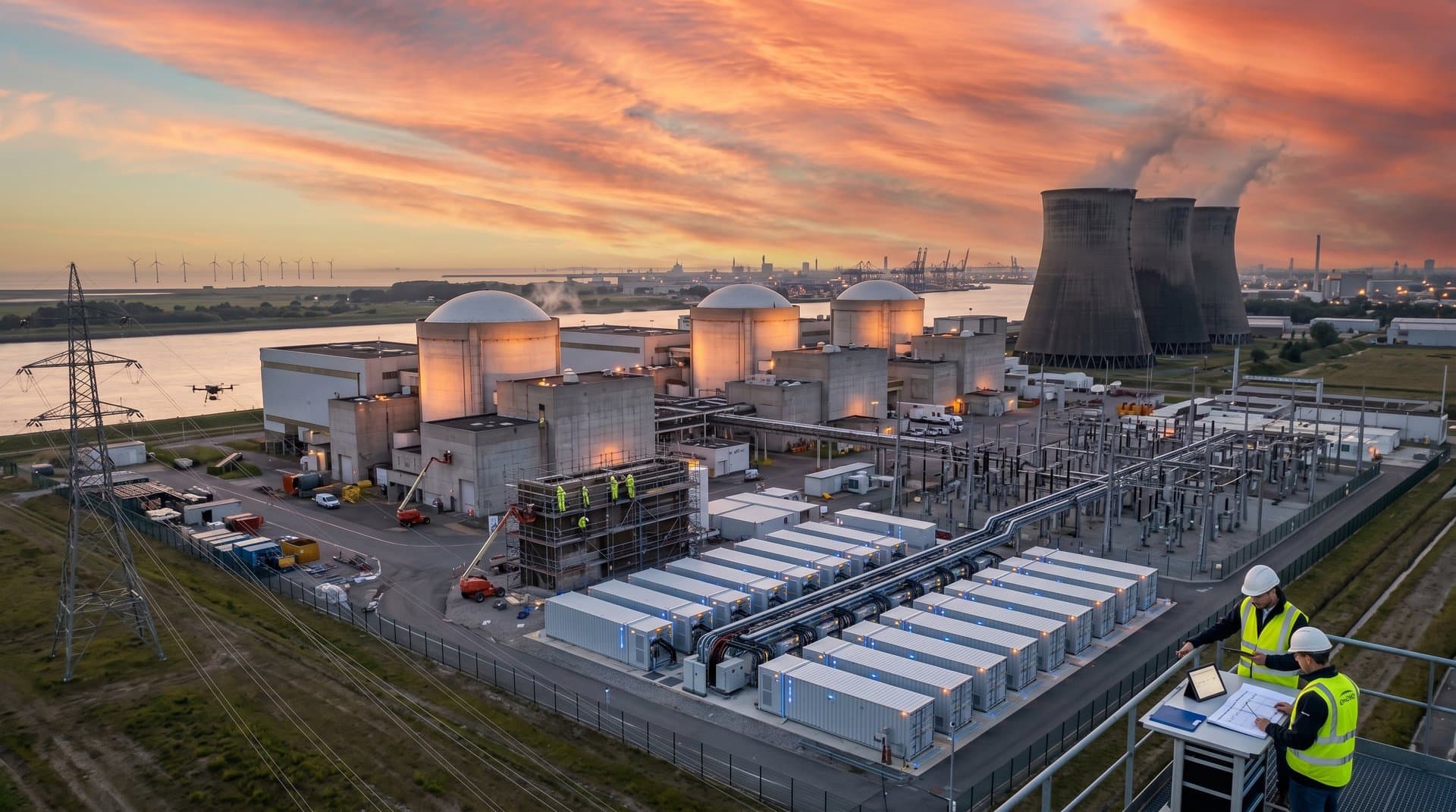
Tesla Megapack and Fluence supply 100 MW/400 MWh containerized units. Developers like NextEra Energy secure power purchase agreements (PPAs) bundling solar-plus-storage, targeting levelized cost of storage (LCOS) at USD 150-200/kWh over 15-year lifecycles with 3,000+ cycles at 80% capacity retention.
Interconnection queues surpass 100 GW nationwide, backed by data center load commitments in ERCOT and PJM, per Federal Energy Regulatory Commission (FERC) Order 2023 data. The International Energy Agency (IEA) projects global data center electricity use doubling to 1,000 TWh by 2026.
Utilities Pair BESS with Data Centers for Grid Services
Texas and Virginia host 60% of new data centers. ERCOT capacity auctions pay USD 100/kW-year for BESS, while PJM frequency response yields USD 50/MW-hour. Invenergy's 300 MW/1,200 MWh Sam Solar + Storage project in Texas commissions Q4 2025, serving hyperscaler loads with NMC 811 cathodes at 250 Wh/kg.
Long-duration energy storage (LDES) emerges for 10+ hour discharge. Form Energy's iron-air batteries target USD 20/kWh capex at 100-hour duration, per company specs validated by NREL. These complement lithium-ion for overnight AI workloads, offering 10,000+ cycles at 80% RTE.
IRA Tax Credits Slash Data Center Energy Storage Capex
Inflation Reduction Act (IRA) Section 48E provides 30% Investment Tax Credit (ITC) for standalone BESS over 3-hour duration. Domestic content bonus adds 10%, prioritizing U.S. lithium cathode production from Albemarle and Livent. NREL's 2024 report outlines pathways integrating 50 GW BESS by 2030 to support data center growth.
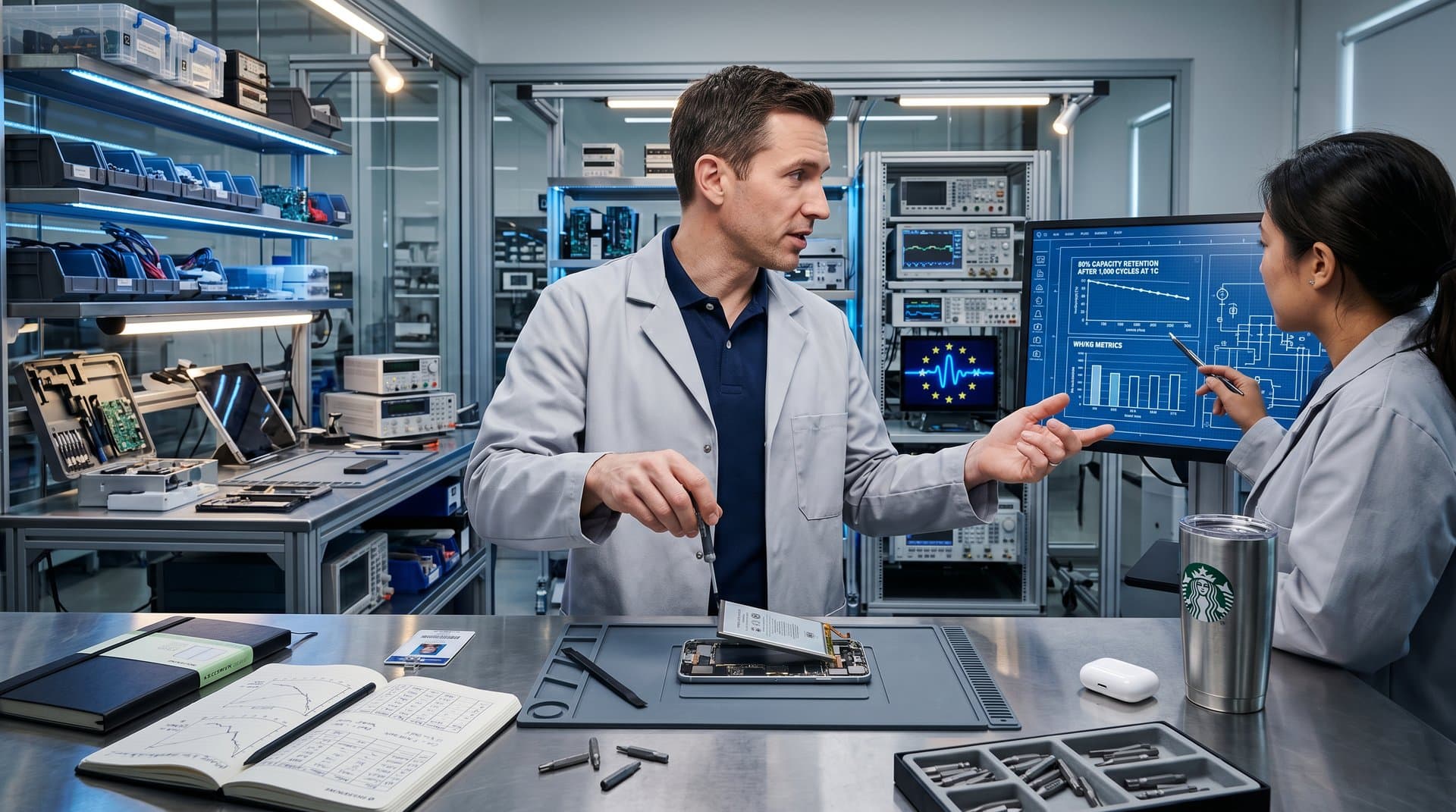
Developers achieve USD 140/kWh capex post-ITC, down from USD 200/kWh pre-IRA. California LCFS mandates 5 GW storage procurement by 2030. EU Battery Regulation enforces 16% recycled content by 2031, impacting global supply chains with verified sourcing under EU standards.
Supply chain realities loom: lithium carbonate prices fell 80% to USD 12,000/tonne in 2024, per Benchmark Mineral Intelligence. Cathode NMC 811 yields 250 Wh/kg energy density and 700 Wh/L volumetric density, enabling compact 4-hour BESS at grid scale with LFP alternatives at 160 Wh/kg for safety.
Revenue Stacking Powers Profitable BESS Projects
BESS monetizes via energy arbitrage (USD 20/MWh spread), capacity (USD 100/kW-year), and ancillaries (USD 15/MW-hour). Data centers form virtual power plants (VPPs) with 75% utilization. BloombergNEF predicts lithium-ion LCOS reaches USD 120/kWh by 2028, matching sodium-ion alternatives at USD 110/kWh with 4,500 cycles.
Frequency regulation markets in CAISO add USD 30/MW-hour premiums. Hyperscalers stack behind-the-meter storage with grid services for 20% higher IRRs.
Multi-GW Pipelines Unlock AI Era Grid Stability
PYMNTS.com's 6-year investment peak signals sustained 50 GW annual BESS additions. Hyperscalers AWS and Meta sign 20-year offtakes. Utilities dispatch firm BESS assets, averting blackouts. Scalable data center energy storage secures AI's trillion-dollar potential amid 8% annual grid growth, with 2 GW/month deployment ramps expected through 2030.
Frequently Asked Questions
How is AI investment surge driving data center energy storage demand?
AI boosts equipment spending to 6-year high per PYMNTS.com. Data centers add BESS for backup and peak management. This supports uninterrupted compute for models like GPT variants.
What role does data center energy storage play in grid stability?
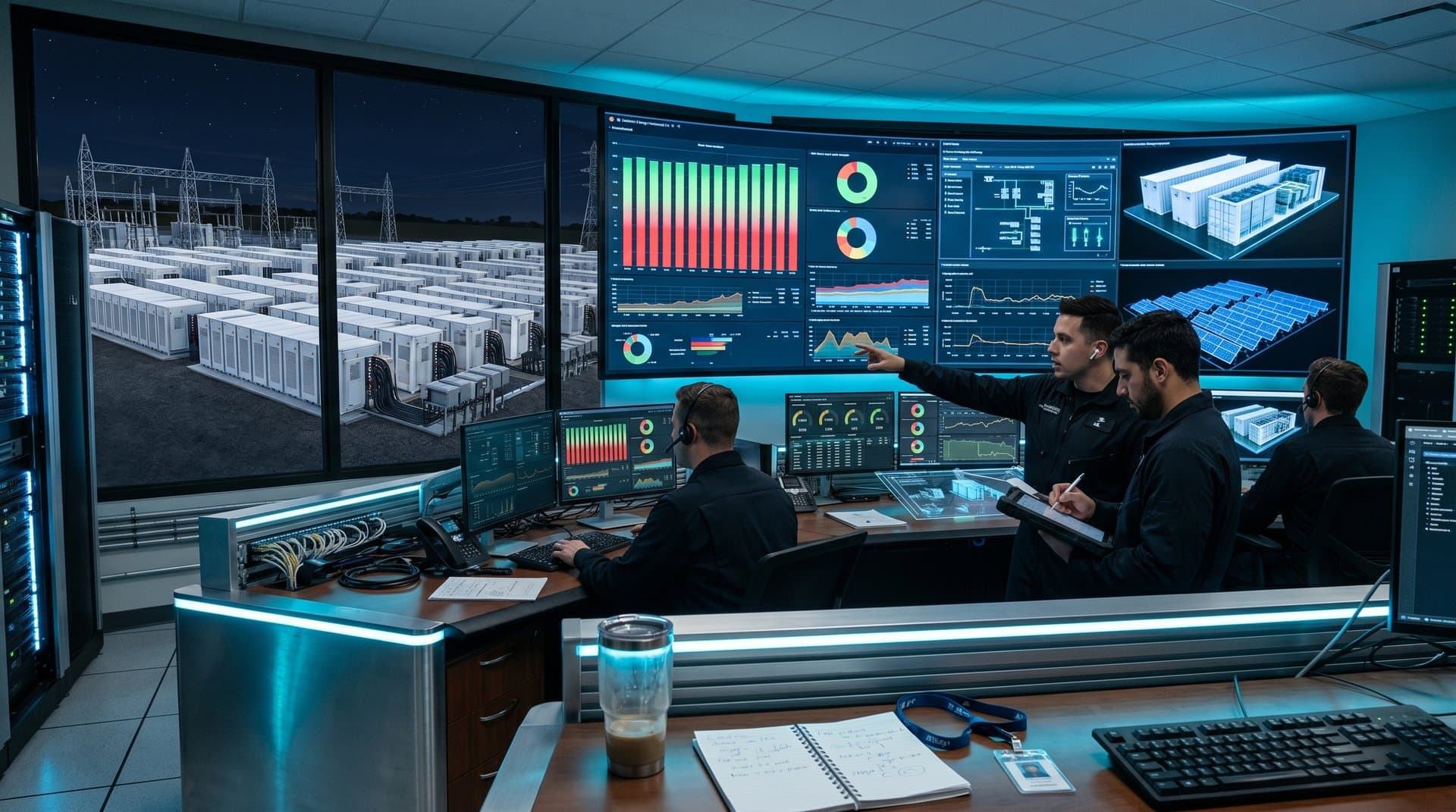
BESS provides frequency regulation and arbitrage in markets like ERCOT. Lithium-ion systems offer high round-trip efficiency. Utilities pair storage with data centers for firm capacity.
How do IRA policies incentivize data center energy storage projects?
IRA Section 48 grants 30% ITC for standalone BESS. Domestic content adds bonuses. This lowers LCOS for developers serving hyperscalers.
Why choose lithium-ion for data center energy storage?
Lithium-ion delivers fast response and 85%+ efficiency. Scalable to MW hours for backups. Alternatives like flow batteries target LDES needs.