- China controls 60% global lithium processing, per Reuters.
- AI power demand tops crypto by 2030, per Goldman Sachs.
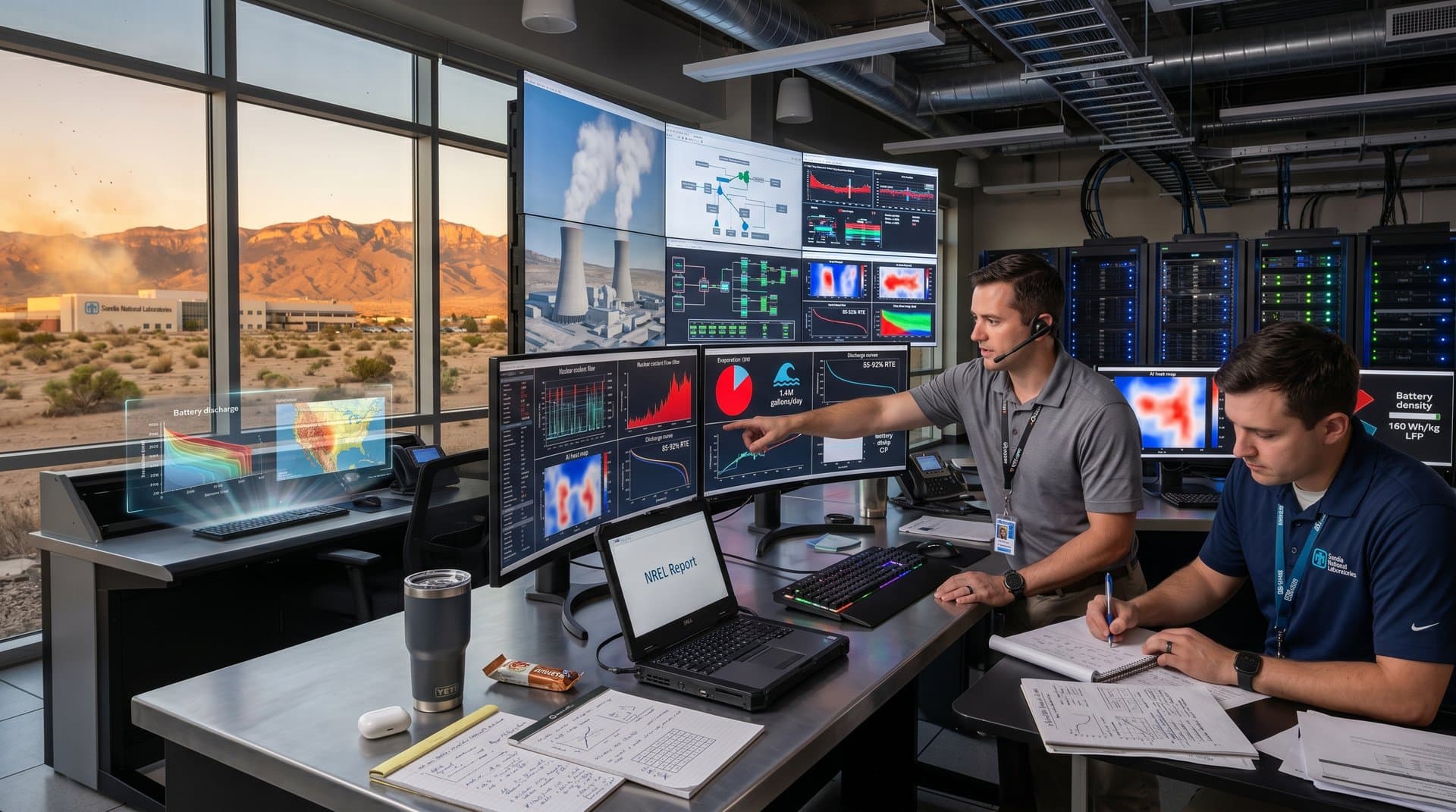
- IRA targets 80 GWh US battery capacity by 2030, per DOE.
Battery Supply Chains Face Geopolitical Disruption
Battery supply chains for US AI data centers risk major delays. China blocked Meta Platforms' acquisition of an AI startup on April 25, 2024, according to the Los Angeles Times. This move escalates US-China tech tensions.
Hyperscalers like Meta run thousands of data centers. These depend on lithium-ion batteries for uninterruptible power supplies (UPS) and renewable integration. China processes 60% of global lithium, per Reuters analysis.
AI Data Centers Boost LFP Battery Demand
AI training requires constant megawatt-scale power. Lithium iron phosphate (LFP) batteries provide grid stability during outages and solar/wind balancing. CATL's LFP packs deliver 85% round-trip efficiency (RTE) at 0.5C discharge, tested to IEC 62660-1 standard, per company data.
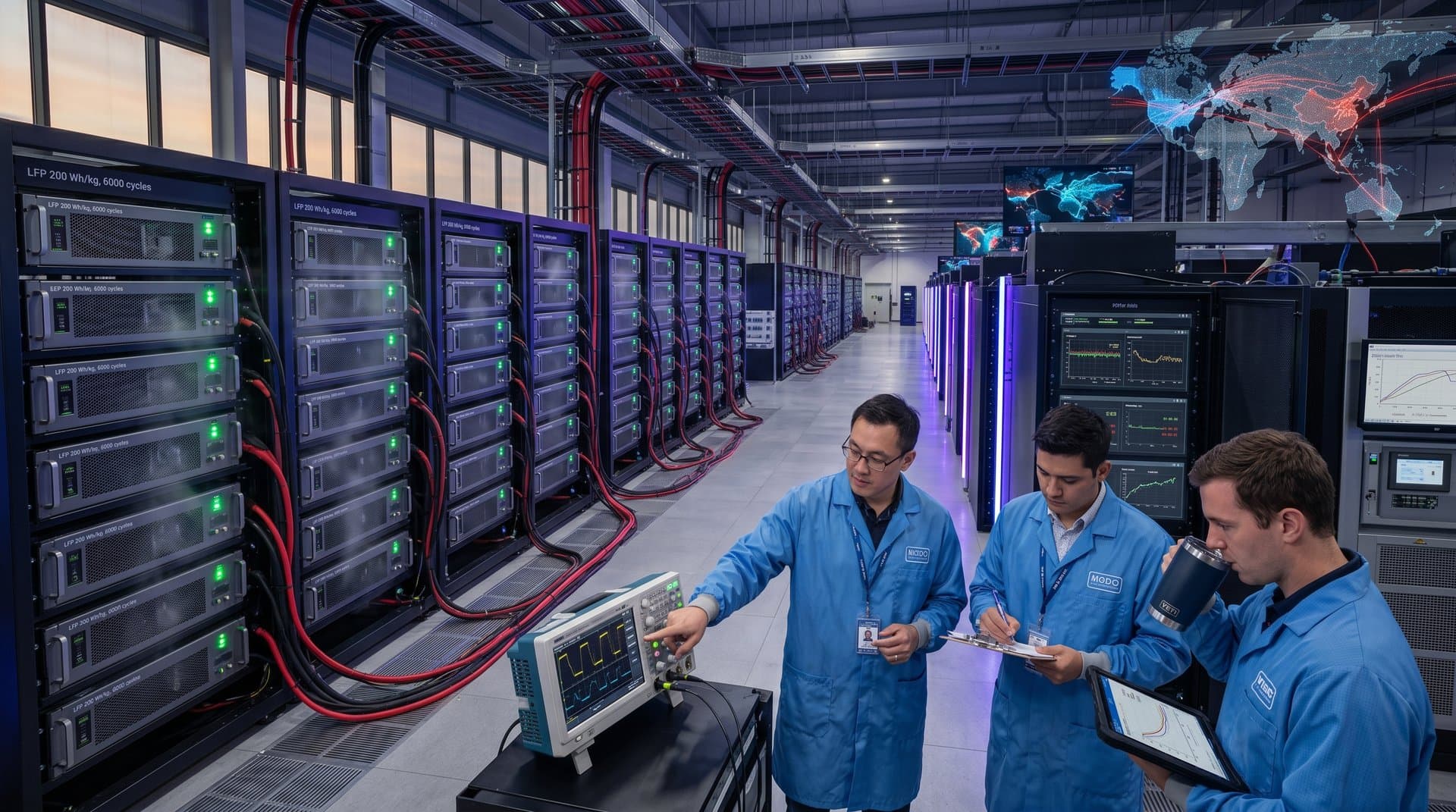
LFP achieves 200 Wh/kg gravimetric density and 6,000+ cycles at 80% depth of discharge (DoD). These specs beat NMC for UPS duty due to lower fire risk and stable performance.
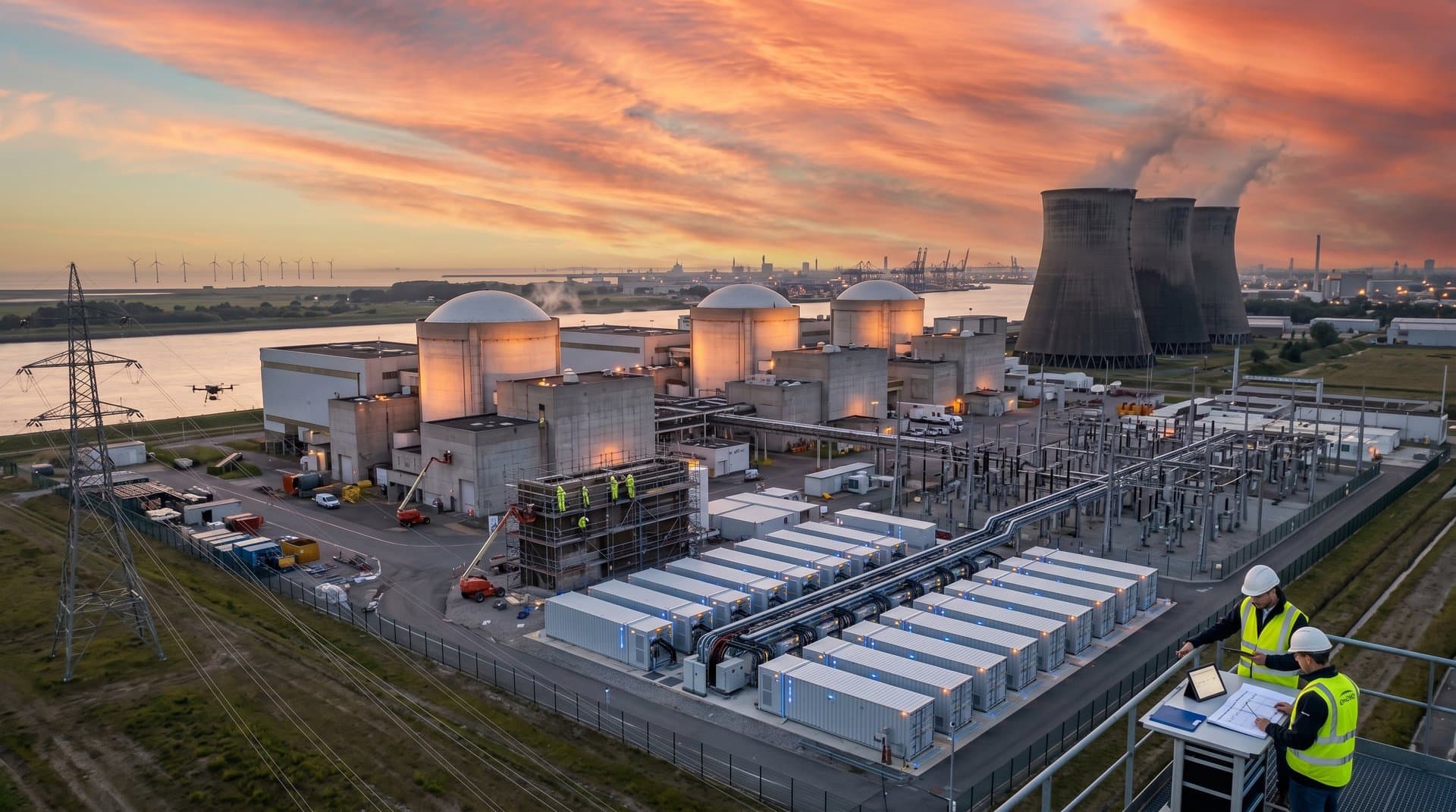
Goldman Sachs analysts project AI power demand will surpass crypto mining by 2030. PG&E deploys 1,000 MWh LFP systems from CATL and BYD for California grid support, per utility filings.
US-China Tensions Hit Battery Imports
US CHIPS Act curbs advanced chips to China. Beijing counters with AI tech blocks, endangering battery exports. Tariffs raise US levelized cost of storage (LCOS) by 20-30%, per BloombergNEF estimates.
Meta's blocked deal targeted Scale AI-like tools under export controls. Inflation Reduction Act (IRA) tax credits aim for 80 GWh US battery capacity by 2030, per US Department of Energy (DOE) projections.
LG Energy Solution diversifies supplies from South Korea. Natron Energy's sodium-ion batteries hit 150 Wh/kg as a lithium alternative, though below LFP density.
Storage Projects Strain Under Supply Risks
FERC Order 2023 (Docket No. RM22-13-000) enables storage in capacity markets. California and Texas projects need 4-hour LFP with Chinese anodes. Disruptions add USD 0.05/kWh to LCOS, per National Renewable Energy Laboratory (NREL) models.
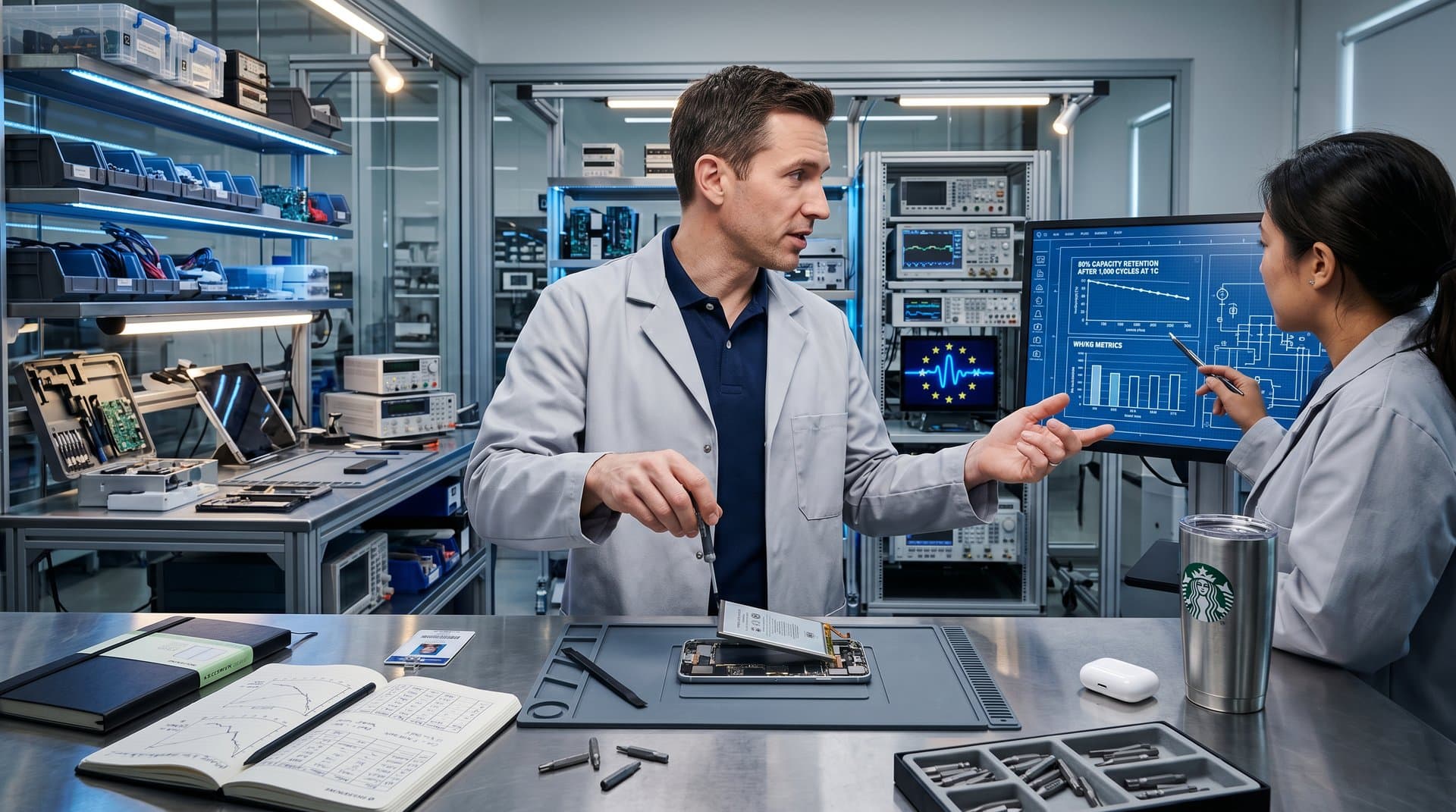
Microsoft Azure expansions require behind-the-meter storage for net-zero targets. EU Battery Regulation (2023/1542) imposes similar supply chain rules in Europe.
Form Energy tests iron-air long-duration storage at 100-hour duration and 20 MWh scale, validated in pilots.
Supply Chains Adapt to Trade Fractures
BloombergNEF ranks China at 77% global cell production share in 2023. CATL's condensed-state batteries claim 500 Wh/kg. US access depends on diplomacy.
QuantumScape's solid-state cells target 1,000+ cycles for UPS. Enovix silicon-anode cells aim for 900 Wh/L volumetric density.
Second-life EV packs cut costs 40%, per International Renewable Energy Agency (IRENA) studies. Vehicle-to-grid (V2G) links data centers to EV fleets. IRA and FERC rules accelerate reshoring.
Frequently Asked Questions
How does China's block on Meta AI deal affect battery supply chains?
It heightens tensions, risking export curbs. US data centers depend on Chinese LFP for UPS. IRA incentives boost domestic output.
Why are battery supply chains critical for AI data centers?
AI requires stable megawatt power. LFP offers 85% RTE, 6,000+ cycles at 80% DoD. Disruptions inflate costs and timelines.
What US policies mitigate battery supply chain risks from China?
IRA tax credits target 80 GWh capacity. FERC Order 2023 opens markets. LG Energy partnerships diversify sourcing.
How does AI energy growth impact global battery supply chains?
Data centers double storage needs. China dominates cathodes; tariffs hike LCOS. Iron-air LDES provides alternatives.