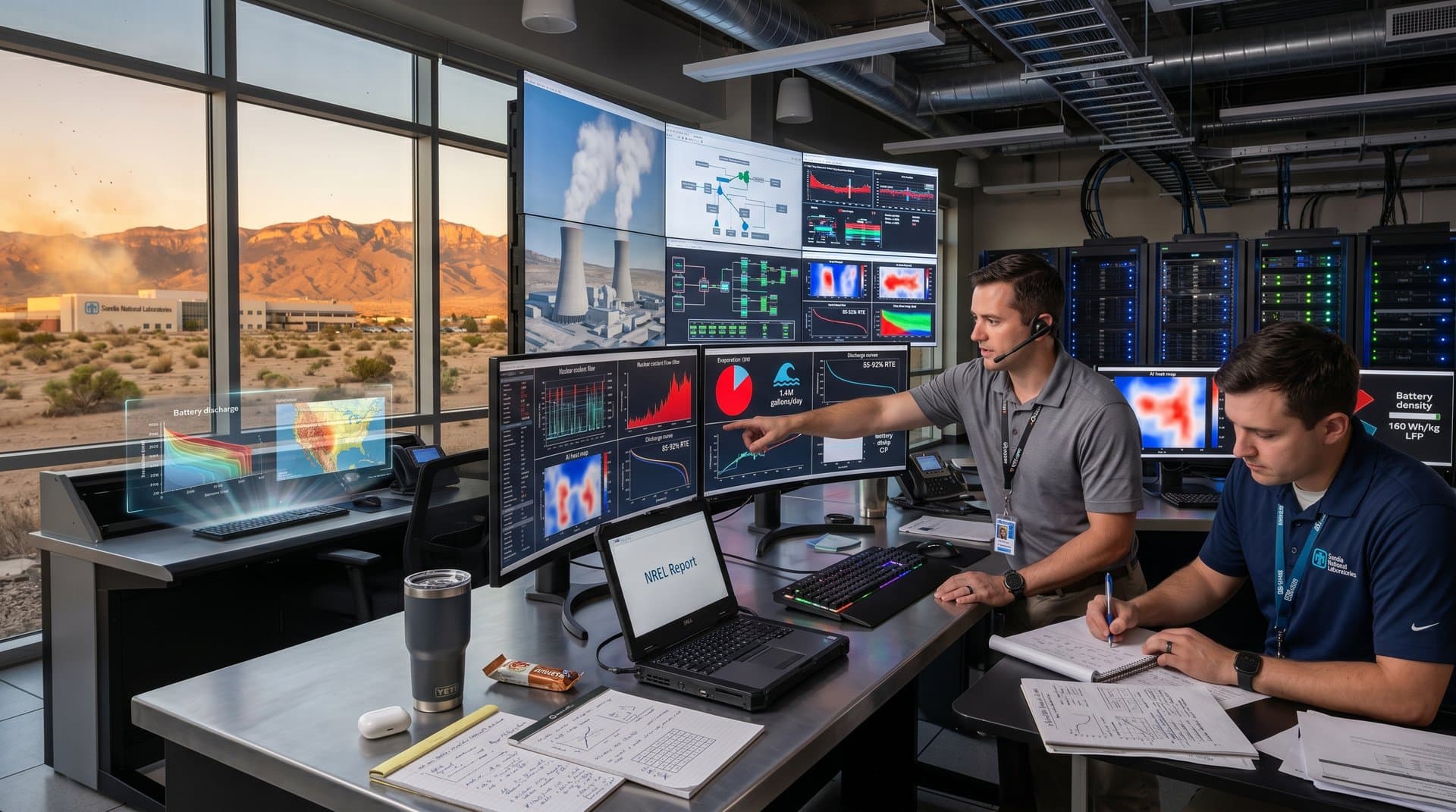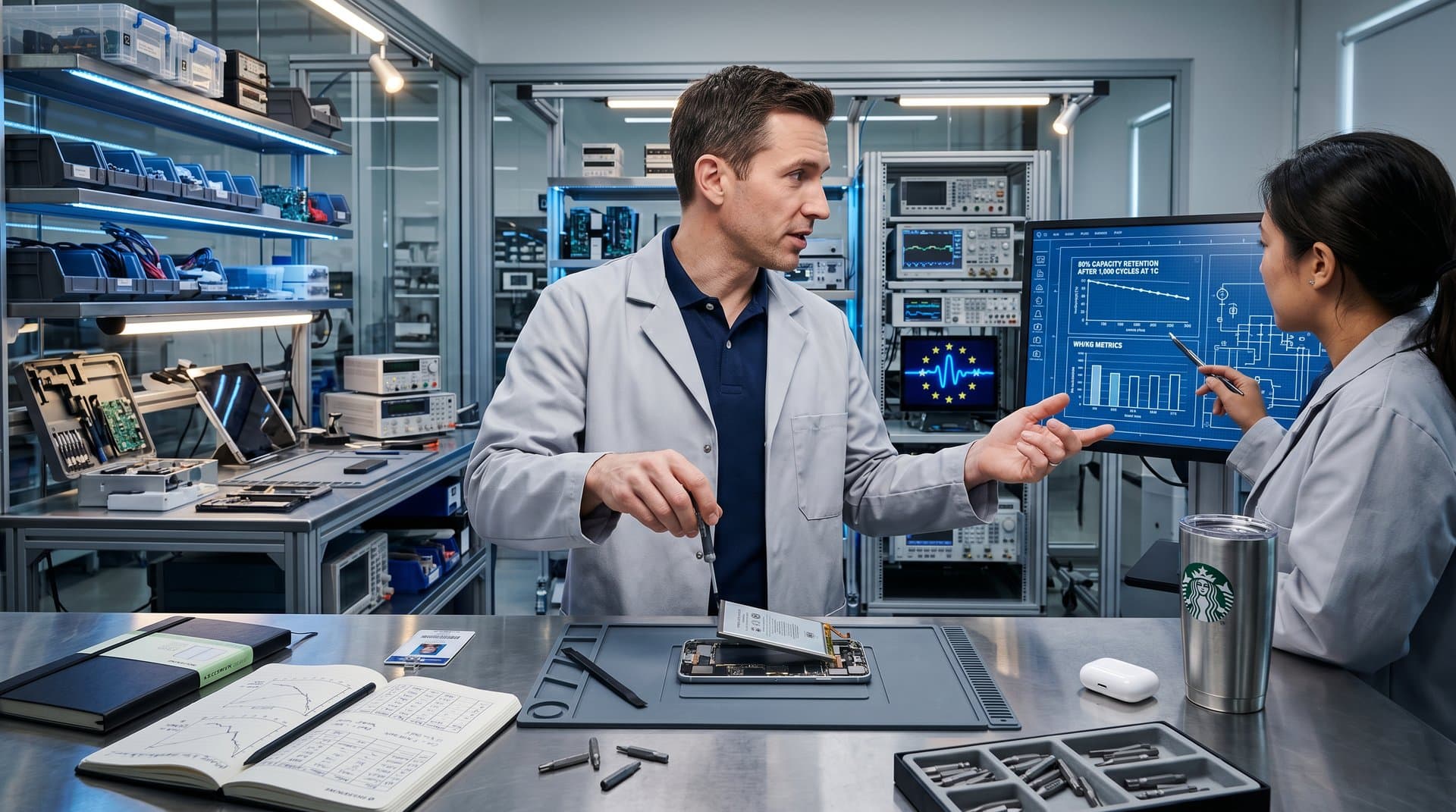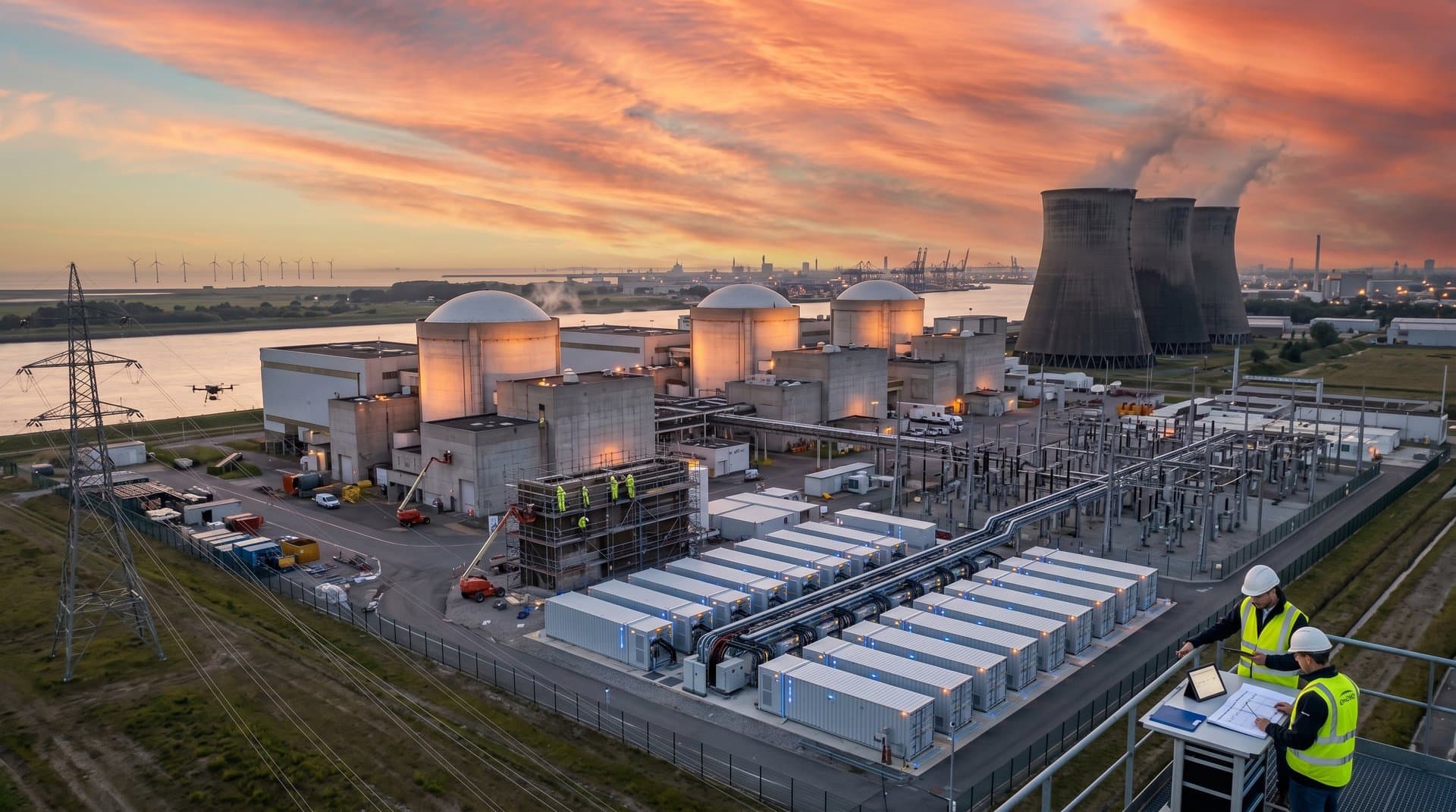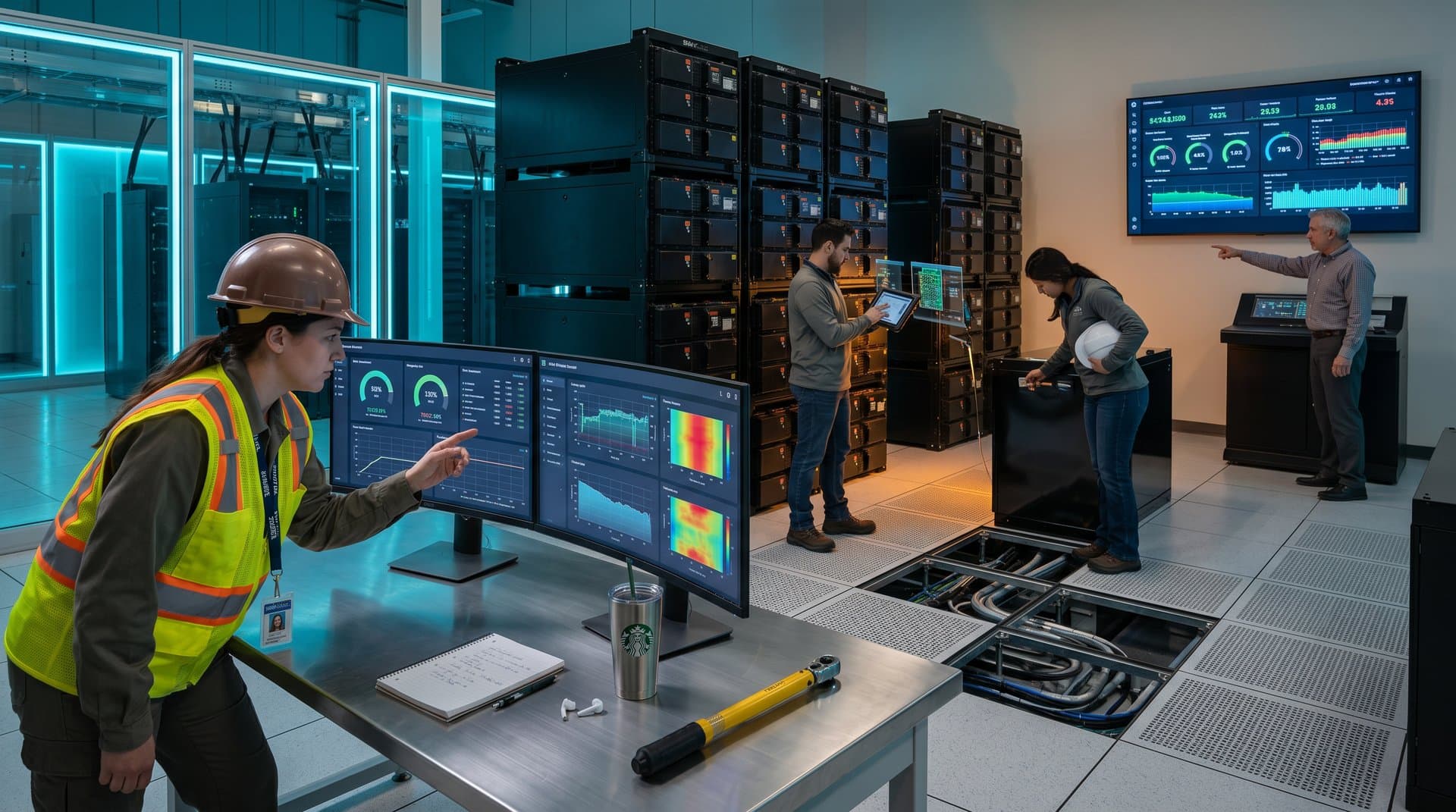
- Iran War delays battery storage supply chains 14 days, accelerating US LFP at 175 Wh/kg.
- AI data centers require 50-100 MW backed by 92% RTE batteries (Tesla, 2024).
- DOE projects 44 GW data center demand by 2030, met by solar-plus-storage.
Battery storage supply chains face 14-day delays from Iran War Red Sea disruptions (S&P Global Platts, 2024). North American LFP production accelerates to serve AI data centers' 44 GW demand by 2030 DOE.
Motley Fool forecasts a persistent AI supercycle. Goldman Sachs projects AI power demand surges 160% to 1,000 TWh annually by 2030 Goldman Sachs.
Red Sea Rerouting Adds 14 Days to Lithium Shipments
Ships detour around Africa, delaying lithium hydroxide from Australia by 10-14 days (S&P Global Platts, 2024). Cathode precursors from China face equal lags.
US LFP factories achieve 175 Wh/kg energy density and 6,000 cycles at 80% depth of discharge (CATL specifications, 2024). Packed density hits 425 Wh/L. Europe advances sodium-ion to 160 Wh/kg and 140 Wh/L.
Data center operators lock in cells through three-year offtake deals. Diversification bolsters AI growth.
AI Data Centers Demand 50-100 MW With 92% RTE Storage
Hyperscale GPU clusters run 24/7 at 50-100 MW. Battery storage buffers renewable intermittency. EV makers repurpose cells for BESS.
Tesla Megapack pilots yield 92% round-trip efficiency (RTE) at 0.25C discharge (Tesla Energy, 2024). Operators combine solar PV with 4-hour LFP at US$85/kWh installed (BloombergNEF Q3 2024). Wind integrates 8-hour storage for peak shaving.
NMC cathodes deliver 250 Wh/kg and 700 Wh/L for UPS density. Containerized BESS rolls out in weeks using EV lines.
Data centers could double global electricity use to 1,000 TWh by 2026 IEA.
Flow batteries offer 10-hour duration at 50 Wh/kg, eyeing 20% market share. Iron-air targets US$20/kWh LCOS (Form Energy pilots).
Investor Sentiment Neutral at 47, Backs Storage Capex
Crypto Fear & Greed Index hits 47, neutral Alternative.me. Bitcoin trades at US$78,741, up 1.2% CoinGecko (Oct 1, 2024). Ethereum rises 2.4% to US$2,373.
Utilities invest US$10 billion in BESS (Motley Fool, 2024). Tesla Energy scales Megapack to 100 GWh/year.
Fluence lands 2 GWh hyperscaler deals for 2025. PPAs require renewables-plus-storage, dropping LCOE to US$40/MWh.
EV Gigafactories Fuel Dual-Use Data Center Storage
EV plants output 70 GWh/year of NMC and LFP (DOE, 2024). Data centers cycle at 90% DoD for UPS.
Second-life EV packs hold 70% capacity at US$50/kWh (ReCell Center). IRA credits back 50 GW US BESS.
Virtual power plants dispatch 20 MW BESS for wind. Packs add grid inertia, improving frequency response 20% (NREL).
Sodium-ion pilots hit 120 Wh/kg and 4,500 cycles for 10-hour use.
North America Scales LFP to Secure AI Power Reliability
Benchmark Mineral Intelligence forecasts 200 GWh/year North American LFP by 2026. Geopolitics favors stationary over mobile storage.
Motley Fool confirms AI supercycle endures. Hyperscalers target LCOS below US$100/kWh. Battery storage supply chains harden against disruptions.
Frequently Asked Questions
How does the Iran War affect battery storage supply chains?
Red Sea disruptions delay lithium and cathodes by 10-14 days (S&P Global Platts, 2024). Firms pivot to US LFP at 175 Wh/kg.
Why do AI data centers need battery storage supply chains?
They support 50-100 MW loads with 92% RTE systems. Renewables integrate 4-10 hour storage.
How do EV batteries support data center storage?
NMC/LFP gigafactories scale supply. Second-life packs deliver US$50/kWh.
What are key metrics for these battery chemistries?
LFP: 175 Wh/kg, 6,000 cycles; sodium-ion: 160 Wh/kg; NMC: 250 Wh/kg.