- Alphabet drops 10% on USD 13B AI capex (Reuters, Oct 30).
- Data centers hit 1,000 TWh/year by 2026 (IEA, 2024).
- BESS demand triples by 2030 from data centers (BloombergNEF).
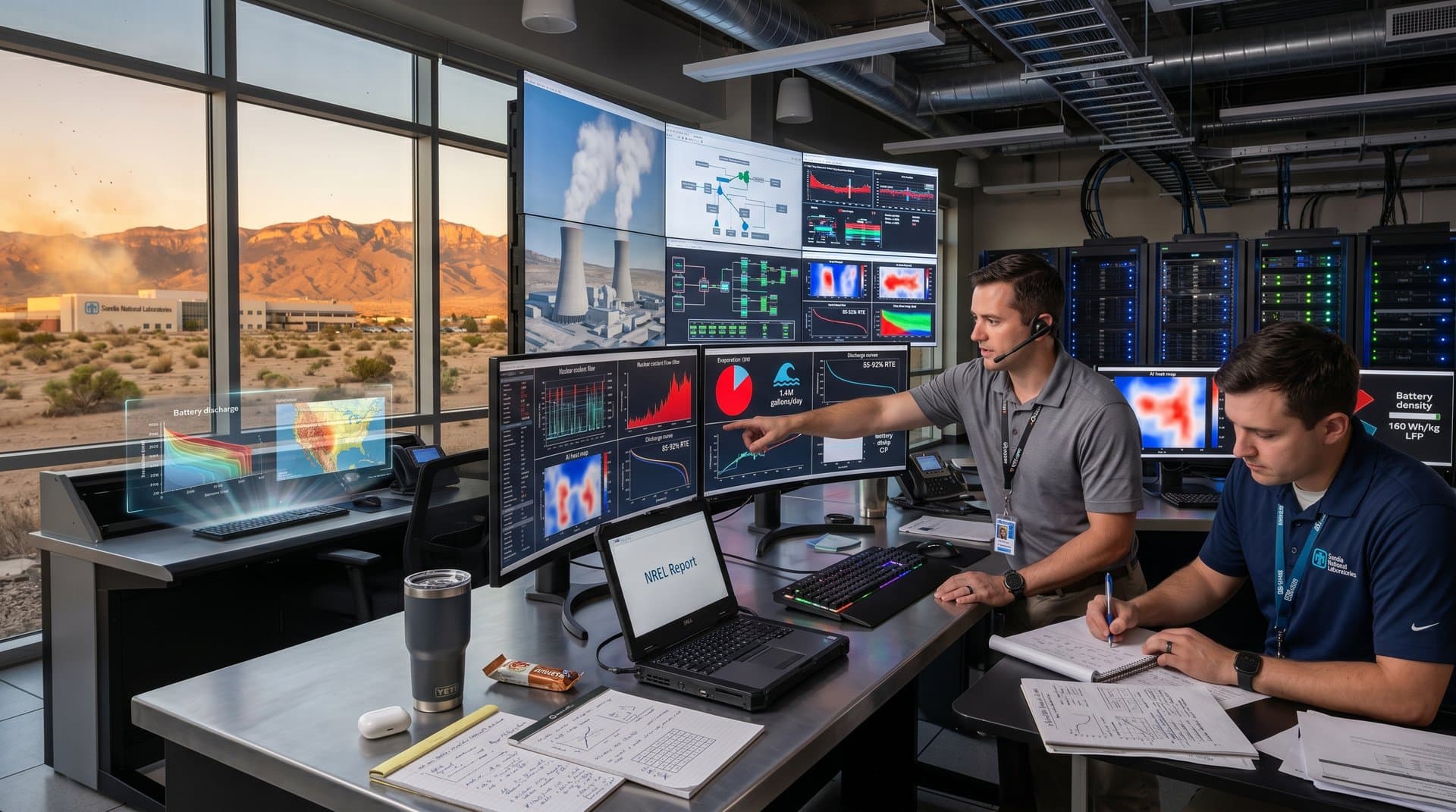
Battery storage for AI data centers surges following Alphabet's 10% share plunge on October 30, 2024, due to AI infrastructure capex fears (Reuters). Hyperscalers like Google confront gigawatt-scale power demands. Lithium-ion battery energy storage systems (BESS) co-locate for peak shaving, achieving 90% round-trip efficiency (RTE) under NREL benchmarks at 1C discharge rates.
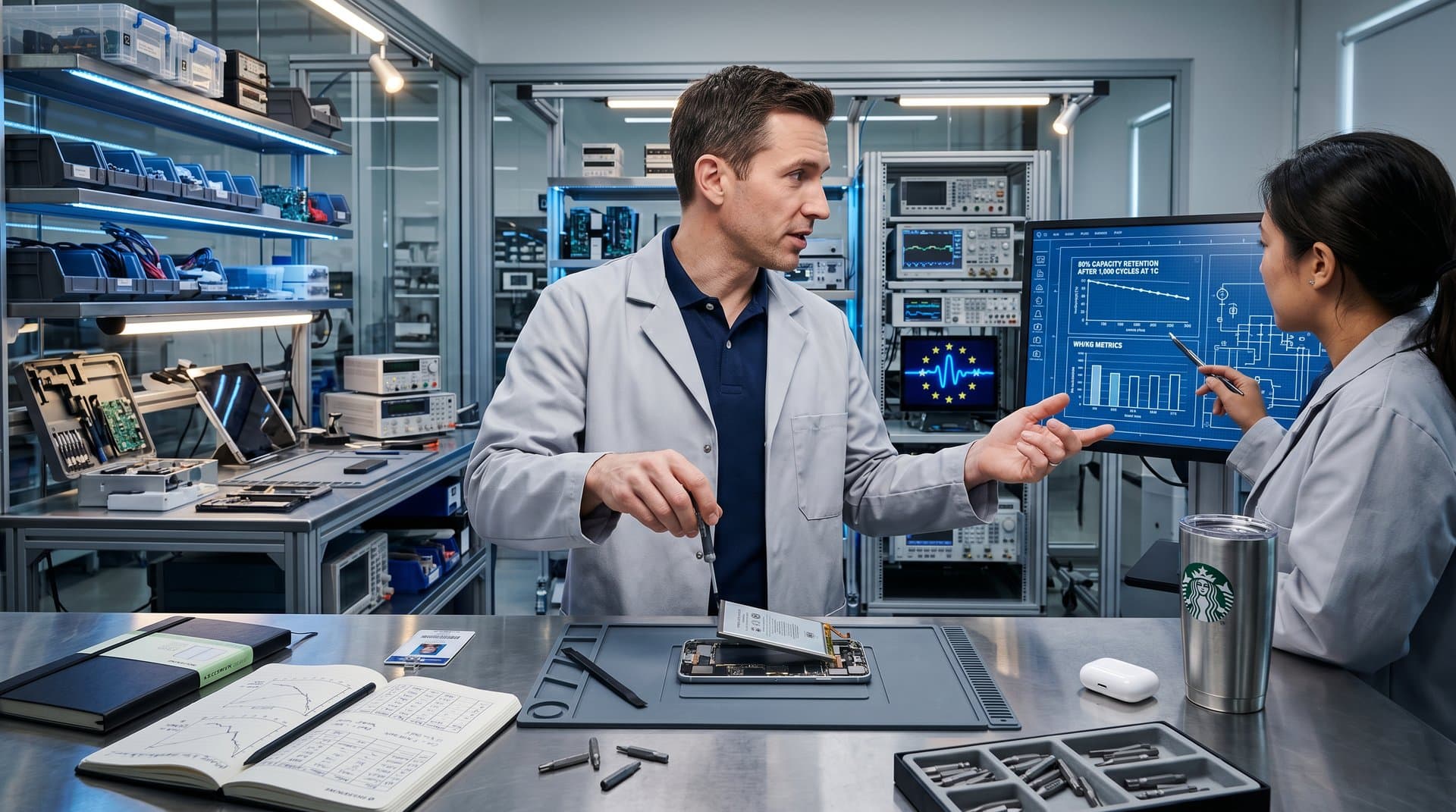
Second-life EV battery packs from manufacturers like CATL supply BESS at USD 50/kWh. These retain 70-80% original capacity after 200,000 km of vehicle use, per NREL testing.
Alphabet Capex Surge Drives BESS Demand
Alphabet reported USD 13 billion in Q3 2024 AI infrastructure spending during earnings calls. Microsoft and Amazon face identical capex pressures, prompting investor concerns (Reuters, October 30, 2024). GPU clusters for AI training consume 100 MW per site continuously.
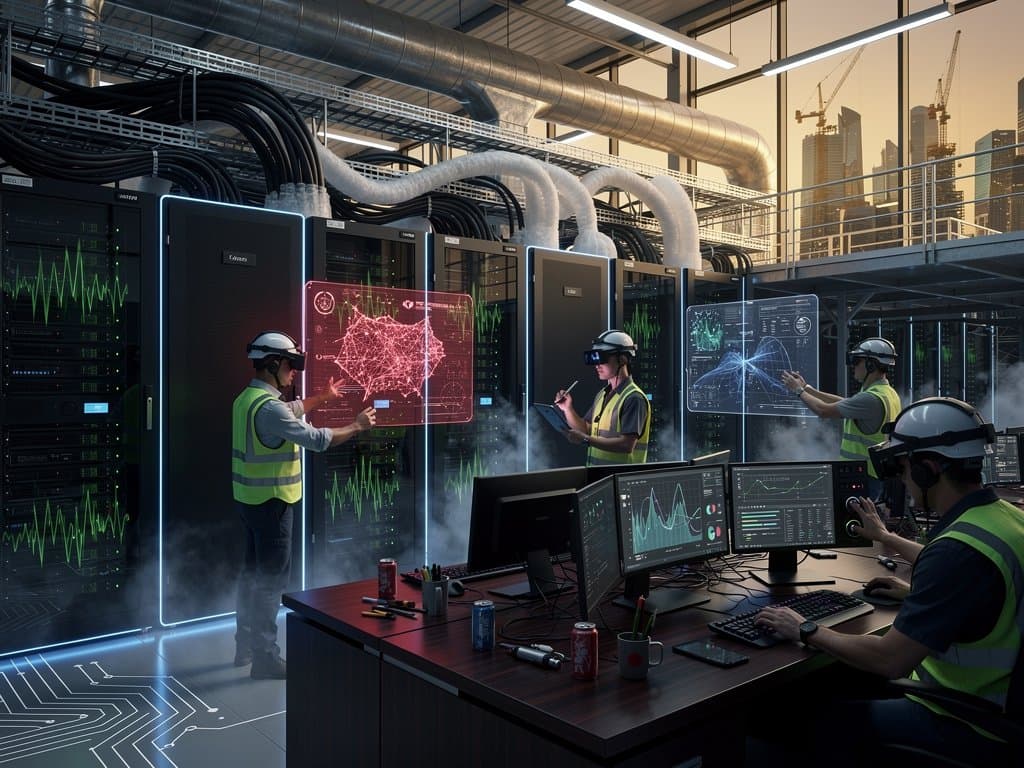
PJM Interconnection data shows data center interconnection queues doubled in 2024, causing multi-year grid connection delays. Lithium-ion uninterruptible power supply (UPS) systems respond in under 100 ms to outages.
Flow batteries from Invinity Energy support four-hour discharge for grid balancing, with 75% RTE per independent tests.
Data Centers Strain Global Grids
The International Energy Agency (IEA) forecasts data centers will consume 1,000 TWh annually by 2026, matching Japan's total electricity use (IEA, "Data Centres and Data Transmission Networks," 2024). Individual hyperscale sites draw 100 MW nonstop, equivalent to 80,000 households.
BESS addresses these peaks effectively. CATL's LFP cells deliver 6,000 cycles at 80% depth of discharge (DoD), certified under IEC 62660-1 standard. Production occurs at gigafactories outputting 1 TWh annually.
NMC cathodes provide 250-300 Wh/kg energy density for high-power UPS applications, sourced from NREL's FY24 analysis.
Battery Chemistries Tailored for AI Loads
- Technology: LFP Li-ion · Energy Density: 160-180 Wh/kg · Cycle Life: 6,000+ at 80% DoD · Best Use: Peak shaving · Source: CATL datasheets
- Technology: NMC Li-ion · Energy Density: 250-300 Wh/kg · Cycle Life: 2,000+ at 100% DoD · Best Use: UPS high power · Source: NREL FY24 OSTI-86294
- Technology: Iron-Air · Energy Density: 100-150 Wh/kg, 400 Wh/L · Cycle Life: 5,000+ · Best Use: Long-duration · Source: Form Energy pilots
- Technology: Sodium-ion · Energy Density: 140-160 Wh/kg · Cycle Life: 4,000+ at 80% DoD · Best Use: Cost-sensitive · Source: CATL pilot data
Data draws from NREL (fy24osti/86294.pdf), CATL specifications, and Form Energy. Lithium carbonate prices stabilize at USD 12/kg, easing supply chain costs amid Australian mine expansions.
Second-Life EV Batteries Accelerate Deployment
NREL studies confirm second-life packs degrade only 1-2% per year post-EV service. A fleet of 100,000 EVs yields 1 GWh capacity via vehicle-to-grid (V2G) integration.
US Inflation Reduction Act (IRA) provides 30% investment tax credits for BESS exceeding three-hour duration. EU Battery Regulation 2023/1542 requires second-life viability assessments before recycling.
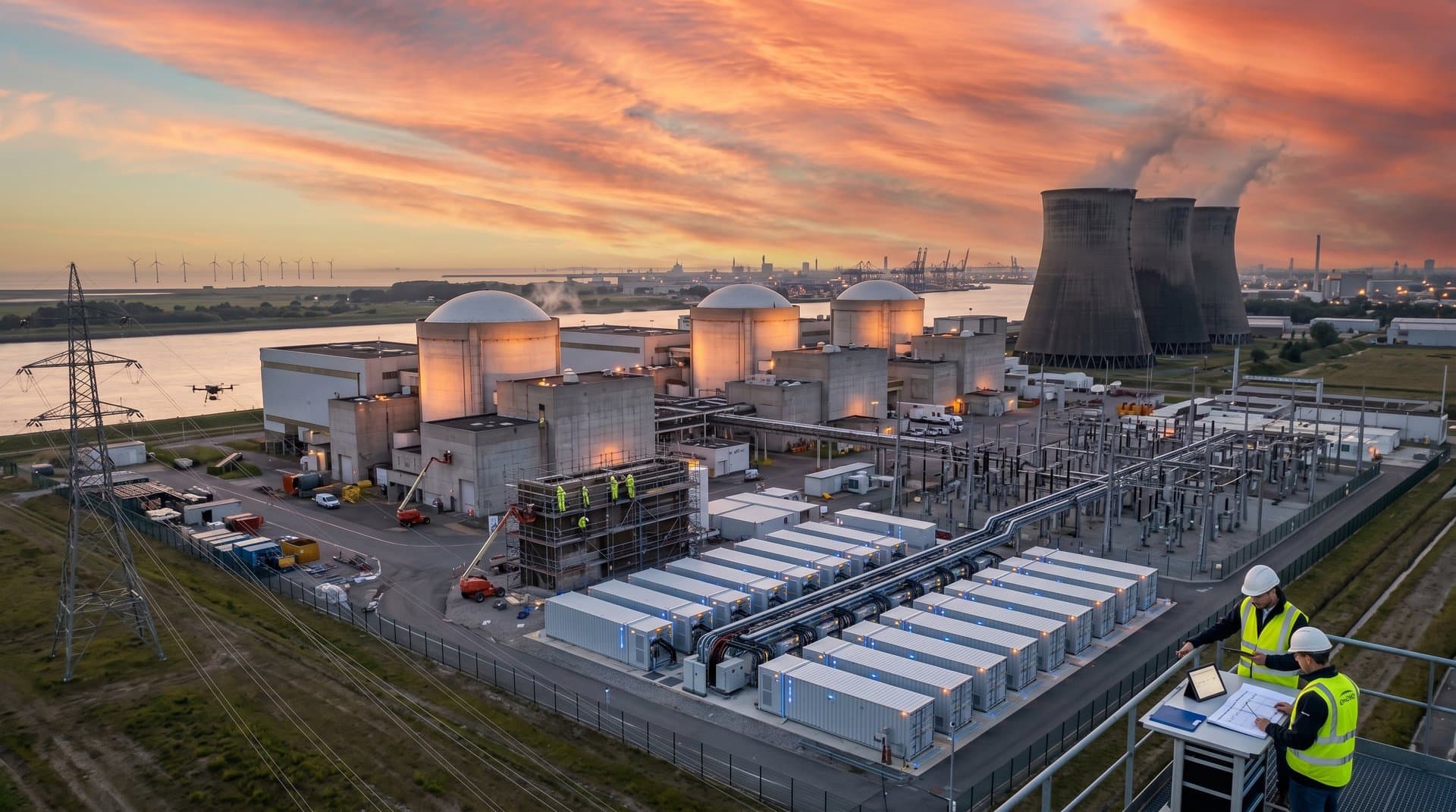
Microsoft installed 100 MW BESS at Arizona data centers in 2024. AWS deployed 50 MW vanadium flow batteries in Virginia, per company filings.
BESS Demand Triples Amid Grid Constraints
BloombergNEF projects data centers will triple global BESS demand by 2030, with hyperscalers securing 10 GWh offtake agreements (BNEF, 2024). Iron-air batteries target USD 0.05/kWh levelized cost of storage (LCOS) for 100-hour discharge, validated in Form Energy's Minnesota pilot.
Sodium-ion pilots hit USD 40/kWh pack costs, leveraging abundant sodium supplies. Shared EV-battery supply chains cap lithium dependency.
Battery storage ensures AI data center uptime as grids lag. Developers lock in power purchase agreements (PPAs) years ahead, reshaping energy markets.
Frequently Asked Questions
How does Alphabet's stock drop link to battery storage AI data centers?
AI capex surge reveals power shortages. BESS provides 90% RTE for UPS and peak management (NREL).
What role do second-life EV batteries play in AI data center power?
They cost USD 50/kWh with 6,000+ cycles at 80% DoD, retaining 70-80% capacity (CATL, NREL).
Why are BESS essential for data center grid reliability?
They handle 100 MW loads with <100 ms response times. Demand triples by 2030 (BloombergNEF).