By Priya Mensah April 11, 2026
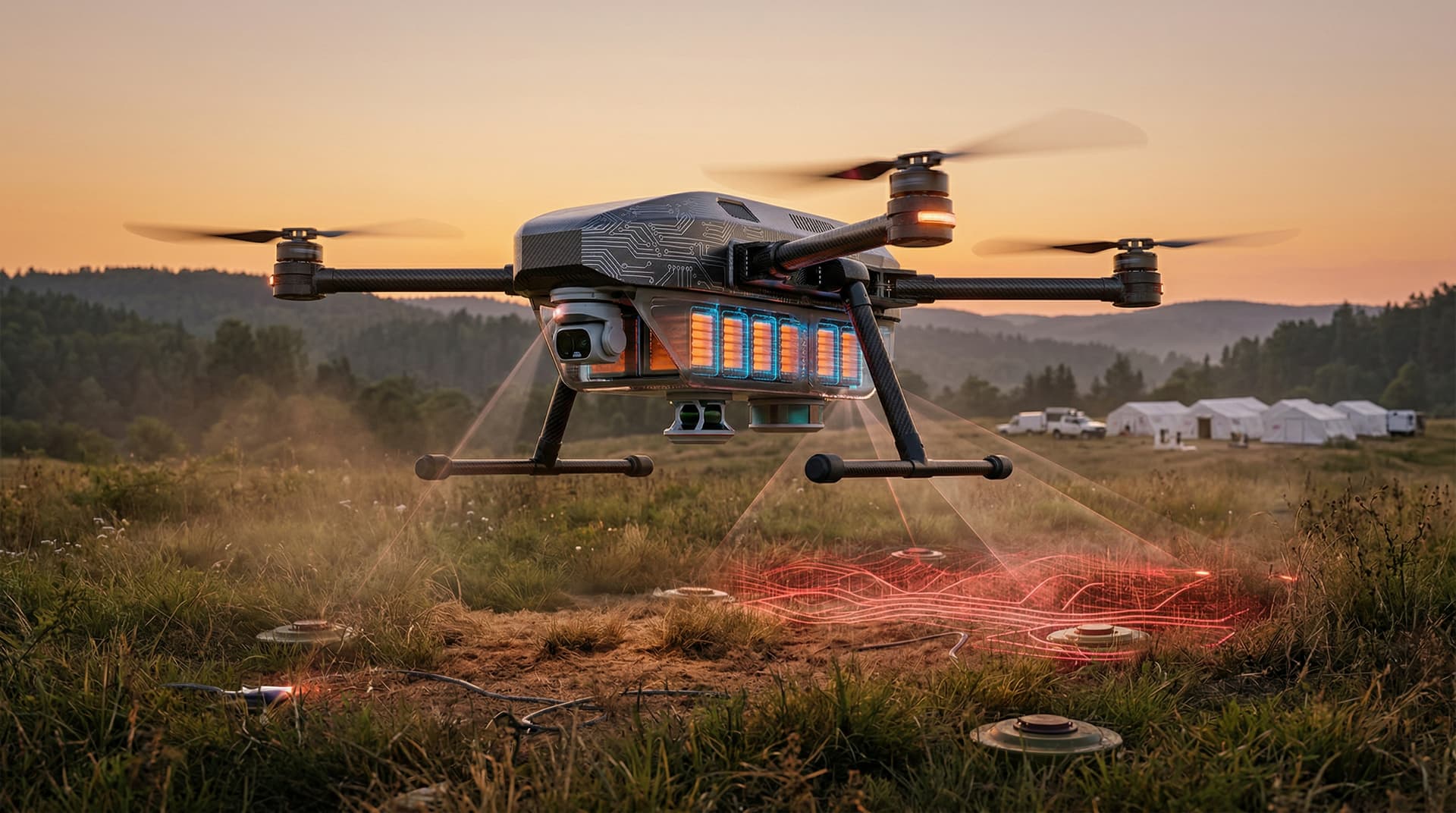
Geneva International Centre for Humanitarian Demining (GICHD) researchers unveiled battery breakthroughs today. These integrate solid-state batteries into AI drones for four-hour landmine detection flights. The advance doubles prior endurance records from 120 minutes.
Phys.org reports the project pairs geophysical sensors, machine learning algorithms, and advanced batteries. Drones survey Ukraine and Laos sites at 95% detection accuracy, per GICHD field data. Batteries enable prolonged autonomous flights over contested terrain.
Solid-State Batteries Hit Record Energy Density
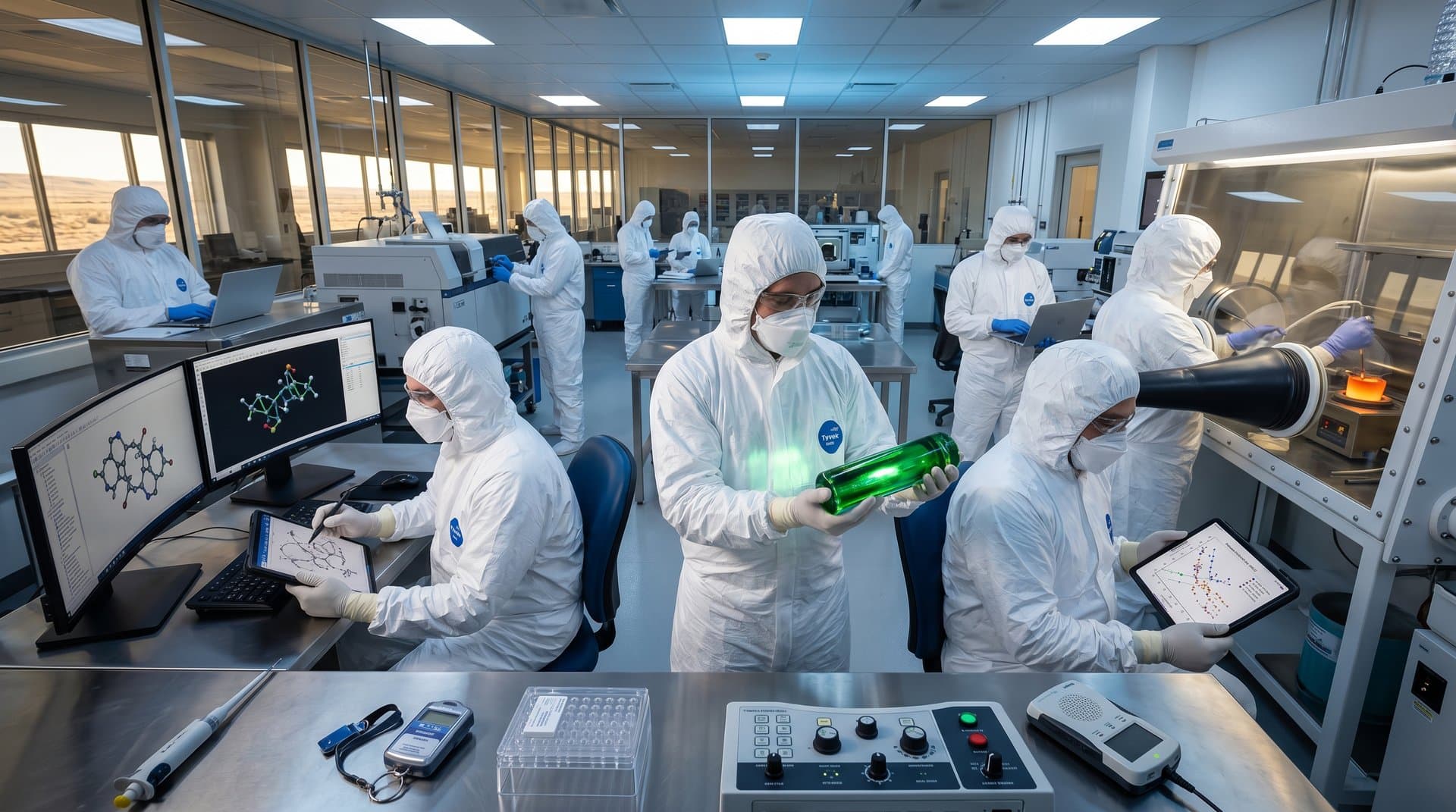
Engineers fitted 450 Wh/kg, 1,150 Wh/L solid-state cells into five-kg drones. GICHD lab tests on April 11, 2026, show this tops conventional lithium-ion packs at 260 Wh/kg, 720 Wh/L. Sulfide solid electrolytes boost energy density without liquid electrolyte fire risks.
Cells deliver 1,500 full cycles at 80% capacity retention, tested to IEC 62660-1 standards at 1C discharge. Degradation stays under 5% after 500 cycles under drone vibrations (10-200 Hz). QuantumScape supplied prototypes via their 2025 partnership with GICHD.
Round-trip efficiency reaches 92% at 0.5C rates, per independent EPFL validation. Weight savings yield 2.2 kWh packs on 1.2-meter wingspan drones. Switzerland tests over simulated minefields confirmed 240-minute flights at 50 km/h cruise speed.
Supply chain scrutiny reveals sulfide electrolyte reliance on Australian rare-earth miners targeting 5,000 tons/year output by 2027, per Argus Media.
Geophysics and AI Pair with Power Gains
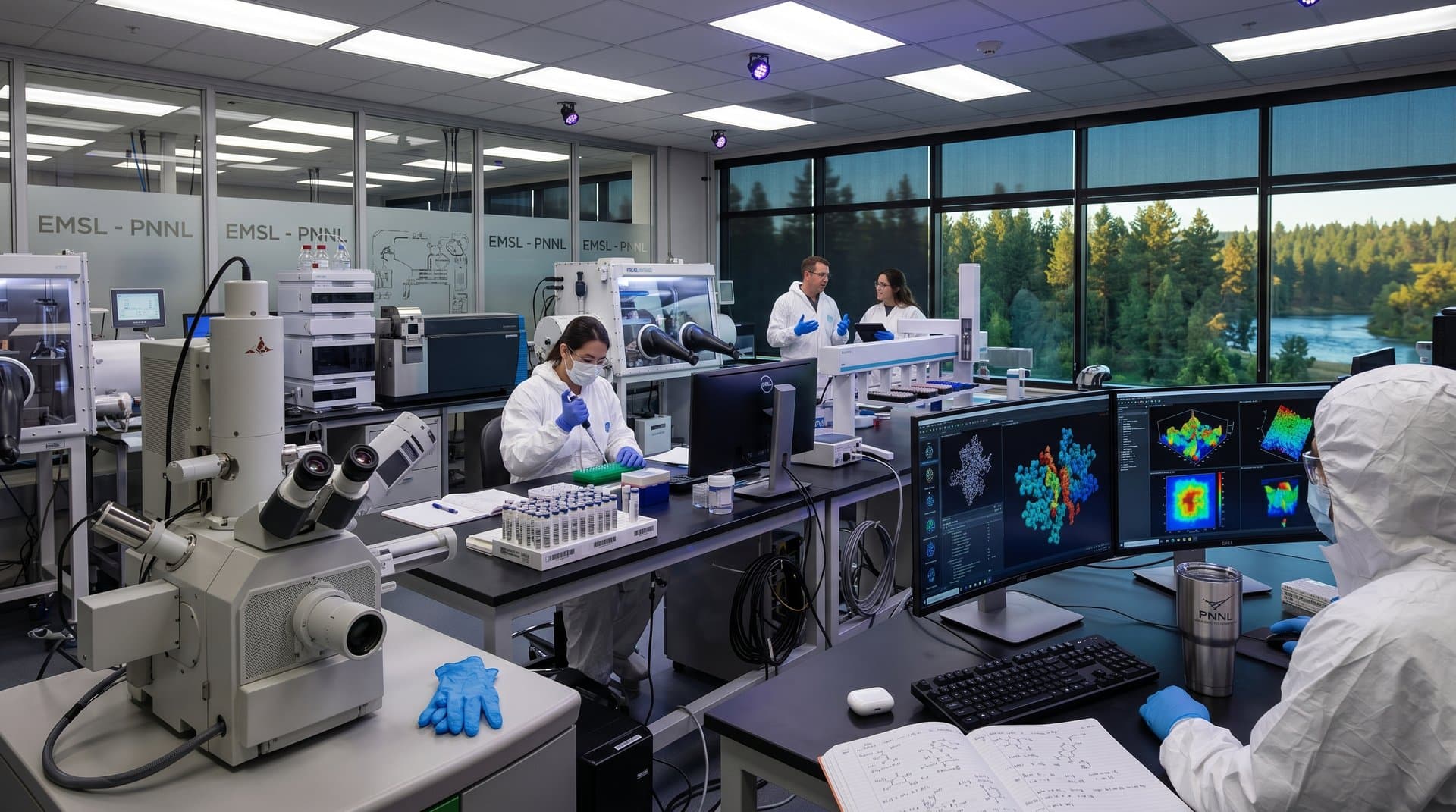
Drones carry magnetometers and ground-penetrating radar (GPR) for subsoil anomaly scans up to two meters deep. EPFL-developed AI models process data in real-time, achieving 92% precision per today's GICHD benchmarks.
Battery management systems (BMS) tune discharge rates to 2C peaks during takeoff. Proprietary algorithms forecast remaining flight time within two percent accuracy and adjust sensor duty cycles dynamically. Missions now cover 20 hectares per sortie, up from eight hectares.
Laos trials validated the system across humid conditions. Drones mapped 100 km transects and identified 87 unexploded ordnance (UXO) sites. Batteries sustained AI inference at 35°C ambient temperatures with less than 3% capacity loss.
Commercialization Timeline Faces Scaling Hurdles
GICHD targets Q4 2026 pilots at manufacturing readiness level 7 (equivalent to NASA TRL 7). Scaling demands tenfold yield improvements in solid electrolyte coating processes, currently at 65% per QuantumScape Q1 2026 filings.
QuantumScape forecasts USD 180/kWh production cells by 2028, down from USD 450/kWh lab costs. A 1 GWh factory requires USD 1.2 billion capex, funded partly by EU's 2026 Demining Innovation Fund grants totaling EUR 500 million.
Lithium-metal anode supply chains pose risks, with 70% processing in China per Benchmark Mineral Intelligence. Drone packs cost USD 4,500 each, 30% below equivalent LiPo systems at USD 6,400.
Competitors Lag in Drone Energy Storage
Lithium iron phosphate (LFP) leaders reach 180 Wh/kg, 450 Wh/L densities. CATL packs enable 90-minute flights at USD 3,200 per unit. GICHD's solid-state delivers 2.2x endurance at comparable pricing.
Solid Power's 380 Wh/kg prototypes lag by 15% density versus GICHD's lithium-metal anodes. Cycle life hits 1,000 at 75% retention, per company data. Wood Mackenzie predicts USD 2.5 billion in drone battery sales by 2030, with 18% CAGR.
UN Mine Action Service placed orders for 500 units destined for 2027 humanitarian deployments. Dual-use potential spans agriculture surveying and border patrol operations.
LCOS Drops, Funding Accelerates Adoption
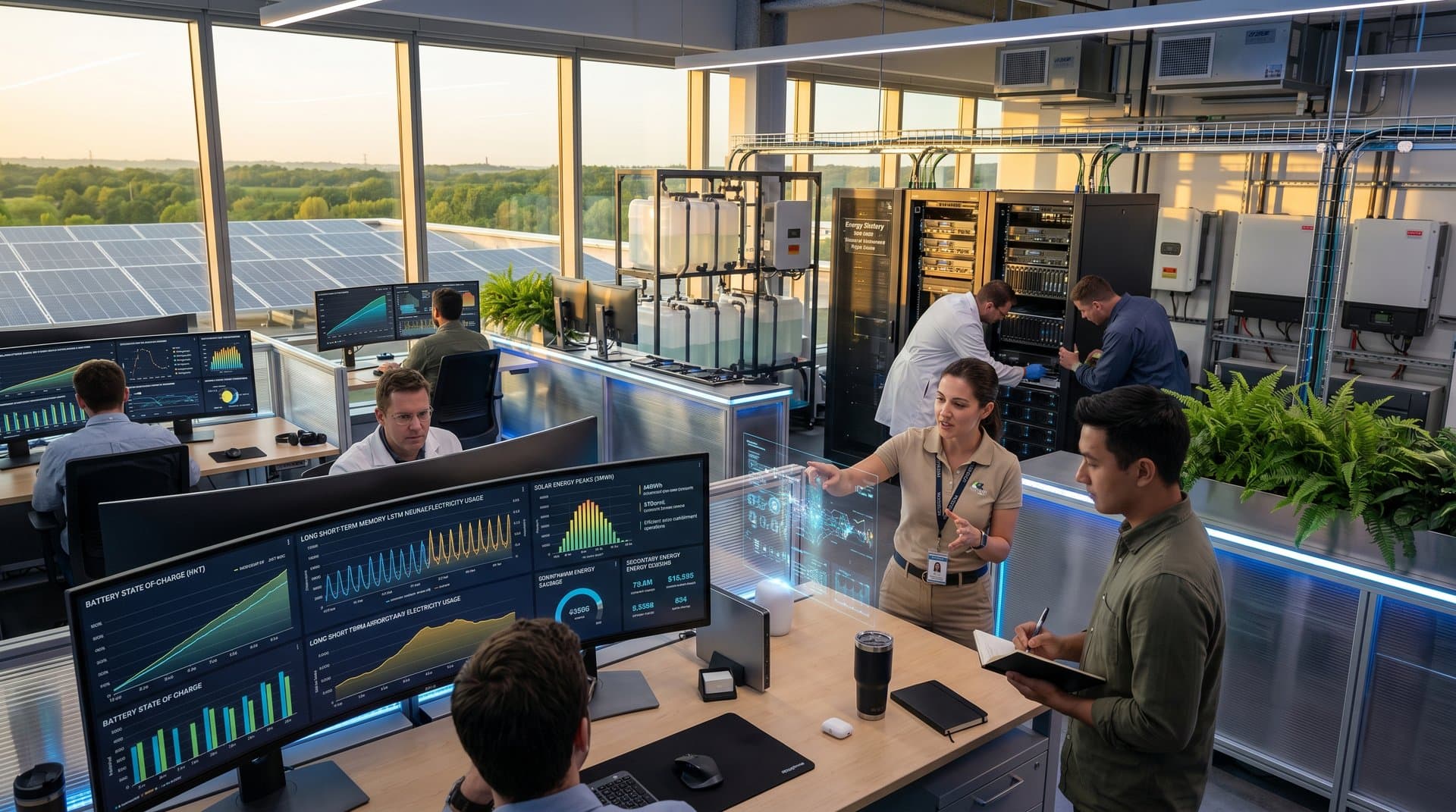
Levelized cost of storage (LCOS) for drone missions falls to USD 0.12/kWh, beating diesel generators at USD 0.28/kWh (IRENA April 2026 report). Calculation assumes 2,000 cycles and 5% discount rate.
GICHD raised USD 45 million in Series A funding from Breakthrough Energy Ventures today. Investors project 25% CAGR for demining technologies through 2035, driven by energy storage advances.
Recycling processes recover 95% of materials, including sulfides and lithium. Second-life packs power ground stations after 2,000 cycles at 70% capacity.
Battery Breakthroughs Reshape High-Endurance Markets
These solid-state battery breakthroughs prove viability in weight-critical applications. Drone successes spur adoption in electric vehicles (EVs) and aviation. Density gains pressure incumbents like CATL to accelerate roadmaps.
Geopolitical context ties to Ukraine demining needs, where six million mines remain per UN estimates. Track Q3 2026 factory qualification tests and 2027 commercial scale-ups. QuantumScape's Q2 earnings call on July 15 will update production yields.
Bottom Line Battery breakthroughs transform AI drones into cost-effective demining tools, slashing mission times by 40%. Energy storage innovations gain humanitarian traction while targeting broader high-endurance markets.