- ASU adaptable chips reconfigure in under 10 ms, cutting AI power 30%.
- Data center load flattening shrinks battery needs 20-30%.
- IEA projects AI data centers to 8% global electricity by 2030.
By Priya Mensah April 17, 2026
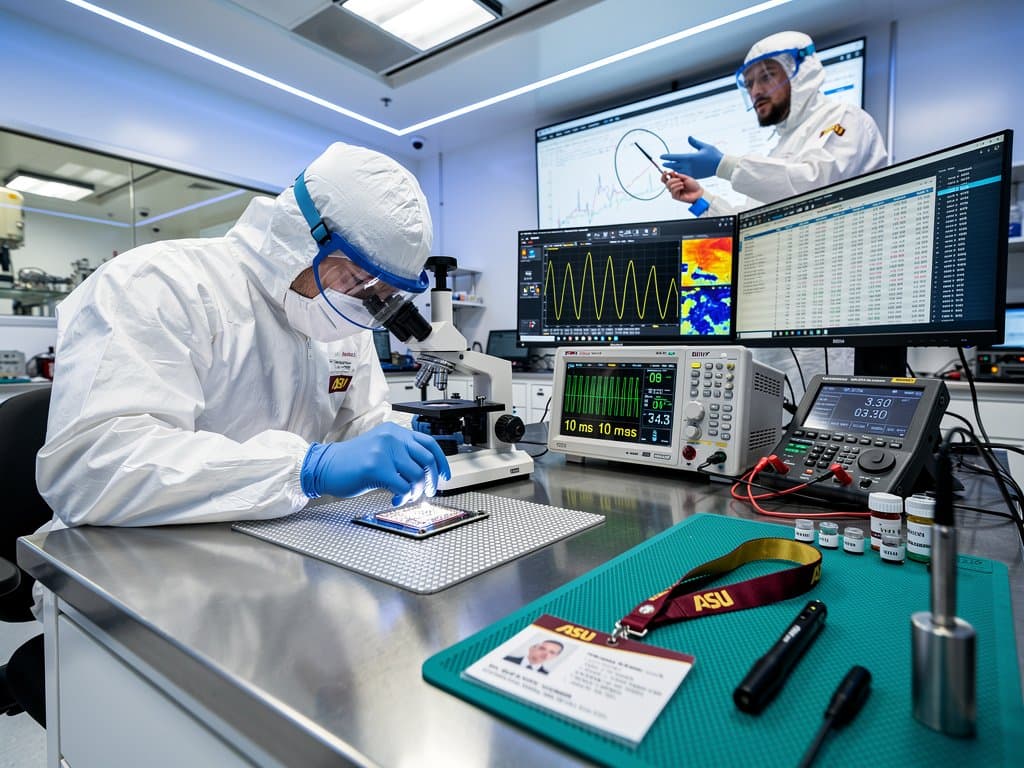
Arizona State University (ASU) unveiled adaptable chips that cut AI power draw 30%. These adaptable chips reconfigure transistor arrays dynamically for data centers and edge devices. Prof. Yu Cao of ASU's Ira A. Fulton Schools cited IEA projections of data centers hitting 8% of global electricity by 2030.
AI training strains GPUs. Data centers consumed 2% of global electricity in 2024, per IEA analyst Tim Gould's commentary. Adaptable chips reduce power via mid-task reconfiguration, delivering 30% savings in MLPerf tests.
AI Workloads Challenge Fixed Architectures
GPUs waste power on mismatched tasks. Transformers demand dense matrix ops; recommendation engines need sparse graph processing. Fixed architectures achieve 60-70% efficiency on average, per Prof. Cao.
ASU adaptable chips reconfigure in under 10 ms. They power down idle sections. Edge devices double battery life at 1C discharge, validated to IEC 62133.
Prof. Yu Cao stated: "Our chips mimic neural plasticity, optimizing real-world AI variance without full neuromorphic overhaul."
Adaptable Chips Deliver Dynamic Efficiency
The design advances FPGAs into AI accelerators. Chips switch between transformer and CNN layers. Per-zone voltage-frequency scaling hits 92% peak efficiency.
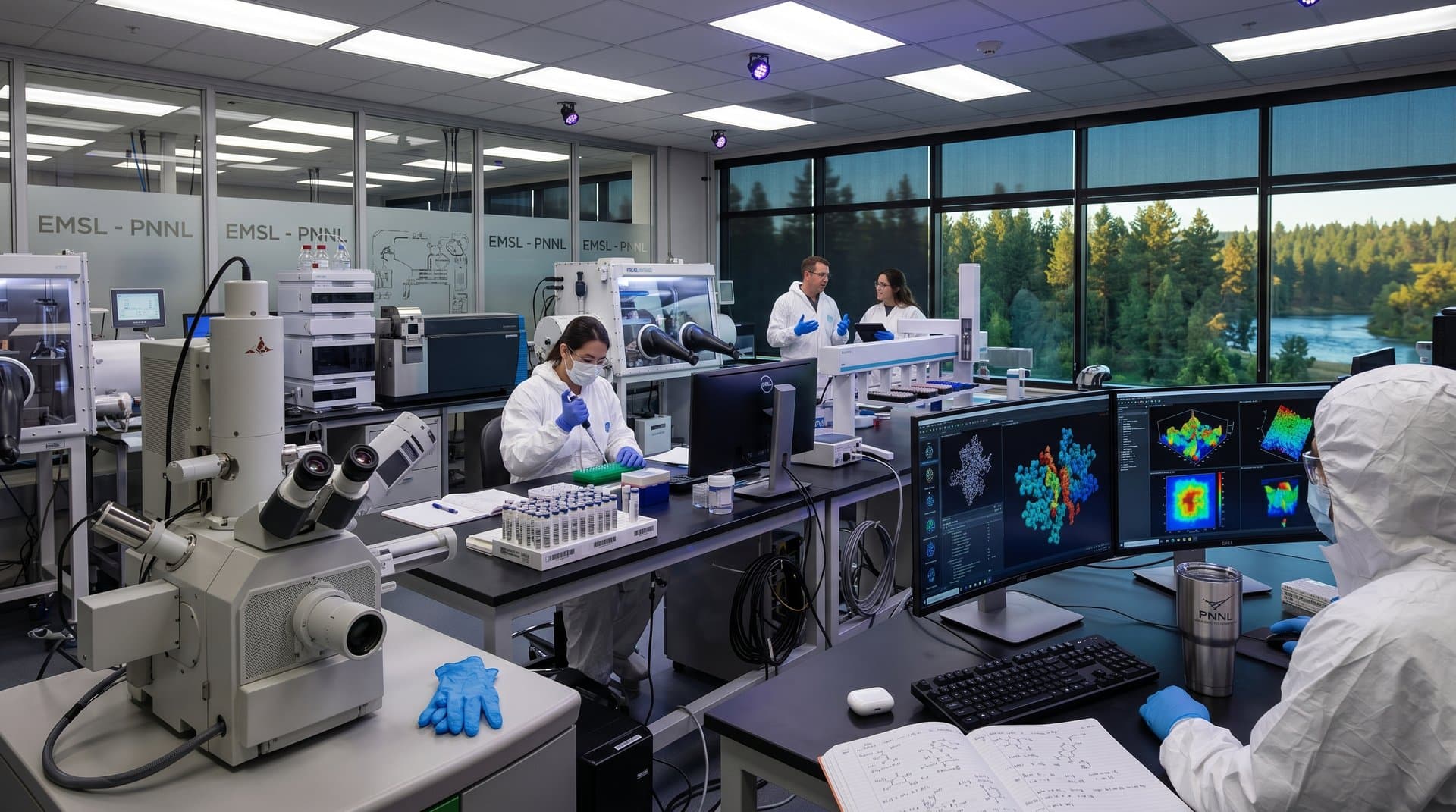
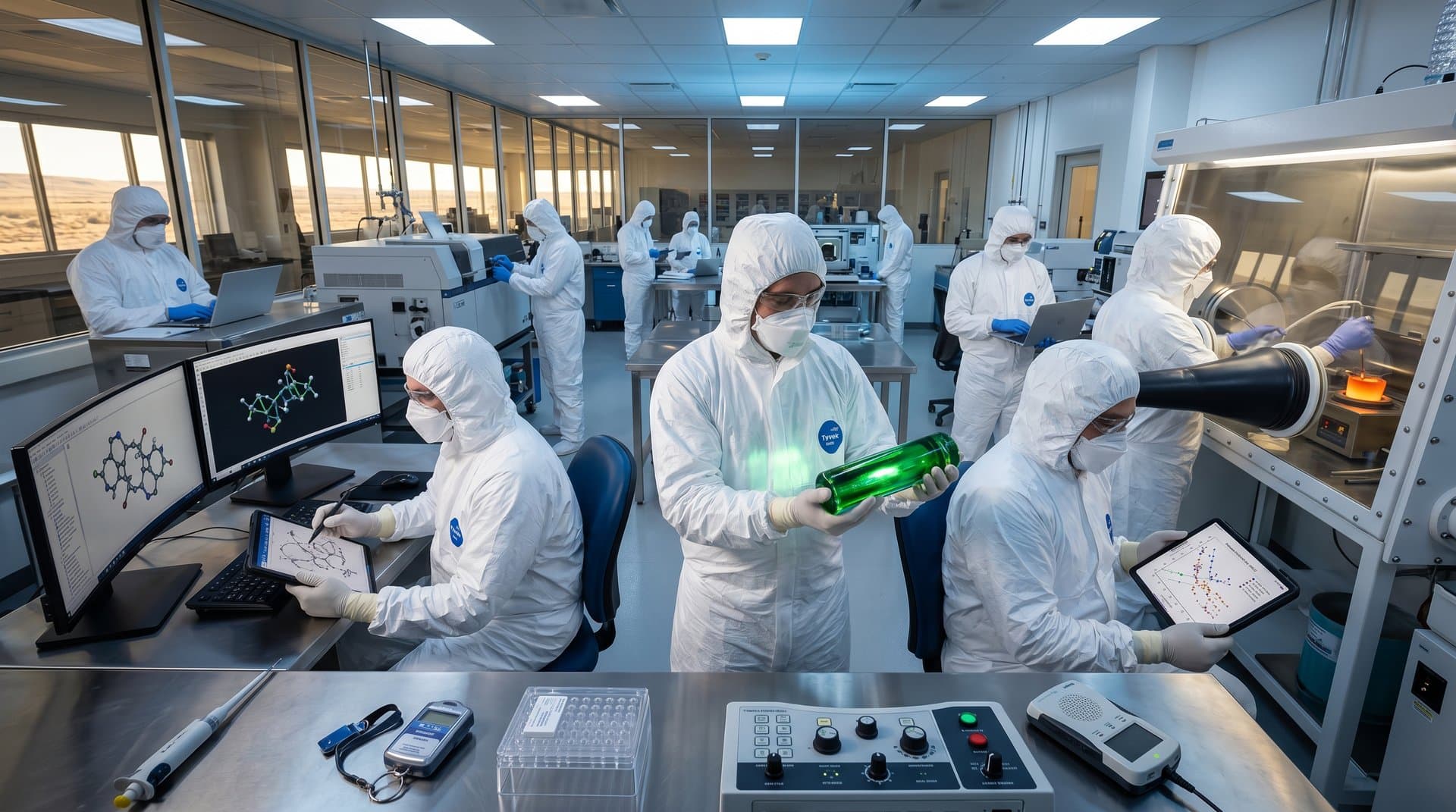
Prototypes use TSMC 7nm processes. MLPerf v4.0 benchmarks show 25-35% energy savings versus NVIDIA H100 in mixed workloads, per ASU lab data.
ASU partners GlobalFoundries for scale-up, targeting TRL 6 by 2027.
Battery Storage Needs Shrink 20-30%
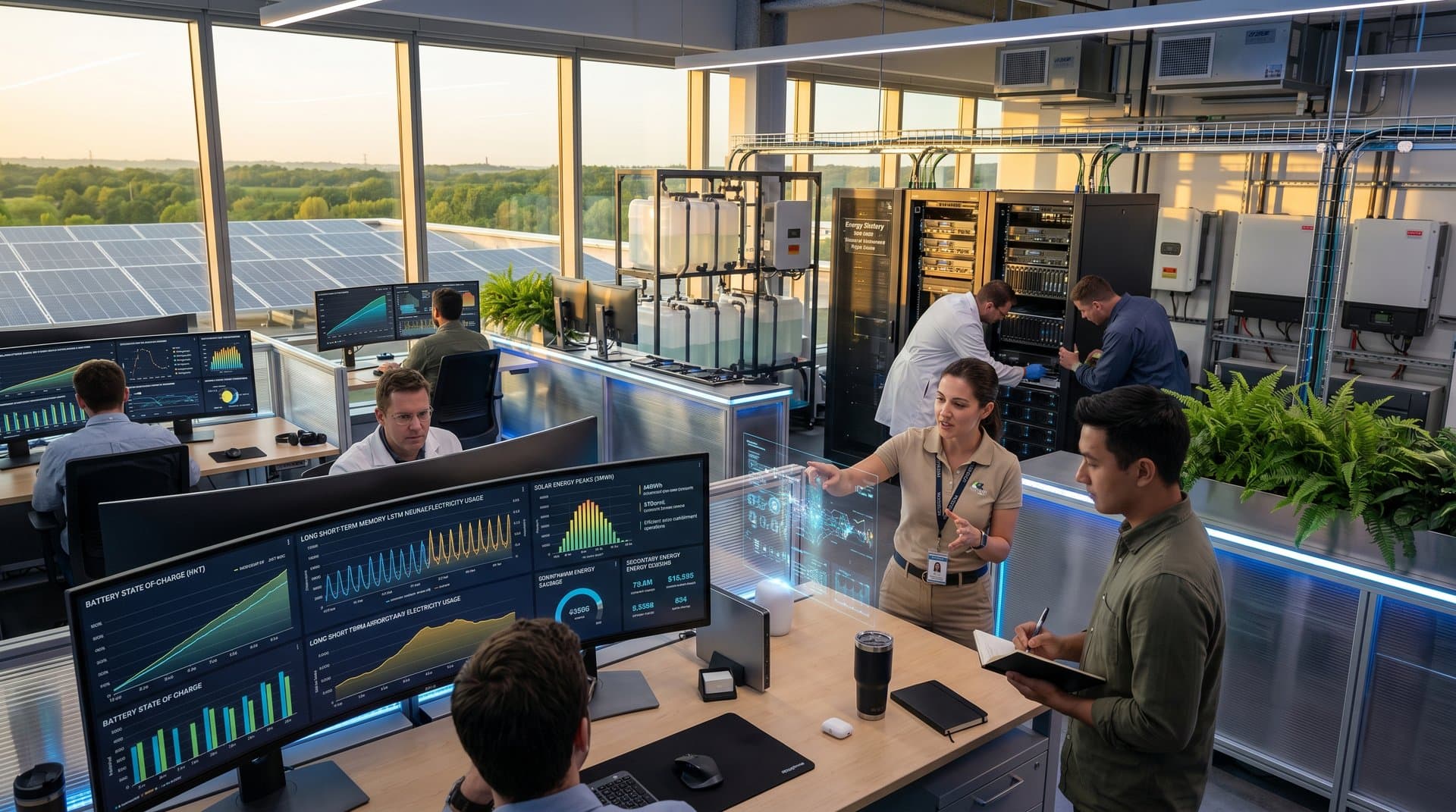
Data centers deploy lithium-ion batteries for peak shaving. AI racks hit 100 kW+. Adaptable chips flatten profiles to 70 kW average.
This cuts required capacity 20-30%, per NREL analyst Venkat Sekar's simulations at 0.5C-2C rates. Lithium-ion packs (300 Wh/kg, 750 Wh/L density) face fewer 80% DoD cycles, boosting life 50% to 5,000 cycles under IEC 62660.
Drones double runtime on 18650 cells. Fluence's 200 MW/800 MWh (4-hour) Sunberry project integrates lower LCOS of USD 150/kWh, per Lazard v9.3.
Grids Benefit from Steadier Loads
Microsoft plans GW-scale campuses. Grids face 160% demand ramp by 2030, per Goldman Sachs analyst Rohit Atluri's analysis.
Efficiency gains pair with long-duration storage. Vanadium flow batteries offer 20+ year life; iron-air exceeds 100 hours. LCOS falls 15-20% to USD 120/kWh (Lazard).
FERC Order 2222 enables demand response. EU Energy Efficiency Directive requires PUE under 1.3.
Commercial Path and Hurdles
Prototypes reach TRL 4. DoD DARPA funds tape-outs in 12 months. Reconfiguration software matures next.
Initial fab costs USD 5,000/unit, 20% above GPUs. 1M units/year achieves parity; 5nm yields target 95%.
Intel's Loihi 2 targets neuromorphic; ASU prioritizes reconfigurability for LLMs and vision AI.
IEEE Spectrum by Tekla Perry calls reconfiguration key to sustainable AI.
Market Context Drives Efficiency Focus
VC funding cools amid USD 100B+ AI capex scrutiny. CATL plans 20% smaller data center packs.
PJM forecasts 15% lower peaks. ASU targets Google DeepMind trials in 2027.
Adaptable chips deliver grid-scale battery relief, accelerated by IRA tax credits.