- Alphabet shares fell 10% on AI capex fears fueling data center power needs.
- Data center energy quadruples by 2030, per Bloomberg analysis.
- US battery storage triples to 225 GW by 2030, NREL forecasts.
Alphabet AI spending fears drove shares down 10% after Q3 earnings on October 29, 2024. Investors flagged data center power demands overwhelming grids. The Motley Fool analysis linked this to surging battery storage needs.
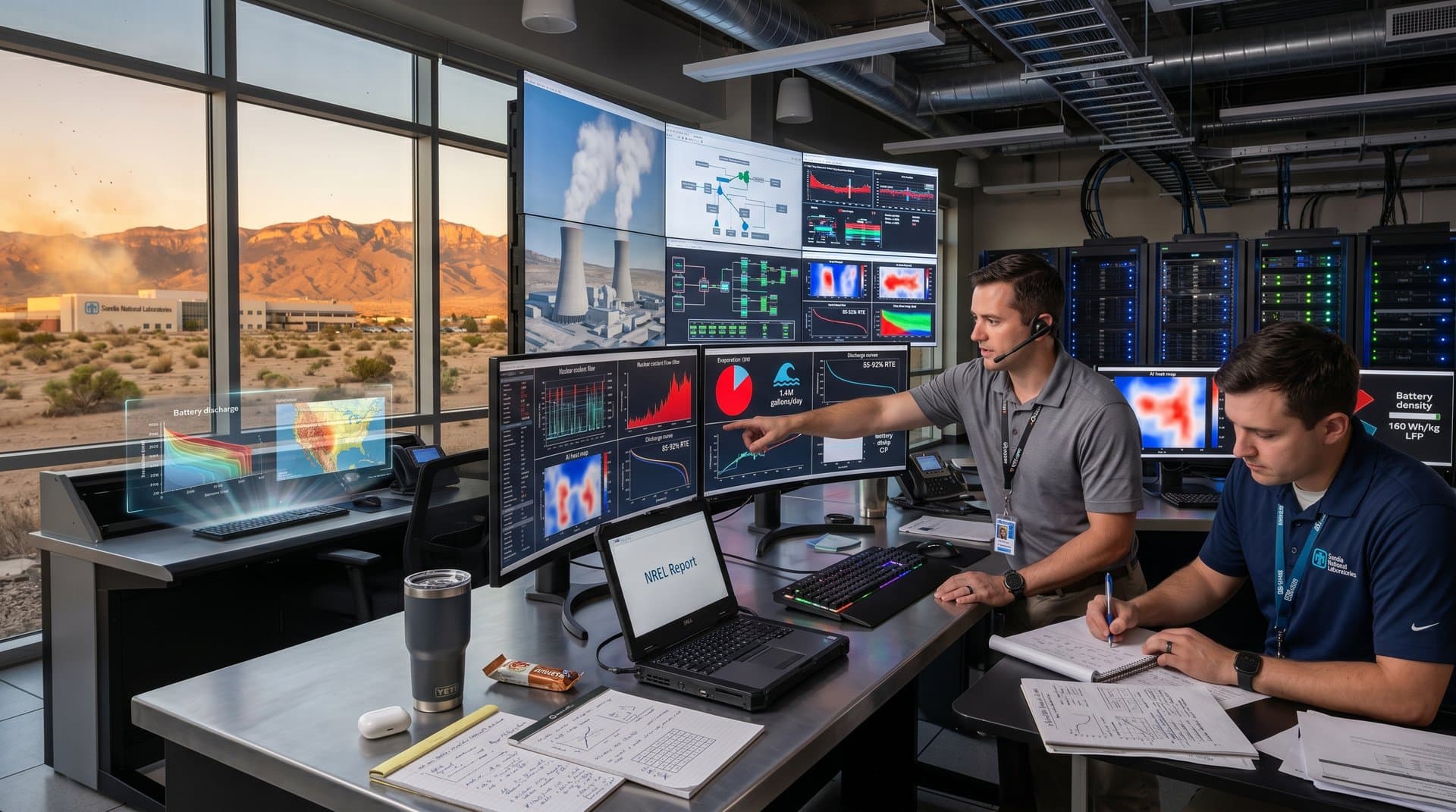
GPU-intensive AI training multiplies electricity use exponentially. Lithium-ion batteries offer 250 Wh/kg energy density and 700 Wh/L volumetric density, with 85-90% round-trip efficiency (RTE) per Sandia National Labs testing.
Grid operators deploy storage to avert blackouts. Manufacturers adapt EV production lines for utility-scale packs.
Alphabet's AI Data Centers Triple Power Demands by 2030
Alphabet commits billions to AI infrastructure. Google DeepMind's large language models run on thousands of servers. Cooling alone consumes 10-20 MW per facility, per Uptime Institute data.
Each model iteration doubles compute needs. BloombergNEF analysts project Alphabet's energy use quadrupling to 40 TWh annually by 2030.
Solar-plus-storage delivers firm capacity. Wind-plus-storage mitigates variability, achieving 90% capacity factors.
The IEA's Electricity 2024 report warns data centers will claim 10% of global electricity by 2030. Batteries buffer spikes at $120/kWh installed cost.
AI Growth Triggers Grid Strain and Curtailment Spikes
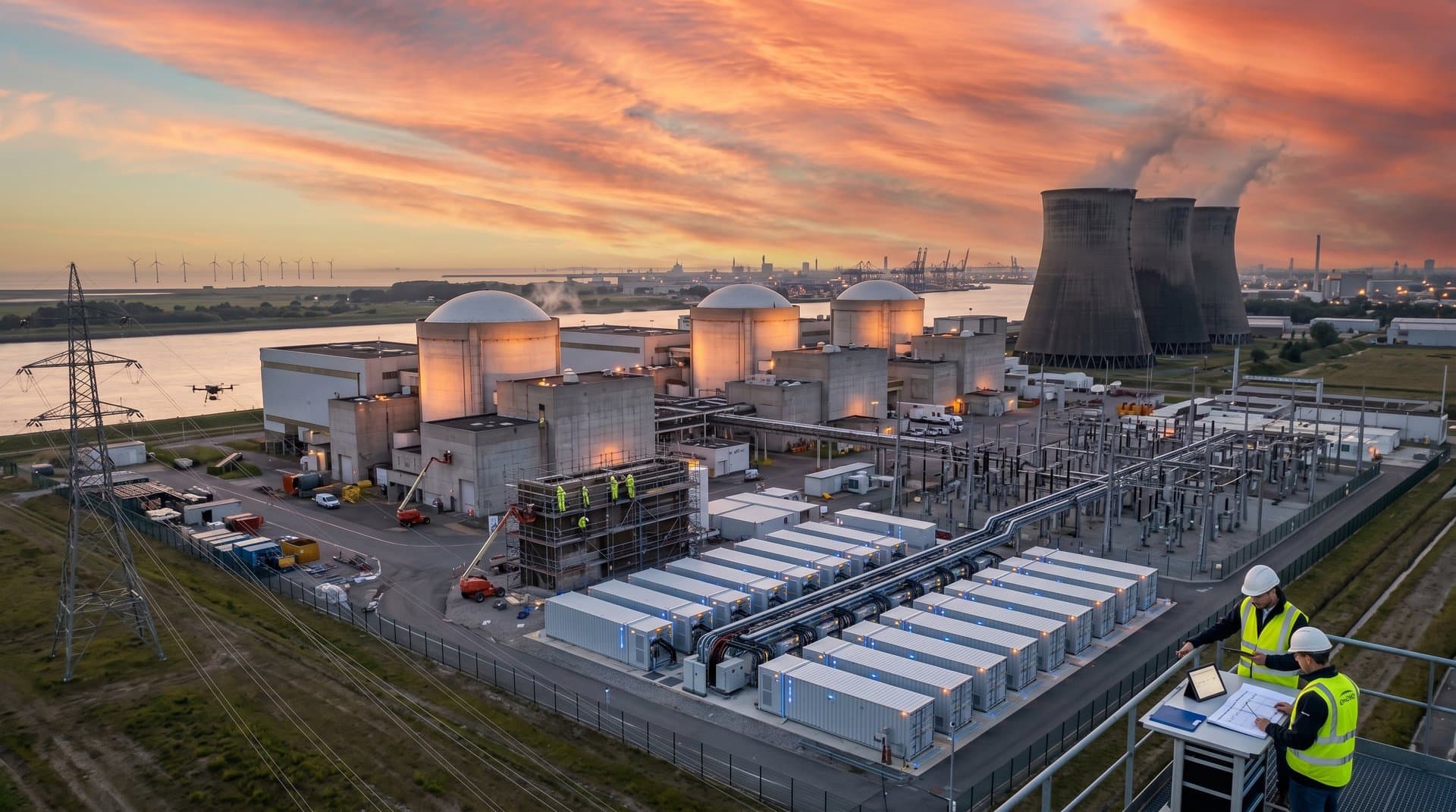
AI training bursts pull gigawatts hourly. Intermittent renewables require storage to avoid curtailment.
California curtailed 2.5 TWh in 2023; Texas hit 1.8 TWh, per EIA data. Fossil peakers otherwise bridge gaps at $200/MWh.
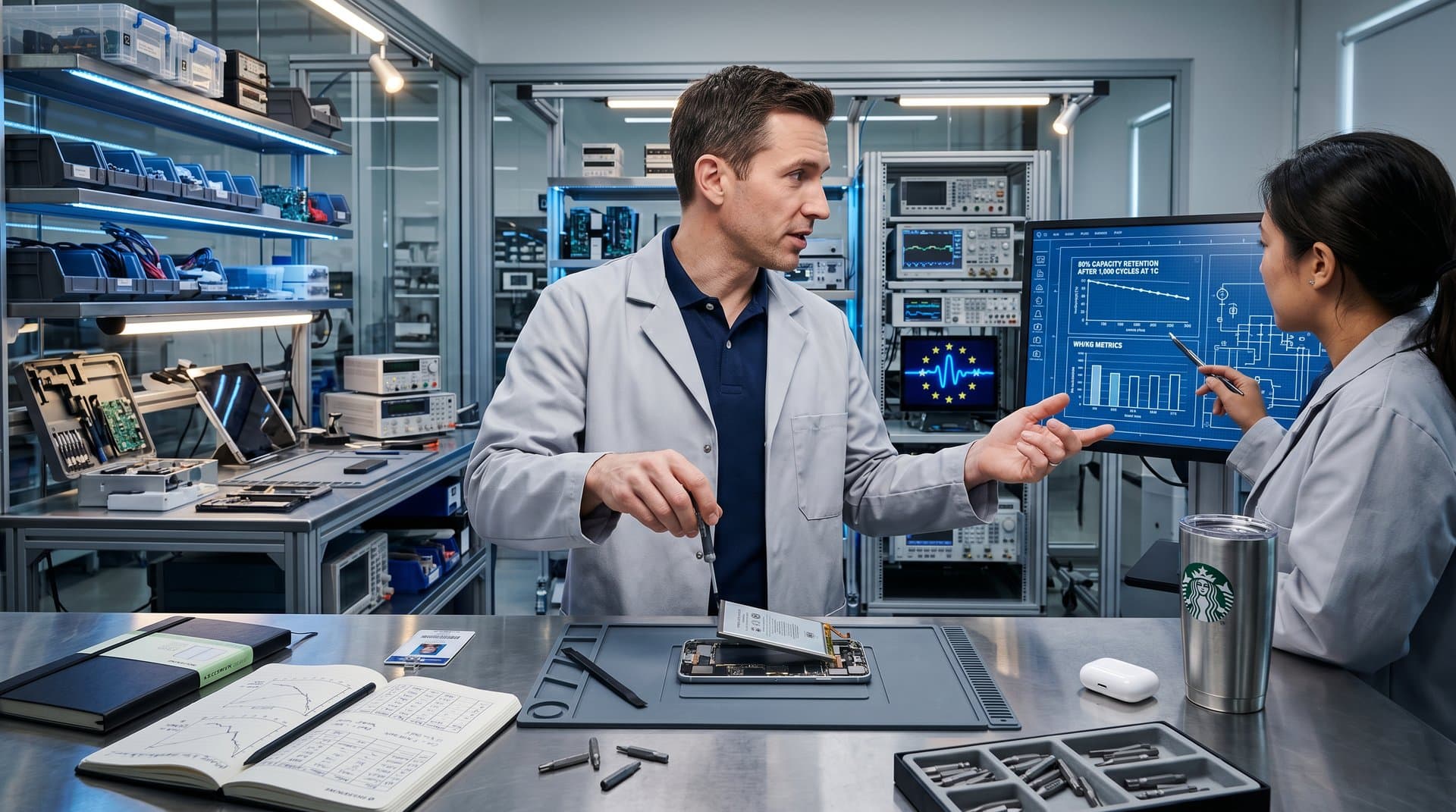
Lithium-ion batteries cycle to 80% depth of discharge (DoD). They recharge amid solar oversupply.
NREL data shows second-life EV packs deliver 3,000-5,000 cycles at $150/kWh installed.
BloombergNEF confirms Alphabet quadruples consumption by 2030. Grid upgrades trail at 2-3 year lead times.
Utility-Scale Batteries Scale to Meet AI Challenges
Developers commission 200 MW/800 MWh projects like Tesla's in California. RTE reaches 88% at 1C rates under IEC 62619 standards.
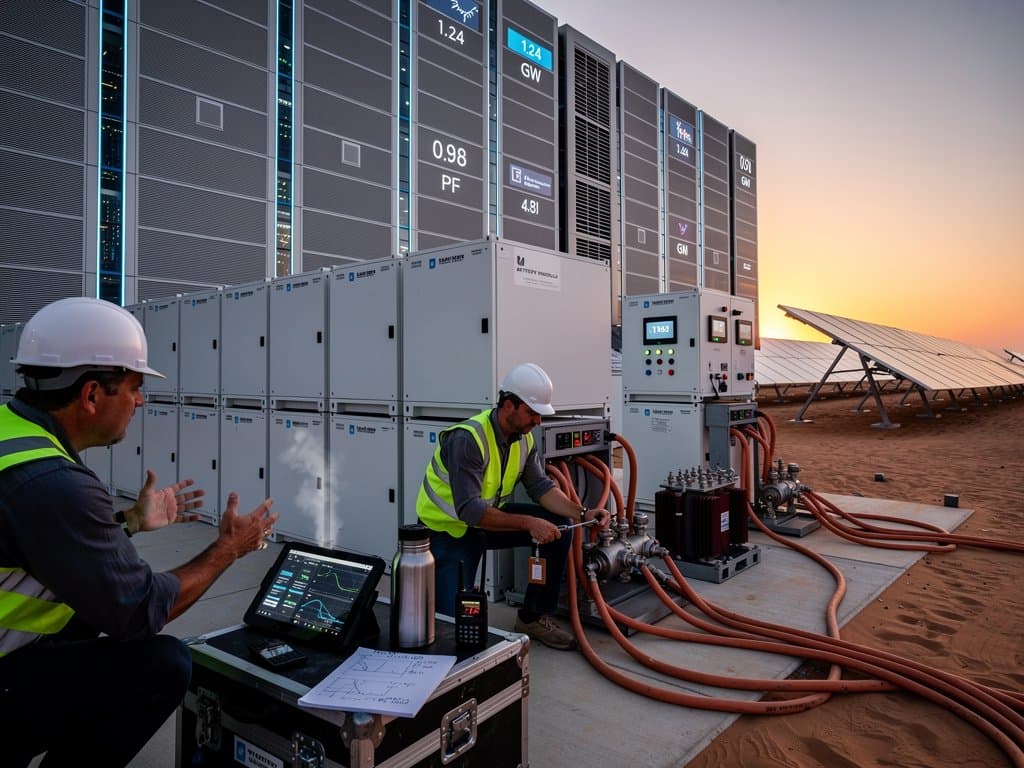
Solar-storage hybrids co-locate near data centers. Wind-storage thrives in ERCOT's Panhandle.
Tesla Megapacks provide 3.9 MWh per unit at 256 Wh/kg. Fluence offers 10-hour flow batteries.
Frequency regulation yields $50/MW-year. Ancillary services stack $30/MW-year revenues.
NREL's 2024 forecast predicts US capacity triples to 225 GW by 2030, propelled by AI and renewables.
EV Supply Chain Fuels Stationary Storage Boom
EV cells hit 250 Wh/kg and 700 Wh/L. CATL and Panasonic gigafactories ramp to 1 TWh/year.
Vehicle-to-grid (V2G) aggregates 10 million EVs for 100 GW dispatchable power.
CATL's sodium-ion batteries achieve $80/kWh, 160 Wh/kg, and 4,000 cycles.
Second-life packs last 10 years stationary. Supply chains slash LCOE to $0.05/kWh.
Lithium from Australia and Chile faces 25% tariffs. US IRA incentives boost domestic output to 100 GWh/year by 2026.
Policy and Renewables Pairing Accelerates Storage Deployment
FERC Order 2222 unlocks distributed markets. California mandates 5 GW storage by 2026.
Data centers secure PPAs for 1 GW solar-storage hybrids. Alphabet tops corporate buyers.
ERCOT batteries cut curtailment 20% in 2024 pilots.
Bain & Company via Reuters predicts data center demand triples by 2028. Batteries ensure resilience.
Alphabet AI spending fears expose grid limits. Storage scales ahead, locking in renewables at commercial viability.
Frequently Asked Questions
How do Alphabet AI spending fears drive battery storage demand?
Data center expansions demand gigawatts. Batteries balance renewable peaks. EV packs scale supply at $150/kWh.
What grid risks arise from AI data center growth?
Burst loads strain intermittent renewables. Storage cuts curtailment 20%. Prevents fossil peaker reliance.
How do EV batteries support grid storage for data centers?
Second-life lithium-ion offers 250 Wh/kg, 4,000 cycles. V2G aggregates fleets. Sodium-ion cuts costs to $80/kWh.
What storage capacity growth offsets AI power surges?
NREL projects US triple to 225 GW by 2030. Hybrids co-locate with solar/wind for 88% RTE.