- LANL uses 1.4 million gallons daily for AI supercomputing cooling.
- Nuclear adds loads from aquifers, per High Country News.
- Storage cuts to <1 gallon/MWh via solar firming.
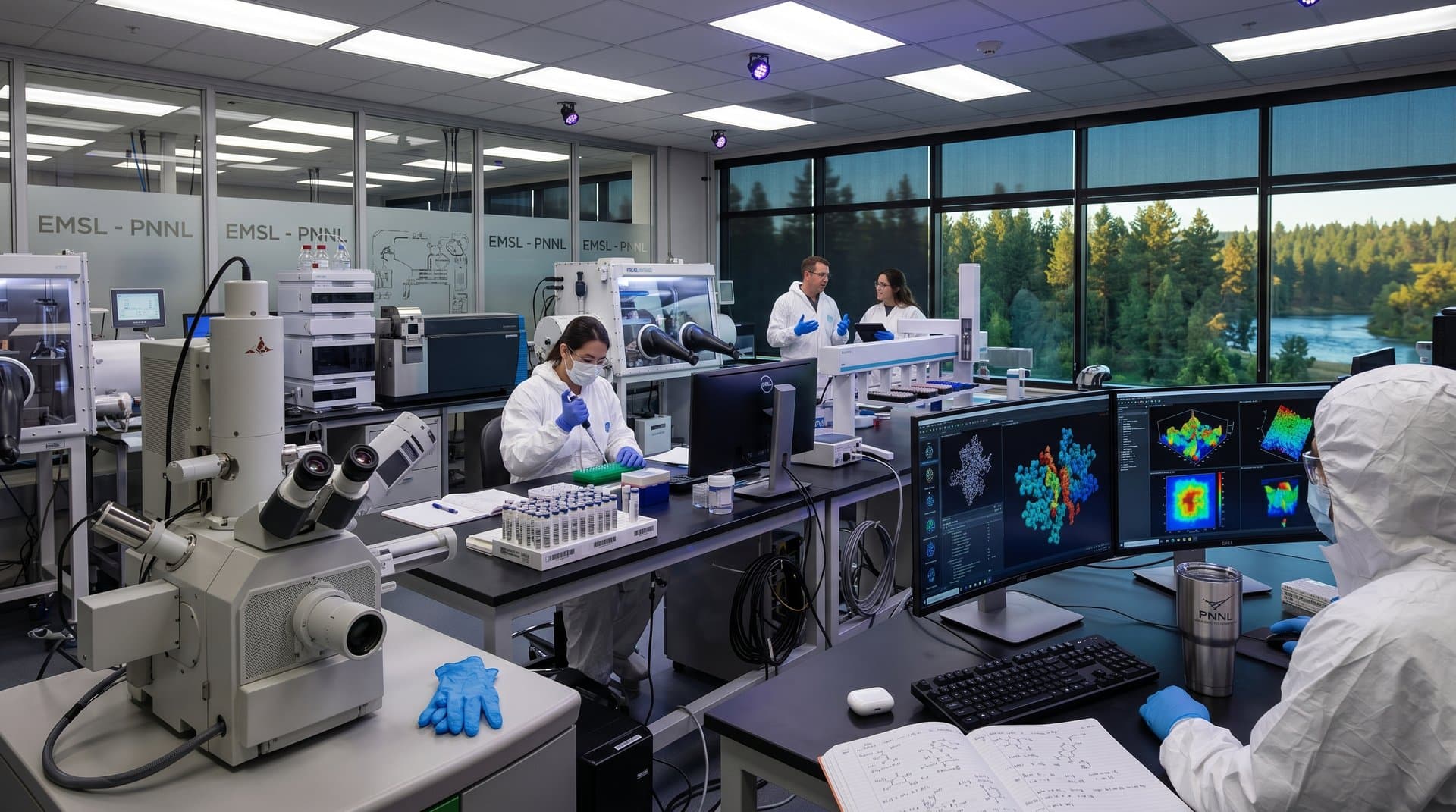
Los Alamos National Laboratory (LANL) consumes 1.4 million gallons of water daily for AI supercomputing and nuclear cooling. The DOE site draws from drought-stressed Rio Grande aquifers. This matches usage for 10,000 households, per High Country News.
Grid storage deploys low-water renewables to offset these loads.
Venado Supercomputer Drives AI Water Demands
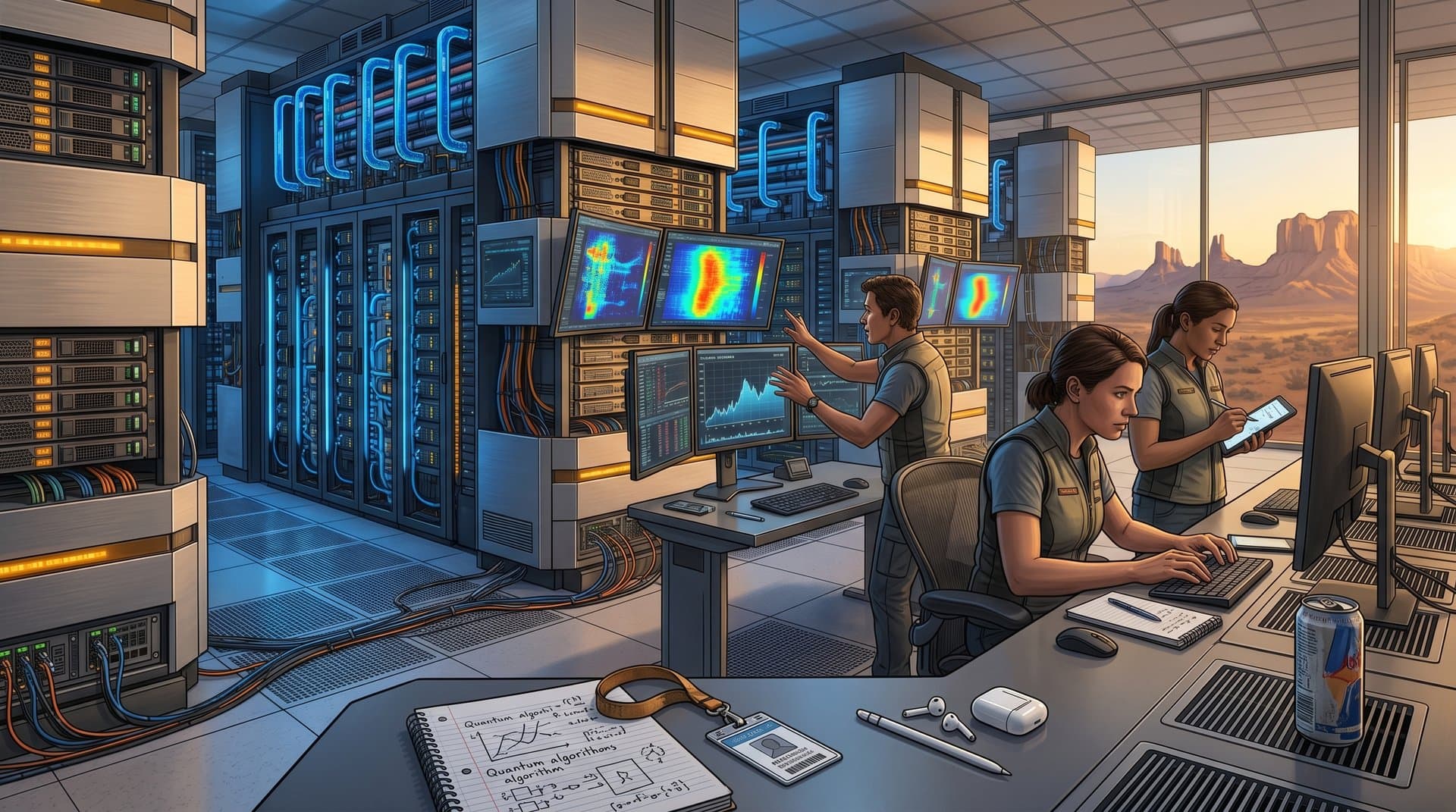
LANL's Venado supercomputer delivers 1.4 exaFLOPS peak for 24/7 AI-nuclear simulations. It generates over 100 kW heat per rack, per LANL computing resources. Evaporative cooling towers handle this heat plus plutonium facility reactors.
AI training racks hit kilowatt-scale heat densities. Permits confirm 1.4 million gallons daily from arid basins.
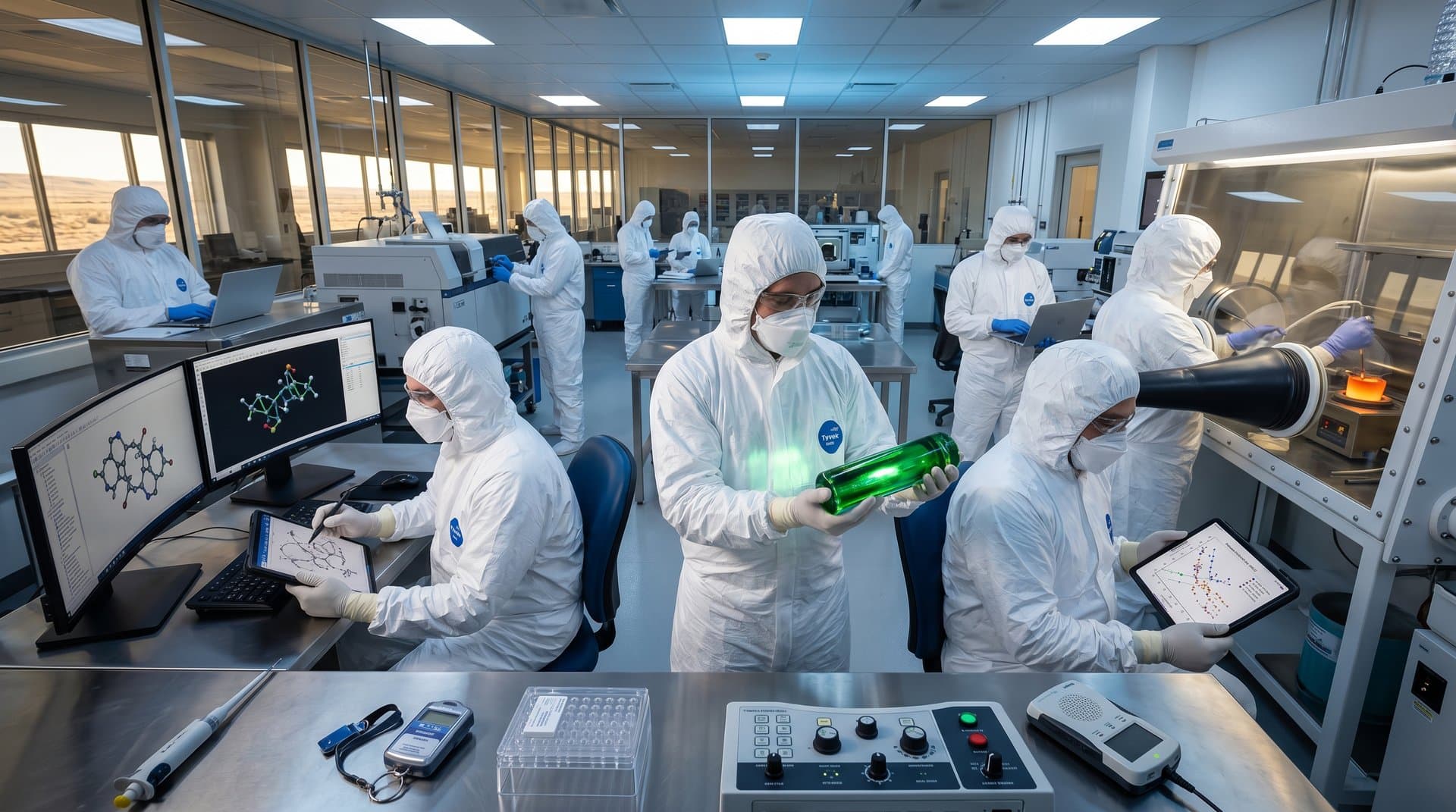
Nuclear tritium production demands continuous reactor cooling. Total exceeds urban data centers, where air cooling fails at high HPC scales.
Nuclear Water Intensity vs. Storage Efficiency
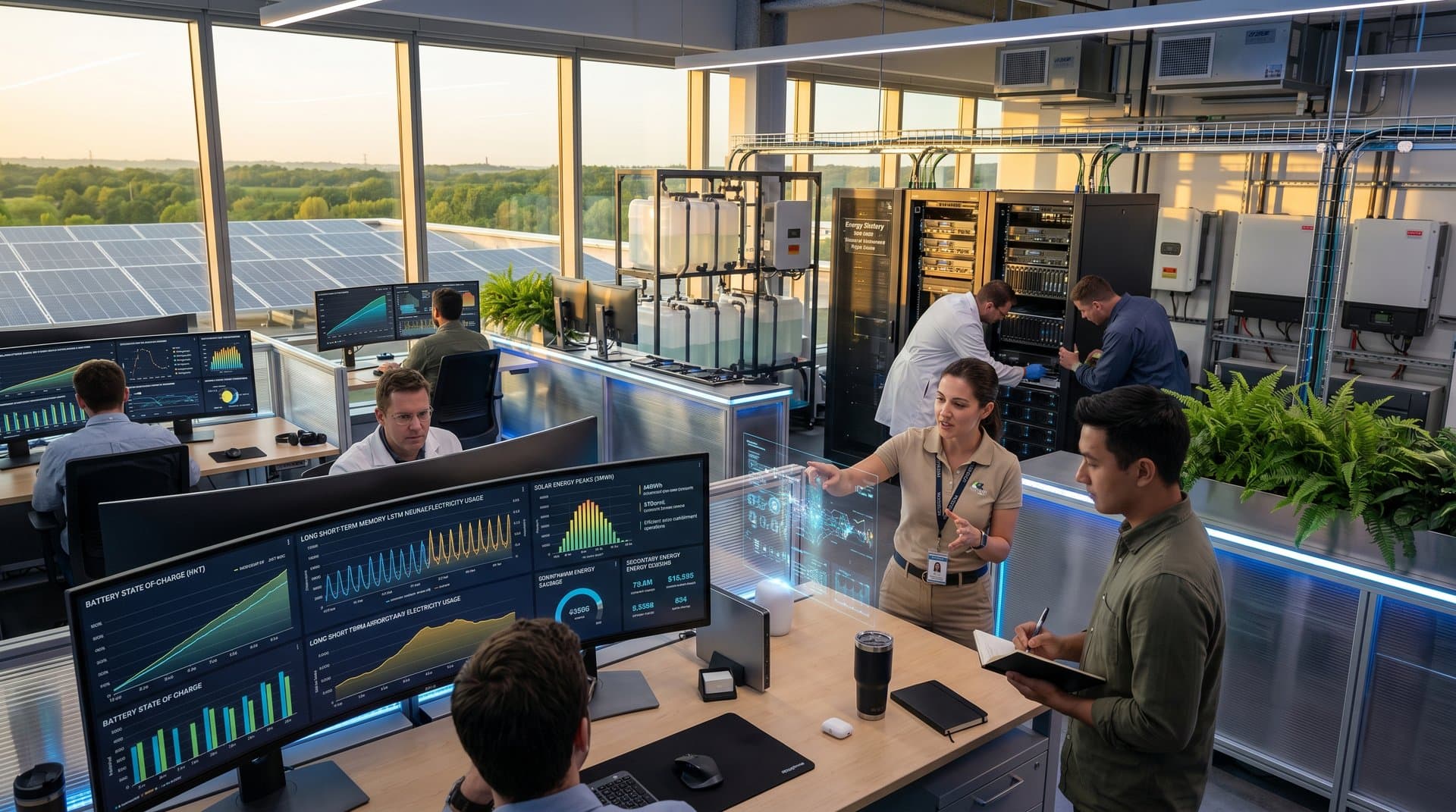
AI surges require baseload power. Nuclear evaporates 20-50 gallons per MWh, per DOE's 2022 Water Use Report. LFP batteries firm solar with under 1 gallon per MWh.
CATL LFP cells reach 90-95% round-trip efficiency (RTE) at 0.5C discharge, tested to IEC 62660-1 by Sandia Labs. They support 4-hour solar dispatch.
Invinity vanadium flow batteries offer 8-12 hours at 75-85% RTE. They hit manufacturing readiness level 9 for utility scale.
LDES Targets AI Power Reliability
Form Energy iron-air batteries provide 100-hour discharge at LCOS below USD 150/MWh. DOE ARPA-E pilots validate performance.
Faradion sodium-ion batteries exceed 4,000 cycles at 80% DoD with 160 Wh/kg density. Energy density: 160 Wh/kg gravimetric, 300 Wh/L volumetric.
Microsoft installs 100 MWh LFP behind-the-meter for HPC. Google deploys iron-flow hybrids at data centers.
DOE funds LANL pilots for AI-optimized grids. Water scarcity adds USD 0.01/kWh in New Mexico.
Storage Cost Declines Enable Hybrids
BloombergNEF reports grid storage at USD 132/kWh in 2023. Hybrids now rival nuclear extensions.
QuantumScape solid-state batteries target 400 Wh/kg and 800 Wh/L. They reduce transmission losses for on-site power.
V2G pilots reuse second-life LFP at 70% retention after 200,000 miles.
Inflation Reduction Act (IRA) targets 100 GW US storage by 2030. New Mexico mandates 45% clean energy by 2030.
LANL AI optimizes dispatch, limiting degradation to 1% per 100 cycles at 80% SoC.
Plus Power's 1.5 GWh Intrepid LFP project in New Mexico commissions 2024. It firms renewables for labs.
Grid storage unlocks renewables' water savings amid AI demands. DOE LDES pilots scale solutions for computational growth.
Frequently Asked Questions
How much water do AI water demands use at Los Alamos?
1.4 million gallons daily for supercomputing cooling. High Country News cites Rio Grande aquifer permits. Nuclear cooling adds loads.
How does grid storage address AI water demands?
Firms solar at <1 gallon/MWh. LFP hits 90%+ RTE. Reduces nuclear evaporation reliance.
What nuclear processes drive lab water consumption?
Tritium and plutonium facilities use cooling towers. With AI racks, totals 1.4M gallons daily.
Why prioritize LDES for AI sustainability?
Iron-air: 100 hours at <USD 150/MWh LCOS. Sodium-ion: 4,000+ cycles. DOE pilots for labs.