- 50 GW US data centers drive 200 GW battery storage needs by 2030, per DOE.
- Second-life EV packs retain 80% capacity, deliver 4,000 cycles.
- LFP costs drop to US$90/kWh by 2025, per Wood Mackenzie.
Battery storage supply chains pivot for 50 GW AI data centers amid Iran War disruptions, per Yahoo Finance.
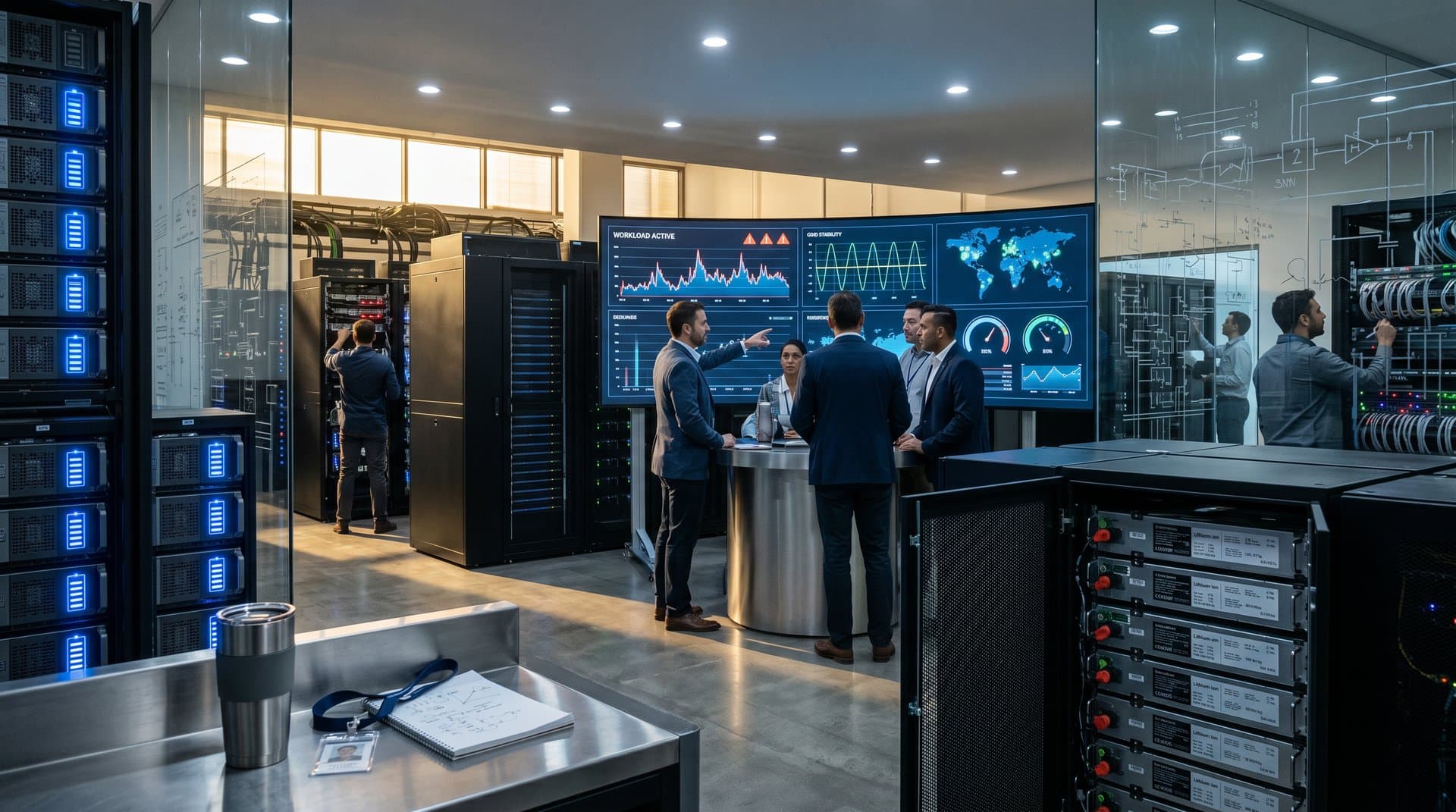
AI operators demand grid-stable power. Alternative.me Fear & Greed Index holds steady at 47 (neutral, October 2024). Data centers onshore production and deploy second-life EV batteries. Equinix installs 100 MWh systems for 99.999% uptime, per Q3 2024 SEC filings.
Iran War Disrupts Imports, Accelerates LFP Onshoring
Iran War blocks Persian Gulf lanes, delaying 20% of global lithium imports, per S&P Global Platts. Data centers onshore LFP cathode production. CATL delivers 160 Wh/kg, 250 Wh/L LFP cells with 6,000 cycles at 80% depth-of-discharge (DoD), per CATL Q2 2024 datasheet.
BYD expands US plants to 20 GWh annual capacity by 2026, per September 2024 announcement. Northvolt processes 50 GWh/year recycled materials at European sites, per investor update.
IEA Electricity 2024 forecasts data center demand doubling to 1,000 TWh by 2026, driving 200 GW utility-scale storage needs.
Data Centers Require 90% RTE Batteries
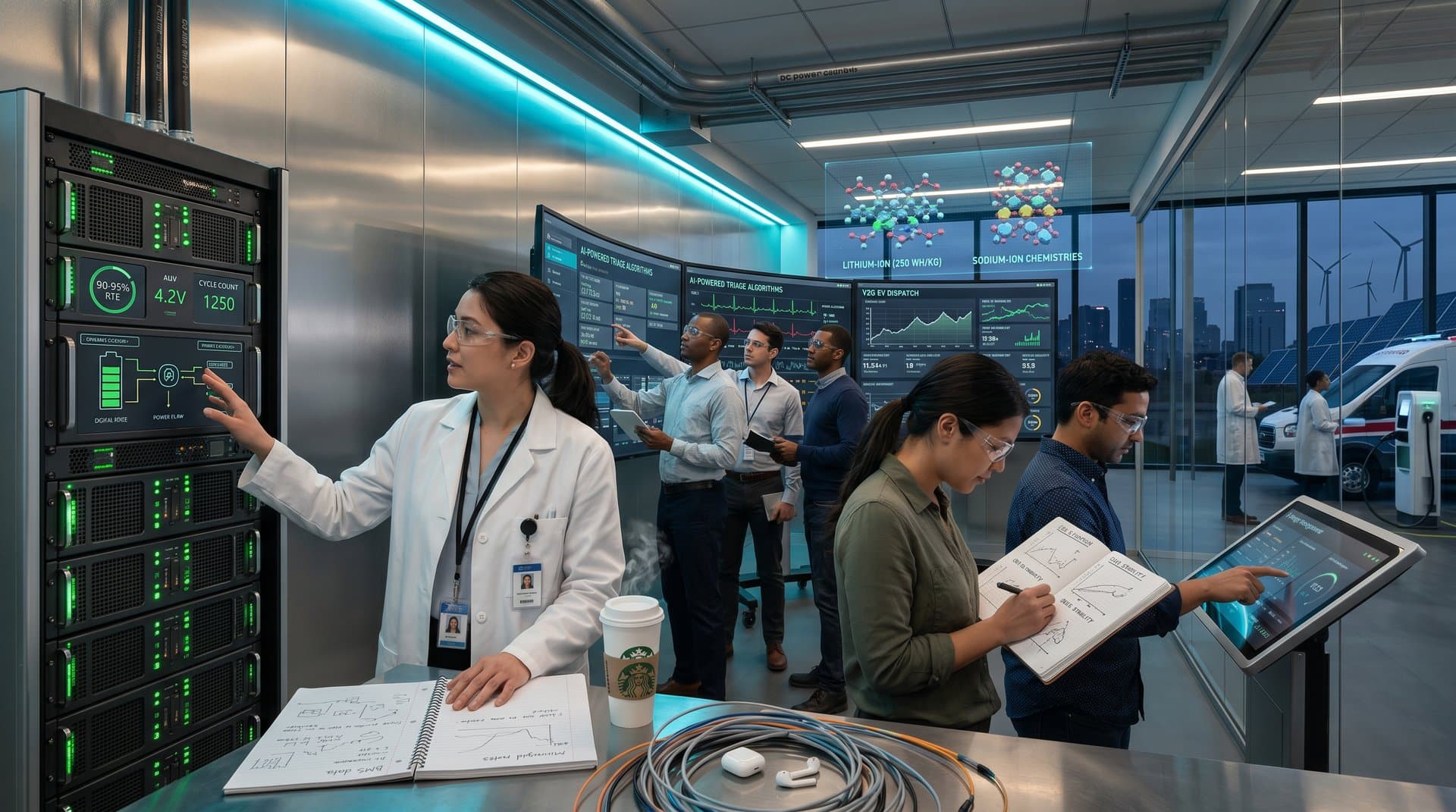
Virginia grids suffer 30% peak curtailments from AI loads, per state reports. Texas ERCOT logs 15 GW shortfalls. LFP batteries hit 90% round-trip efficiency (RTE) at 0.5C discharge, per NREL/TP-5400-80888 (2023).
Vanadium flow batteries offer 10-hour duration at 75% RTE, per IEC 62933-5-2. Form Energy's iron-air batteries achieve 100-hour storage at US$20/kWh, validated in 2024 Minnesota pilot (85% RTE).
Second-Life EV Packs Cut Costs 40%
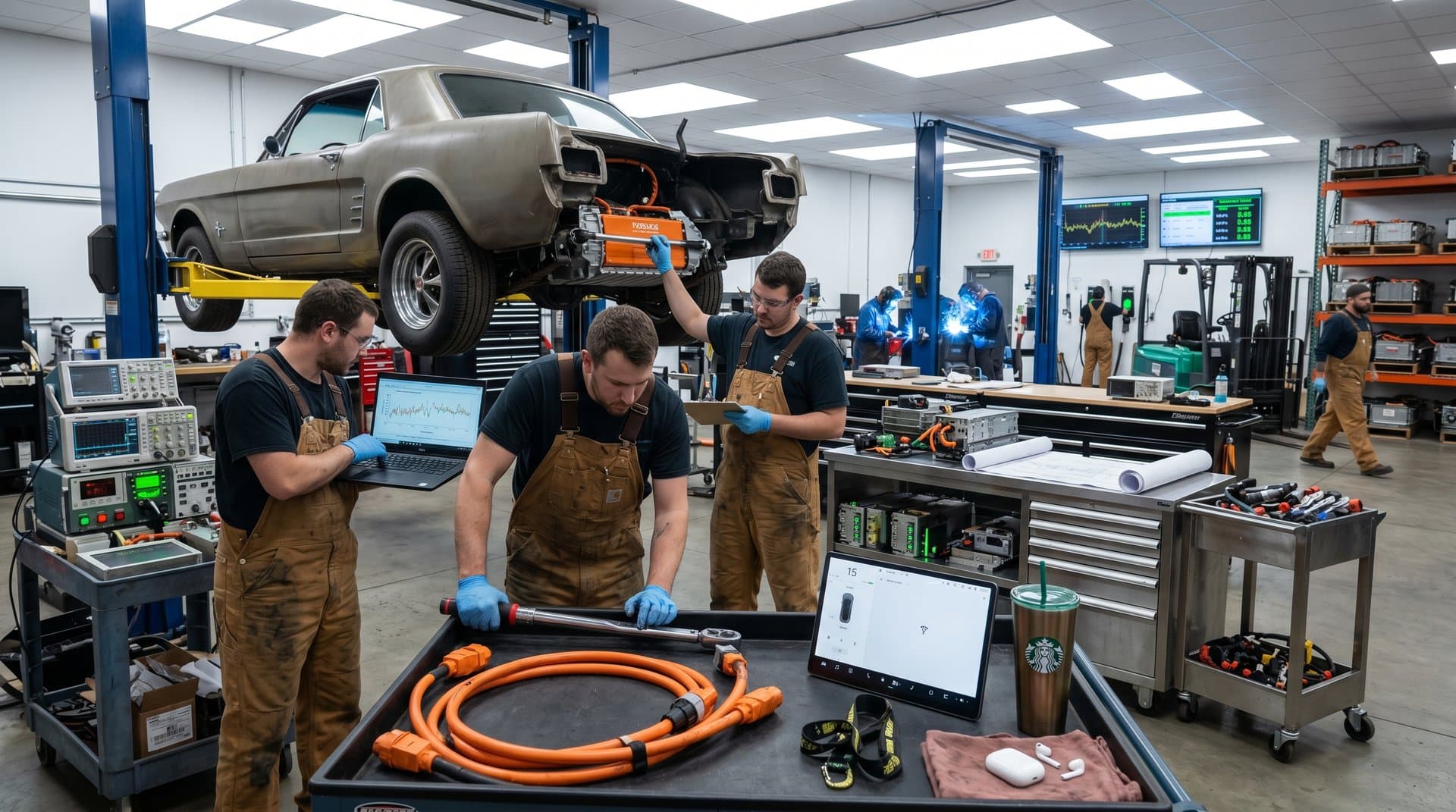
Second-life Tesla Model 3 packs retain 80% capacity after 300,000 km, per Tesla 2023 Impact Report. Redwood Materials recycles 10 GWh/year into grid packs, scaling to 50 GWh by 2027.
BloombergNEF projects 1 TWh second-life EV capacity by 2030. Stationary use yields 4,000 cycles at 1C versus 1,500 in vehicles, per IDTechEx 2024.
LG Energy Solution's Arizona factory hits 40 GWh in 2025, with 30% for data centers. BMS enables <10 ms UPS switchover at Microsoft Azure sites, per 2024 case study.
Mature Tech Speeds Deployment
Solid-state batteries reach 500 Wh/kg in 2028, per Toyota roadmap (October 2024). LFP packs fall to US$90/kWh by 2025, per Wood Mackenzie Q3 forecast.
Tesla Megapacks win 5 GWh hyperscaler deals, including Google. Fluence bids 1 GW solar-storage hybrids in Texas, per September 2024 RFPs.
Redundancy Secures AI Growth
DOE projects 50 GW US data center additions by 2030. Batteries pair with 100 GW solar for 24/7 power, dropping LCOE to US$40/MWh.
EU Battery Regulation 2023/1542 requires 70% recycled content by 2030. Sodium-ion batteries deliver 160 Wh/kg, 300 Wh/L at US$80/kWh, per Faradion 2024 trials.
NMC cathodes last 5,000 cycles at 0.2C stationary, per Argonne ANL/CSE-24/7. Battery storage supply chains now secure AI supercycle resilience.
Frequently Asked Questions
How do battery storage supply chains adapt to the Iran War for AI?
Onshoring LFP production and second-life EV batteries. US/EU gigafactories ramp up; Fear & Greed Index at 47 signals stability, per Alternative.me.
What is the impact of Iran War on battery storage supply chains?
Delays 20% lithium imports, per S&P Global Platts. CATL, BYD target 20 GWh/year US capacity to secure AI power.
Why use EV batteries in data centers during AI supercycle?
Retain 80% capacity for 4,000 cycles at 40% lower cost, per Tesla and BloombergNEF. Redwood scales to 50 GWh by 2027.
Does AI supercycle survive geopolitical events like Iran War?
Yes, via resilient battery infrastructure, per Yahoo Finance. DOE sees 50 GW data centers by 2030.