- AI decoded 2,000+ characters from 2,000-year-old Herculaneum papyrus using CT.
- Vesuvius Challenge awarded US$700,000 to Luke Farritor, Youssef Nader, Julian Schilliger.
- NREL CT detects 15-20% lithium plating fade after 500 cycles.
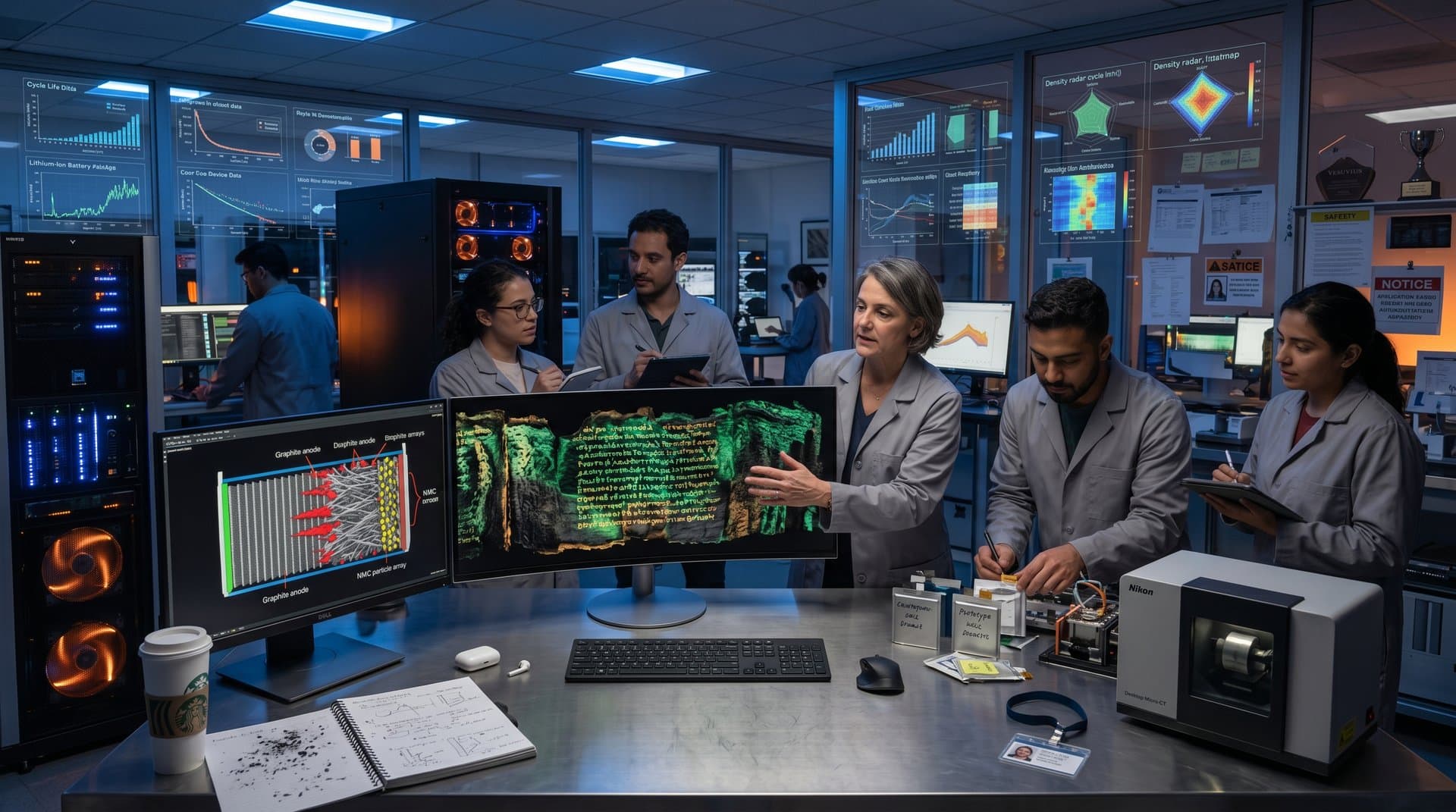
Luke Farritor, Youssef Nader, and Julian Schilliger decoded over 2,000 characters from a 2,000-year-old Herculaneum scroll. They used AI and micro-CT scans to claim the US$700,000 Vesuvius Challenge grand prize on February 20, 2024 (Reuters). This touchless method accelerates battery R&D.
Battery engineers avoid destructive tests on prototypes. Virtual unwrapping preserves fragile samples for grid-scale storage advances.
Vesuvius Challenge Reveals Virtual Unwrapping Pipeline
The trio generated 3D voxel datasets from X-ray CT scans at 2-5 micron resolutions. Machine learning models, trained on modern papyri inks, detected carbon-based ink traces. The Vesuvius platform scored text readability across 5% of Philodemus' first book of On Vice.
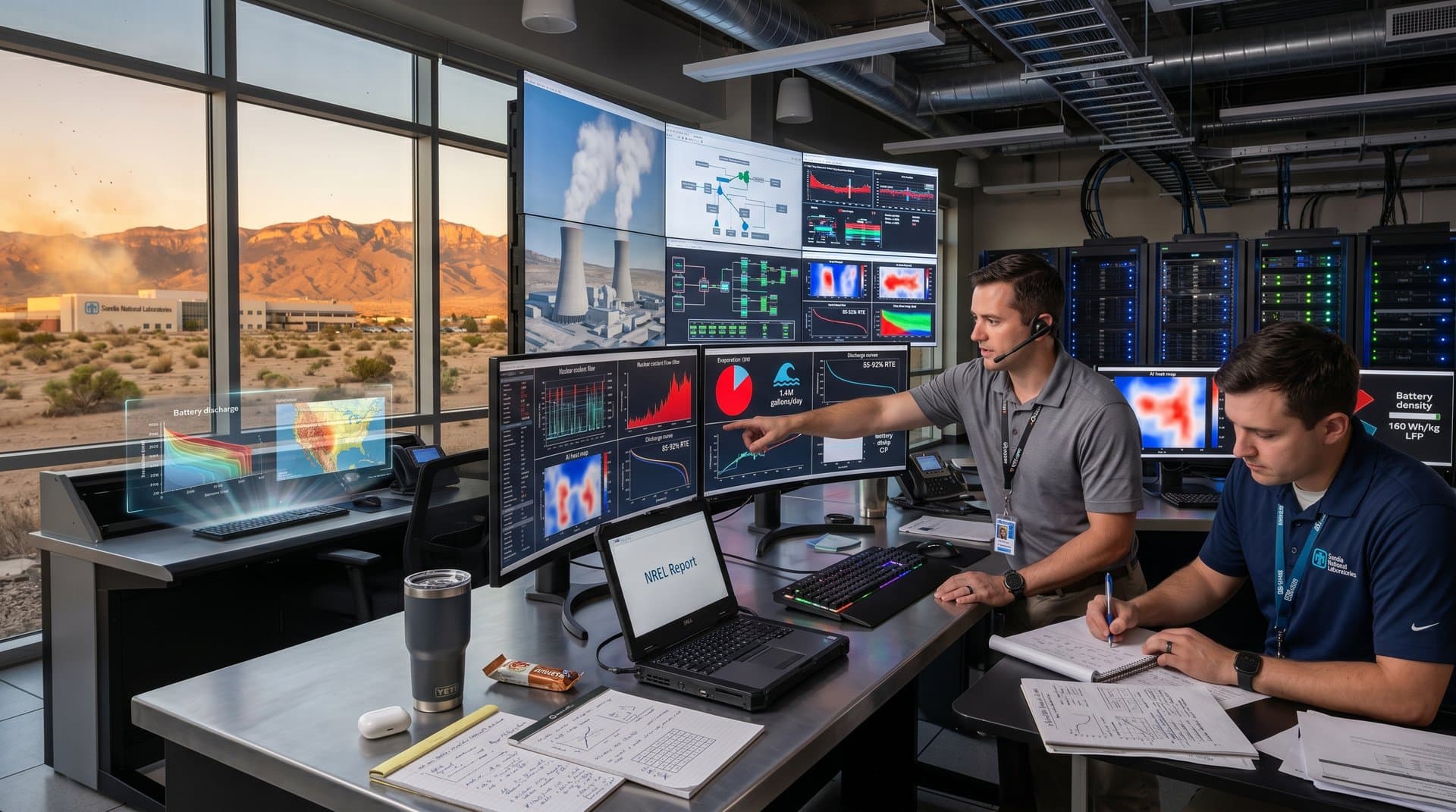
This approach matches NREL's CT imaging for lithium-ion cells. NREL visualizes lithium plating, which triggers 15-20% capacity fade after 500 cycles at 1C rate (NREL X-ray CT).
Herculaneum Papyrus Mirrors Battery Electrode Challenges
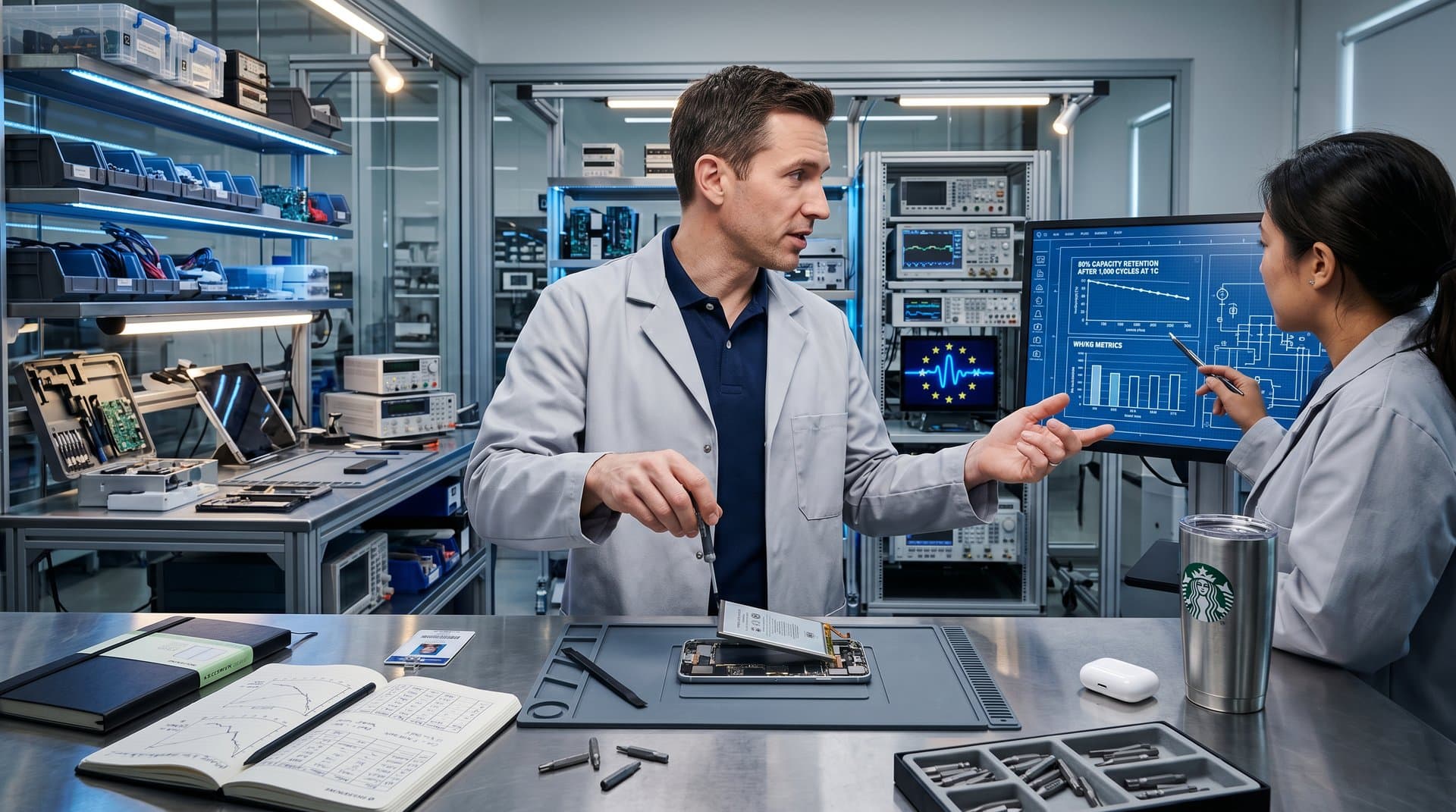
Carbonized papyrus withstands just 1-2 MPa tensile strength, akin to thin-film electrodes. Destructive cross-sections expose grain boundaries but ruin 80% of prototypes. DOE-funded CT scans inspect pouch cells intact, safeguarding NMC cathodes at 200 Wh/kg (DOE ASCR).
AI processes terabyte datasets to spot anomalies like ink cracks or lithium dendrites. Dendrites cap cycle life at 1,000 cycles with 80% depth-of-discharge. NREL's open database offers 50+ battery CT datasets for training (NREL Database).
QuantumScape images sulfide electrolytes targeting 200-300 Wh/kg in solid-state cells.
Touchless Testing Slashes R&D Costs 40%
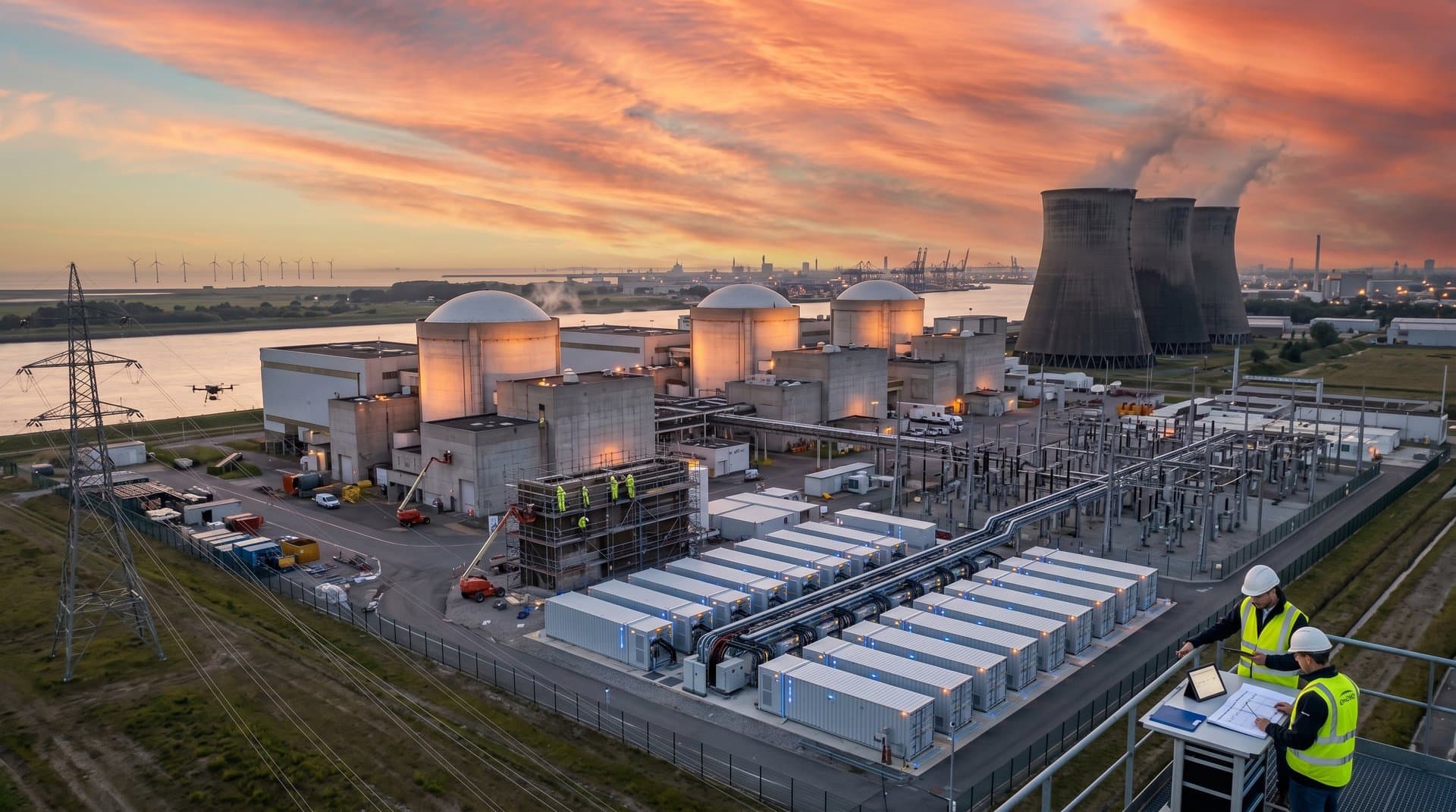
Renewables need 4-hour storage duration. Traditional tests discard LFP cathodes at US$50-100/gram. CT methods cut iteration time 40%, says Argonne National Lab synchrotron data, allowing 10+ retests per sample.
IRA Section 45X delivers US$35-45/kWh credits for post-2023 batteries, unlocking US$30 billion by 2030 (IRS). These funds boost AI tools, driving LCOE to US$0.045/kWh for 10 MWh projects.
SES AI deploys CT on lithium-metal anodes aiming for 400 Wh/kg. EU Battery Regulation 2023/1542 requires 16% recycled content by 2031, favoring zero-waste techniques.
AI Imaging Reshapes Lithium Supply Chains
Lithium prices swing 30% from Australian and South American mines. Non-destructive tests refine NMC cathodes, trimming costs 15% to US$80/kWh. Sodium-ion packs at 160 Wh/kg scale without LCOE hikes.
US CHIPS Act tariffs on Chinese cells demand efficient domestic R&D. Touchless analysis supports 100 GWh factory ramps by 2028.
Policy Shifts Rely on Verified Performance Data
FERC Order 2222 unlocks 50 GW storage aggregation by 2026. It mandates precise data for wholesale markets. AI streamlines IEC 62619 safety certification.
Investors poured US$2 billion into sodium-ion VC in 2023 (PitchBook). Renewables expert Philip Trask notes 25% IRR from hybrid solar-storage with 5,000-cycle life.
Argonne's Advanced Photon Source provides 0.1 micron imaging across 20 chemistries.
Accelerating Global Energy Storage Deployment
The AI non-destructive papyrus breakthrough transforms energy storage R&D. Touchless CT speeds 10 GW APAC deployments and cuts California curtailment 12%. IRA and EU rules propel adoption as renewables reach 50% grid penetration.
R&D costs will drop 20%, paving commercial long-duration storage by 2027.
Frequently Asked Questions
How does AI non-destructive papyrus breakthrough work?
Micro-CT scans create 3D models at 2-5 micron resolution. AI detects ink trained on samples, revealing 2,000+ characters without contact (Reuters).
What is touchless battery material analysis?
X-ray CT images electrodes non-invasively. AI spots defects like dendrites; NREL uses for lithium cells at micron scale.
How will AI papyrus tech impact energy storage policy?
IRA Section 45X funds AI tools with US$40/kWh credits; EU regulations cut waste. Speeds FERC Order 2222 certification.
Why adopt non-destructive methods in battery R&D?
Preserves prototypes for 10+ tests, cuts costs 40%. Vesuvius US$700,000 validates handling fragile materials like electrodes.