- DOE invests $17 million in AI for battery recycling supply chains.
- EU requires 12% recycled lithium in batteries by 2031.
- IRA credits $35 per kWh for recycled content manufacturing.
The US Department of Energy (DOE) awarded $17 million on October 10, 2024, to Argonne National Laboratory and NREL for AI battery lifecycle optimization projects. Initiatives target reuse, recycling, and remanufacturing via ARPA-E to strengthen supply chains and grid storage. DOE announcement.
Argonne's ReCell Center leads lithium-ion efforts. NREL accelerates EV battery processing for second-life use. DOE spokesperson Melissa Fox states projects address supply chain vulnerabilities amid EV growth.
AI Tools Predict Battery Degradation Precisely
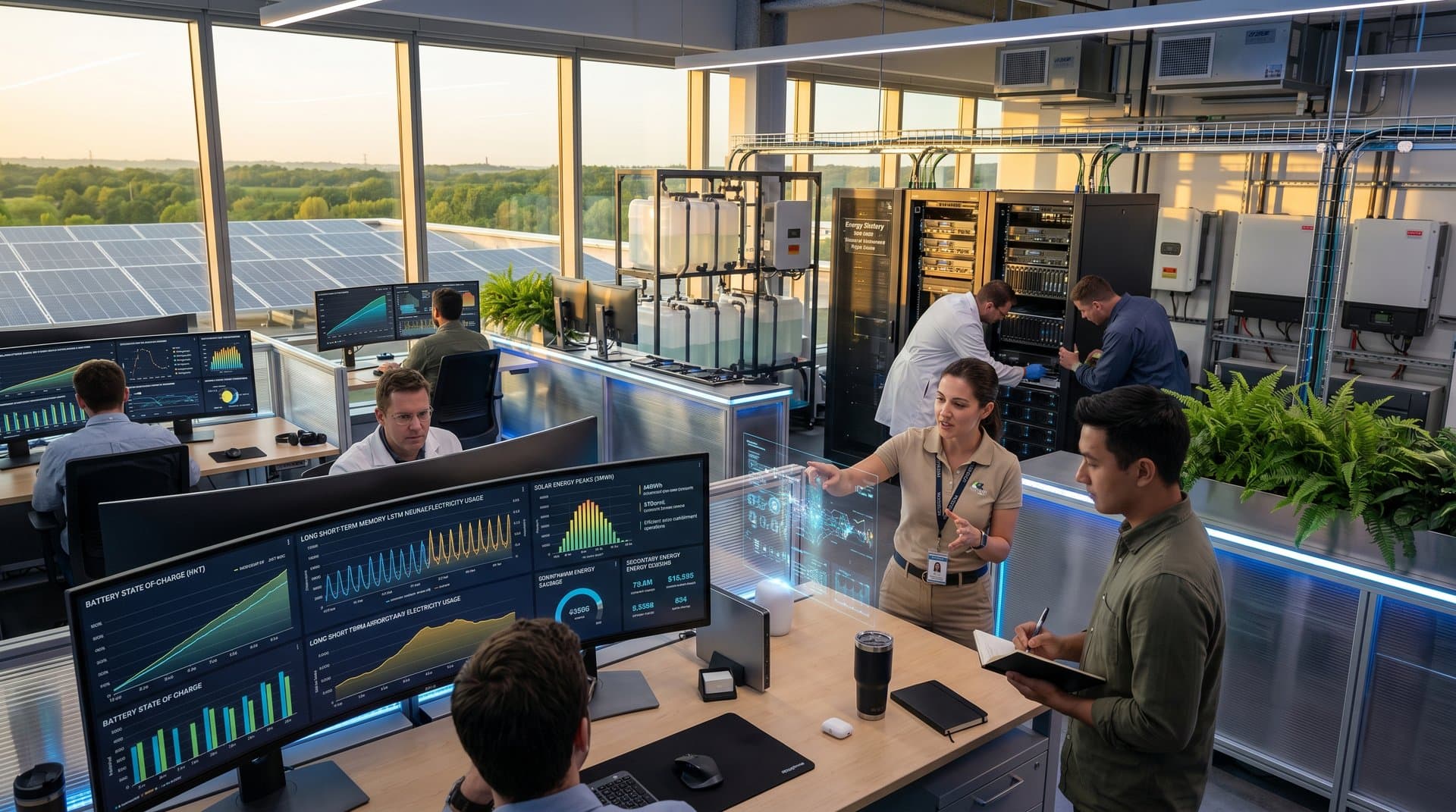
AI models analyze voltage curves, EIS, and partial discharge data for 95% SoH accuracy. Argonne's Vilas Pol, ReCell director, says tools enable grid storage repurposing. ReCell technology.
Second-life batteries retain 70-80% capacity post-EV, per NREL's Bhaskar Sahu. Developers build MW-scale packs. IRA Section 45X offers $35/kWh credits for recycled content.
AI Boosts Battery Sorting and Recovery Rates
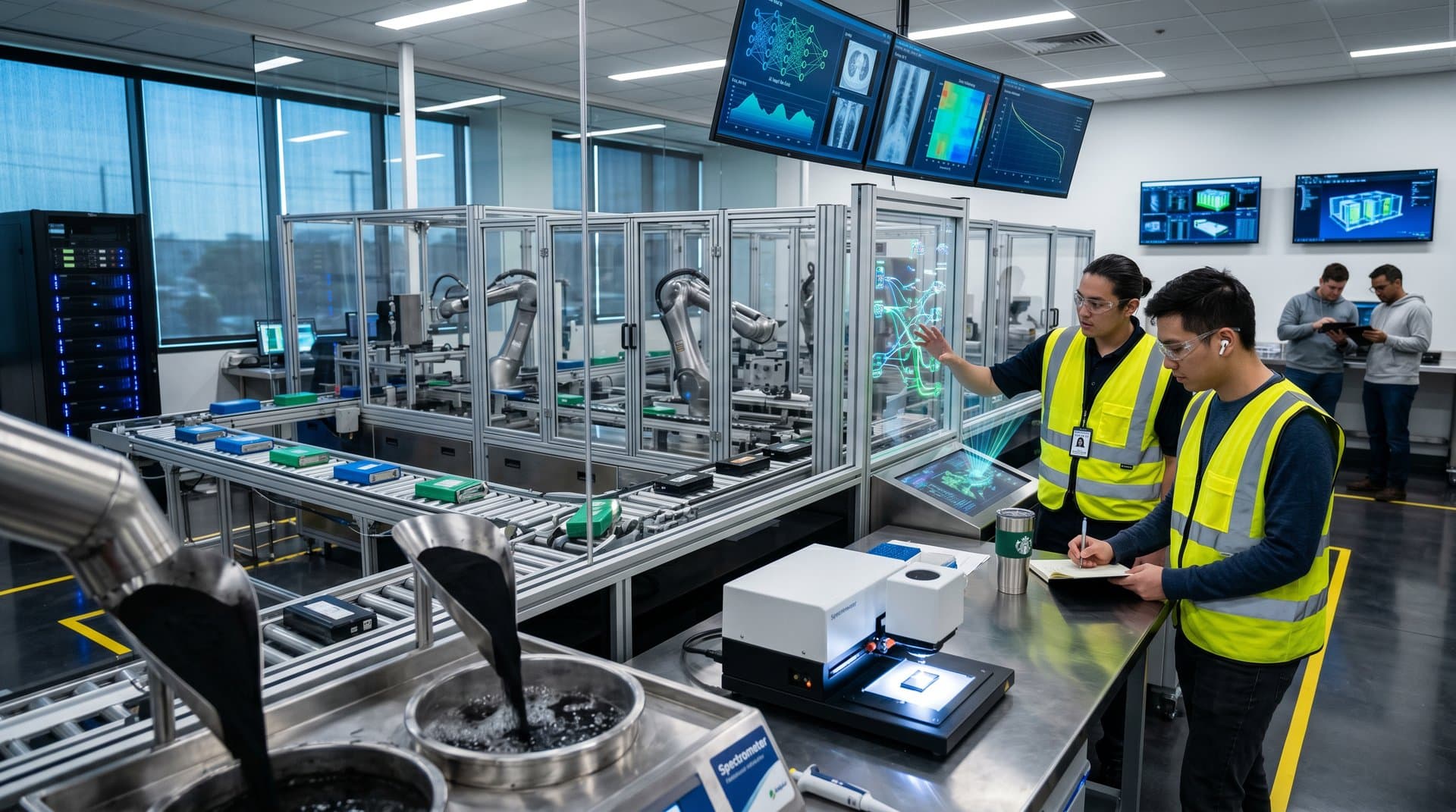
AI vision uses X-ray CT and LIBS data. CNNs classify NMC, LFP, LCO cathodes at 98% accuracy. NREL AI research.
Manual sorting recovers 50% materials. AI hits 92%, Redwood Materials CEO Brett Berry reports. Argonne refines black mass to 99% pure precursors. Lithium prices $15,000/tonne Q3 2024 (S&P Global).
Recyclers supply US cathode makers like Princeton Power Systems. EU Regulation 2023/1542 mandates 12% recycled lithium by 2031.
Second-Life Batteries Expand Grid Storage
AI forecasts 3,000+ cycles at 80% DoD from 10% discharges. NREL confirms 85-90% RTE at 0.5C for packs.
Utilities use packs for frequency regulation, peak shaving. RePurpose Energy deploys 5 MWh systems. NREL models show LCOS below $0.10/kWh with 30% IRA ITC.
Projects pair with solar under FERC Order 2222, matching LFP at 250 Wh/kg, 6,000 cycles.
AI Streamlines Battery Remanufacturing
AI matches cells within 5 mΩ impedance, simulates thermal runaway in digital twins.
Automation cuts labor 40%, costs 20-30% vs. $150/kWh new packs (ReCell benchmarks). Packs pass UL 9540A tests.
ReCell's Vilas Pol notes AI maps minerals to gigafactories, advancing IRA goals.
Policies Drive AI Battery Lifecycle Adoption
IRA Section 30D credits recycled EVs. California mandates 5% by 2025. AI enables blockchain provenance.
EU targets 63% cobalt by 2031. China holds 70% processing (Benchmark Mineral Intelligence).
- Jurisdiction: EU · Recycled Lithium Target (2031): 12% · Key Driver: Regulation 2023/1542
- Jurisdiction: US · Recycled Lithium Target (2031): N/A (credits-based) · Key Driver: IRA Section 45X
- Jurisdiction: China · Recycled Lithium Target (2031): State plans · Key Driver: Supply security
Data from EU Regulation 2023/1542, IRA, Chinese MIIT. AI cuts compliance costs 15-20%.
AI Unlocks TWh-Scale Grid Capacity
Retired EVs yield TWh storage. BloombergNEF projects 50 GWh second-life by 2030 from 1 million vehicles. Capex falls 25%.
DOE pilots long-duration storage. Fluence builds AI platforms. Argonne and NREL target 10 GWh/year deployments. AI secures energy transition amid tensions.
Frequently Asked Questions
What is AI's role in battery recycling for grid storage?
AI sorts chemistries via X-ray and spectroscopy, raising recovery above 90%. DOE funds $17 million. Second-life cells enable 85-90% grid efficiency.
How does AI support battery remanufacturing?
AI matches cells by impedance and uses digital twins for safety testing. Costs drop 20-30% per ReCell data under IRA incentives.
Why does AI matter for grid storage policies?
AI cuts LCOS below $0.10/kWh and ensures EU 12% lithium mandate compliance by 2031. US leverages Section 45X credits.