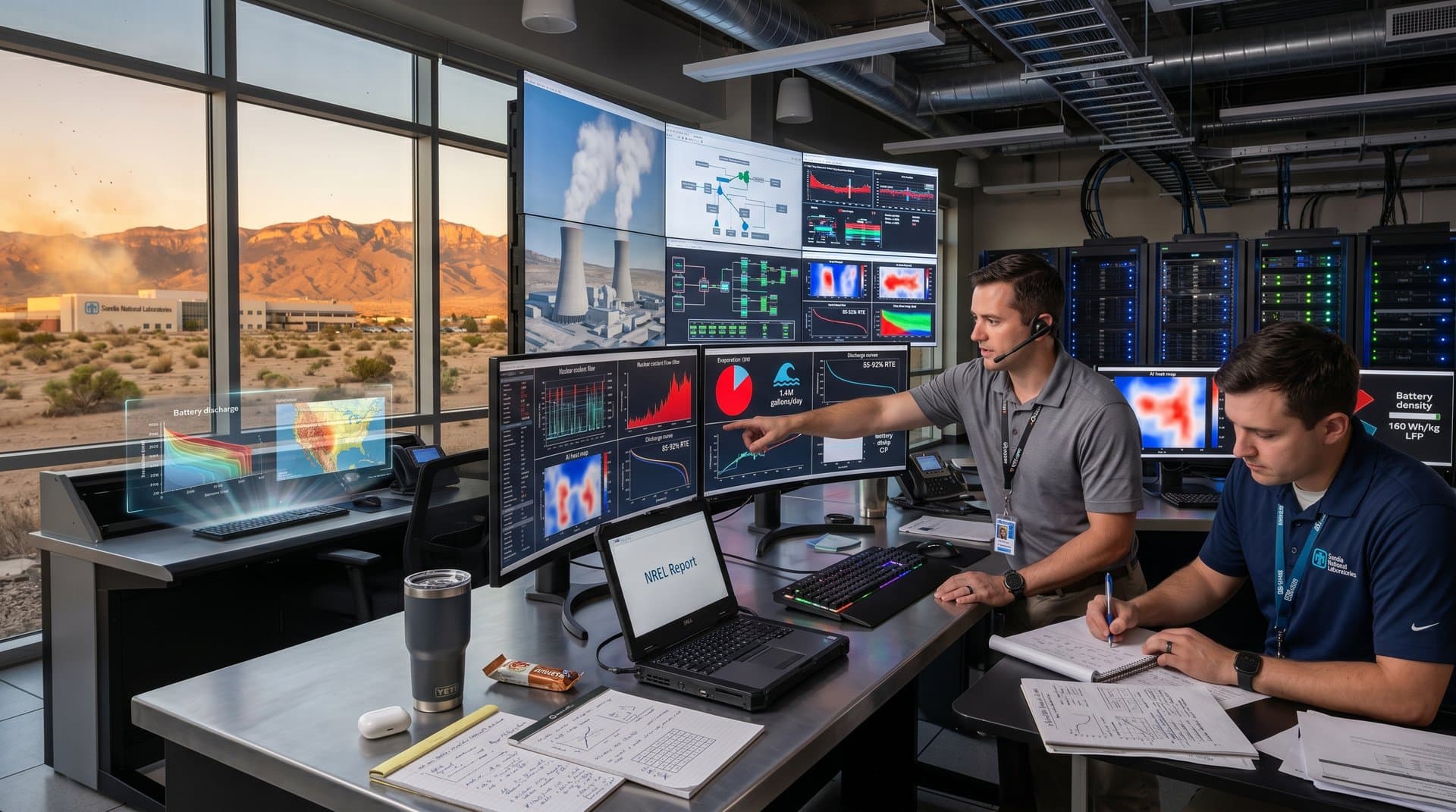
Brookings Institution forecasts AI energy demands from data centers will exceed 100 GW globally by 2030, announced April 10, 2026. This surge equals 8% of world power generation, up from 2% today per International Energy Agency (IEA) data from its 2025 World Energy Outlook.
Global data centers consumed 20 GW in 2025, with US facilities accounting for 10 GW according to IEA estimates. AI training for large language models demands constant high-density power at densities up to 100 kW per rack. Hyperscalers like Microsoft and Google expand campuses rapidly. IEA data confirms AI loads double every 18 months, driven by compute-intensive models like GPT-5 equivalents.
Regulations Tighten Grip on AI Energy Demands
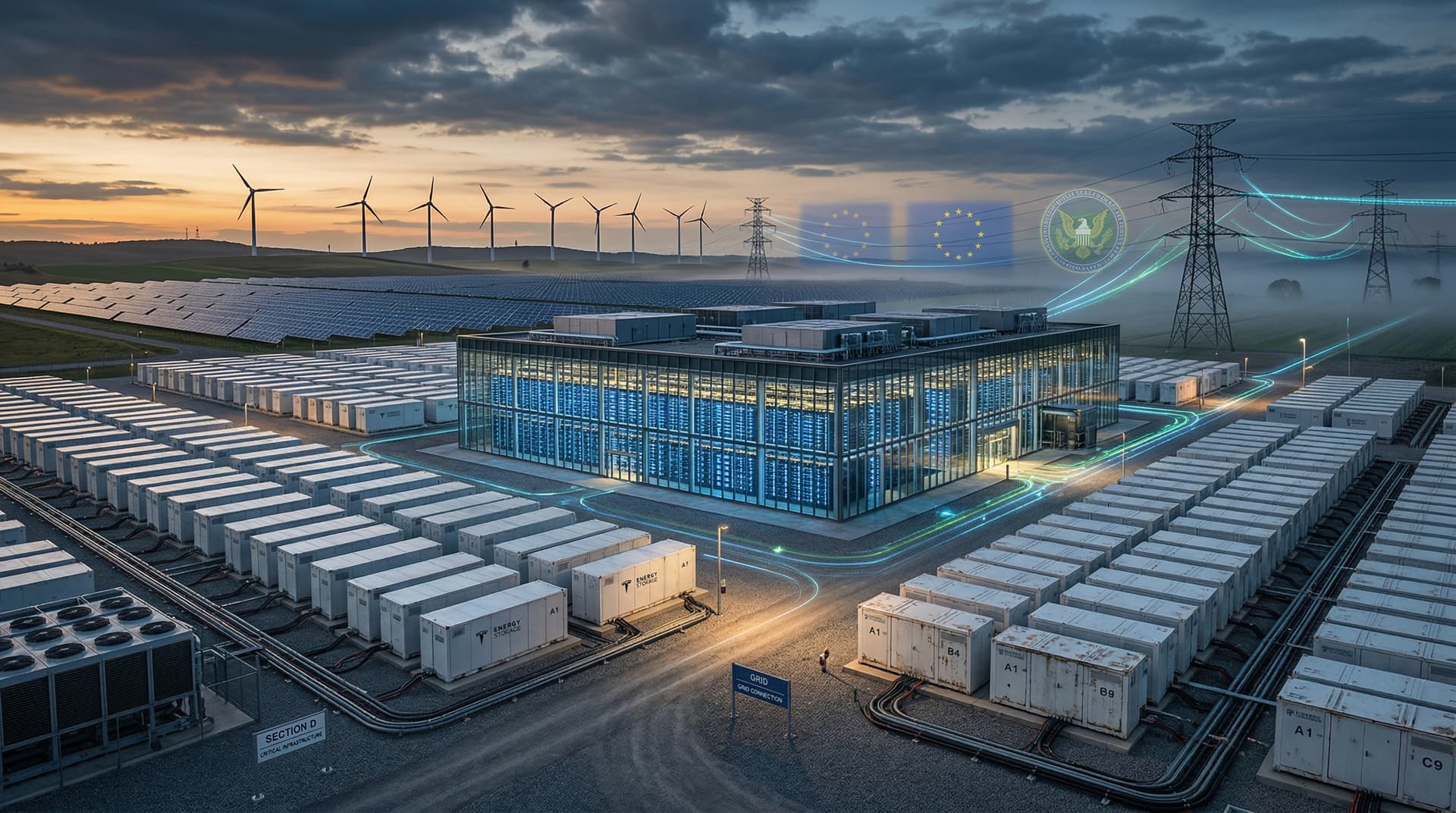
The EU AI Act, effective January 2026, caps energy use for high-risk AI systems at 10 kWh per teraflop of computation, as outlined in Article 52. FERC Order 2026, docket RM22-13-000, requires grid operators to plan data center interconnections with at least 4 hours of co-located storage capacity. California Public Utilities Commission Decision 25-03-045 mandates 20% storage co-location for loads exceeding 50 MW.
The US Department of Energy (DOE) allocated USD 2 billion under the Bipartisan Infrastructure Law for AI-hub storage pilots, targeting 10 GWh deployment by 2028. China's National Development and Reform Commission (NDRC) Notice 2026-15 sets quotas for 30% renewables integration via batteries in data centers starting 2026. The International Electrotechnical Commission (IEC) TS 62933-5-4 standardizes energy storage for AI loads. Brookings estimates compliance will cost utilities USD 50-100 million per GW connected, citing Wood Mackenzie analysis.
Energy Storage Stabilizes Surging AI Loads
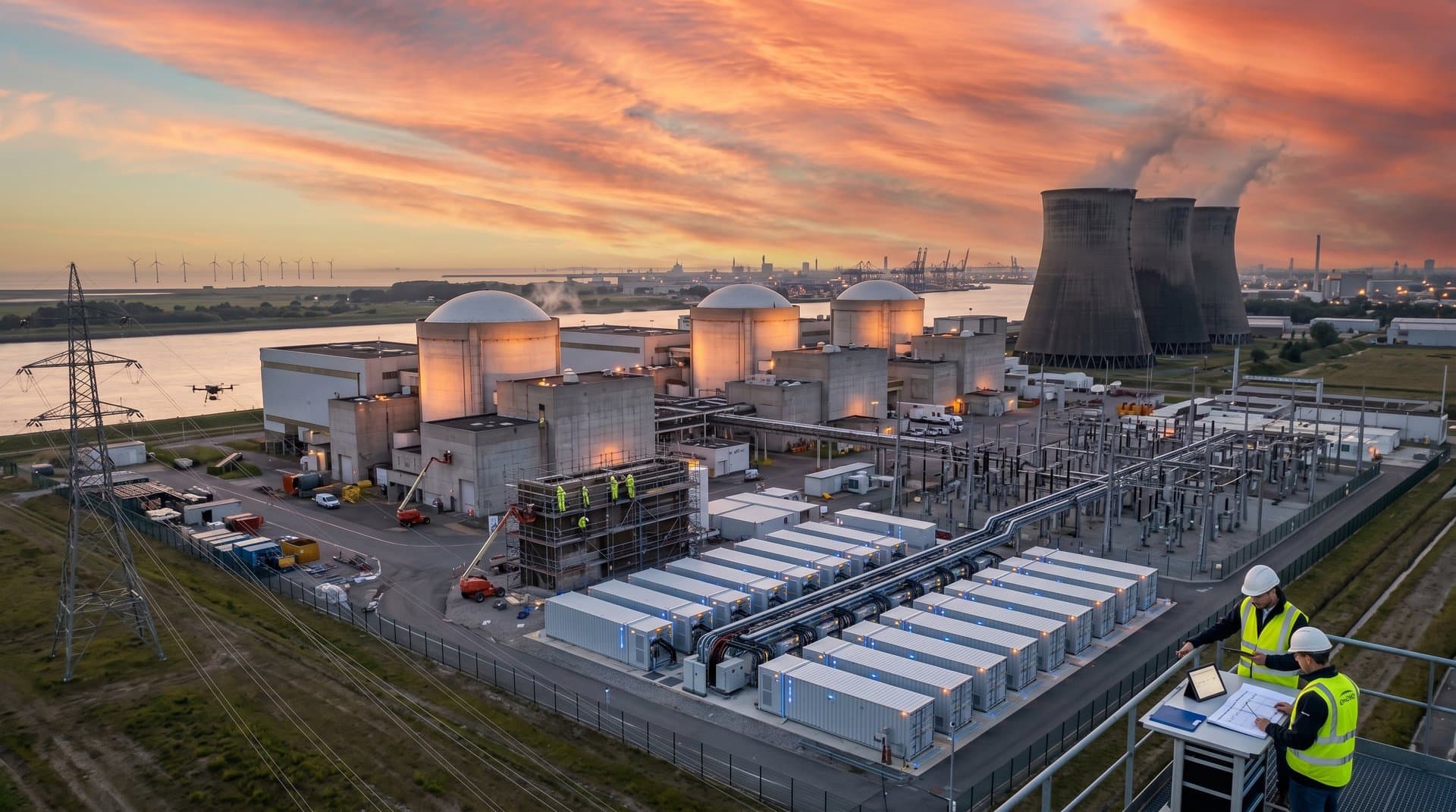
Lithium-ion batteries handle AI's sub-second power ramps with response times under 100 ms. Tesla Megapacks deliver 500 MW/2 GWh systems, achieving 99.9% uptime and 92% round-trip efficiency (RTE) at 0.5C discharge per Tesla's Q1 2026 spec sheet tested to IEC 62619. Brookings projects a need for 300 GWh of grid storage by 2030 to balance these loads.
BloombergNEF pegs levelized cost of storage (LCOS) at USD 120/MWh for four-hour lithium-ion systems in 2025, falling to USD 90/MWh by 2030. Form Energy's iron-air batteries target 100-hour discharge at USD 50/MWh LCOS, with pilots demonstrating 76% RTE over 25,000 cycles at 80% depth of discharge (DoD). Invinity's vanadium flow batteries reach 10,000 cycles at 80% DoD and 75% RTE, outperforming lithium-ion's typical 5,000 cycles at equivalent DoD per independent DNV testing.
Grid Technology Upgrades Scale for AI
Advanced conductors from 3M double transmission line capacity to 100 MW per circuit without new infrastructure, as validated in EPRI trials. GE Vernova pilots 1 GW high-voltage direct current (HVDC) links connecting solar farms 500 km away, achieving 98% efficiency per project data from the 2025 SunCable initiative. National Renewable Energy Laboratory (NREL) tests confirm dynamic line rating boosts grid capacity by 40% under variable weather.
AutoGrid's AI demand response software cuts peaks by 25% across 5 GW of managed load, per 2025 case studies with PG&E. Substation automation from Siemens enables 1 GW interconnections in under 4 hours via IEC 61850 protocols. Brookings references Wood Mackenzie forecasts of 50% inverter-based resources on grids by 2030, necessitating USD 500 billion in investments through 2035.
Battery Technologies Target AI Energy Demands
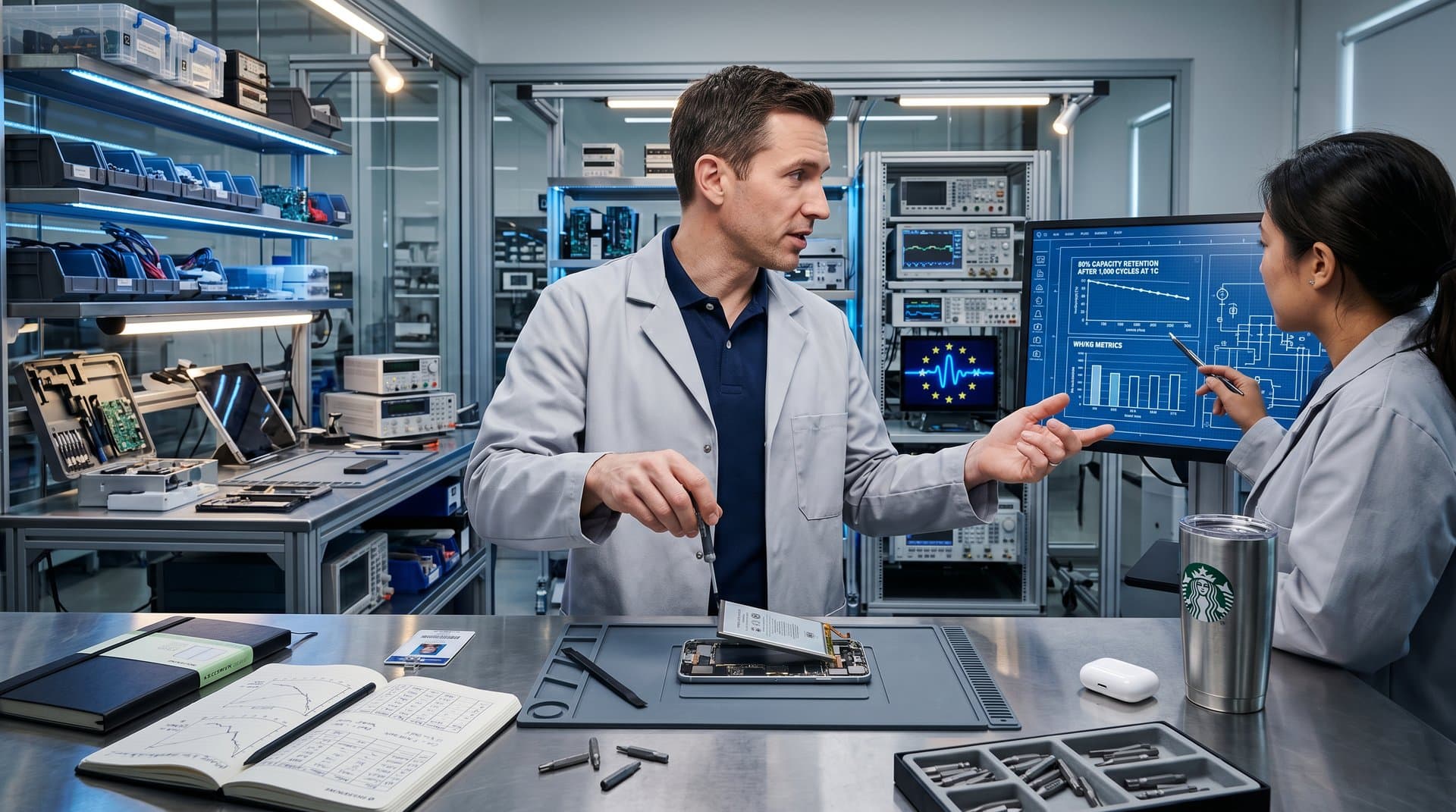
CATL's sodium-ion batteries deliver 160 Wh/kg gravimetric energy density (300 Wh/L volumetric) at USD 60/kWh pack level, avoiding lithium supply constraints from Australia and Chile. Production scales to 100 GWh/year by 2027 per CATL's investor update. QuantumScape's solid-state lithium-metal cells hit 400 Wh/kg (800 Wh/L) with 1,000 cycles at 80% DoD; commercial pilots produce 1 MWh batches in Q2 2026.
Form Energy's iron-air systems provide 100-hour duration at USD 20/kWh system cost, 25,000 cycles, and 80% RTE under UL 9540A certification. Multi-GWh factories in West Virginia launch Q4 2026. Lithium iron phosphate (LFP) grid packs from BYD offer 200 Wh/kg (400 Wh/L), 6,000 cycles, but trail sodium-ion on cost per BloombergNEF benchmarks.
Commercial Timelines and Supply Chain Realities
Lithium iron phosphate packs reach Manufacturing Readiness Level (MRL) 10 per DoD definitions. Sodium-ion attains MRL 9, with full commercialization in 2027. Brookings timelines solid-state batteries for 2029 at USD 80/kWh and MRL 8, based on Volkswagen-QuantumScape JV progress.
Indonesia secures nickel-cobalt via USD 10 billion offtake deals with Tesla and LG Energy Solution. Redwood Materials recycles 95% of cathode materials, reducing virgin input by 50%. Total capex hits USD 300 billion to build 300 GWh annual capacity by 2030. ESS Inc. raised USD 50 million for iron flow batteries, targeting USD 150/MWh LCOS competitive with pumped hydro per Black & Veatch analysis.
Investment Outlook Shapes AI Energy Demands
AI energy demands propel the storage market to USD 50 billion annually by 2030, per Brookings and Goldman Sachs projections. Regulations favor batteries over gas peakers, with LCOS targets below USD 100/MWh unlocking USD 200 billion in private equity. Grid operators file FERC dockets like ER26-1234 for AI interconnection permits, signaling deployment acceleration.