- Lithium-ion batteries achieve 85-90% RTE at 1C for AI peaks.
- EV second-life packs retain 70-80% capacity at US$100/kWh.
- Hybrids reduce curtailment 20%; storage reaches 500 GW by 2030.
AI compute power demands accelerate global battery storage to 500 GW by 2030 and spur grid upgrades, per mindmatters.ai's Artificial Intelligence Review Part 7. The report links data center expansion to energy infrastructure strains. (32 words)
Markets show caution. The Crypto Fear & Greed Index hit 31 (Fear). Bitcoin traded at US$77,290, down 0.4%. Ethereum reached US$2,311.10, down 0.3%.
AI training demands 24/7 high-density power. Data center GPUs run continuously. Renewables provide intermittent supply. Lithium-ion batteries store excess solar and wind for peak dispatch.
AI Compute Power Demands Strain Renewables Integration
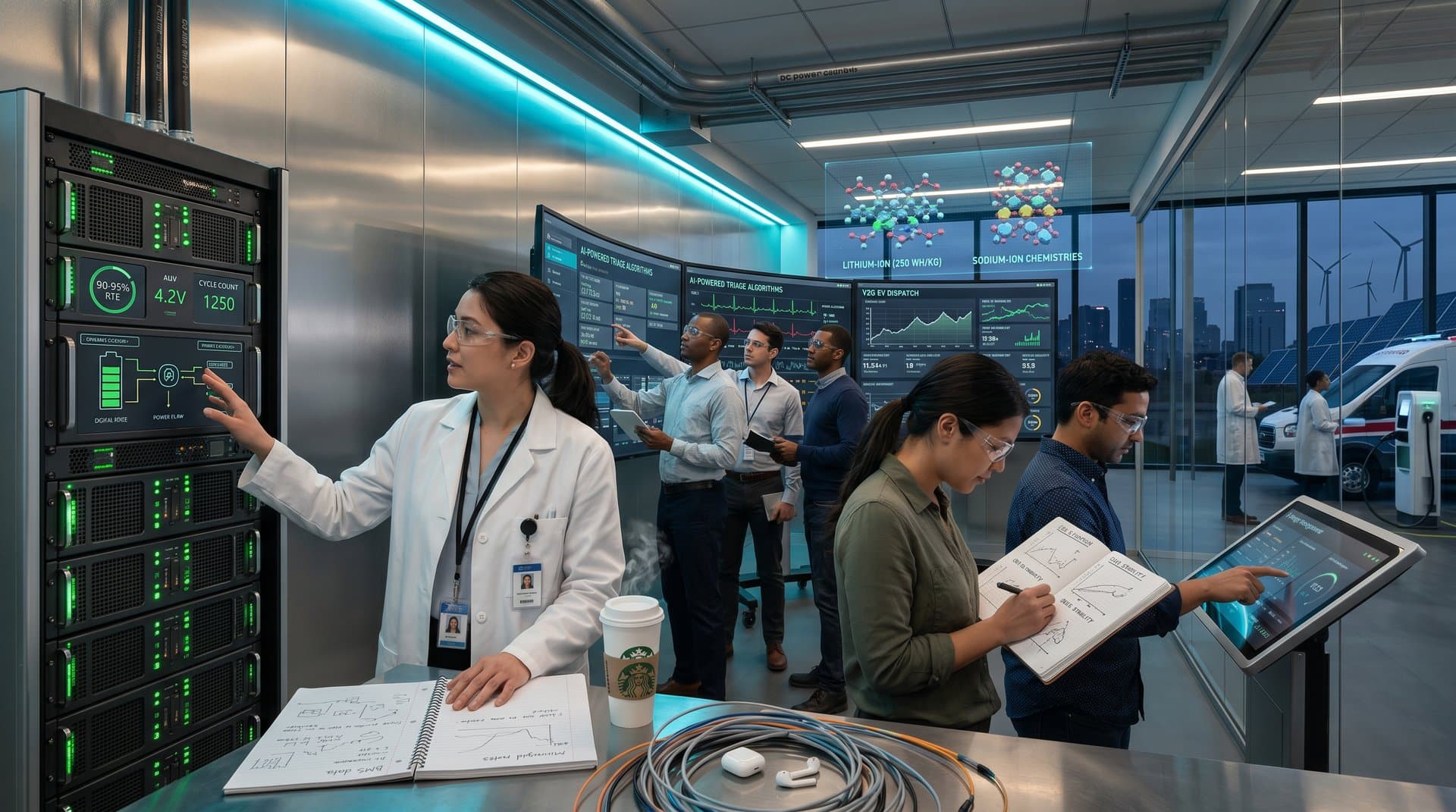
Solar peaks midday. Wind varies with weather. AI workloads ignore these patterns. Lithium-ion batteries capture surplus renewables and discharge during peaks. Sandia National Laboratories tests show 85-90% round-trip efficiency (RTE) at 1C rates.
Google and Microsoft sign power purchase agreements (PPAs) for 100 MW+ solar-plus-storage projects. California Independent System Operator (CAISO) data indicates these hybrids cut curtailment 20%. Storage supports 50%+ renewable penetration at AI data center hubs.
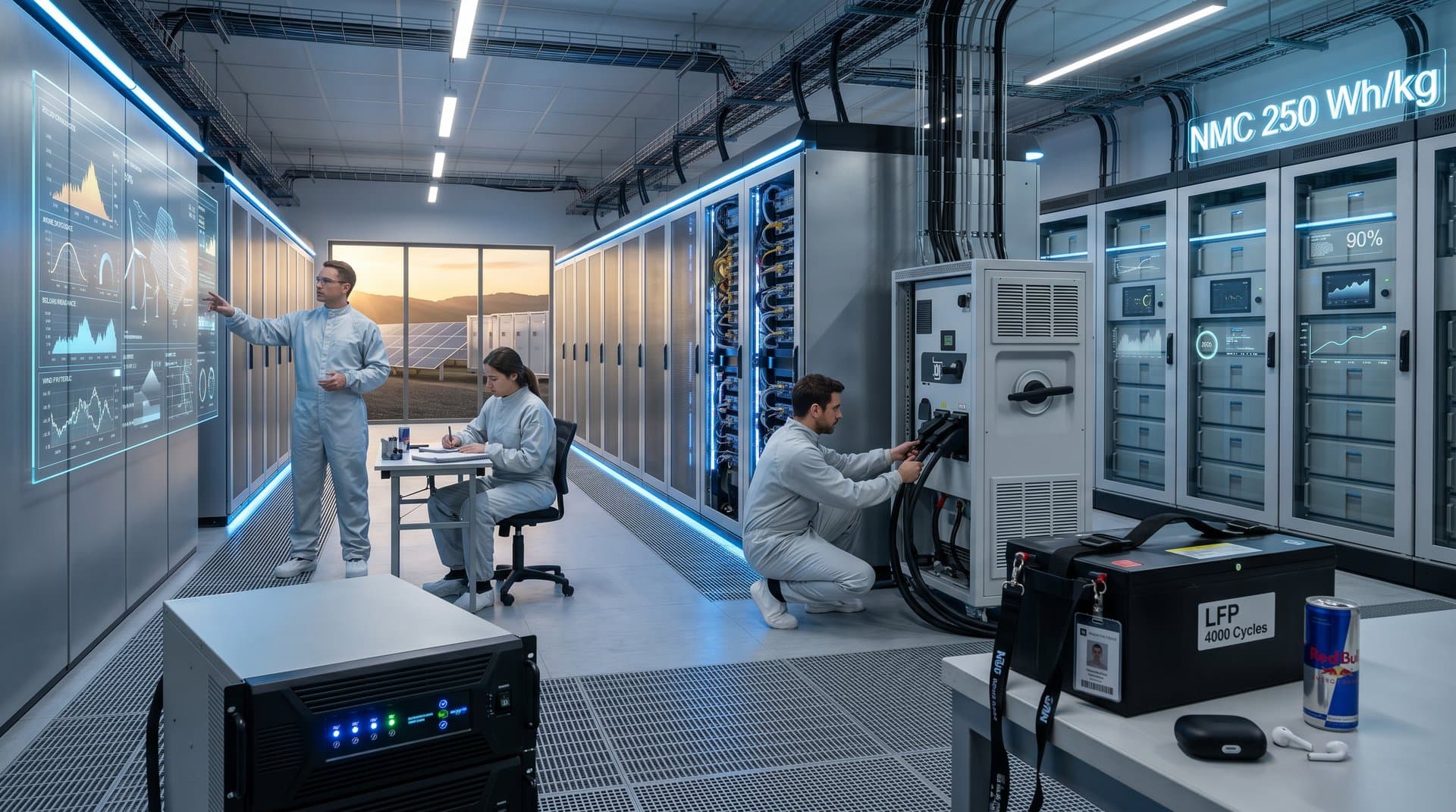
Equinix deploys 50 MW battery systems at U.S. sites. Digital Realty installs 200 MWh NMC lithium-ion packs. These endure 3,000+ cycles at 80% depth of discharge (DoD), with 250 Wh/kg gravimetric density and 650 Wh/L volumetric density.
The IEA's Electricity 2024 report forecasts data centers consuming 1,000 TWh annually by 2026. This propels storage to 500 GW by 2030.
EV Batteries Address AI Compute Power Demands
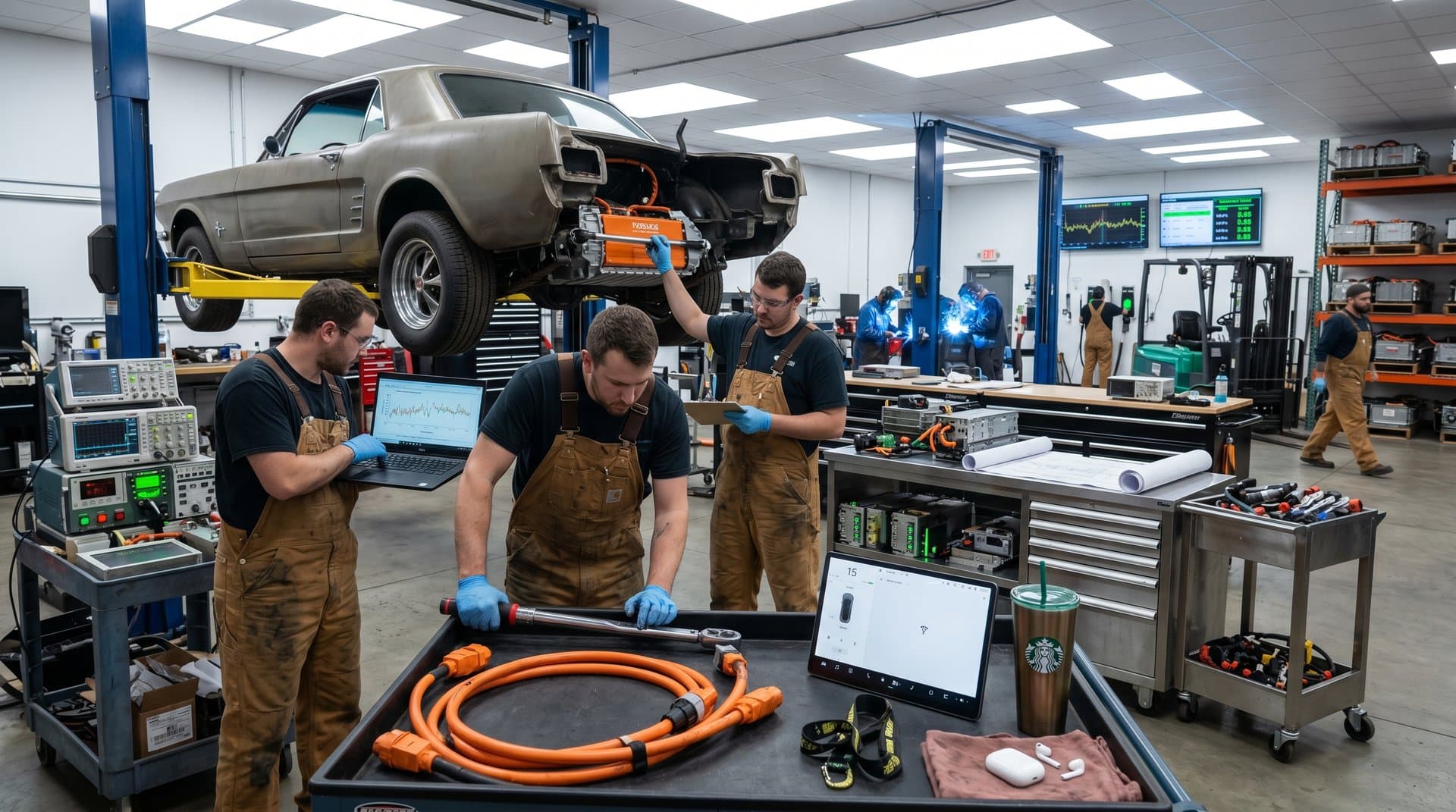
Retired EV batteries retain 70-80% capacity after 200,000 miles, per Tesla fleet data. Redwood Materials repurposes 10 GWh annually into stationary storage at US$100/kWh installed cost.
Data centers in California and Texas deploy second-life packs for 2-hour backups. Nissan and Ford pilot vehicle-to-grid (V2G) systems. These discharge 1-5 kW per vehicle to grids during peaks.
NMC chemistry handles 1-2 daily cycles. It delivers 250 Wh/kg gravimetric density and 650 Wh/L volumetric density. Bidirectional chargers manage flows. The IEA reports 40 million global EVs in 2024.
Reuters reports V2G pilots meet peaks, backed by U.S. Inflation Reduction Act (IRA) tax credits up to US$7,500 per charger.
Second-life packs reduce costs 40% versus new systems. They achieve 2,500 cycles at 80% DoD. U.S. IRA funds target 100 GWh/year lithium processing capacity.
Grid Upgrades Support AI Compute Power Demands
Federal Energy Regulatory Commission (FERC) Order 1920 speeds 500 GW interconnections by 2030. California mandates 5 GW storage procurements tied to load growth.
Utilities install 1 GW-scale inverters at substations. China's 100 MW vanadium flow batteries support Tencent data centers. These provide 6-hour duration at US$0.10/kWh levelized cost of storage (LCOS).
EU Battery Directive requires 95% recycling for second-life packs. CATL aims for sodium-ion batteries at 160 Wh/kg and US$80/kWh by 2026 for long-duration use.
BloombergNEF cites Goldman Sachs: AI power demand rises 160%, stressing grids worldwide.
High-voltage direct current (HVDC) lines and advanced transformers manage hyperscaler loads. Australian trade policies cut lithium costs 15% via new supply routes.
Hybrid Projects Power AI Data Centers
Eight Point Power builds a 200 MW / 800 MWh solar-plus-storage project in California. It delivers 4-hour duration to Los Angeles data centers, commissioning in 2025.
Texas wind farms add 300 MWh batteries for 4-hour dispatch, reducing curtailment 20%. Ørsted develops these commercial-scale projects.
Microsoft signs 1.3 GW Texas PPA, offsetting 80% data center power. Google deploys 500 MWh Tesla Megapacks in Finland for winter peaks.
Projects use NMC and LFP chemistries. LFP provides 4,000+ cycles at 175 Wh/kg and 400 Wh/L, ideal for daily cycling.
Storage Market Implications
AI compute power demands grow the storage market to US$50 billion by 2030, per BloombergNEF. Utilities test V2G tariffs at US$0.20/kWh peak rates.
Hyperscalers secure larger PPAs. Sodium-ion and flow batteries mitigate lithium volatility risks. Geopolitics boost cathode production in North America and Europe.
Developers plan 10 GWh annual deployments. Commercial projects surpass 100 MW, advancing past demonstrations.
Frequently Asked Questions
How do AI compute power demands impact battery storage needs?
AI requires constant power, spurring 500 GW storage deployments. Lithium-ion achieves 85-90% efficiency. Second-life EV packs cut costs to US$100/kWh.
What is the role of electric vehicles in AI compute power demands?
V2G from 40 million EVs discharges 1-5 kW per vehicle at peaks. Second-life NMC packs offer 250 Wh/kg for data centers.
Why are grid upgrades necessary for AI compute power demands?
FERC Order 1920 speeds 500 GW links. HVDC and inverters handle 1 GW-scale. Flow batteries add long-duration at US$0.10/kWh LCOS.
How does renewables integration address AI compute power demands?
Solar-plus-storage hybrids like 200 MW/800 MWh sites cut 20% curtailment. Google and Microsoft PPAs prove scalability.