Energy Storage News, April 10, 2026 | By Emma Richardson
AI boom grid storage faces 8% power strain by 2030, warns Brookings Institution’s April 10, 2026 report. Data centers will consume 8% of global electricity. Regulations accelerate battery deployments.
The report analyzes power demands from AI training and inference. Data centers account for 2% of worldwide electricity use today, per International Energy Agency (IEA) data cited by Brookings. Brookings projects a fourfold increase by 2030.
Utilities combat renewable intermittency with grid storage. Lithium-ion batteries hold 90% market share, per BloombergNEF.
AI Boom Grid Storage Demands
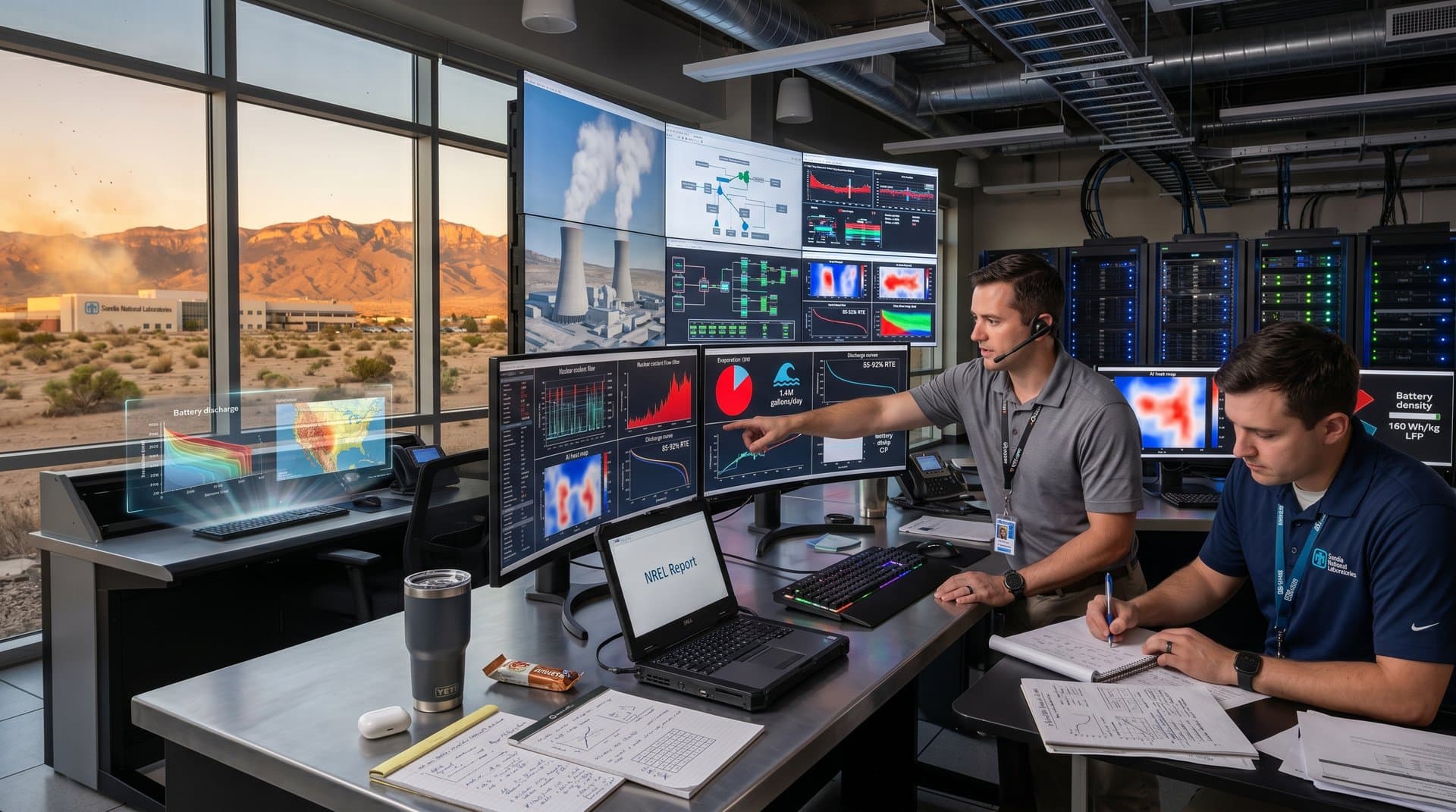
Large language models demand constant high-density power. A GPT-4-equivalent training run consumed 1,287 MWh, per Brookings—equivalent to 140 US households annually. Thousands of servers scale this demand.
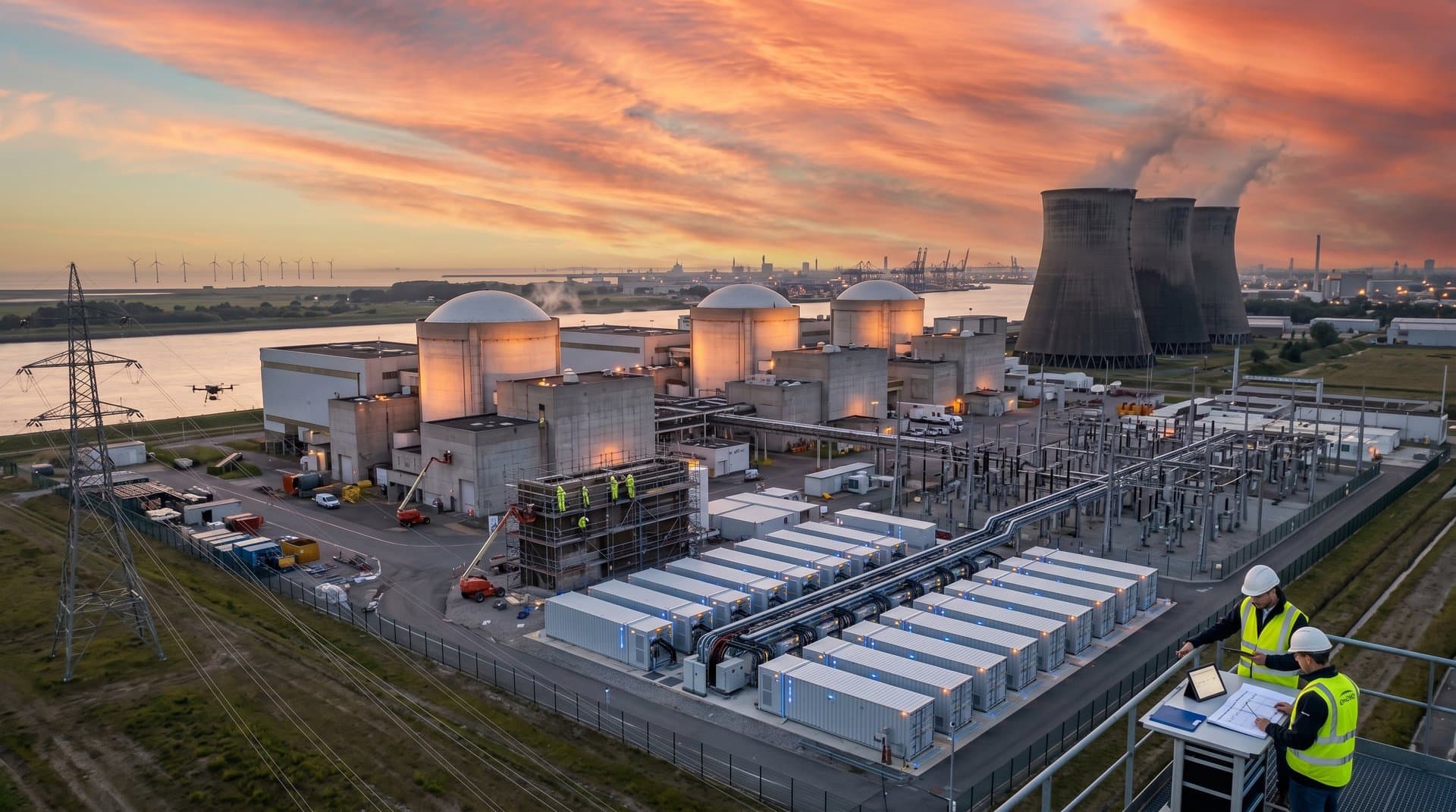
Hyperscalers like Microsoft and Google plan 20 GW of new data center capacity in the Americas by 2028, per the report. This equals 20 large nuclear plants. Storage handles peak loads to prevent blackouts.
Lithium-ion levelized cost of storage (LCOS) fell to USD 132/MWh in 2025, per National Renewable Energy Laboratory (NREL). AI's 24/7 loads require long-duration energy storage (LDES) exceeding four hours.
Flow batteries and iron-air systems offer 10+ hour discharge. ESS Inc. quotes USD 250/kWh for iron-flow at 100-hour duration. Commercial pilots hit 5 MW scale.
Regulatory Frameworks Intensify Pressure
EU AI Act, effective 2026, mandates energy efficiency audits for high-risk systems. Fines reach 6% of global revenue for non-compliance. Operators shift to storage-backed renewables.
US Federal Energy Regulatory Commission (FERC) Order 2023 streamlines storage interconnections. California mandates 5 GW storage by 2030 via SB 100. Texas ERCOT requires 10 GW firm capacity from storage.
China's 14th Five-Year Plan targets 30 GW data centers with 50% renewables. Grid operators add 2.5 GWh lithium-ion annually. APAC claims 45% of global storage additions.
Brookings projects USD 500 billion in global storage investments by 2030. Regulations link incentives to deployment speed. US Inflation Reduction Act (IRA) tax credits cover 30-50% of project costs.
Battery Technologies Respond
Lithium iron phosphate (LFP) batteries suit grid use, delivering 6,000 cycles at 90% depth of discharge (DoD), 160 Wh/kg gravimetric and 425 Wh/L volumetric density, at USD 56/kWh pack level (CATL). CATL ships 100 GWh annually.
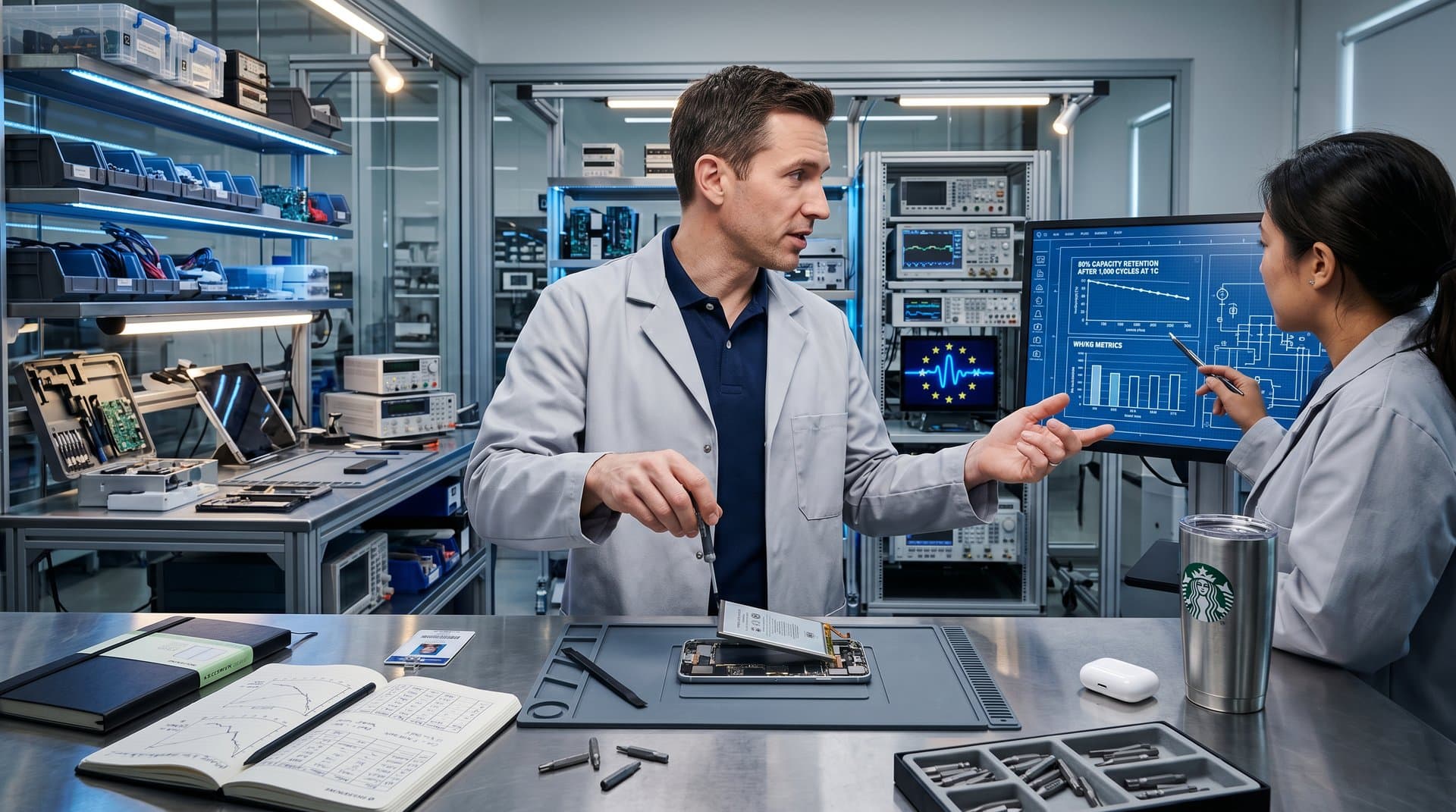
Solid-state prototypes target 300 Wh/kg and 750 Wh/L but sit at manufacturing readiness level (MRL) 4. QuantumScape partners with Volkswagen on EV pilots, aiming for grid scale post-2028 with 1,000+ cycles at 80% state of health (SoH).
Sodium-ion suits LDES. Faradion hits 150 Wh/kg and 300 Wh/L at projected USD 40/kWh. China Huaze's 10 MWh pilot achieves 70% round-trip efficiency (RTE)—a demonstration-scale deployment.
Lithium supply chains tighten. Prices rose 15% to USD 12,000/tonne in Q1 2026, per Benchmark Mineral Intelligence. Recycling recovers 95% of materials, reducing virgin demand by 20%.
Market Forecasts and Investment Surge
Wood Mackenzie forecasts 1,200 GW global storage capacity by 2030, up from 250 GW in 2026. AI fuels 30% of demand growth. Annual installations reach 200 GW/year by 2028.
Funding accelerates. Fluence secured USD 200 million for 5 GWh projects. Northvolt raised EUR 1 billion for a Sweden LFP gigafactory.
Utilities issued 50 GW storage RFPs in 2026, per Wood Mackenzie. Batteries beat gas peakers on LCOS at USD 150/MWh. Solar-storage hybrids deliver 25% IRR.
Commercialization Hurdles Persist
US permitting delays average 18 months, per Brookings. FERC reforms target 12 months for 80% of projects. Grid upgrades cost USD 2 trillion by 2035, per Brookings.
Fire safety advances via UL 9540A thermal runaway tests. LFP cuts risks versus NMC cathodes.
Second-life EV batteries supply 10% of storage by 2030. Redwood Materials processes 100 GWh/year at USD 30/kWh.
The Bottom Line
AI boom grid storage strains intensify worldwide. Brookings highlights regulatory tailwinds. Batteries approach LCOS under USD 100/MWh. Industry tracks 2027 LDES pilots for commercial viability. Deployment speed secures energy reliability.