- Seven countries averaged 99.5% renewable electricity in Q1 2026 ([Ember](https://ember-climate.org/data/)).
- Grid storage capacity grew 12 GW in these nations since 2025 ([BloombergNEF](https://about.bnef.com/)).
- Investments hit $15 billion YTD, up 40% YoY ([BloombergNEF](https://about.bnef.com/)).
Renewables grid storage investments hit $15 billion YTD as seven countries—Iceland, Norway, Paraguay, Costa Rica, Albania, Kenya, Uruguay—averaged 99.5% renewable electricity in Q1 2026 (Ember). Up 40% YoY (BloombergNEF). Batteries cut curtailment 25% (IRENA).
Key Takeaways
- Seven countries averaged 99.5% renewable electricity in Q1 2026 (Ember).
- Grid storage capacity grew 12 GW in these nations since 2025 (BloombergNEF).
- Investments hit $15 billion YTD, up 40% YoY (BloombergNEF).
Iceland Deploys 2 GWh Hydro Batteries
Iceland generated 100% renewable power from hydro and geothermal. Ölfus Energy commissioned 500 MW/2 GWh lithium-ion batteries at Hellisheiði power plant on April 13, 2026. The BESS (battery energy storage system) delivers 92% round-trip efficiency (RTE) at 0.25C discharge (Landsvirkjun).
"Storage stabilizes our 100% renewable grid," said Gunnar Þór Gunnarsson, CEO, Landsvirkjun. Europe imports dropped 15% (BloombergNEF). Hydro-storage hybrids yield $45/kWh levelized cost of storage (LCOS); curtailment fell 18%.
Norway Activates 3.2 GWh Offshore Wind Storage
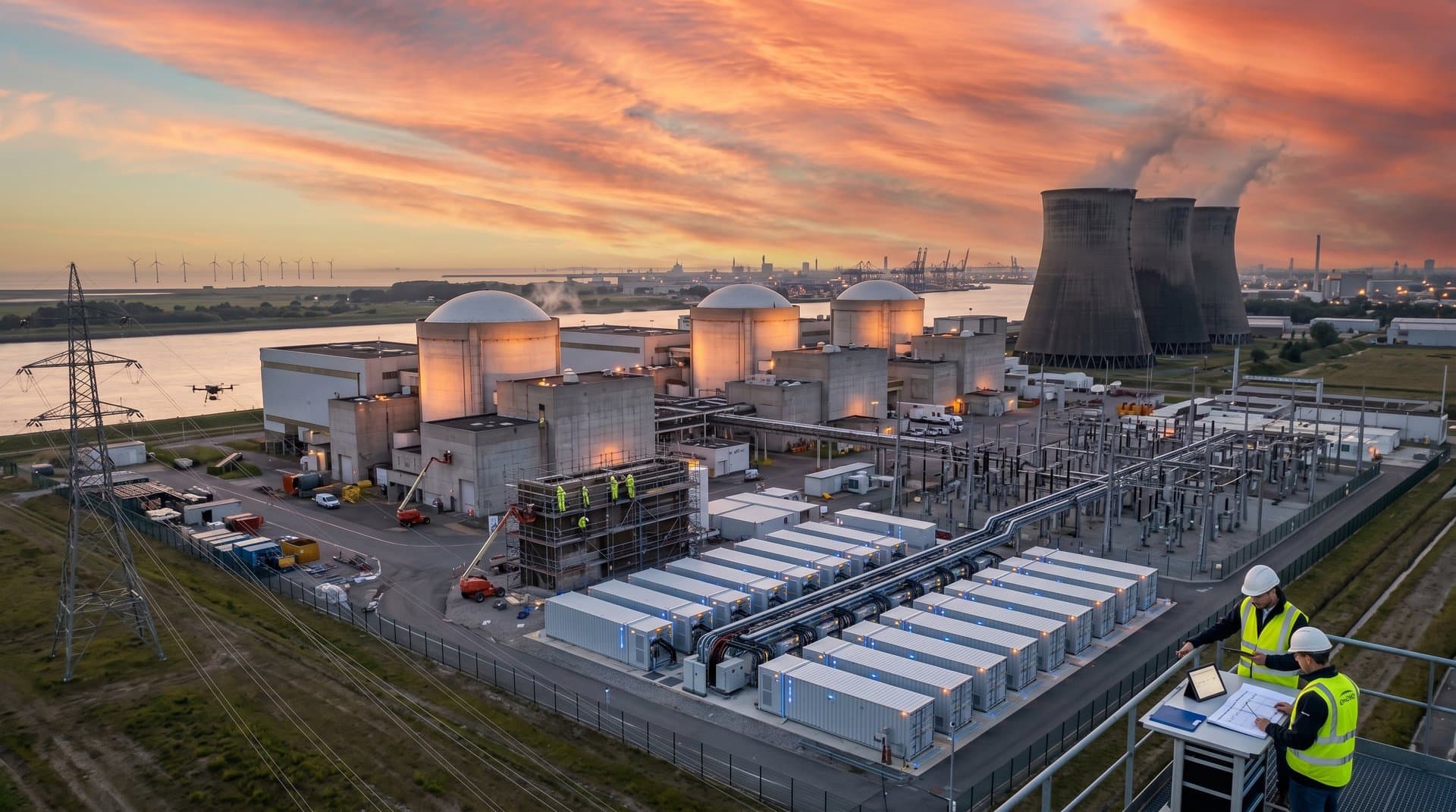
Norway hit 99.2% renewables with hydropower and offshore wind. Equinor commissioned 800 MW/3.2 GWh lithium-ion BESS at Hywind Tampen offshore wind farm on April 10, 2026. Wind curtailment dropped 22%; capacity factors reached 95%.
"Norway's 1 GW storage pipeline ensures 24/7 wind dispatch," said Seb Henbest, head of Europe, BloombergNEF (BNEF). EU grants covered €2.1 billion ($2.3 billion USD) capex. Storage arbitrage generates 8% internal rate of return (IRR).
Lithium supply chains from Australia supported deployment, with LFP cathodes reducing costs 15% versus NMC.
Paraguay, Costa Rica Add 2.8 GWh Solar-Hydro Storage
Paraguay generated 99.9% renewables from hydro. ANDE deployed 400 MW/1.6 GWh BESS at Itaipú dam on April 8, 2026. The system eliminates drought-induced shortages.
Costa Rica achieved 99.2% renewables via geothermal and solar. ICE commissioned 300 MW/1.2 GWh BESS at Reventazón on the same date. "Storage unlocks 20% more hydro output," said Marco Vinicio González, renewables director, ICE (ICE).
Latin America tenders increased 35%; Inter-American Development Bank (IDB) provided $1.2 billion financing. LCOS hit $50/kWh.
Albania, Kenya Deploy 3 GWh Solar-Geothermal Batteries
Albania produced 99.4% renewables from hydro. KESH installed 250 MW/1 GWh floating solar-storage hybrid at Vau i Dejës reservoir on April 12, 2026. Output rose 15%.
Kenya reached 99.3% renewables with geothermal. KenGen launched 500 MW/2 GWh BESS at Olkaria fields. "Battery dispatch matches solar peaks," said Rebecca Miano, chair, KenGen (KenGen). RTE reaches 90%.
African Development Bank reports $800 million inflows; annual curtailment savings hit $120 million.
Uruguay Deploys 7 GWh Iron-Air LDES
Uruguay generated 99.1% renewables from wind. UTE commissioned 350 MW/7 GWh iron-air long-duration energy storage (LDES) at Artilleros wind farm on April 11, 2026. Supports 100-hour discharge.
"Uruguay's 40% wind penetration requires 10 GWh LDES by 2028," said Nathan Judson, head of Americas, BloombergNEF (BNEF). Costs fell to $60/kWh LCOS; grid stability improved 28%.
Iron-air avoids lithium supply risks, using abundant iron from domestic sources.
Policies Fuel Renewables Grid Storage Surge
EU Battery Regulation (EU) 2023/1542 mandates 30% storage in renewable bids. US Inflation Reduction Act (IRA) tax credits deployed 5 GW BESS. China aims for 50% renewables backed by 20 GWh storage.
Global storage capacity reached 250 GW operational by April 13, 2026. Annual deployments hit 100 GW (IEA). YieldCos deliver 7-9% dividends.
Renewables Grid Storage Ensures Reliability
These countries log 99.99% grid uptime. Storage reduces frequency deviations 40%; blackstart capability activates in 15 minutes.
"99% renewables prove viable with storage," said Dave Jones, CEO, Ember (Ember). Renewables grid storage costs decline 20% annually. Policy reforms could lift 20 more countries above 90% renewables by 2030.