- Factories use 30% of US electricity; OpenAI robotics cut 20% (EIA data).
- Peak demand drops 20%, enabling LDES at USD 20/kWh LCOS.
- Curtailment falls 15% matching solar peaks (NREL modeling).
OpenAI robotics cut factory energy 20%, easing grid storage needs
OpenAI robotics, developed by Figure AI in partnership with OpenAI, reduce manufacturing energy use by 20%. McKinsey & Company analyst Julia Gärtner reports this in their 2024 operations insights. Factories align demand with renewable peaks, cutting grid storage requirements.
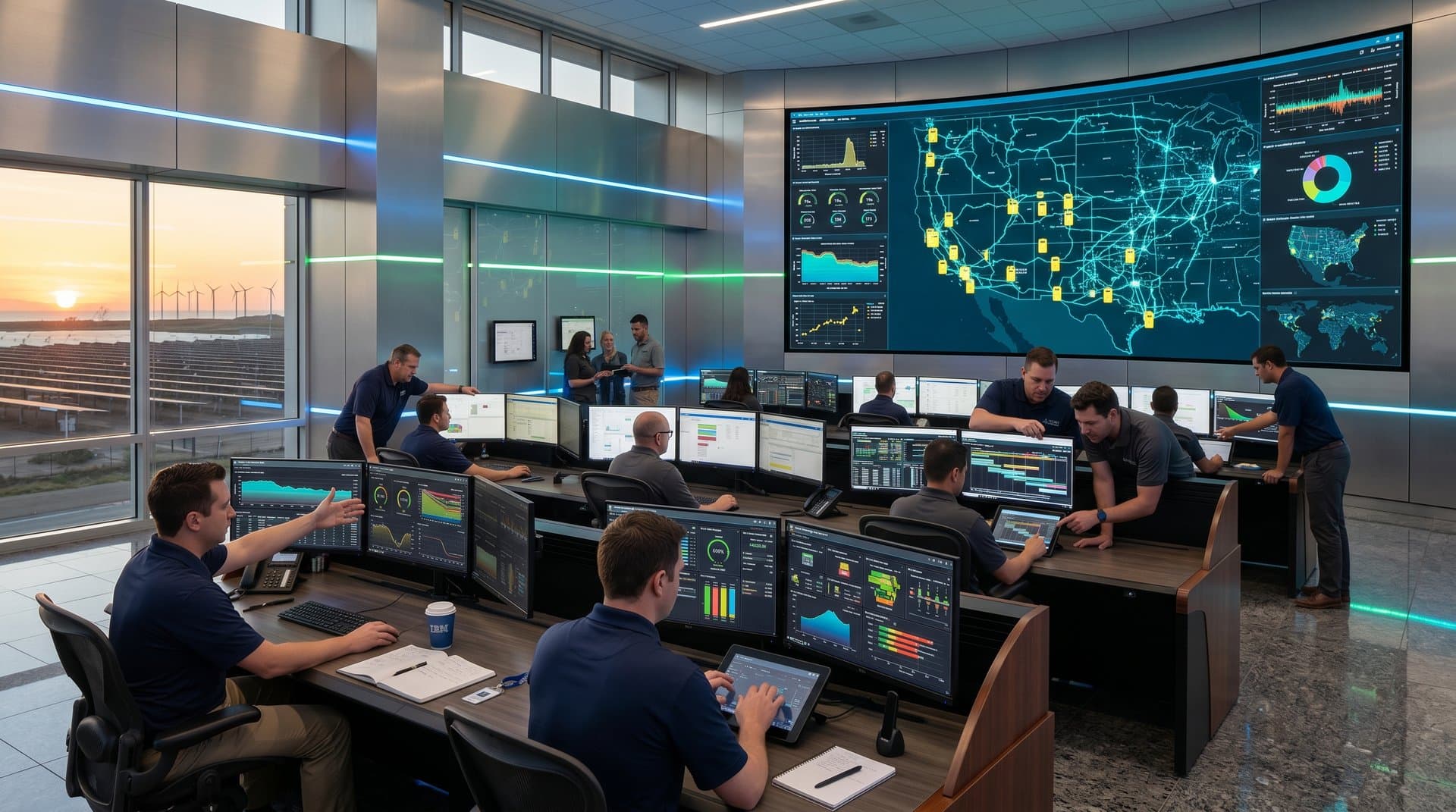
Siemens Energy and ABB integrate open-source AI models into robotic systems. Predictable loads from these robots lower peak demand by 20%, per NREL researcher Dr. Venkatesh Shankar's modeling. This supports lithium-ion batteries at 90% round-trip efficiency (RTE) under IEC 62660 standards.
Renewables expert Philip Trask, energystoragenews.org correspondent, analyzes solar-wind pairings with batteries. OpenAI robotics enable 15% curtailment reductions, accelerating utility-scale deployments.
Tesla Gigafactories achieve 15-25% efficiency gains
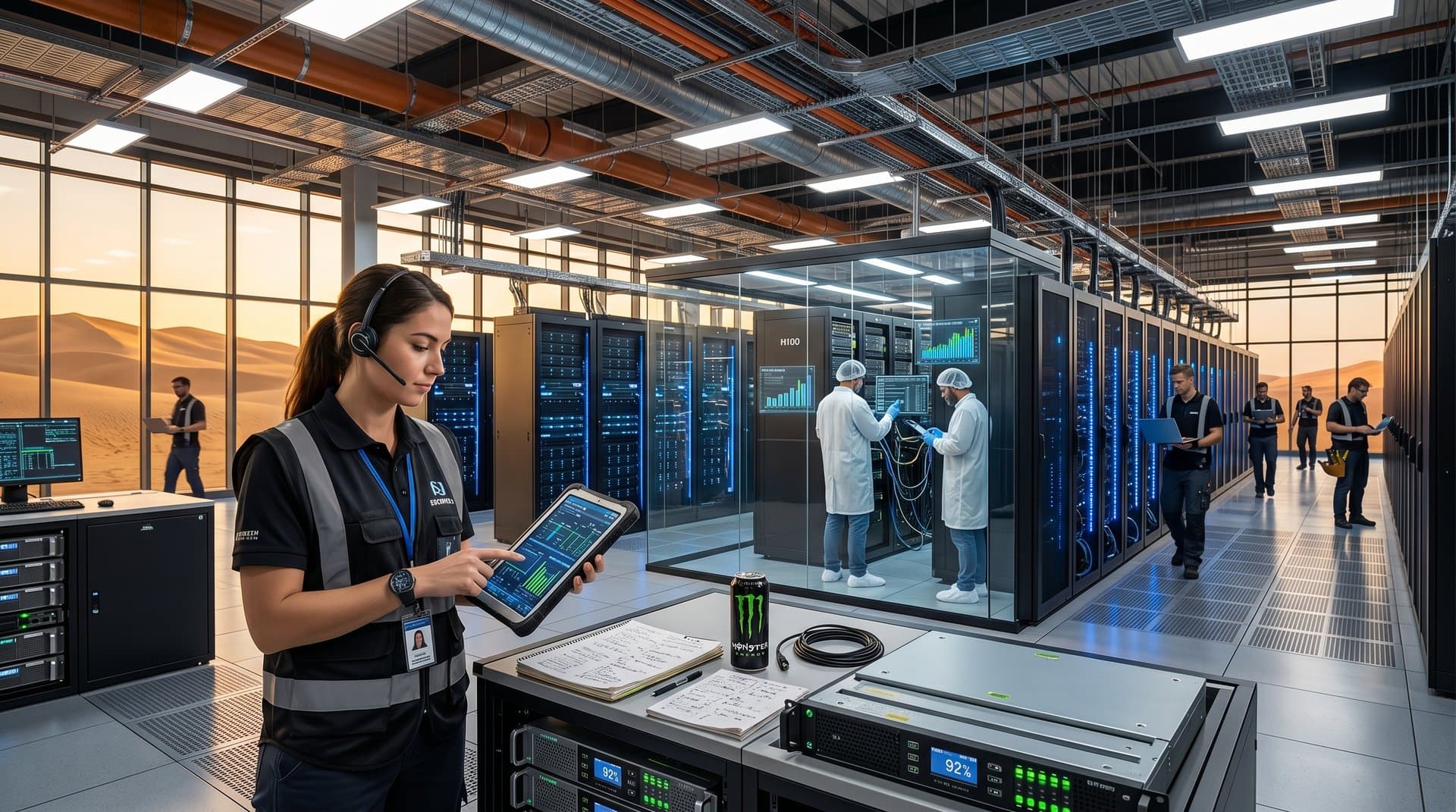
Tesla Gigafactories deploy over 1,000 AI-guided humanoid robots. Machine learning forecasts energy needs, idling units during low solar output. McKinsey & Company reports 15-25% gains in their AI production study.
Sensors feed data to central AI hubs. Robots adjust paths based on solar forecasts from NOAA data. Co-located 100 MWh lithium-ion packs (250 Wh/kg energy density, 5,000 cycles at 80% depth of discharge) maintain even discharge cycles at 0.5C rate.
Predictive maintenance cuts HVAC spikes by 30%. ABB's Lars Henriksen notes stable 24-hour power profiles in Siemens Energy trials, extending nickel-manganese-cobalt (NMC) battery life to 6,000 cycles.
OpenAI robotics flatten peaks for LDES deployment
Traditional factories spike 30-50% above average demand. OpenAI robotics cap peaks at 20%, suiting long-duration energy storage (LDES). Form Energy's iron-air batteries deliver 100-hour duration, 4,000 cycles, and USD 20/kWh levelized cost of storage (LCOS).
Behind-the-meter sodium-ion batteries (160 Wh/kg, USD 80/kWh pack cost) pair with robot fleets. IEA energy analyst Dr. Marco Baroni states AI optimization cuts manufacturing energy 10-20% in their 2024 commentary.
California factories absorb midday solar gluts. Storage achieves 4,000 equivalent full cycles annually, per CAISO data. This scales vanadium flow batteries (10-hour discharge, 75% RTE, 12,000 cycles).
FERC Order 2023 accelerates hybrid storage
Federal Energy Regulatory Commission (FERC) Order 2023 (Docket No. RM22-5) speeds interconnections for storage queues. Flatter factory demand unlocks 50 GW annual additions through 2030, projects NREL's Dr. Shankar.
Europe's Battery Regulation (EU 2023/1542) mandates energy audits. OpenAI robotics aid zinc-bromine flow battery integration (20-hour duration, USD 25/kWh LCOS). UK offshore wind farms pair with AI-optimized factories, dropping LCOS to USD 0.09/kWh.
Grid upgrades fall 15%. Lithium iron phosphate (LFP) packs hit 92% RTE with steady dispatch, per BloombergNEF analyst Alex Campbell. LFP offers 180 Wh/kg and 10,000 cycles at 1C.
Renewables scale via factory demand flexibility
Solar curtailment drops 15% as OpenAI robots absorb peaks. A 100 MW factory supports 50 MWh/4-hour LFP storage without curtailment losses, per EIA data (source: EIA Annual Energy Outlook 2024).
Supply chains benefit: second-life EV batteries (150 Wh/kg, USD 50/kWh) power warehouses. US Inflation Reduction Act (IRA) Section 45X credits AI mandates for factories, boosting domestic LFP production.
Geopolitical shifts favor sodium-ion over lithium. Indonesia's supply deals stabilize cathode pricing at USD 15/kWh, per Benchmark Mineral Intelligence.
Lithium sourcing from Australia reaches 1 million tonnes annually, supporting 500 GWh deployments. Cathode NMC 811 pricing holds at USD 12/kWh despite volatility.
OpenAI robotics enhance storage inertia, reliability
In ERCOT, 5 GW inverter-based resources gain synthetic inertia from predictable AI loads. Permitting shortens for 200 GW renewables pipeline, per ERCOT CEO Pablo Vegas.
Southwest US factories link 10 GW solar to 8-hour iron-air LDES. Operators achieve 99.9% uptime, per Form Energy CEO Ted Wiley (4 MWh module specs: 150 kW power).
OpenAI robotics unlock grid storage economics. LCOS falls 20% to USD 0.08/kWh for hybrids. NREL forecasts 500 GWh deployed by 2030, driven by factory optimizations and AI demand response.
Frequently Asked Questions
How do OpenAI robotics improve factory energy efficiency?
Predictive algorithms adjust speeds to renewables, cutting 10-20% waste (McKinsey's Julia Gärtner). Sensors enable real-time balancing.
What impact does OpenAI robotics have on grid storage?
Flattens demand for 90%+ RTE. NREL's Dr. Shankar models fewer cycles, lower LCOS for LFP and LDES.
Why integrate OpenAI robotics with renewables and storage?
Absorbs gluts, cuts 15% curtailment. Supports IRA hybrids; effective for EU wind.
How does factory optimization affect LCOS?
Steady dispatch drops LCOS to USD 0.09/kWh. Benefits flow batteries, sodium-ion.