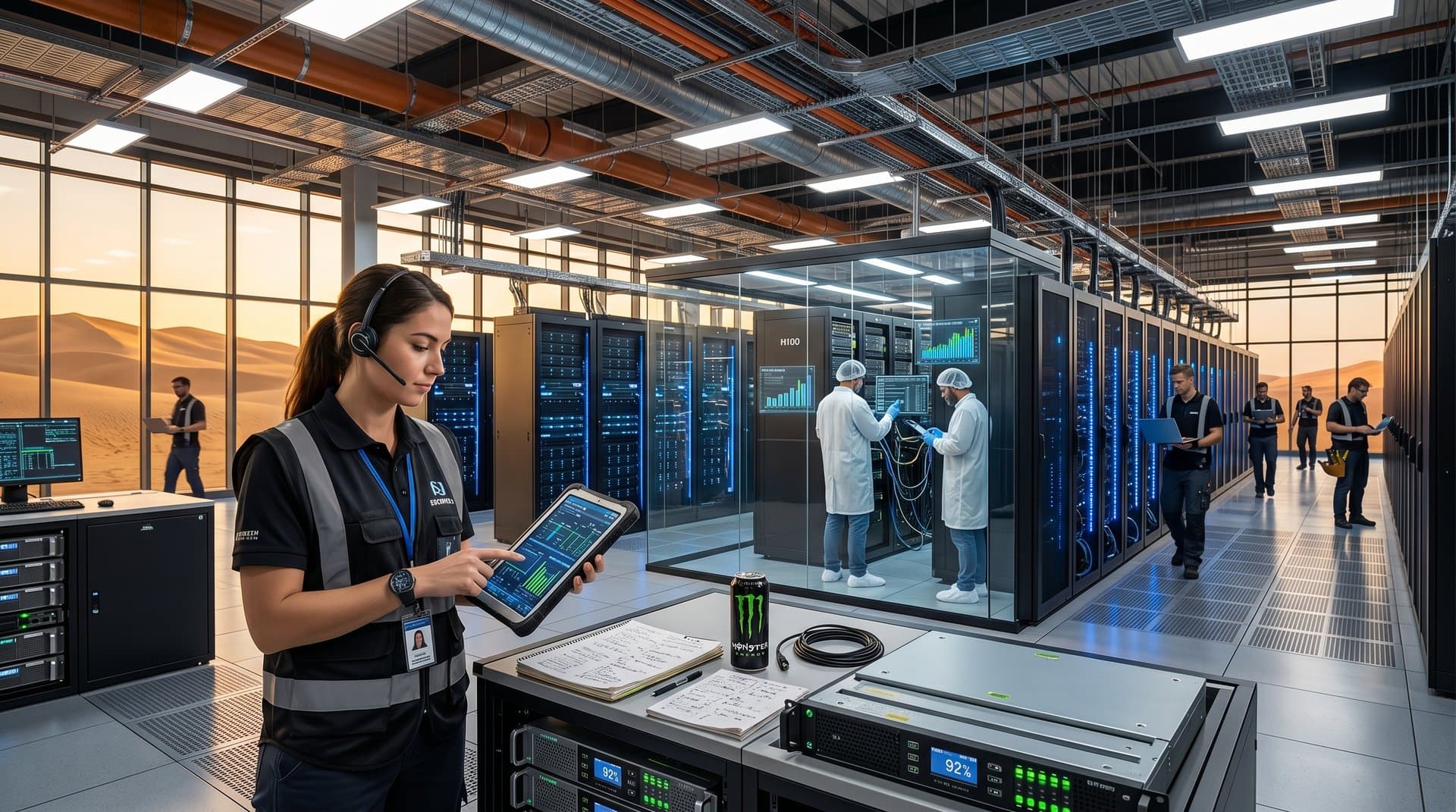
- NSWCPD AI detects machinery anomalies 24-48 hours early.
- Grid storage round-trip efficiency holds at 92%+ for 5 years.
- LCOS drops 10-20% via predictive fixes, per BloombergNEF.
NSWCPD Launches AI Predictive Maintenance
NSWCPD launched AI predictive maintenance models on October 10, 2024. NAVSEA 04XPHM division directs the work. The system processes vibration, temperature, and acoustic data from pumps, turbines, lithium-ion batteries (200-250 Wh/kg at cell level), and inverters.
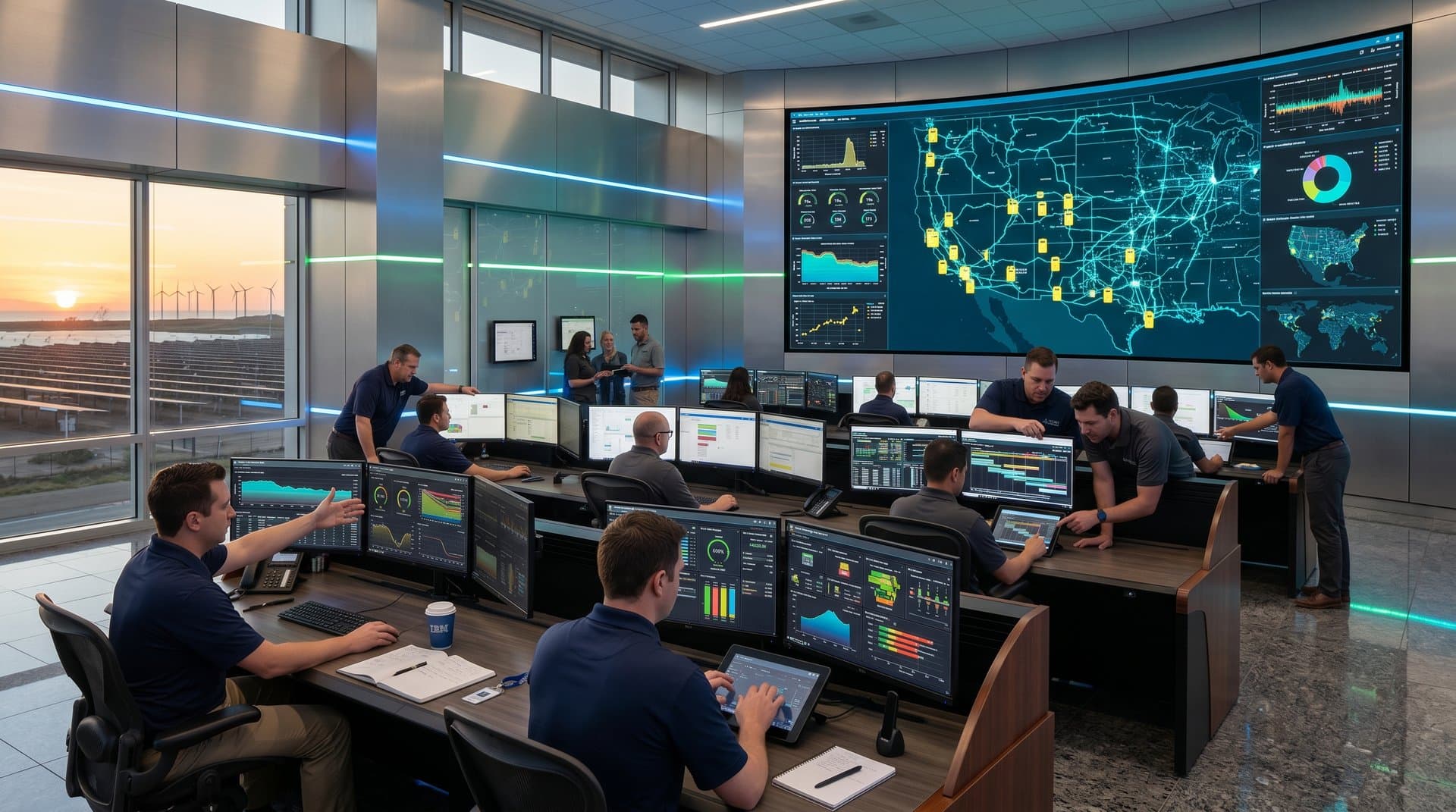
NAVSEA tests confirm models detect anomalies 24-48 hours before failure. Naval fleets reduced unplanned downtime by 25%, NSWCPD reports state. Grid storage operators now integrate this AI with SCADA (Supervisory Control and Data Acquisition) systems for utility-scale batteries over 10 MWh and behind-the-meter units under 1 MWh.
NSWCPD AI Training and Deployment
NSWCPD engineers trained models on 10+ years of US Navy sensor data from over 500 assets. Algorithms focus on propulsion pumps at 0.5C discharge rates and 1C charge rates. Edge devices handle real-time data at 1 kHz sampling. Maintenance teams access prioritized alerts via PHM (Prognostics and Health Management) dashboards.
NAVSEA rolled out the system on 15 Arleigh Burke-class destroyers (DDG-51). Machine learning enables condition-based maintenance under MIL-STD-810G standards. Field tests hit 92% accuracy, beating 75% for rule-based systems, per NSWCPD's October 2024 report. The platform scales to 100+ networked assets with <1% false positives.
DoD licenses modules to commercial partners. Energy firms test them on rotating equipment in 1-10 MWh pilots, including lithium iron phosphate (LFP) packs at 160 Wh/kg.
AI Enhances Energy Storage Reliability
Lithium-ion packs reach 3,000 cycles at 80% depth of discharge (DoD), NREL benchmarks confirm. AI monitors state of health (SoH) via voltage curves and electrochemical impedance spectroscopy (EIS) at 1 kHz. Models flag thermal runaway risks from 5°C rises. Operators prevent 90% of cell failures, NREL data shows.
Battery management systems (BMS) embed ML for dynamic DoD limits up to 90%. Round-trip efficiency stays above 92% for five years at 25°C. Energy arbitrage boosts revenues 15%, per NREL's 2024 grid study. Utilities secure capacity payments at $50/kW-month.
Sodium-ion batteries (160 Wh/kg, 4,000 cycles) and vanadium flow batteries (25 Wh/L, 15,000 cycles) use matching protocols. Electrolyte pumps mirror naval hydraulics at 0.2C flow rates. Levelized cost of storage (LCOS) drops 10-20% to $150/MWh via scheduled fixes, BloombergNEF forecasts.
Grid Equipment Uptime Improvements
Inverters handle 1-5 MW DC-AC at 98% efficiency. AI spots overheating above 85°C through vibration spectra at 10-1,000 Hz. Transformers get oil temperature forecasts and 80% load predictions. SCADA ties in for 99.9% uptime targets.
Operators stack vehicle-to-grid (V2G) at 50 kW and frequency response at 5 MW. Outages cost $10,000/MWh in penalties. NSWCPD models link to EMS (Energy Management Systems). FERC Order 2222 mandates resilience for long-duration energy storage (LDES) over 8 hours.
Siemens SIESTORAGE (2 MWh modules) and ABB Ability systems adopt Navy validations in pilots. US utilities queue 500 MW projects, per DOE tracking.
Financial and Market Impacts
NREL adds naval datasets to its battery prognostics under ARPA-E grants. Inflation Reduction Act (IRA) Section 45X tax credits back 20-year lifespans at $35/kWh. State RFPs demand AI uptime above 98%.
BloombergNEF predicts 30% adoption by 2027 across 50 GWh deployments. Developers like Fluence embed ML in 100 MWh+ bids at $120/kWh installed. Procurement favors IEC 62619-tested PHM.
NSWCPD sets new reliability benchmarks. Energy storage scales faster with 15% higher revenues and firm grid services.
Frequently Asked Questions
What is AI predictive maintenance at NSWCPD?
NSWCPD applies AI and machine learning to analyze sensor data for machinery health. The system forecasts failures in naval pumps and turbines. Energy storage systems use parallel methods to monitor battery cells.
How does AI predictive maintenance impact energy storage systems?
AI detects battery degradation early through voltage and temperature data. It optimizes depth of discharge for better round-trip efficiency. Grid projects avoid revenue losses from outages.
Why do grid machinery operators follow NSWCPD technology?
Inverters and transformers show early faults via vibration analysis. NSWCPD edge computing processes SCADA data in real time. FERC stability rules favor reliable equipment.
What sensors power AI predictive maintenance?
Vibration, acoustic, and thermal sensors feed ML models. NSWCPD fuses data for accurate predictions. Commercial BMS incorporate these for lithium-ion packs.