- AI extends Li-ion cycles to 6,000, cutting LCOS to $120/MWh.
- NREL confirms 20% degradation reduction via 1% SOC accuracy.
- Fluence AI stabilizes 200 MW grids under FERC Order 2222.
Mindmatters.ai Part 7 AI Review spotlights machine learning tools that extend lithium-ion battery lifecycles by 20-30%. These predict state-of-charge (SOC) within 1% accuracy using data from 18650 cells. NREL tests confirm 20% less degradation. NREL AI battery prediction (2024).
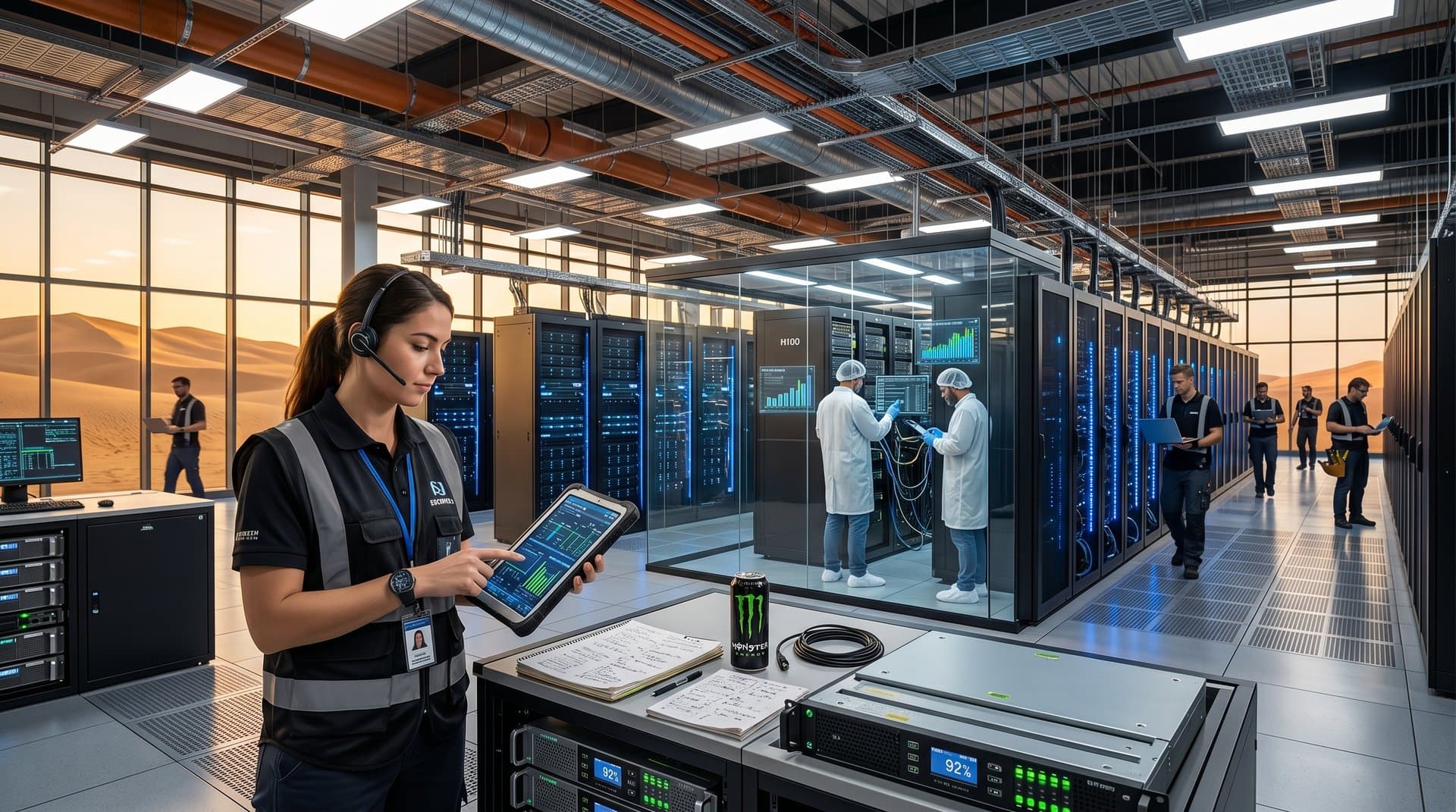
Developers deploy AI digital twins to forecast end-of-life 6-12 months early. CATL integrates them into 1 GWh production lines. Round-trip efficiency (RTE) reaches 92% at 0.5C discharge rates. Reinforcement learning optimizes load balancing across packs.
Battery Lifecycle Optimization via AI
AI models analyze voltage curves, temperatures from 20-40°C, and impedance from cell sensors. They predict capacity fade from SEI (solid electrolyte interphase) layer growth above 80% SOC. Operators adjust charge currents dynamically. Cycles extend to 6,000 at 80% depth-of-discharge (DoD). DOE AI energy storage (2024) funds IRA-compliant projects. LCOS falls to $120/MWh for 4-hour systems, per BloombergNEF.
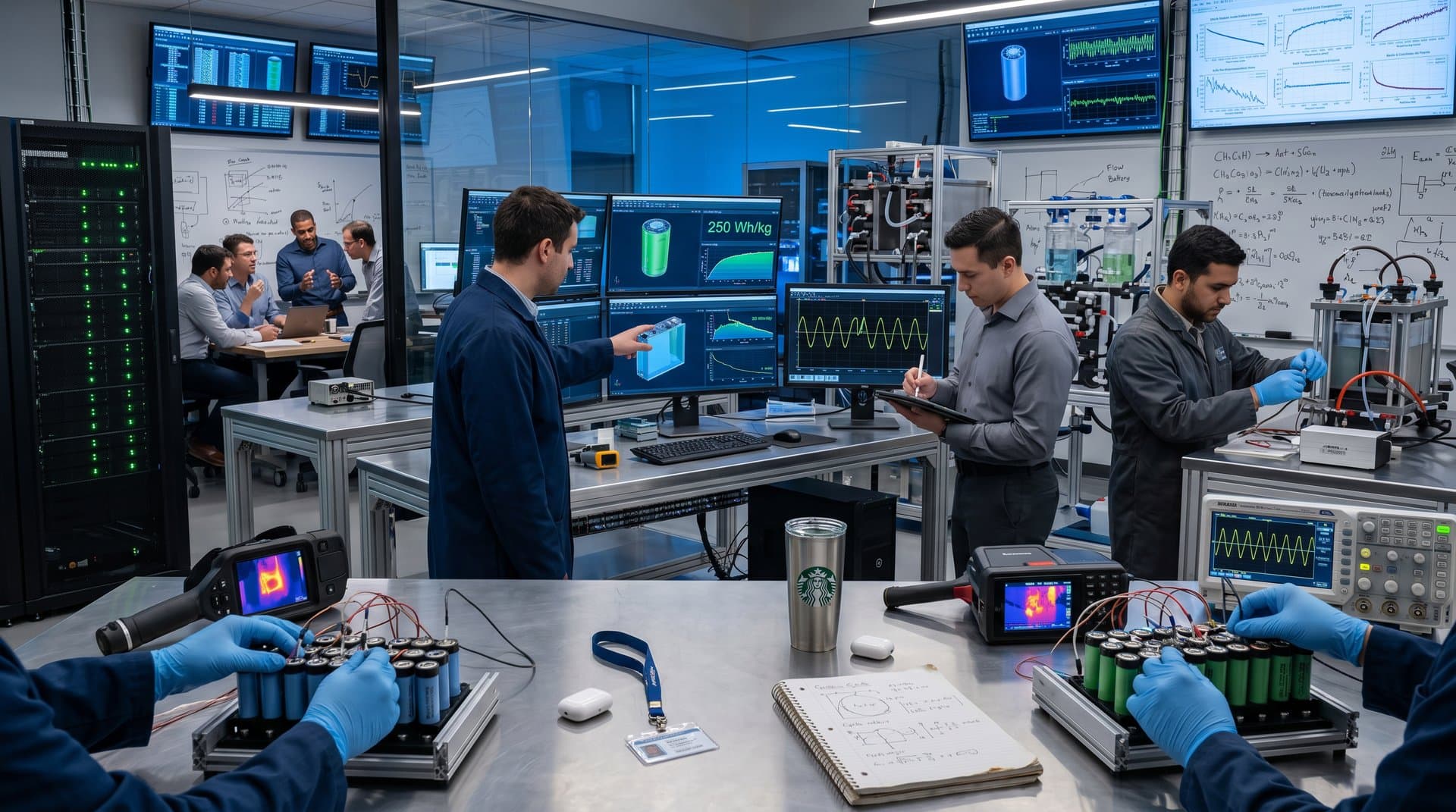
Li-ion batteries deliver 250 Wh/kg gravimetric density and 650 Wh/L volumetric density. They retain 80% capacity after 6,000 cycles. AI cuts calendar aging by 25% with precise thermal management at 25°C. NREL's Dr. Ramanathan Venkatasubramanian validated gains in lab tests on pouch cells under IEC 62660 standards.
- Chemistry: Li-ion · Wh/kg: 250 · Wh/L: 650 · Cycles (80% DoD): 6,000 · LCOS ($/MWh, 4h): 120
- Chemistry: LFP · Wh/kg: 180 · Wh/L: 450 · Cycles (80% DoD): 8,000 · LCOS ($/MWh, 4h): 110
- Chemistry: Sodium-ion · Wh/kg: 160 · Wh/L: 350 · Cycles (80% DoD): 5,000 · LCOS ($/MWh, 4h): 90
Flow batteries gain too. Vanadium redox flow achieves 85% RTE. AI forecasts electrolyte corrosion in iron-air pilots, supporting 100-hour duration. Mindmatters.ai profiles GitHub frameworks for long-duration energy storage (LDES) chemistries. Pilots cut downtime 25%, per NREL data.
Grid Stability Gains from AI Tools
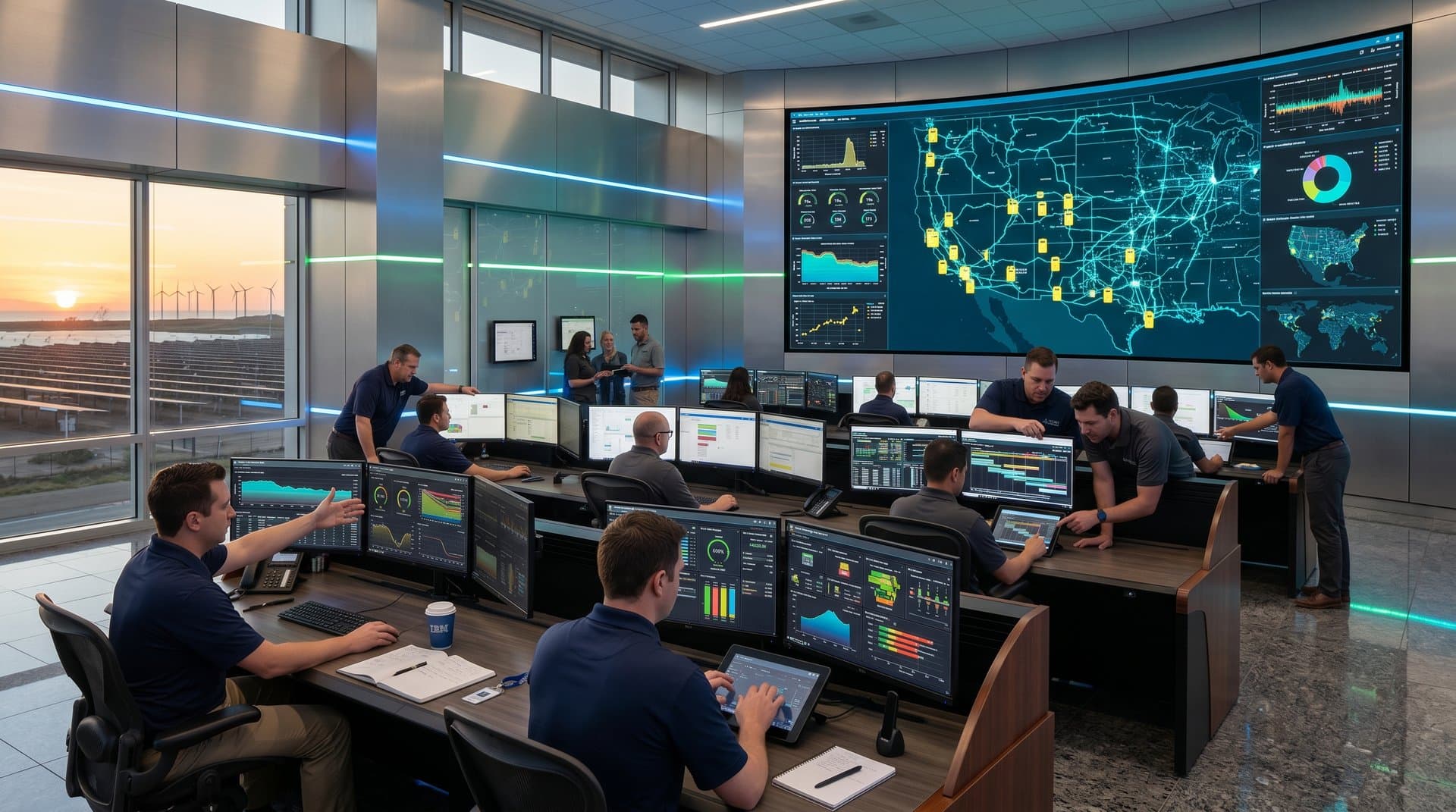
AI predicts solar output via satellite imagery. It dispatches 200 MW Fluence sites preemptively to maintain 60 Hz frequency. Projects comply with FERC Order 2222. IEA AI energy couple (2024) forecasts 15 GW APAC deployments by 2025.
Edge AI in SonnenBatterie home systems maximizes self-consumption. It shaves 30% off peak demand. California NEM 3.0 ties incentives to these performance metrics. EU AI Act mandates explainable models for grid ops.
Fluence's Mosaic platform delivers 99.9% uptime in 500 MWh projects. It integrates 10 GW renewables. Optimized cycling saves $15/kW-year. Texas ERCOT pilots use AI for 5 GW storage under SB 6 mandates.
Financial Impacts on Storage Projects
Mindmatters.ai Part 7 AI Review benchmarks neural networks against Kalman filters. Multi-physics simulations excel on 250 Wh/kg Li-ion baselines. Section 45X credits reward LCOS under $150/MWh. Developers report 20% opex cuts.
China's CATL leads with 57 GWh annual capacity and AI integration. US ARPA-E grants narrow gaps. FERC Docket No. RM22-15 opens 4-hour LDES markets. Sodium-ion AI models mitigate dendrite risks, targeting 160 Wh/kg at $50/kWh.
LCOS breakdown: Li-ion $120/MWh (4-hour, 92% RTE), flow $140/MWh (8-hour, 85% RTE). AI predictive maintenance slashes opex 20%. Supply chain gains include 15% less lithium via optimized charging protocols.
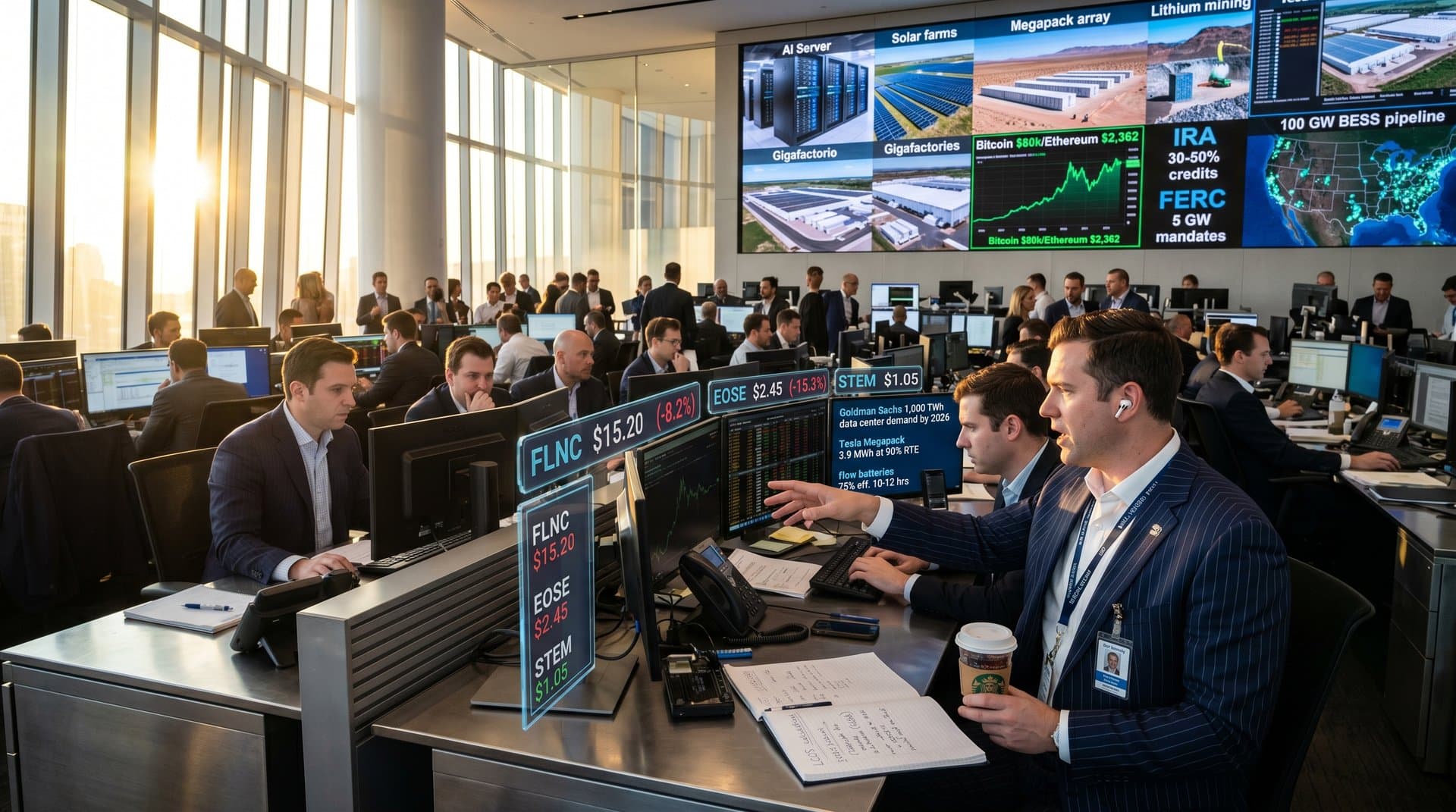
BloombergNEF projects global storage reaches 1 TWh by 2030. AI tools lower capex by extending asset life 20%.
Policy and Supply Chain Context
IRA tax credits favor AI at 90% RTE thresholds. Horizon Europe allocates €500 million for flow pilots. Challenges include data scarcity for novel cells and NIST SP 800-53 cybersecurity standards.
Geopolitics drive adoption. US Section 301 tariffs on Chinese cathodes spur domestic NMC scaling. IEA reports AI reduces cobalt use 30% in LFP chemistries. Lithium spot prices fell to $12,000/t in Q3 2024 (S&P Global).
CATL's Shanghai 1 GWh line commissions Q4 2024 with AI twins. Fluence's 200 MW Utah project deploys Mosaic for 4-hour duration. Developers verify tools against IEC 62660-1 cycling standards.
Mindmatters.ai Part 7 AI Review equips teams for 2030 grid mandates. Energy storage scales to 1 TWh globally by 2030, per BNEF, with AI ensuring reliability.
Frequently Asked Questions
What does Mindmatters.ai Part 7 AI Review cover for battery lifecycles?
Spotlights ML tools predicting SOC within 1% and capacity fade. Extends cycles to 6,000 via dynamic current control. Lowers LCOS to $120/MWh per DOE data.
How does AI improve grid stability in energy storage?
Forecasts renewables, dispatches assets for 60 Hz. Supports Fluence 200 MW sites under FERC 2222. IEA projects 15 GW APAC growth.
What role does AI play in energy storage policy compliance?
Qualifies IRA 45X credits at 90% RTE. Meets NEM 3.0 and Texas SB 6 mandates. EU AI Act requires explainability.
Which AI tools does Mindmatters.ai Part 7 AI Review recommend?
Benchmarks neural networks over Kalman filters for electrochemistry sims. GitHub frameworks suit LDES like flow batteries.