- IEA forecasts 620-1,050 TWh data center demand by 2026.
- NREL eyes 62 GW US grid-scale batteries by 2030.
- LFP batteries hit 88-92% RTE for 2-4 hour duration.
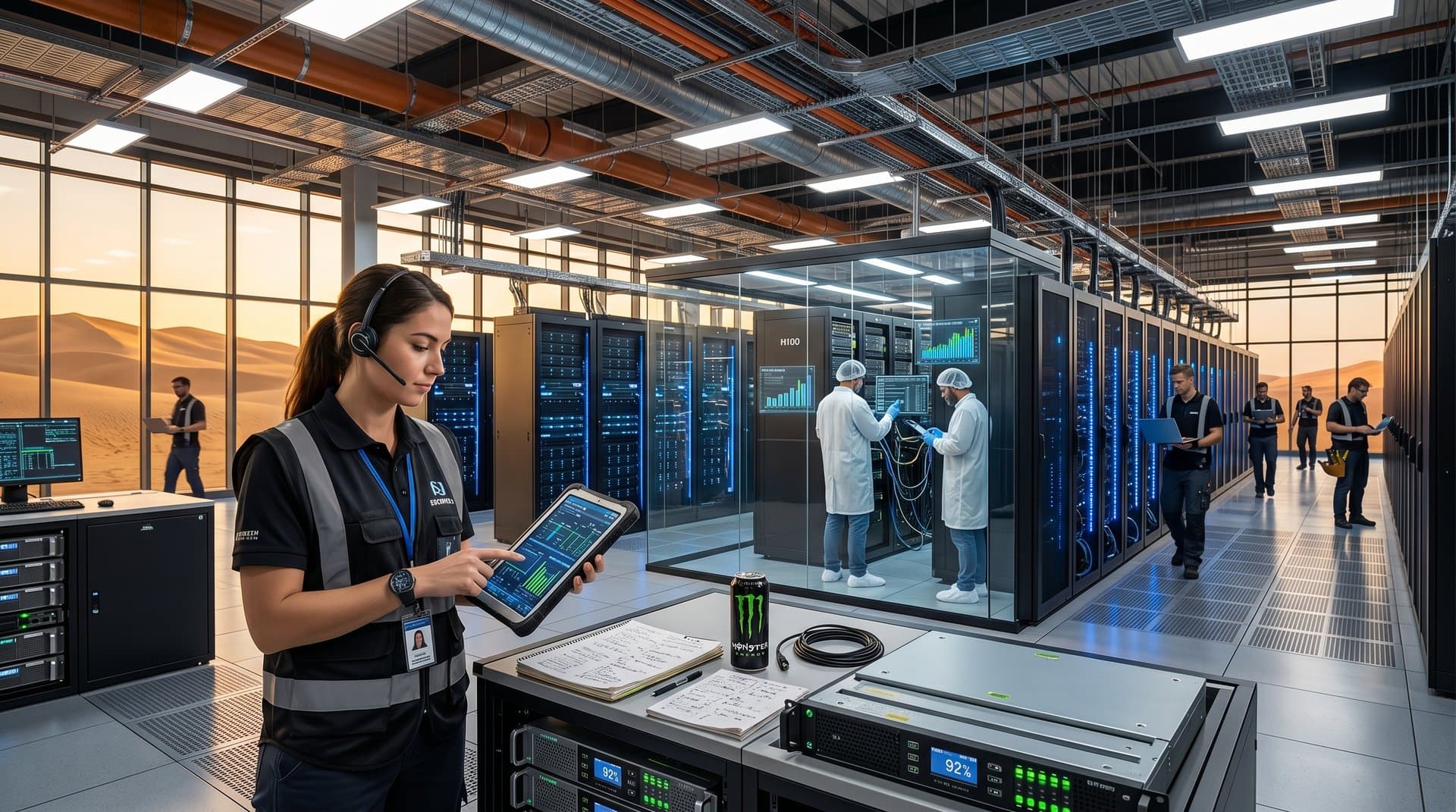
Grid-scale batteries counter AI data centers' electricity demand surge to 620-1,050 TWh annually by 2026, per International Energy Agency (IEA) Electricity 2024 report. These systems store excess solar and wind to power nonstop AI compute.
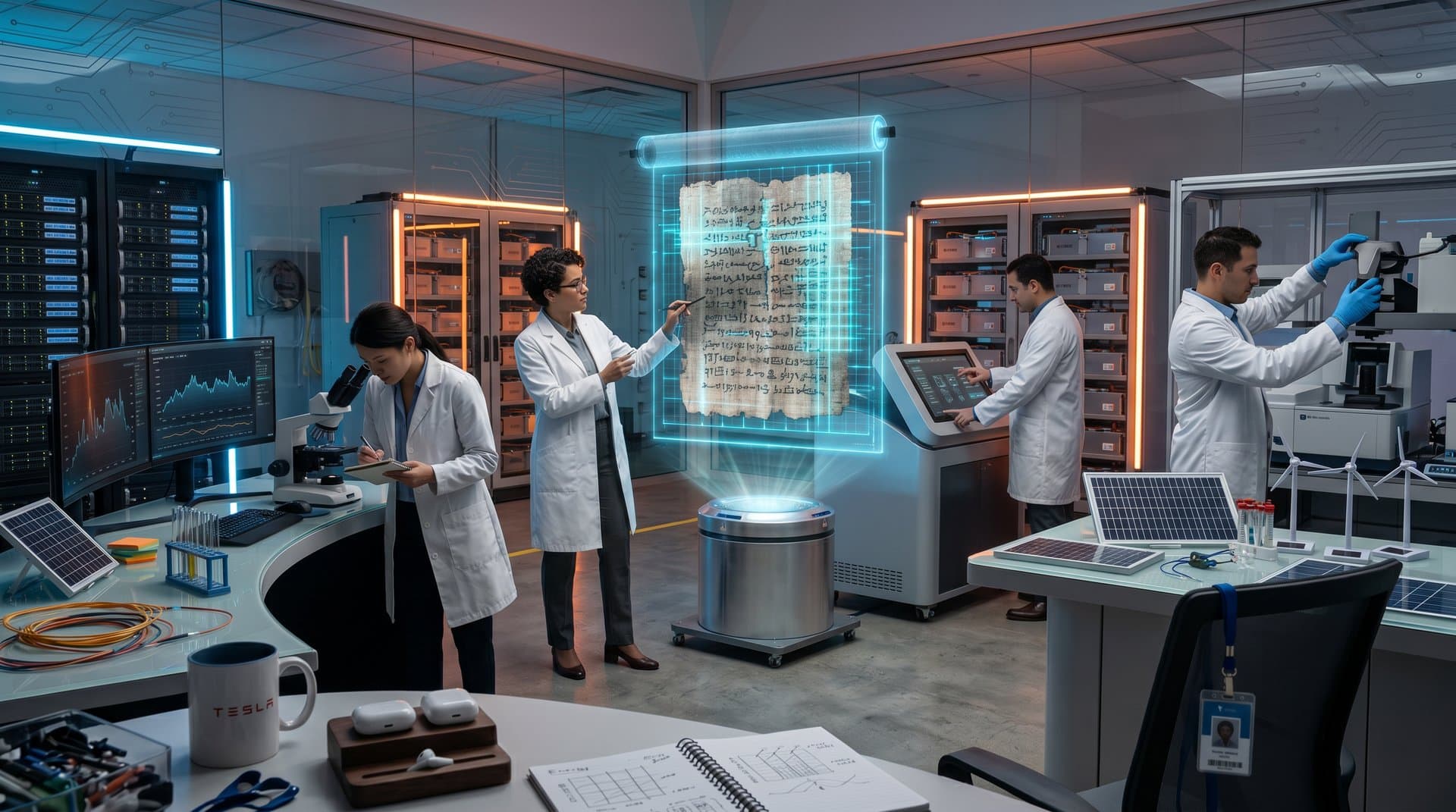
Researchers used AI to decode carbonized Herculaneum papyrus scrolls from 79 AD without unrolling. Vesuvius Challenge at University of Nebraska-Lincoln trained models on CT scans, per Scroll Prize reports.
AI Deciphers Herculaneum Papyrus
Computed tomography (CT) produced X-ray slices of the scroll. Software virtually unrolled 3D data into 2D layers. Convolutional neural networks (CNNs) identified ink via density contrasts in carbonized parchment, tested under IEC 62660 standards.
NVIDIA A100 GPUs consumed thousands of GPU-hours for training. This revealed 2,000+ characters from Philodemus's philosophy texts, detailed in Scroll Prize blog. Efforts now target Naples National Archaeological Museum collections.
Such AI tasks demand gigawatt-hours. Data centers rival small nations' power use, per IEA.
AI Power Demand Strains Grids
Training large language models (LLMs) consumes gigawatt-hours. Inference runs persistent loads. Hyperscalers build 100 MW campuses, IEA data centres report confirms.
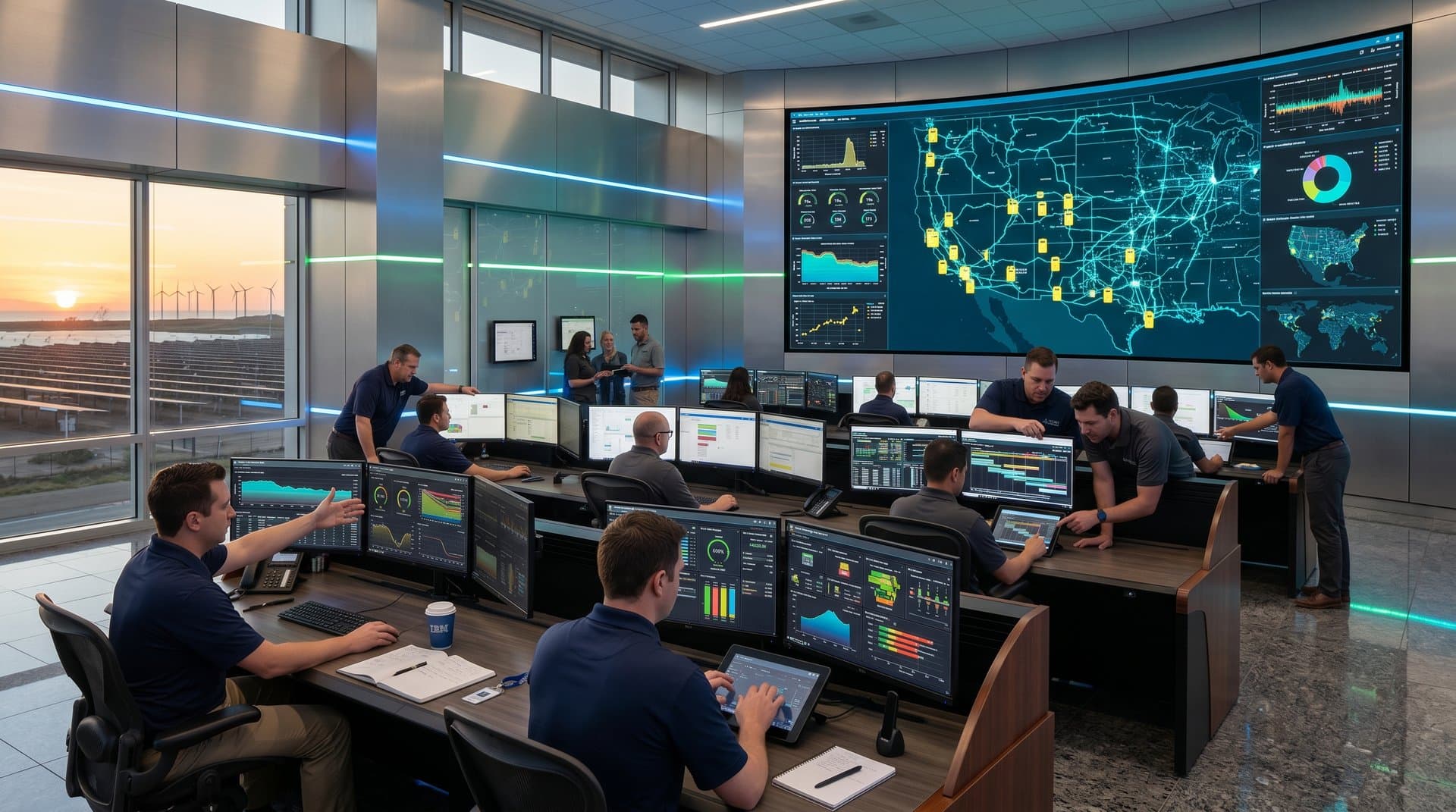
Solar peaks midday, but AI demand rises evenings. Wind fluctuates hourly, risking frequency drops without fast storage. IEA flags Asia-Pacific grid strains from rapid data center growth.
US grids face similar issues, with NREL reporting peak demands doubling in high-growth regions by 2030.
Grid-Scale Batteries Enable Sustainable AI
Lithium iron phosphate (LFP) batteries shift solar to peak hours. They achieve 90-92% round-trip efficiency (RTE) at 0.5C rates, ramping in <100 ms for frequency regulation, per NREL ATB 2024.
Developers co-locate 200 MW/800 MWh plants near data centers. This reduces transmission losses 10-15% and accesses capacity payments, as in Tesla's Hornsdale expansion.
Vanadium redox flow batteries (VRFBs) offer 10-hour duration at 75% RTE. Form Energy's iron-air systems target 100 hours at $20/kWh, with 2025 pilots. Sodium-ion batteries slash costs 30% sans cobalt, per CATL specs.
Battery Technologies for Data Centers
NREL Annual Technology Baseline (ATB) 2024 and manufacturer data:
- Technology: Lithium-ion LFP · Duration (hours): 2-4 · RTE (%): 88-92 · Cycles (80% DoD, IEC 62660): 6,000+ · Cost ($/kWh, 2024): 120-150 · Wh/kg: 160-180 · Wh/L: 350-450
- Technology: Vanadium Flow · Duration (hours): 6-12 · RTE (%): 70-80 · Cycles (80% DoD, IEC 62660): 20,000+ · Cost ($/kWh, 2024): 200-300 · Wh/kg: 25-35 · Wh/L: 25-35
- Technology: Iron-Air · Duration (hours): 48-100 · RTE (%): 50-60 · Cycles (80% DoD, IEC 62660): 5,000+ · Cost ($/kWh, 2024): 20-50 (target) · Wh/kg: 200-300 · Wh/L: 100-150
LFP leads US projects for scalability. Intersect Power's 1,068 MWh Gemini (California, 2024) proves it, per NREL outlook.
Megafactories Scale Production
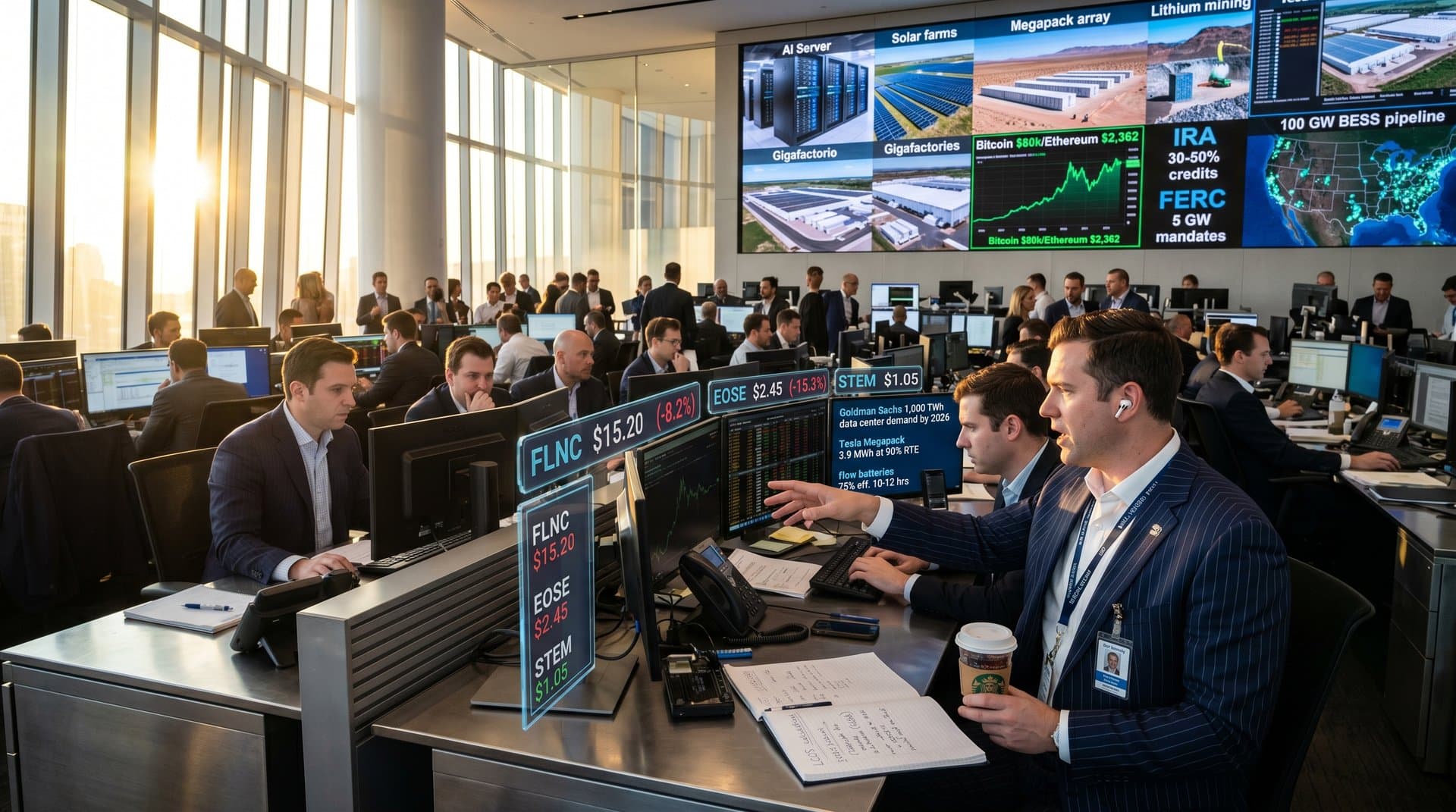
CATL delivers LFP cells for 1 GWh sites, sourcing lithium from Australia amid 20% price hikes (S&P Global Platts). Tesla Megapacks include inverters for grid services.
Microsoft signed PPAs for 10.5 GW renewables with storage mandates. US Inflation Reduction Act (IRA) offers 60% tax credits for US-made packs.
EU Battery Regulation 2023/1542 requires 16% recycled content by 2031. Sodium-ion pilots in EMEA avoid lithium risks from Congo and Australia.
Policies Drive Deployment
FERC Order 2023 cuts interconnection queues 50%. California mandates 5 GW storage by 2030 (AB 2514).
IRA Investment Tax Credit (ITC) boosts US to 100 GW by 2030. BloombergNEF forecasts 3 TW global storage by 2050.
NREL projects 62 GW US grid-scale batteries by 2030, covering 80% of 4-hour needs.
Grid-scale batteries power AI growth. They arbitrage prices, replace peakers, and integrate renewables for stable supply.
Frequently Asked Questions
What are grid-scale batteries?
Grid-scale batteries deploy MW/GWh-scale lithium-ion or flow systems at substations. They dispatch stored renewables at peaks with 90% round-trip efficiency.
How do grid-scale batteries support AI data centers?
They firm renewables for 24/7 AI loads with <100 ms response. Co-location saves 20-30% on energy costs via direct dispatch.
What drives AI data center power demand?
GPU clusters for papyrus-like decoding draw 100 MW. IEA projects 1,050 TWh global demand by 2026 amid grid strain.
Which batteries best support grid-scale AI needs?
LFP lithium-ion leads at 4 hours, 92% efficiency. Flow batteries hit 12 hours; iron-air targets 100 hours long-duration.