- 1. Cursor targets US$2B funding at US$50B+ valuation (CNBC).
- 2. Data centers double to 1,000TWh by 2026, driving grid storage needs (IEA).
- 3. Li-ion LCOS at US$142/MWh for 4-hour systems; IRA boosts IRRs to 12-15% (BloombergNEF, DOE).
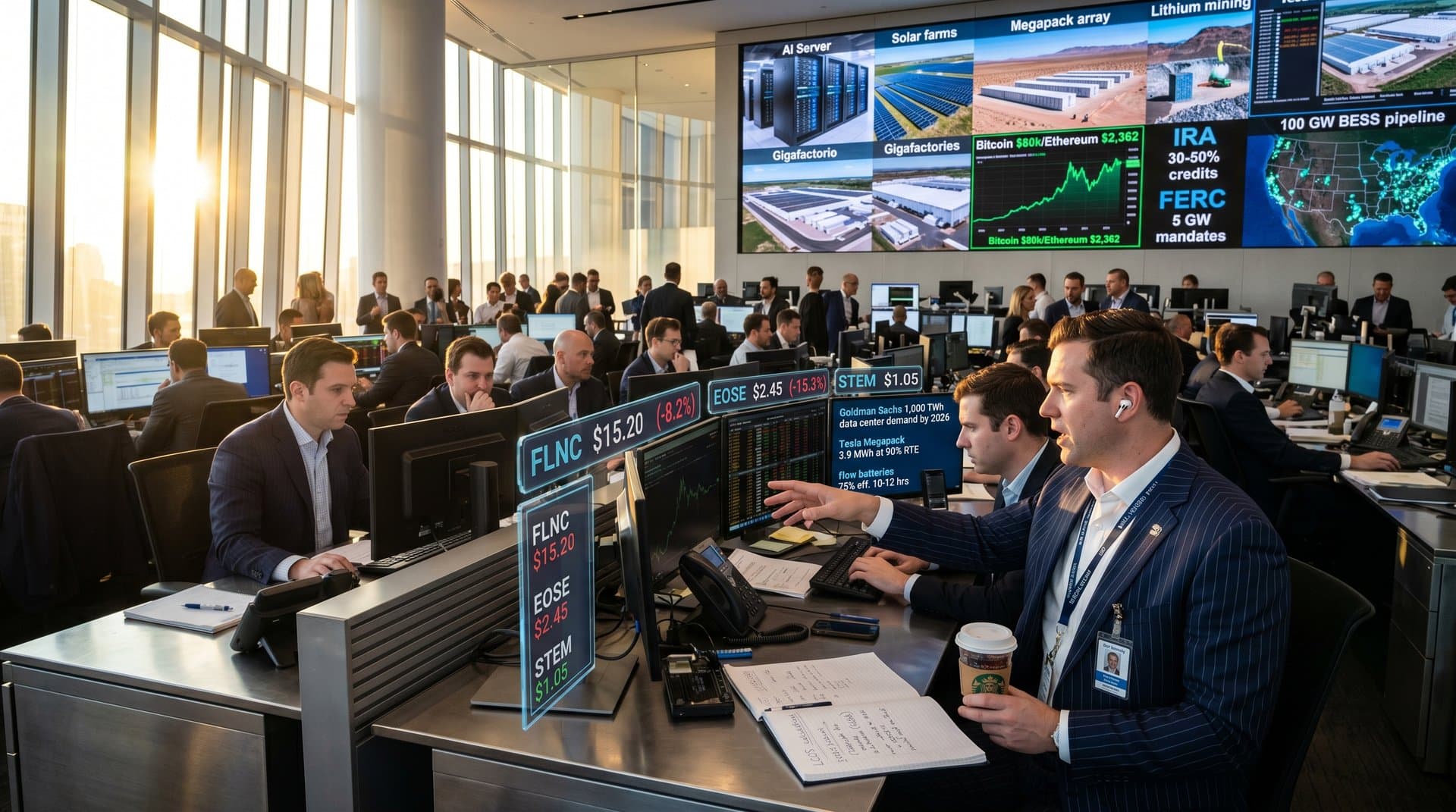
AI grid storage demands accelerate worldwide. Cursor, an AI coding assistant startup, negotiates a US$2 billion funding round at over US$50 billion valuation, CNBC reports. Hyperscalers' gigawatt-scale GPU clusters strain grids and boost battery deployments.
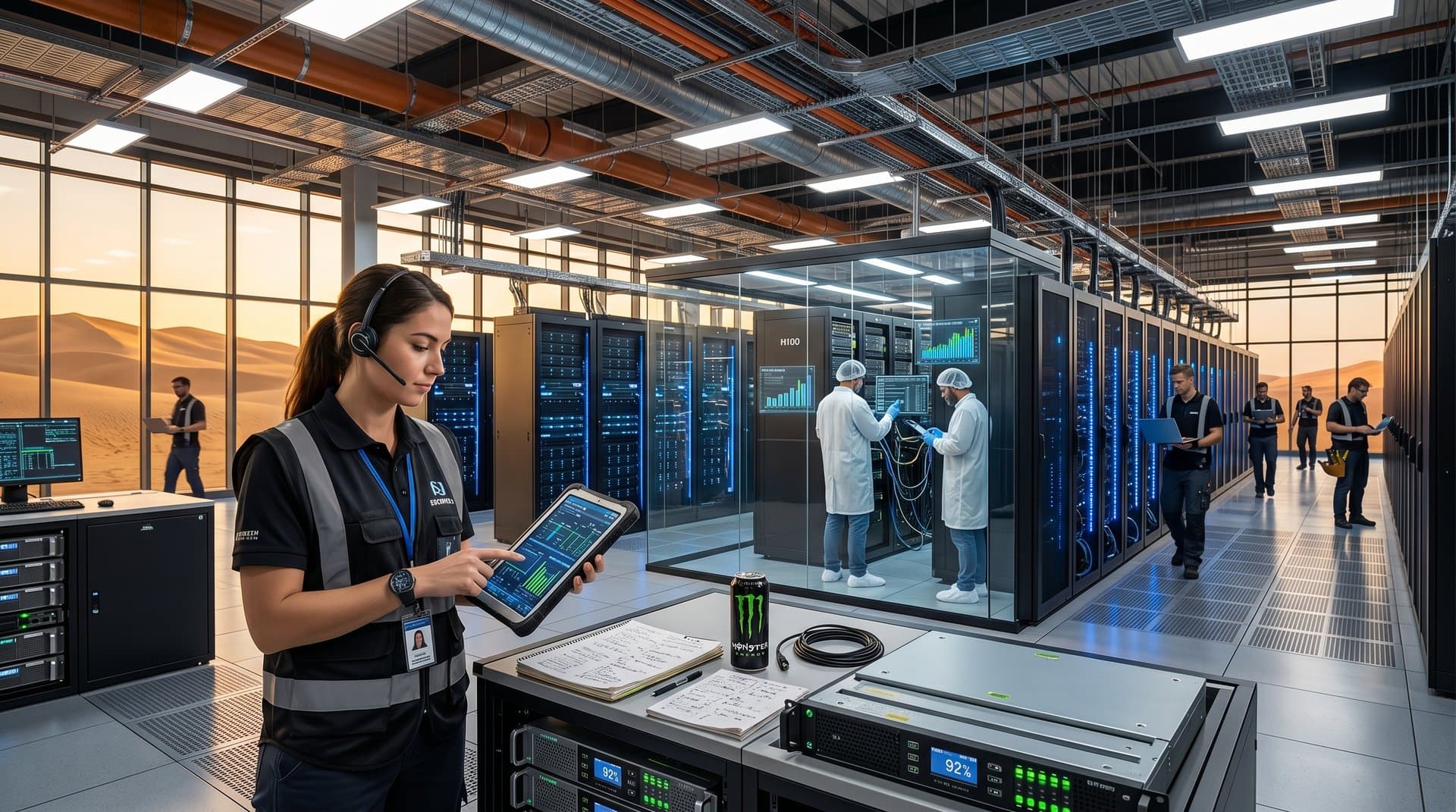
Developers use Cursor's AI code editor to accelerate software creation. Investors back AI productivity tools as Microsoft and Google erect massive data centers. Each Nvidia H100 GPU consumes 700W; clusters reach 100MW loads, matching small cities' demand, per International Energy Agency (IEA).
AI Compute Explosions Strain Grids and Spur Battery Deployments
Cursor's valuation approaches OpenAI's levels. Thrive Capital leads talks, sources tell CNBC. AI training requires uninterrupted power. Data centers consumed 460TWh globally in 2022, doubling to 1,000TWh by 2026, IEA forecasts.
Lithium-ion batteries provide 85-92% round-trip efficiency (RTE) at 0.5C discharge rates under IEC 62619 standards, per National Renewable Energy Laboratory (NREL) benchmarks. They achieve 3,000-5,000 full cycles at 80% depth-of-discharge (DoD). Pack costs fell to US$132/kWh in 2023, down 89% since 2010, per BloombergNEF.
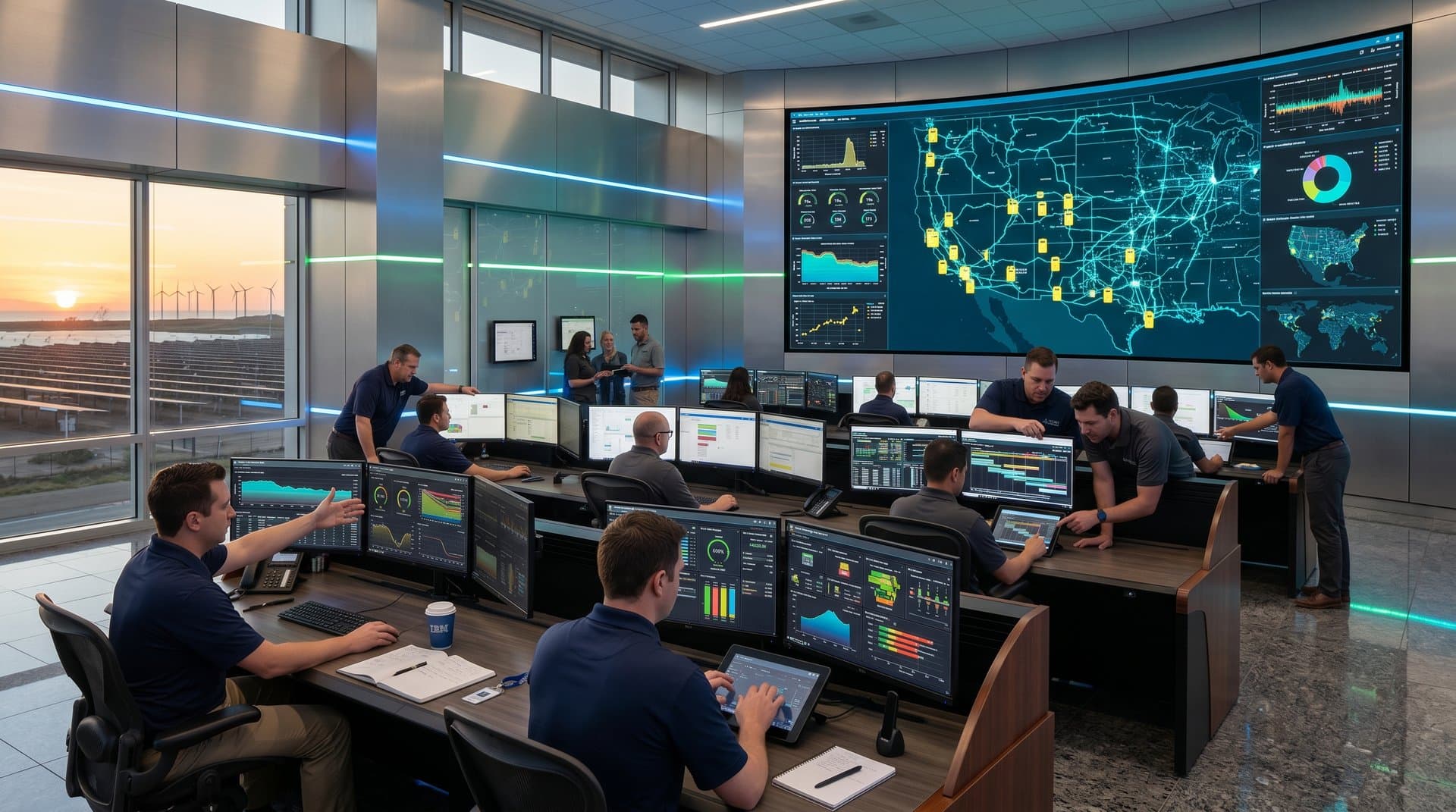
Grid operators deploy commercial-scale 4-hour duration systems for frequency regulation and peak shaving. Projects monetize via ancillary services, energy arbitrage, and capacity payments. Global deployments reached 18GW in 2023, targeting 20GW annually by 2026 at 25% CAGR, BloombergNEF projects.
Hyperscalers Co-Locate Megapack-Scale Storage with Data Centers
Google plans 500MW data center campuses with onsite batteries for 4-hour duration. Microsoft signed 10.5GW renewable-plus-storage power purchase agreements (PPAs) through 2030, per company filings. FERC Order 2023 reforms slash interconnection queues from 2,600GW backlog.
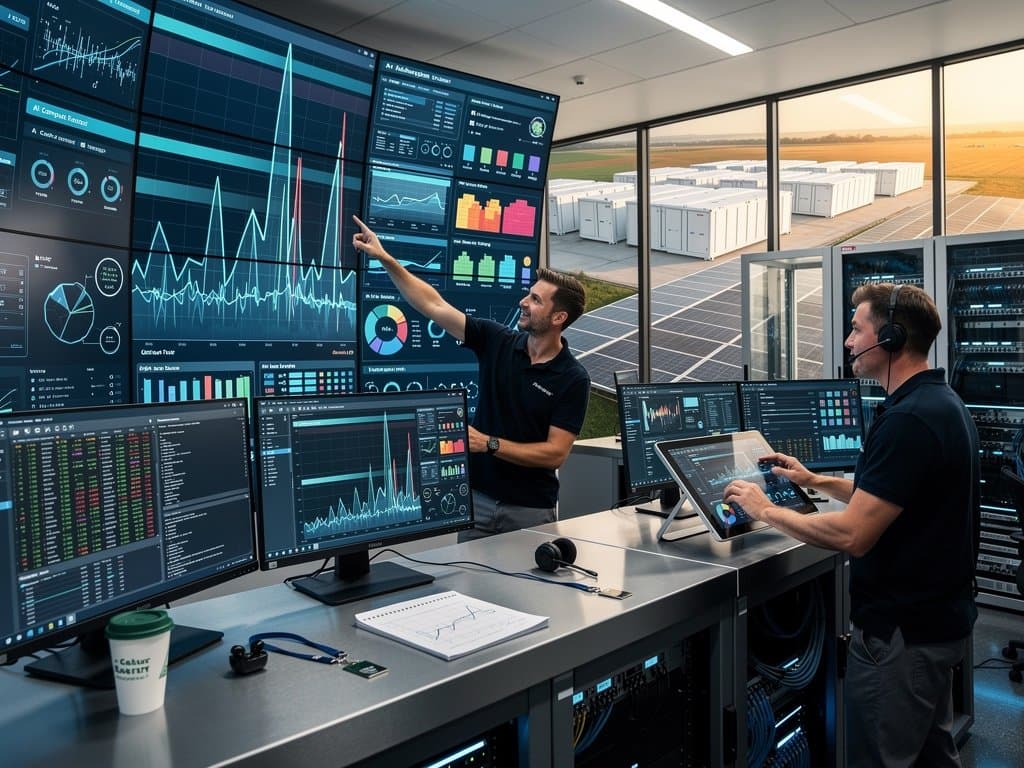
Tesla Megapack units deliver 3.9MWh energy at 256MW power per container, with 190Wh/kg energy density. Fluence Cube systems provide 2-hour discharge at 85% RTE. Levelized cost of storage (LCOS) hits US$142/MWh in California for 4-hour Li-ion, BloombergNEF calculates.
Co-location unlocks premium revenues from stacked services. PJM Interconnection reports 5GW data center queues; CAISO adds 2GW. US Department of Energy (DOE) highlights VPP integration.
Iron-air batteries from Form Energy target 100-hour duration at 150Wh/kg energy density (gravimetric) and US$20/kWh system cost. Demonstration pilots scale to 5MWh in 2024, with 75% RTE over 10,000 cycles.
Policies and Financing Propel Grid Storage for AI Loads
US Inflation Reduction Act (IRA) Section 48E offers 30-50% Investment Tax Credit (ITC) for standalone storage >3 hours. California mandates 5GW new capacity by 2026 under SB 100. ERCOT fast-tracks 10GW AI-related interconnections.
NextEra Energy acquired 1.2GW pipeline for US$1.1 billion. Brookfield Renewable bought 800MW assets. Stacked revenues reach US$200/kW-year from arbitrage, capacity markets, and VPPs, DOE estimates.
Developers target 12-15% internal rates of return (IRRs) on 4-hour, GW-scale projects, with commissioning timelines shrinking to 18 months post-interconnection approval.
Supply Chain Realities Shape AI-Driven Storage Scaling
Lithium carbonate prices dropped 85% to US$12/kg in Q1 2024, per Benchmark Mineral Intelligence. NMC 811 cathode costs US$40/kWh at cell level. CATL's sodium-ion batteries achieve 160Wh/kg, cobalt-free, with 90% RTE.
Vanadium redox flow batteries (VRFBs) endure 20,000 cycles at 75% RTE for 8-12 hour durations, per UniEnergy Technologies data. IRA favors US-compliant cells from Albemarle and Livent amid supply constraints.
Hyperscalers secure offtake agreements. Amazon contracted 500MW storage with Plus Power. EU Critical Raw Materials Act boosts domestic gigafactories for gigawatt-hour scale.
AI grid storage demands redefine energy infrastructure. Commercial battery deployments accelerate to 20GW annually by 2026, sustaining hyperscaler compute growth at 25% CAGR.
Frequently Asked Questions
How does Cursor's $50B valuation affect AI grid storage demands?
Cursor's US$50B valuation signals AI scalability, driving GW compute expansions. Data centers deploy 4-hour Li-ion for peak shaving (IEA, NREL).
Why do AI compute demands boost grid storage projects?
GPU clusters draw intermittent MW loads. Batteries provide frequency services and arbitrage, yielding 12-15% IRRs via co-location (BloombergNEF).
What revenue streams support AI data center grid storage?
Arbitrage, capacity payments, VPPs total US$200/kW-year. IRA 30-50% ITC and FERC reforms improve economics (DOE).
How does $2B Cursor funding signal energy trends?
Funding accelerates compute growth, prompting GW-scale storage. Policies support 20GW annual deployments (CNBC, BloombergNEF).