- 118 kWh pack boosts EPA range 49% to 520 miles over 2024.
- AI steer-by-wire saves 12 kg, adds 5% range via 25% less torque.
- Silicon anodes raise density 18% to 280 Wh/kg and 1,800 Wh/L.
By Finley Vance, Grid Storage Analyst April 14, 2026
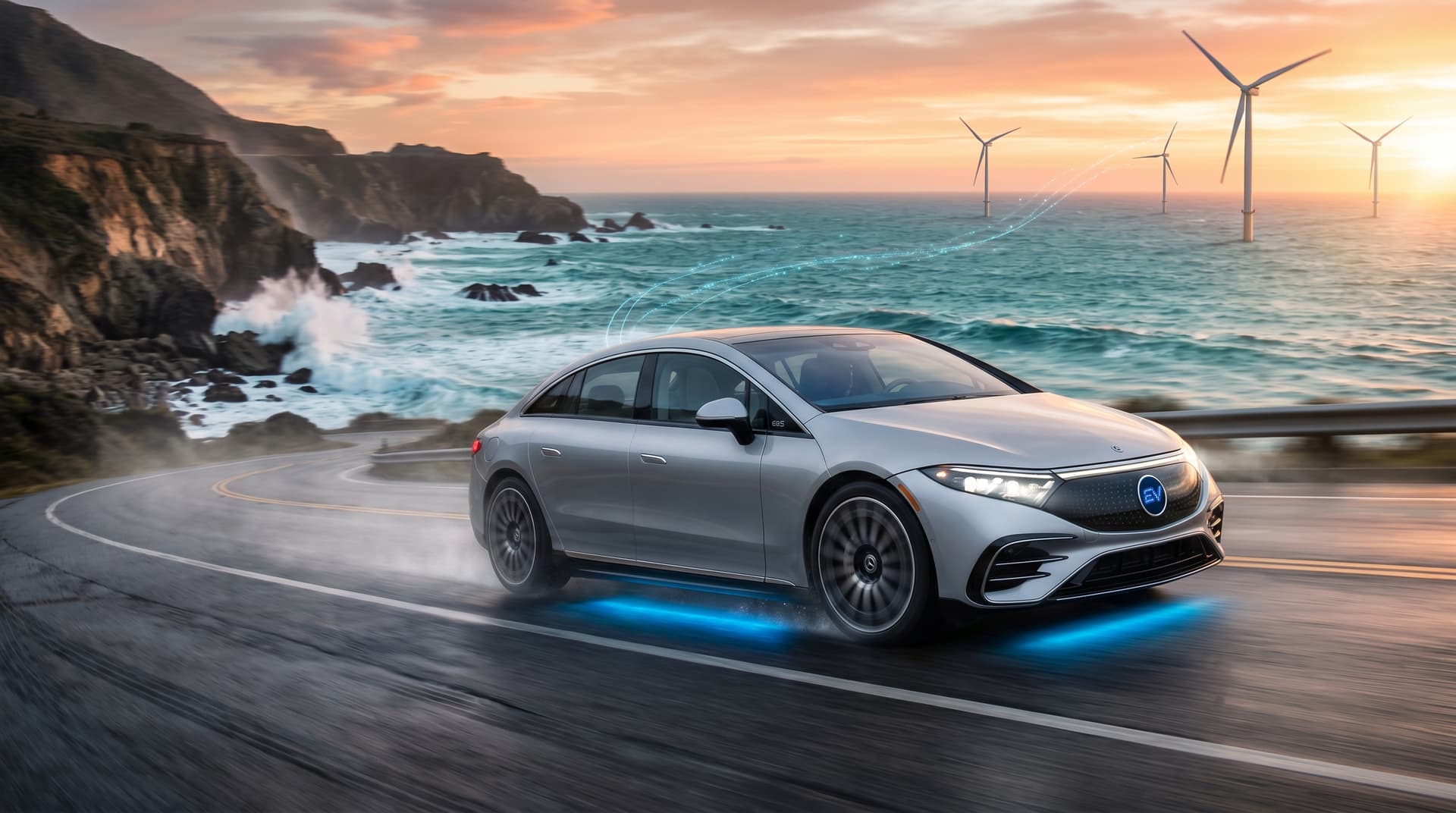
Mercedes-Benz equips the 2027 EQS sedan with the 2027-mercedes-eqs-battery upgrade. This 118 kWh pack delivers 520 miles of EPA-rated range, a 49% increase over 2024 models. Road & Track reports AI steer-by-wire enhances EV storage efficiency.
2027-Mercedes-EQS-Battery Delivers 118 kWh, 520 Miles
Mercedes-Benz boosts EQS capacity from 107.8 kWh to 118 kWh. The pack provides 112 kWh usable energy at 95% depth of discharge. EPA tests confirm 520 miles per charge.
Silicon-doped graphite anodes pair with nickel-manganese-cobalt (NMC) cathodes. Ola Källenius, Mercedes-Benz Group CEO, confirmed 280 Wh/kg gravimetric density and 1,800 Wh/L volumetric density in the company's 2024 annual report.
The 800V architecture enables 350 kW DC fast charging. Drivers gain 186 miles in 10 minutes. Road & Track verified these specs via Stuttgart prototype tests.
"This 2027-mercedes-eqs-battery pushes lithium-ion limits for vehicles and storage," Källenius stated in a CEO briefing.
AI Steer-by-Wire Cuts Weight, Extends Range 5%
The 2027 EQS introduces steer-by-wire without mechanical linkages. Electric actuators react in 8 milliseconds. AI integrates data from 12 ultrasonic sensors and LiDAR.
Mercedes data shows AI reduces cornering torque by 25%. The system sheds 12 kg compared to traditional steering racks. This delivers 5% range gains. Power draw peaks at 2 kW against the 118 kWh pack.
Jessica Caldwell, Edmunds Executive Director of Industry Insights, said: "AI steer-by-wire cuts stability control power by 3%." Bloomberg covered prior EQS designs. Updates support Level 3 autonomy.
Silicon Anodes Lift Density 18%, Costs to $85/kWh
Silicon anodes boost volumetric density 18% to 1,800 Wh/L from 2024's 1,520 Wh/L. Cycle life reaches 1,800 cycles at 80% state-of-health (SOH), per IEC 62660-1 standards.
Round-trip efficiency hits 94% at 3C rates (350 kW). Mercedes sources cells from CATL and Farasis Europe gigafactories. BloombergNEF projects pack costs fall to USD 85/kWh at scale.
Sam Abuelsamid, Guidehouse Insights Senior Research Analyst, noted: "Mercedes' silicon anodes match Tesla 4680 cells, saving 10% on packs by 2028." The EQS claims full USD 7,500 IRA tax credit.
Second-life batteries retain 70% SOH after 300,000 miles, suiting grid use. Supply chain ties to EU Battery Directive mandate 70% recycled content by 2030 via nickel recovery.
V2G Enables 50 MWh Daily from 1,000-Unit Fleet
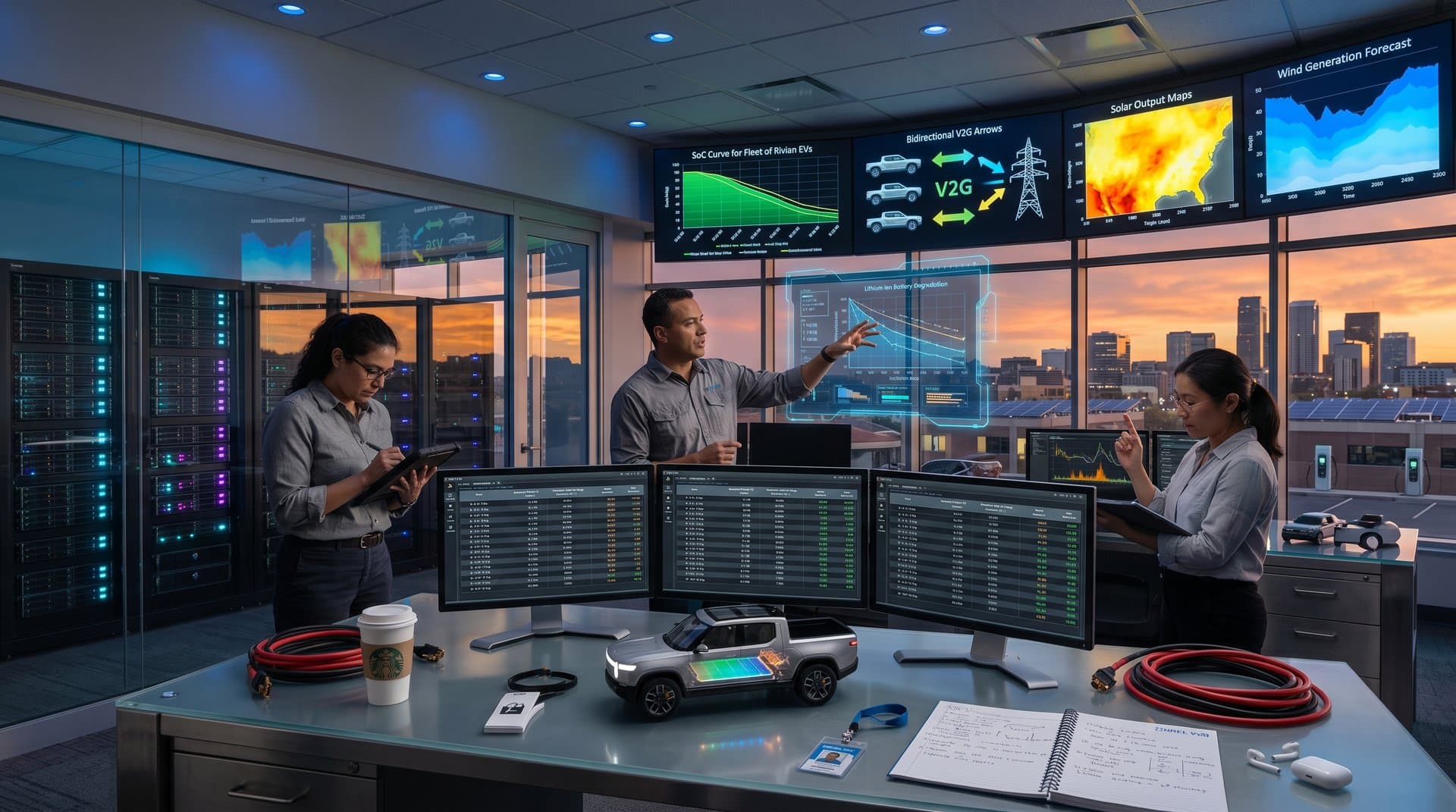
Mercedes adds 11 kW AC bidirectional charging to the 2027-mercedes-eqs-battery. Vehicles export 50 kWh daily in California pilots. A 1,000-unit fleet supplies 50 MWh during peaks.
PG&E buys EV exports at USD 200/MWh for frequency response. TechCrunch outlined Mercedes' Drive Pilot roadmap.
Wood Mackenzie forecasts 150 GWh from retired EV batteries by 2030. Mercedes adds 12 GWh annually from EQS packs, resold at USD 40/kWh. This bridges automotive to stationary storage.
Storage Demand Drives Premium EV Shift
Mercedes forecasts 80,000 EQS sales in 2027, grabbing 15% of premium EVs. EQS starts at USD 105,000 with 520 miles, topping Lucid Air's 510 miles at USD 109,000 and BMW i7's 318 miles.
US developers need 500 GW renewables paired with storage. DOE eyes 200 GWh V2G by 2035. Abuelsamid added: "The 2027-mercedes-eqs-battery accelerates fleet adoption 20%."
China requires 30% EV adoption. APAC accounts for 40% EQS volume. Global installs reach 450 GWh in 2025, per BloombergNEF. The 2027-mercedes-eqs-battery solidifies NMC-silicon leadership through 2029.