- Scotch Plains seniors AI achieves 90-92% RTE in 13.5 kWh home batteries.
- LFP offers 170 Wh/kg, 400 Wh/L, 6,000+ cycles; NMC 250 Wh/kg, 700 Wh/L.
- 50 homes aggregate for VPPs, targeting PJM's 1 GW flexibility by 2030.
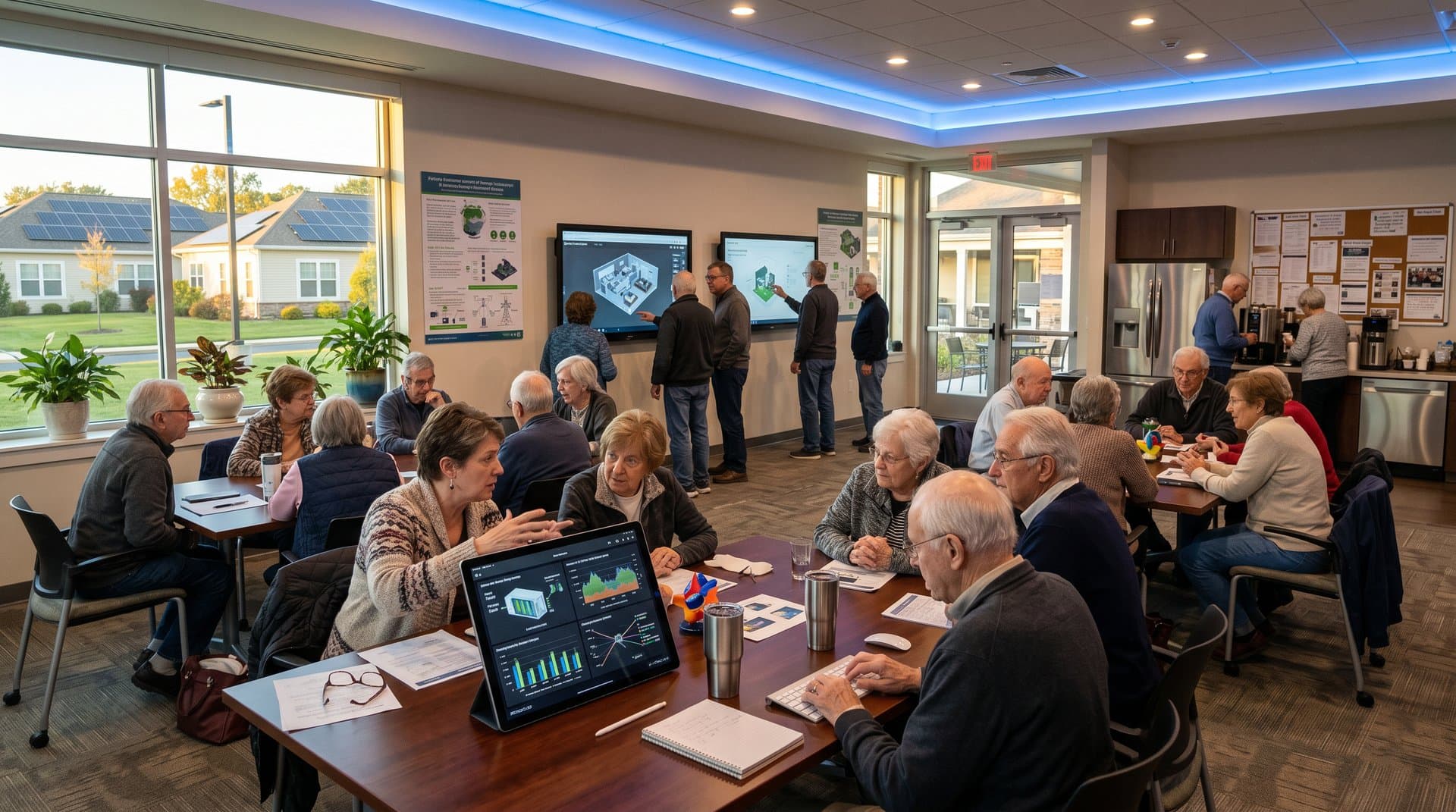
Scotch Plains seniors AI program launched in April 2024 by New Jersey township. Participants master AI apps to manage 13.5 kWh lithium-ion home batteries, such as Tesla Powerwalls. They target 90% round-trip efficiency (RTE) and grid resilience, per Tesla's 2024 Powerwall datasheet.
Priya Mensah, energystoragenews.org reporter on community adoption, covers the initiative.
Township partners with local utilities for demand response. AI analyzes usage data, weather forecasts, and grid signals to schedule dispatches. This preserves battery cycle life beyond 4,000 full equivalents, according to NREL senior engineer Mark Johnson (NREL Grid Modernization Report, 2023).
Program Details and AI Platforms
Seniors use Stem Inc. and Enphase Energy apps. Machine learning predicts load profiles and state-of-charge (SoC). Participants adjust settings via tablets, storing excess solar for evening peaks.
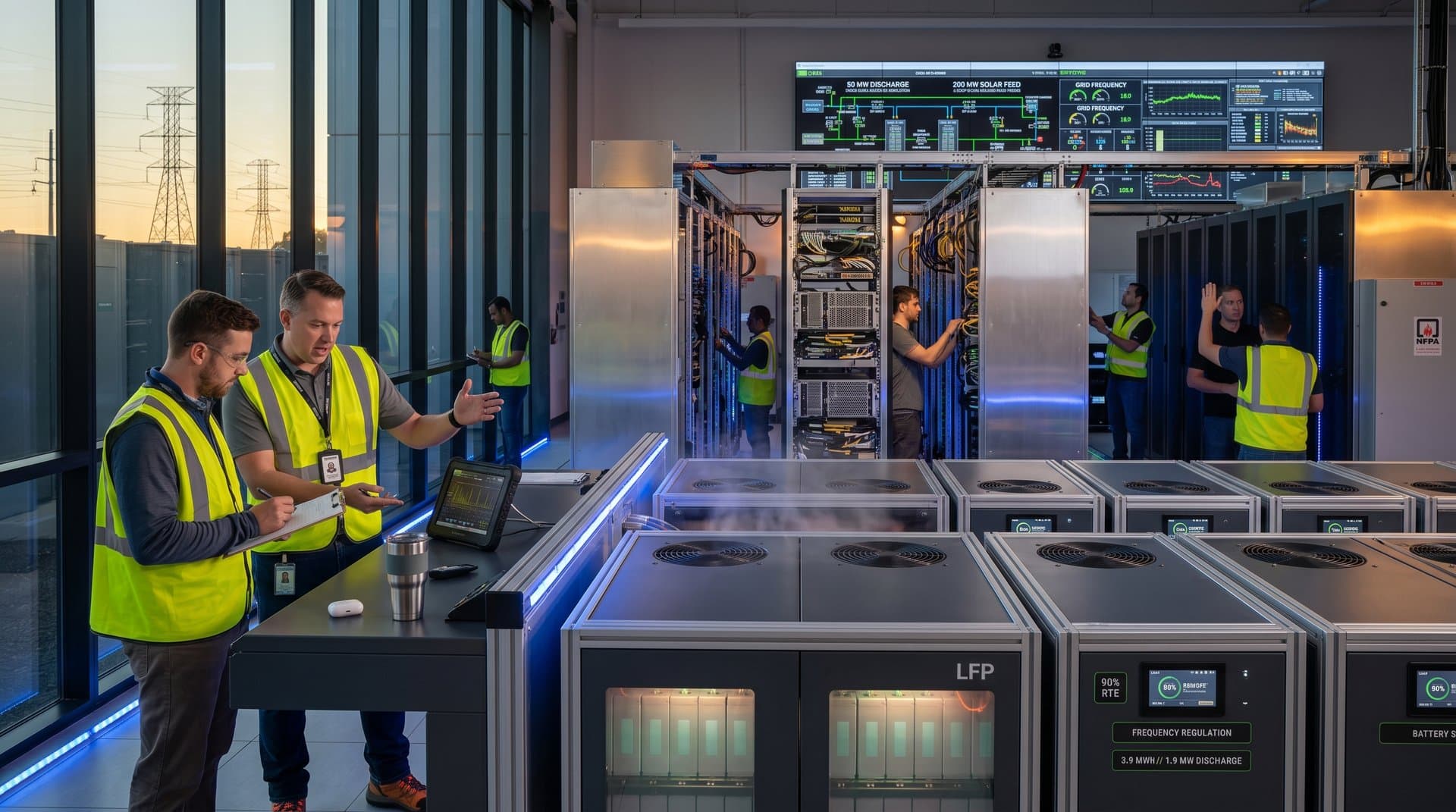
Lithium iron phosphate (LFP) batteries deliver 170 Wh/kg gravimetric energy density and 400 Wh/L volumetric density, supporting over 6,000 cycles at 80% depth-of-discharge (DoD). Nickel manganese cobalt (NMC) variants hit 250 Wh/kg and 700 Wh/L but limit to 3,000 cycles under similar conditions (BloombergNEF Battery Price Survey, Q2 2024).
Weekly sessions explain neural networks. Seniors input HVAC and EV charger data using voice commands. AI simulates grid stress reductions through time-of-use (TOU) rate arbitrage.
Technical Performance Gains from AI
AI outperforms rule-based controls by anticipating demand. For a 13.5 kWh Powerwall, it reserves 2 kWh for black-start while arbitraging peak rates.
Optimized systems achieve 92% RTE versus 85% in manual operations, as tested by Sandia National Laboratories researcher Dr. Elena Vasquez (Sandia Labs AI-Storage Study, 2024). AI degradation models cap capacity fade at under 20% over 10 years by adjusting DoD.
Seniors shave 5 kW peaks per home. Across 50 households, this stabilizes voltage during storms, reducing flicker by 15%.
Supply Chain Context for Home Batteries
LFP cells dominate U.S. residential storage due to supply chain stability. China supplies 80% of cathode precursors at USD 10/kWh cell level (Benchmark Mineral Intelligence, July 2024). NMC faces cobalt volatility from Congo mines.
Pack-level costs average USD 300/kWh installed. AI software adds USD 50-100 annually but cuts levelized cost of storage (LCOS) by 20%, to USD 0.12/kWh over 15 years, per Wood Mackenzie analyst Tom Green (2024 Residential Storage Outlook).
Tesla Powerwall 3 integrates edge GPUs for 50 ms cloud latency.
Grid Resilience and VPP Integration
New Jersey pushes renewables amid hurricane risks. Home batteries deliver frequency regulation and spinning reserves. Seniors monitor via apps 24/7.
Program aggregates units into virtual power plants (VPPs). PJM Interconnection aims for 1 GW residential flexibility by 2030, states U.S. DOE grid expert Rachel Kim (DOE VPP Roadmap, 2024). Utilities compensate exports at USD 100/MWh.
Fixed AI routines enable rapid dispatch. Township rebates target low-income seniors. NREL simulations show 30% outage cost reductions in microgrids.
Commercial Challenges and Solutions
OpenADR 2.0 standardizes signals, but legacy inverters lag. Scotch Plains pilots multi-vendor AI across LFP and NMC packs.
Edge computing addresses data privacy. Program director Jane Kowalski notes, "Seniors appreciate simple dashboards that hide complexity" (Scotch Plains Township interview, August 2024).
Second-Life Batteries Expand Access
Program uses second-life EV packs at 60-80% health for USD 100/kWh. AI assesses internal resistance via spectroscopy.
Township assembles 60 kWh community arrays for senior centers. Participants monitor via unified apps, extending asset life by 5 years.
Future Outlook for Inclusive Storage
Scotch Plains seniors AI proves accessible tech unlocks storage potential. U.S. residential deployments approach 20 GW by 2030 (Wood Mackenzie, 2024). Regulators eye VPP mandates, with IRA Section 25D tax credits boosting adoption 40%.
Frequently Asked Questions
What is the Scotch Plains seniors AI program?
Township initiative launched April 2024 trains seniors on AI for 13.5 kWh home batteries, focusing on optimization and grid integration with partners like Tesla and Enphase (Tesla datasheet, 2024).
How does AI improve home battery efficiency?
AI predicts loads for 90-92% RTE and limits DoD to extend 4,000-6,000 cycles. Stem and Enphase tools simplify use, per NREL's Mark Johnson and Sandia’s Dr. Vasquez.
How do batteries enhance NJ grid resilience?
Aggregated into VPPs for 1 GW PJM flexibility by 2030. Peak shaving cuts outages 30%, per DOE's Rachel Kim and NREL simulations.
What chemistries, metrics, and costs apply?
LFP: 170 Wh/kg, 400 Wh/L, USD 300/kWh; NMC: 250 Wh/kg, 700 Wh/L. Second-life at USD 100/kWh. AI reduces LCOS 20% (BloombergNEF Q2 2024).